
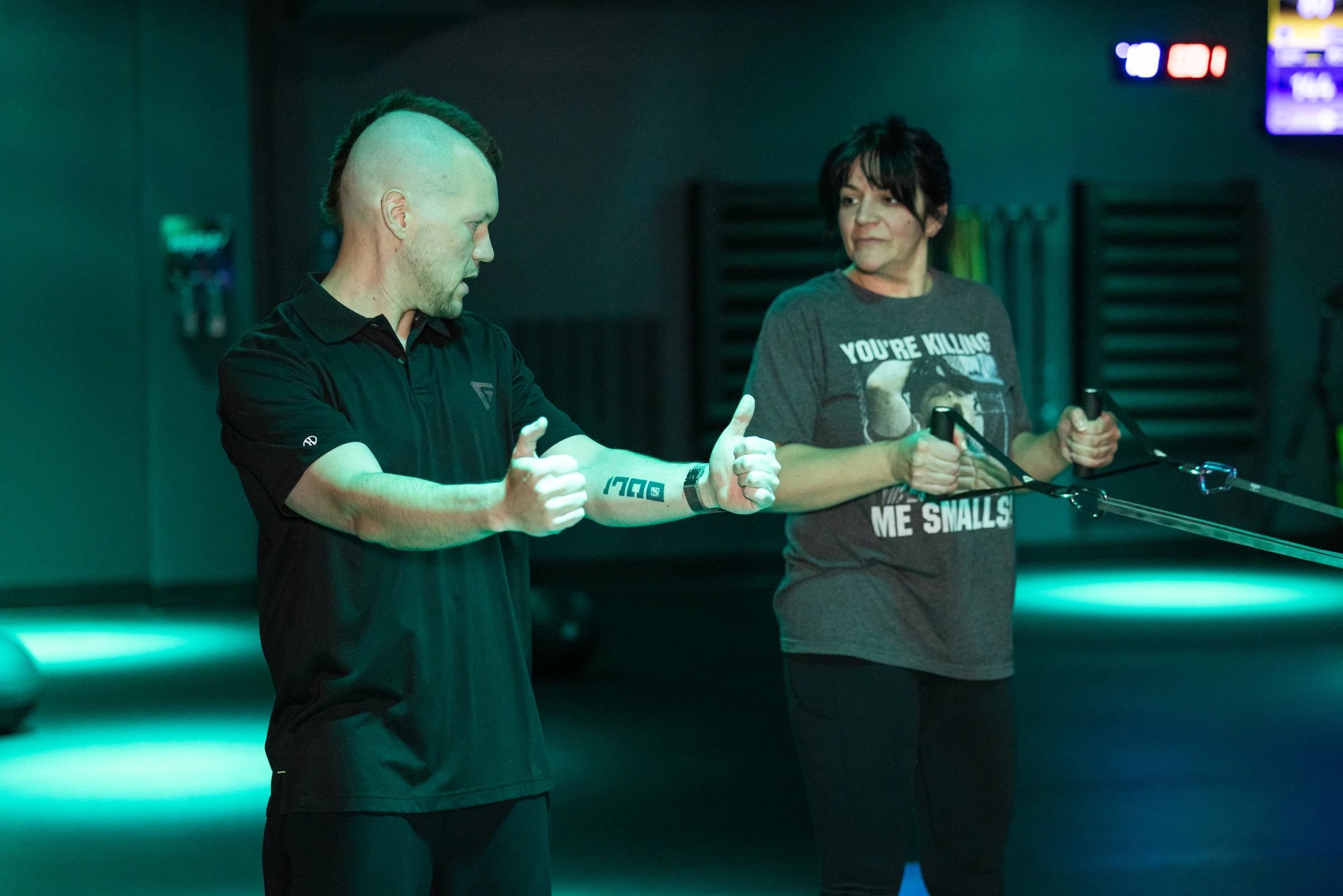
True strength isn’t just about how much weight you can move; it’s about how well your body performs in the real world. Functional strength training moves beyond isolated muscle-building to develop integrated movement patterns that enhance everyday life, athletic performance, and overall resilience. It’s about building a body that is ready for anything, from carrying groceries to pushing your limits in competition.
At Forward Thinking Fitness, we champion a holistic approach, understanding that peak performance is forged at the intersection of physical prowess and unwavering mental fortitude. This isn’t about fleeting trends; it’s about implementing timeless principles of training and mindset development to unlock your ultimate potential. If you’re searching for a personal trainer near me who understands this profound connection, you’re in the right place.
Beyond the Mirror: Why True Strength is Functional
The obsession with aesthetics often overshadows the true purpose of strength: utility. Functional strength training focuses on movements that mimic real-life activities, improving your ability to perform daily tasks with greater ease and efficiency. Think about lifting a child, moving furniture, or navigating an obstacle course – these require coordinated efforts from multiple muscle groups working in synergy, not just isolated bicep curls. This integrated approach builds practical power, enhances stability, and significantly reduces the risk of injury. When assessing training programs, ask yourself: does this build a body that moves better and performs more effectively in practical scenarios?
Common pitfalls in traditional training include neglecting compound movements, overemphasizing isolation exercises, and failing to consider mobility and stability. A program solely focused on mirror muscles might make you look strong but leave you vulnerable to everyday strains or sports-related injuries. For example, a runner might focus on quad strength but neglect the crucial hip and glute activation needed for efficient gait and injury prevention. True functional strength training prioritizes these integrated patterns. Consider an athlete preparing for a sport like CrossFit or obstacle course racing; their training must build transferable strength for dynamic, unpredictable challenges, a far cry from the controlled environment of a bodybuilding routine. For guidance on finding a facility that emphasizes this, you might explore options for mastering functional strength with the right facility.
Actionable steps to integrate functional strength include prioritizing compound lifts like squats, deadlifts, presses, and rows, which engage multiple joints and muscle groups simultaneously. Incorporate movement drills that enhance balance, coordination, and proprioception, such as single-leg Romanian deadlifts, farmer’s walks, and kettlebell swings. Regularly assess your movement quality and address any imbalances or mobility restrictions. This isn’t about aesthetics; it’s about building a resilient, capable physique. If you’re in a major city and looking for guidance, searching for workout classes near me that focus on functional movement can be a great starting point.
The Blueprint for Peak Performance: Integrating Mind and Muscle
Achieving peak physical performance is a sophisticated endeavor that extends far beyond the physical mechanics of lifting weights. It requires a profound integration of mental and muscular capabilities, where your mindset acts as the critical driver for your physical output. Consider the difference between an athlete who pushes through fatigue and one who falters. This distinction often lies in their mental resilience and strategic thinking. When you approach your training with a clear, focused mind, you unlock a deeper reserve of strength and endurance, enabling you to persist through challenging sets and complex movements. This synergy is what separates good performance from exceptional performance, allowing individuals to truly push their limits.
The blueprint for peak performance involves understanding how psychological factors influence physiological responses. This includes managing pre-competition anxiety, maintaining focus during demanding workouts, and recovering effectively both mentally and physically. A common pitfall is neglecting the mental aspect, treating it as secondary to physical conditioning. For instance, an athlete might possess immense physical talent but lack the mental fortitude to cope with pressure, leading to underperformance in critical moments. Conversely, an athlete with a strong mental game can often outperform physically superior opponents by leveraging their focus, determination, and strategic approach. We champion a philosophy where you learn to push the pace both physically and mentally.
Integrating mind and muscle involves specific training methodologies. Practice mindfulness and visualization techniques to enhance focus and prepare for challenging lifts. Develop a robust pre-performance routine that primes your mind for action. Learn to interpret physical sensations not as barriers, but as signals your body provides. For example, instead of fearing discomfort during a tough set, learn to acknowledge it and focus on executing the next repetition with precise form. Exploring resources that detail how to cultivate this inner strength is crucial; a good starting point is understanding how to defeat doubt: mental fortitude for fitness success. True athletes understand that the mind is just as important, if not more so, than the body.
Forging Mental Fortitude: Your Unseen Competitive Edge
Mental fortitude is the invisible engine that drives sustained effort and resilience, especially when faced with physical or psychological adversity. It’s the capacity to persevere through discomfort, doubt, and fatigue, transforming perceived limitations into stepping stones for growth. In the realm of fitness, this translates to consistently showing up, pushing past plateaus, and maintaining discipline even when motivation wanes. This unseen edge allows individuals to not only achieve their goals but to do so with a level of determination that sets them apart. If you’re looking to build this crucial aspect of your performance, understanding how to break barriers: building mental resilience in fitness is paramount.
Common pitfalls in cultivating mental fortitude include associating discomfort with failure and a lack of structured strategies for handling mental challenges. Many individuals see a tough workout or a missed personal record as a reason to quit or reduce intensity, rather than as an opportunity to build grit. For example, a lifter might experience a sudden dip in performance due to stress outside the gym. Without mental fortitude, they might abandon their program. However, an individual with strong mental resilience would acknowledge the situation, adjust their approach, and continue to train with what they have, understanding that consistency through difficulty is key. This process of harnessing mental fortitude for fitness mastery is a continuous journey.
To forge mental fortitude, implement deliberate practice in embracing challenging scenarios. This could involve intentionally adding a difficult final set to an otherwise comfortable workout, practicing breath control under stress, or setting ambitious but achievable goals that require sustained effort. Develop a strong sense of purpose for your training; understanding your “why” provides a powerful anchor during tough times. Regularly engage in self-reflection to identify triggers for doubt and develop coping mechanisms. For example, before a heavy lift that causes anxiety, use a pre-lift affirmation or a specific breathing pattern. These techniques build a robust inner framework, turning potential mental roadblocks into sources of strength, and reinforcing your commitment to push the pace.
Mastering the Lift: Power, Hypertrophy, and the Science of Progress
The pursuit of strength is a multifaceted journey, encompassing distinct yet interconnected goals: building raw power, stimulating muscle hypertrophy, and ensuring consistent, science-backed progress. Power is the ability to exert maximal force in a minimal amount of time, often seen in explosive movements like Olympic lifts or jumps. Hypertrophy, on the other hand, focuses on increasing muscle size, which contributes to strength but also involves a different training stimulus. Understanding the science behind each is crucial for designing an effective training program that avoids plateaus and maximizes your potential. This involves careful programming, understanding periodization, and listening to your body’s signals.
A critical decision criterion when designing a program is the balance between these training modalities. Simply lifting heavy weights might build strength but could neglect the volume required for significant hypertrophy, leading to a strong but less visually developed physique. Conversely, excessive volume without adequate recovery can lead to overtraining, hindering progress in both power and size. For example, an athlete focused on powerlifting might incorporate explosive box jumps alongside their heavy squats to enhance rate of force development. Meanwhile, a bodybuilder might prioritize higher rep ranges and shorter rest periods on exercises like dumbbell bench presses to maximize metabolic stress and muscle damage for growth. Exploring resources from governing bodies like the International Weightlifting Federation can provide deep insights into technique and training principles.
To master the lift, prioritize progressive overload: gradually increasing the demands placed on your muscles over time. This can be achieved by lifting more weight, performing more repetitions, increasing the frequency of training, or reducing rest periods. Implement periodization, strategically varying training variables throughout the year to prevent adaptation and manage fatigue. For power development, focus on exercises that demand speed and explosiveness, such as cleans, snatches, and plyometrics. For hypertrophy, utilize moderate rep ranges (6-12) with sufficient volume and intensity, ensuring adequate muscle damage and metabolic stress. Proper nutrition and recovery are non-negotiable pillars supporting all these training goals, ensuring your body can repair and grow stronger after each session.
Fueling the Machine: Performance Nutrition for Body Recomposition and Stamina
Optimizing your diet is paramount for achieving body recomposition and sustaining high energy levels. This isn’t about restrictive fad diets; it’s about intelligent macronutrient and micronutrient timing tailored to your training demands. For muscle growth and repair, prioritize a sufficient protein intake, typically between 1.6-2.2 grams per kilogram of body weight. Distribute this protein intake throughout the day, emphasizing post-workout recovery. Carbohydrates are your primary energy source, crucial for fueling intense workouts and replenishing glycogen stores. Choose complex carbohydrates like oats, quinoa, and sweet potatoes for sustained energy release. Healthy fats are essential for hormone production and overall cellular function; incorporate sources like avocados, nuts, seeds, and olive oil. Performance nutrition also demands strategic hydration; dehydration can cripple stamina and cognitive function. Aim for consistent fluid intake, adjusting based on training intensity and environmental conditions.
When aiming for body recomposition—building muscle while losing fat—calorie management is key. A slight caloric deficit combined with adequate protein is often the most effective approach. Avoid drastic cuts, which can lead to muscle loss and energy depletion. Focus on nutrient-dense foods that provide satiety and essential vitamins and minerals. Consider the timing of your meals. Consuming protein and carbohydrates around your workouts can enhance recovery and muscle protein synthesis. For example, a meal containing lean protein and a moderate amount of complex carbs a few hours before training can provide sustained energy, while a post-workout shake with fast-absorbing protein and simple carbohydrates can kickstart recovery. Stamina is significantly impacted by your body’s ability to efficiently utilize fuel. Regularly consuming processed foods and sugar-laden drinks can lead to energy crashes and hinder your progress.
A critical pitfall in performance nutrition is the neglect of micronutrients. Vitamins and minerals play vital roles in energy metabolism, muscle function, and immune health. Ensure a wide variety of colorful fruits and vegetables are staples in your diet. Supplements can play a role, but should never replace whole foods. Creatine monohydrate is a well-researched supplement proven to enhance strength and power output, while beta-alanine can help buffer lactic acid, improving muscular endurance. Pre-workout formulas can offer a temporary boost in energy and focus, but understand their ingredients and potential side effects. For individuals looking to fine-tune their approach, consulting with a registered dietitian or a performance nutritionist can provide personalized strategies based on your specific needs and goals. This expert guidance can prevent common mistakes and accelerate your journey toward peak physical condition.
The Daily Discipline: Building Habits That Drive Results
Achieving lasting results in functional strength training and overall fitness hinges on cultivating unwavering discipline. This means consistently showing up, even when motivation wanes, and making choices that align with your long-term goals. It’s about building robust habits that become second nature, reducing reliance on fleeting willpower. Start by identifying the core habits that will move the needle: consistent training sessions, mindful nutrition, adequate sleep, and active recovery. Break these down into smaller, manageable actions. For instance, instead of aiming for a perfect diet overnight, focus on incorporating one extra serving of vegetables daily or swapping out sugary drinks for water. Consistency is the bedrock of progress; sporadic effort yields sporadic results.
The journey to peak performance is a marathon, not a sprint, and discipline provides the endurance. This involves mastering your environment to support your goals. This could mean prepping meals on Sundays to ensure healthy options are readily available during the week, or laying out your gym clothes the night before to eliminate morning friction. When facing temptations or obstacles, tap into your mental fortitude. Remind yourself of your ‘why’ – the ultimate reason you embarked on this fitness journey. This inner drive is a powerful motivator. For many, journaling about their progress, challenges, and insights can be a highly effective tool for staying accountable and identifying patterns. Regularly reviewing your journal entries reinforces your commitment and highlights areas for adjustment.
A common pitfall is the all-or-nothing mindset. If you miss a workout or have an off-plan meal, it’s easy to feel defeated and abandon your efforts. Instead, practice self-compassion and get back on track with the next opportunity. Every decision is a building block. Consider the impact of sleep on your discipline; chronic sleep deprivation impairs decision-making and reduces self-control. Prioritizing 7-9 hours of quality sleep nightly is as crucial as your training itself. Furthermore, integrating active recovery practices, such as stretching or light walks, into your routine, not only aids physical repair but also reinforces the habit of consistent movement. Ultimately, discipline isn’t about rigid adherence; it’s about adaptable commitment to your highest self. Explore resources on pushing your pace and building mental fortitude to further enhance your discipline.
Unlocking Your Potential: Finding the Right Personal Trainer Near Me
When seeking to elevate your functional strength and achieve transformative results, the guidance of a qualified personal trainer can be invaluable. The “personal trainer near me” search goes beyond mere geographical convenience; it’s about finding an expert who aligns with your specific goals, training philosophy, and personality. A truly effective trainer will conduct a thorough assessment of your current fitness level, movement patterns, and any physical limitations. They will then design a program that is not only challenging but also safe and progressive, focusing on exercises that enhance real-world strength and movement capabilities. Look for trainers who emphasize a holistic approach, integrating strength, conditioning, and mobility work. They should also be adept at motivating you and holding you accountable, acting as a partner in your fitness journey.
The decision criteria for selecting a trainer should include their credentials and experience. Certifications from reputable organizations like the NSCA (National Strength and Conditioning Association) or ACSM (American College of Sports Medicine) indicate a foundational level of knowledge. However, specialization is also key. If your focus is on functional strength, seek trainers who have demonstrated success with clients seeking similar outcomes. Don’t be afraid to ask about their training philosophy, their approach to programming, and how they track client progress. A great trainer will be able to articulate their methods clearly and provide examples of how they’ve helped others achieve significant improvements. Testimonials and reviews can offer insight into their effectiveness and client satisfaction. Consider a free consultation to gauge your rapport and discuss your objectives. This initial meeting is crucial for determining if there’s a mutual fit.
Common pitfalls when searching for a personal trainer include choosing someone based solely on price or availability, or opting for a trainer with a generalized approach that doesn’t cater to your specific needs. Beware of trainers who promise rapid, unrealistic results without a sustainable plan. Your ideal trainer should be a mentor, educator, and motivator. They should empower you with the knowledge and tools to eventually train effectively independently. If you’re looking for a trainer specializing in functional strength, specifically in your local area, begin by searching online platforms that list certified professionals and reading client reviews. Websites like Forward Thinking Fitness often highlight trainers with specialized expertise in mastering functional strength. Exploring local gym websites or fitness centers for their staff bios and client success stories is also a productive strategy. Remember, the investment in the right personal trainer is an investment in your long-term health and performance.
Beyond Generic: What Sets Expert Functional Strength Training Apart
Generic strength training often focuses on isolating individual muscle groups with exercises like bicep curls or leg extensions, aiming for hypertrophy or brute strength. While these have their place, expert functional strength training takes a more integrated, movement-based approach. It’s about building a resilient, capable body that performs optimally in everyday life and athletic pursuits. This type of training emphasizes compound movements that engage multiple muscle groups simultaneously, mimicking natural human actions such as pushing, pulling, squatting, hinging, and rotating. Exercises like the deadlift, squat, overhead press, and farmer’s walk are cornerstones because they demand coordination, balance, and core stability, translating directly to improved performance and injury resilience.
The expertise of a trainer in functional strength lies in their ability to assess movement patterns and identify imbalances. They don’t just prescribe exercises; they prescribe movement strategies. This involves understanding biomechanics, kinesthetics, and how the body works as a cohesive unit. For example, an expert will diagnose faulty squat mechanics not just by looking at depth, but by assessing hip mobility, ankle dorsiflexion, and core engagement. They then use corrective exercises and strategic programming to address these specific issues. Furthermore, advanced functional training often incorporates elements of athletic development, focusing on power, speed, agility, and endurance, tailored to the demands of specific sports or high-performance lifestyles. This is far removed from a one-size-fits-all approach.
A critical differentiator is the emphasis on neuromuscular efficiency. Expert functional training aims to improve the communication between your brain and your muscles, leading to more coordinated, powerful, and controlled movements. This can involve integrating proprioceptive exercises, plyometrics, and reactive drills. The pitfalls of generic programming include leading to muscular imbalances, overuse injuries, and a lack of transferability to real-world activities. For instance, someone with a strong bench press but weak shoulder stabilizers might be at higher risk for injury. Expert functional strength training addresses the whole system, building a foundation of robust, adaptable strength. This approach is crucial for anyone looking to push their limits, whether in sport or daily life, and requires a deep understanding that goes beyond simply lifting weights. It’s about building a body that can truly push the pace in all aspects of life, a core tenet of achieving true fitness mastery, which can be further explored in resources on defeating doubt and building mental fortitude.
Navigating Plateaus: Strategies to Push Past Your Limits
Stagnation in training is a common hurdle, but it’s far from insurmountable. Recognizing the signs of a plateau – lack of progress in strength, endurance, or even motivation – is the first step. To break through, you need to implement strategic adjustments to your program. Consider progressive overload by systematically increasing the demands on your muscles. This could involve adding more weight, performing more repetitions, increasing the volume (sets x reps x weight), or reducing rest times between sets. Another effective method is periodization, where you vary training intensity and volume over specific cycles to prevent overtraining and stimulate new adaptations. Don’t underestimate the power of deload weeks; strategically reducing training stress allows your body to recover and rebuild, often leading to a significant rebound in performance.
When deciding how to adjust your approach, evaluate the type of plateau you’re experiencing. Are you stuck at a specific weight on the bench press, or has your overall energy dwindled? For strength plateaus, introducing new training methodologies like drop sets, supersets, or paused reps can shock your system. For endurance plateaus, consider incorporating High-Intensity Interval Training (HIIT) or increasing your cardiovascular volume. A common pitfall is making too many changes at once, which can hinder your ability to identify what’s working. Instead, focus on one or two modifications for a few weeks. For example, if you’re stuck on your deadlift, focus solely on increasing volume or incorporating deficit deadlifts for a block of training. Understanding your current training load and recovery capacity is crucial; overreaching without adequate rest will only deepen the plateau.
To effectively push past these limits, actively seek ways to reinvigorate your training. This might involve changing your exercise selection to target muscles from different angles or incorporating compound movements that recruit multiple muscle groups. For instance, if you’re plateauing on squats, try front squats or split squats to challenge your body in new ways. Nutrition and recovery play an equally vital role. Ensure you’re consuming enough protein for muscle repair and growth, and adequate carbohydrates for energy. Prioritizing sleep is non-negotiable for muscle recovery and hormone regulation. Techniques like active recovery, such as light walking or stretching on rest days, can also aid the process. Remember that consistency in these efforts, even when motivation wanes, is key to long-term progress. If you’re struggling to find the right adjustments, consulting with a qualified personal trainer near me can provide invaluable guidance tailored to your specific situation.
The Power of the Push: Embracing the ‘Push the Pace’ Philosophy
The ‘Push the Pace’ philosophy isn’t just about moving faster; it’s a fundamental mindset shift that permeates every aspect of your training and life. It embodies the drive to constantly challenge your perceived limits, both physically and mentally. Embracing this means understanding that comfort zones are where growth stagnates. When you actively strive to increase the intensity and reduce rest periods in your workouts, you’re not just building physical capacity, but also mental fortitude. This translates to fewer skipped reps, more effort on the last set, and a willingness to tackle more demanding exercises. It’s about cultivating a gritty, no-excuses attitude that prioritizes progress over ease.
Implementing the ‘Push the Pace’ philosophy requires careful programming and an awareness of your body’s signals. It’s not about reckless exertion, but intelligent aggression. This means identifying opportunities to elevate your effort: pushing for an extra rep, decreasing rest between sets by 10-15 seconds, or performing a more challenging variation of an exercise. For example, during a set of lunges, instead of stopping at the prescribed number, you might push for two more, even if they are slower and more controlled. A common pitfall is confusing ‘pushing the pace’ with ‘overtraining.’ The key is to integrate this intensity strategically, perhaps in specific phases of your training cycle or for certain exercises, while ensuring adequate recovery protocols are in place. This is where understanding the science behind your training becomes crucial. We explore this further in our resources on building mental fortitude.
Beyond the gym floor, the ‘Push the Pace’ mentality fosters a powerful sense of self-efficacy. When you consistently demonstrate the discipline to push your boundaries in training, you build confidence that extends to other areas of your life, from professional challenges to personal goals. This philosophy encourages you to take calculated risks, learn from failures, and emerge stronger. It’s a testament to the fact that true transformation often lies just beyond the point where you feel like stopping. For those seeking to understand the psychological underpinnings of this approach, exploring the concept of building mental resilience is highly recommended. Ultimately, adopting this mindset means living a life of continuous improvement, where challenges are seen as opportunities for growth.
High-Performance Living: Functional Strength as a Lifestyle
High-performance living extends far beyond the gym; it’s about optimizing your entire existence to operate at your peak. Functional strength is the cornerstone of this lifestyle because it equips your body for the demands of everyday life and specialized athletic pursuits. It’s not just about lifting heavy weights; it’s about developing resilience, mobility, and efficiency in movement patterns that you use daily, from carrying groceries to performing complex athletic maneuvers. This approach prioritizes movements that mimic real-world actions, such as pushing, pulling, squatting, hinging, and rotating, ensuring your body is a well-oiled machine capable of handling diverse physical challenges. Incorporating functional strength training means your physical capacity directly enhances your quality of life and your ability to engage fully with your environment.
To cultivate high-performance living, integrate functional strength principles into your daily routine and make conscious choices that support your physical and mental well-being. This involves prioritizing compound exercises that engage multiple muscle groups simultaneously, leading to greater strength gains and metabolic benefits. Think deadlifts, squats, overhead presses, and farmer’s walks. Beyond structured workouts, look for opportunities to be more active throughout your day – take the stairs, walk during breaks, or engage in activities that require movement and coordination. A key consideration is nutrition, which acts as the fuel for this high-performance engine. Focusing on whole, nutrient-dense foods supports muscle repair, energy levels, and overall bodily function. For instance, optimizing your diet for body recomposition ensures you’re building lean muscle while reducing body fat, enhancing both aesthetics and functional capacity. Understanding the synergy between training and diet is paramount, and seeking guidance on performance nutrition can be incredibly beneficial. For those interested in advanced nutritional support, understanding peptide science research offers insights into cutting-edge approaches to biological optimization.
Ultimately, embracing functional strength as a lifestyle is about fostering a proactive and empowered approach to health and well-being. It means understanding that your body is your most valuable asset and investing in its long-term capability. This mindset encourages continuous learning and adaptation, whether that’s mastering a new lift, improving your recovery strategies, or refining your nutritional intake. It’s a journey of personal transformation driven by discipline and a commitment to operating at your highest potential. For those who are serious about finding expert guidance and a facility that embodies these principles, exploring options for a mastering functional strength can set you on the right path.
Navigating plateaus, embracing intensity, and committing to a high-performance lifestyle are interconnected paths to unlocking your fullest potential. These strategies, when applied consistently, will not only transform your physical capabilities but also build the mental fortitude necessary to achieve lasting results.
For individuals seeking comprehensive support and expert guidance in their functional strength journey, the resources available at ftfstrong.com offer a valuable starting point for achieving personalized results and overcoming obstacles.