

Forget the quick fixes and the Instagram-perfect illusions. We’re talking about building a stronger, more resilient you, right here in Allentown, Bethlehem, and the surrounding areas. This isn’t about chasing a number on the scale; it’s about reclaiming your health and independence for the long haul.
Tired of Fitness Fairy Tales? It’s Time for Real Results in The Lehigh Valley.
The Lehigh Valley boasts a rich heritage and a community that values authenticity. Yet, when it comes to fitness, many find themselves lost in a landscape of generic gyms and over-hyped programs that fail to deliver. You’ve likely seen them: the “get shredded in 30 days” guarantees or the fitness challenges that leave you feeling defeated rather than empowered. This constant bombardment of unrealistic expectations breeds frustration and a deep-seated skepticism about whether true, sustainable transformation is even possible. We understand the unique challenges faced by busy professionals in Allentown, energetic parents in Emmaus, and former athletes in Macungie who seek more than just a temporary workout plan. They demand a system that respects their time, addresses their specific needs, and provides the tangible results they’ve been chasing. It’s time to acknowledge that the cookie-cutter approach to fitness simply doesn’t work for those seeking deep, meaningful change.
At Forward Thinking Fitness, we’re dedicated to building a new standard for health and performance right here in your backyard. We believe that true fitness is about more than just aesthetics; it’s about cultivating **unshakeable confidence**, **robust energy levels**, and the **functional capacity** to live life on your terms, whether you’re navigating the demands of work in Center Valley or enjoying the trails around Trexlertown. Our mission is to equip you with the knowledge, tools, and unwavering support necessary to achieve a body and mind that feel as good as they look. We cut through the industry’s fads and focus on evidence-based strategies that foster long-term well-being and athletic longevity. This is about creating a sustainable lifestyle that integrates seamlessly into your life, rather than feeling like another chore.
The ‘Tox-Fit’ Trap: What It Is and Why You’re Stuck.
The “Tox-Fit” trap is a pervasive phenomenon in the fitness world, characterized by extreme, often unsustainable, methods disguised as progress. This includes the relentless pursuit of aesthetic perfection at the expense of health, the glorification of overtraining, and the propagation of restrictive, joyless eating patterns. Think of the social media influencers pushing dangerous detoxes, the gyms that foster an environment of relentless competition and comparison, or the programs that promise rapid weight loss through starvation diets. This creates a cycle of **yo-yo dieting**, **burnout**, and a **damaged relationship with food and exercise**. It’s a culture that prioritizes external validation over internal well-being, leaving individuals feeling perpetually inadequate and caught in a loop of guilt and self-recrimination. For many in the Lehigh Valley, this has led to chronic injuries, hormonal imbalances, and a profound distrust of the fitness industry itself.
Why do so many fall victim? The “Tox-Fit” trap preys on our deepest desires: to look good, feel confident, and achieve quick results. The allure of rapid transformation is powerful, especially when presented with slick marketing and seemingly enthusiastic testimonials. Furthermore, the competitive nature of many fitness environments can breed a sense of urgency, making individuals feel they must adhere to extreme measures to keep up. This approach often neglects crucial aspects like **sleep hygiene**, **stress management**, and **holistic recovery**, which are fundamental to genuine, long-term health and performance. Without a foundational understanding of **behavioral science** and **individualized physiological needs**, it’s easy to get swept up in the intensity, only to crash later. The lack of personalized guidance and true accountability allows these detrimental patterns to solidify, making it incredibly difficult to break free.
Beyond the Hype: Unpacking the Promise of ‘Real Accountability’.
When we talk about “real accountability,” we’re moving far beyond simple check-ins or guilt-tripping. It’s about a deeply integrated system designed to foster **ownership**, **consistent progress**, and **sustainable habits**. True accountability involves a partnership where your coach acts as a guide, strategist, and unwavering supporter, not just a taskmaster. This means personalized programming tailored to your unique physiology, lifestyle, and goals, rather than generic templates. It involves a proactive approach to identifying potential roadblocks – whether they stem from time constraints in Fogelsville, family obligations, or emotional challenges – and developing **proactive solutions**. For individuals using GLP-1 medications in Allentown, this accountability is crucial for **muscle preservation** and ensuring their fitness journey supports, rather than counteracts, their medical treatment.
What does this look like in practice? Imagine having a dedicated coach who understands your work schedule in Orefield, your energy fluctuations, and your specific biomechanics. They’re not just tracking your workouts; they’re analyzing your progress, celebrating your wins, and providing data-driven insights to refine your approach. This includes regular check-ins that go beyond surface-level updates, delving into your mindset, nutrition adherence, and recovery. For example, a client might be struggling with late-night snacking. Instead of a simple admonishment, real accountability involves exploring the *why* behind it – stress, habit, or lack of proper evening nutrition – and collaboratively implementing strategies like pre-portioned healthy snacks or a wind-down routine. This is about building **mental fortitude** and empowering you to make better choices, even when motivation wanes, ensuring you stay on track towards your goals without resorting to toxic fitness extremes. This level of support is what separates fleeting results from genuine, lifelong transformation.

Functional Strength: The Foundation for Lasting Longevity and Independence.
Functional strength isn’t just about lifting heavier weights; it’s about building a body that performs optimally in the real world, enhancing your **longevity**, **independence**, and overall quality of life. This type of training focuses on movements that mimic everyday activities – lifting, pushing, pulling, squatting, and rotating – but with an emphasis on proper biomechanics, core stability, and joint health. For adults in Schnecksville approaching or navigating their later years, developing strong, adaptable muscles means maintaining the ability to perform daily tasks with ease, reducing the risk of falls and injuries. It’s the difference between needing assistance to get up from a chair and doing it with effortless power, or being able to comfortably carry groceries from your car without strain. This focus on **practical strength** directly translates into greater freedom and resilience as you age.
At Forward Thinking Fitness, we champion functional strength as the cornerstone of our programming. We understand that true athletic prowess isn’t solely about peak performance for a fleeting moment, but about sustained capability and vitality over a lifetime. This approach is particularly vital for individuals managing their health with tools like GLP-1 medications, where **muscle preservation** is paramount to counteracting potential metabolic shifts. By prioritizing compound movements and progressive overload, we ensure you’re not just building muscle, but building **resilient tissue** that supports metabolic health and enhances body composition. This is about fostering **high-performance living** not just in the gym, but in every aspect of your life, allowing you to confidently tackle challenges and embrace new opportunities without physical limitations. It’s an investment in your future self, ensuring you can continue to live actively and independently for years to come.
Mindset Mastery: Forging Mental Fortitude to Shatter Plateaus.
The human mind is a formidable engine, capable of propelling you toward extraordinary achievements or becoming your most significant roadblock. When you hit a physical plateau, the temptation to blame external factors—a bad workout, insufficient sleep, or even your genetics—is strong. However, more often than not, the invisible barrier is rooted in your mental fortitude. This isn’t just about pushing harder; it’s about developing a strategic approach to overcome self-doubt, fear of failure, and the pervasive “all-or-nothing” thinking that plagues many fitness journeys. Cultivating a resilient mindset requires consistent effort, much like training your muscles. It involves recognizing negative self-talk, reframing challenges as opportunities for growth, and building unwavering self-belief. Without this mental scaffolding, even the most meticulously planned training program will eventually falter. We’re talking about creating an internal environment where discomfort is embraced, setbacks are analyzed rather than dwelled upon, and consistent action becomes your default mode. This level of mental mastery is the bedrock upon which lasting physical transformation is built, allowing you to transcend temporary limitations and achieve sustainable progress.
The path to developing this mental resilience is paved with actionable strategies. First, embrace the power of visualization. Regularly picture yourself succeeding, not just in achieving your goals, but in overcoming the hurdles you anticipate. What does it feel like to complete that tough set? How do you react when you encounter a distraction? This mental rehearsal primes your brain for real-world scenarios. Next, practice mindful self-compassion. It’s crucial to acknowledge that progress isn’t always linear. Instead of berating yourself for a missed workout, approach it with the understanding that rest and recovery are vital components of training. This shift from self-criticism to self-support is a powerful catalyst for sustained motivation. Furthermore, cultivate a growth mindset, as popularized by Dr. Carol Dweck. Understand that your abilities and intelligence are not fixed but can be developed through dedication and hard work. This perspective encourages you to seek out challenges, learn from criticism, and persist in the face of adversity. For deeper insights into building this crucial skill, explore resources on building mental resilience, which offers practical techniques to fortify your inner resolve.
A common pitfall is the pursuit of perfection, which paradoxically leads to inaction. Many individuals wait for the “perfect” moment, the “perfect” plan, or the “perfect” feeling before starting or recommitting. This perfectionism often masks an underlying fear of not measuring up. Instead, focus on consistent, imperfect action. Celebrate small wins and acknowledge the effort, regardless of the immediate outcome. For instance, if your goal is to hit a personal record in squats, and you manage to add even 2.5 pounds while maintaining form, that’s a victory worthy of recognition. Another mistake is avoiding discomfort. True growth occurs just outside your comfort zone. Whether it’s an extra rep, a slightly heavier weight, or a challenging nutritional choice, learning to lean into discomfort is paramount. Consider the example of a client who felt stuck at a 200-pound bench press for months. Instead of solely increasing weight, they focused on improving their mental approach to challenging sets, using positive self-talk and breath control techniques, which ultimately unlocked their ability to break through that plateau. This isn’t about enduring unnecessary pain, but about learning to manage the psychological friction that accompanies pushing your limits.
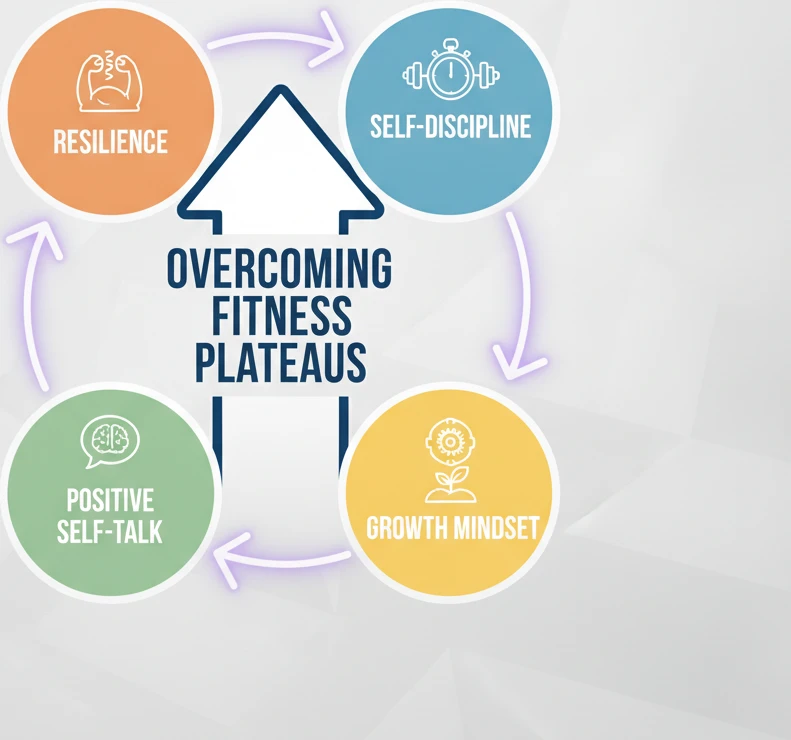
To practically integrate these principles, start by journaling your thoughts and feelings during challenging workouts or when facing temptations. Identify recurring negative patterns. Then, actively counter them with affirmative statements or reframes. For example, if you catch yourself thinking, “I can’t do this,” immediately replace it with, “I am capable of pushing through this challenge, and I will learn from the experience.” Set small, achievable process goals that focus on the action itself, rather than solely on the outcome. This could be completing a specific number of warm-up sets with focus, or adhering to your nutrition plan for 80% of the day. Finally, seek out an environment and a community that supports your growth. Working with a coach who understands the psychological aspects of training, like those at Forward Thinking Fitness, can provide invaluable external accountability and expert guidance. They can help you identify your unique mental barriers and equip you with tailored strategies to dismantle them, ensuring your journey is one of continuous progress and empowerment. Building this internal strength is a continuous process, and understanding how to foster it is key to unlocking your full potential. For further exploration into strategies for strengthening your inner drive, delve into articles on defeating doubt and pushing the pace, which offer detailed guidance.
Performance Nutrition: Fueling Your Body for a High-Performance Life.
The saying “you are what you eat” is more than a cliché; it’s a fundamental truth when it comes to optimizing your body for high-performance living. Your nutritional intake is the primary determinant of your energy levels, recovery speed, body composition, and overall health. For individuals aiming to break through plateaus and achieve peak physical and mental output, a strategic approach to nutrition is non-negotiable. This isn’t about restrictive dieting or trendy, unsustainable meal plans. Instead, it’s about understanding the intricate relationship between the food you consume and your body’s ability to perform at its highest level. Performance nutrition is a science-based discipline focused on maximizing your physiological potential through smart food choices. It involves calibrating macronutrient ratios, prioritizing nutrient-dense foods, and understanding the timing of your meals to support your training demands and recovery needs. When done correctly, it acts as a powerful lever, amplifying the results of your training and supporting your long-term health goals. Embracing this philosophy means viewing food as fuel and medicine, not just sustenance or indulgence.
The cornerstone of effective performance nutrition lies in nutrient density. This means choosing foods that provide a high amount of vitamins, minerals, and other beneficial compounds relative to their calorie content. Think vibrant fruits and vegetables, lean proteins, healthy fats, and complex carbohydrates. Conversely, processed foods, sugary drinks, and excessive saturated fats can hinder your progress by contributing to inflammation, poor energy regulation, and suboptimal recovery. Beyond general principles, personalization is key. Your unique metabolic rate, training intensity, body composition goals, and even genetic predispositions will influence your ideal dietary strategy. For example, an endurance athlete will have different macronutrient needs than someone focused on building maximum muscle mass. Similarly, individuals managing specific health conditions, such as insulin resistance or metabolic syndrome, require tailored nutritional interventions. This is where professional nutrition therapy, distinct from general dietary advice, becomes invaluable. A qualified nutritionist or registered dietitian can assess your individual needs and design a sustainable plan that aligns with your lifestyle and objectives, ensuring you’re not just eating right, but eating optimally for your specific performance goals. This personalized approach is what separates fleeting dietary trends from lasting lifestyle changes.
A significant pitfall in performance nutrition is the misunderstanding of macronutrients. Many people focus solely on protein for muscle growth or carbs for energy, neglecting the crucial role of healthy fats in hormone production, nutrient absorption, and overall cellular health. Likewise, underestimating the importance of micronutrients—vitamins and minerals—can lead to deficiencies that impair energy metabolism and recovery, even if calorie and macronutrient targets are met. An example of this might be someone diligently tracking their protein intake but consistently feeling fatigued and experiencing poor sleep due to a lack of magnesium or vitamin D. Another common error is inconsistent adherence. The best nutrition plan is the one you can stick to. This means finding strategies that fit your schedule, preferences, and budget. Opting for complex, time-consuming meals when you have limited time will inevitably lead to failure. Instead, focus on batch cooking, simple meal preparations, and readily available healthy snacks. For instance, instead of preparing a gourmet salad daily, having pre-portioned containers of grilled chicken, quinoa, and roasted vegetables ready to go can make a significant difference in consistency. This practical application ensures that your nutritional strategy supports, rather than sabotages, your high-performance lifestyle. Remember, sustainability is the ultimate measure of success in performance nutrition.
Actionable steps towards optimizing your performance nutrition begin with a thorough assessment. Understand your current eating habits, energy levels throughout the day, and any digestive issues. Tracking your food intake for a week, without judgment, can reveal surprising insights into your dietary patterns. Next, prioritize whole, unprocessed foods. Make it a habit to fill half your plate with vegetables at every meal, include a lean protein source, and choose complex carbohydrates for sustained energy. Hydration is also a critical, often overlooked, component; aim for at least 2-3 liters of water daily, adjusting based on activity level and climate. For those seeking a more precise and personalized approach, consulting with a professional in nutrition therapy can unlock significant advancements. They can help you tailor your intake to specific training phases, optimize your body composition, and address any underlying nutritional deficiencies. For example, a professional can help determine the optimal timing for your carbohydrate intake to maximize workout performance and recovery. Embracing these principles is not just about looking better; it’s about feeling better, performing stronger, and cultivating a robust foundation for lifelong health and vitality, paving the way for hypertrophy and discipline.
Alternatives to ‘Tox-Fit’ (and When to Choose Them).
The term ‘tox-fit’ often refers to fitness culture elements that promote unhealthy obsession, body shaming, extreme restriction, overtraining, or a generally negative and unsustainable approach to health. These trends, often amplified by social media, can lead to burnout, injury, and a distorted relationship with exercise and food. Fortunately, there are numerous healthier, more sustainable alternatives that prioritize well-being over fleeting trends. The key is to identify approaches that align with your values, lifestyle, and long-term health goals, rather than chasing the latest, often harmful, fitness fad. We champion a methodology that emphasizes evidence-based coaching, personalized programming, and a holistic view of health, encompassing physical, mental, and emotional well-being. This means steering clear of environments that foster comparison, guilt, or shame, and instead embracing practices that build confidence, resilience, and a genuine love for movement and healthy living. Choosing the right fitness path is a critical decision that impacts your overall quality of life.
One primary alternative is functional strength training. Unlike some ‘tox-fit’ approaches that focus on isolated aesthetics or high-impact, repetitive movements, functional training emphasizes exercises that mimic real-life activities. This builds practical strength, improves coordination, enhances balance, and reduces the risk of injury. Think compound movements like squats, deadlifts, presses, and carries, which engage multiple muscle groups simultaneously. This approach is not only highly effective for building a strong, capable body but also fosters a sense of empowerment and competence. Another valuable alternative is a structured nutrition therapy program. Instead of restrictive diets that promise rapid weight loss but often lead to nutrient deficiencies and metabolic damage, nutrition therapy focuses on creating sustainable eating patterns that support your body’s needs and health goals. This includes understanding your individual requirements, making informed food choices, and developing a positive relationship with food. This is particularly relevant for individuals exploring options like GLP-1 medications, where proper nutritional support is paramount for preserving muscle mass and metabolic health. For those seeking guidance in this area, seeking out professionals who understand the interplay between nutrition and medication is crucial.
A significant pitfall when considering alternatives is falling for “greener grass” syndrome, constantly jumping from one new trend to another without giving any approach a fair chance to work. For example, someone might try a new “fat-burning” workout program for two weeks, get discouraged by the lack of immediate dramatic results, and then switch to a different, equally unproven, method. This lack of commitment prevents them from experiencing the true benefits of any well-designed program. Another pitfall is mistaking intensity for effectiveness. Some ‘tox-fit’ environments glorify extreme workouts that push individuals to their physical limits daily, often disregarding recovery needs. While intense training has its place, it must be balanced with adequate rest and recovery to prevent overtraining and injury. A classic example would be attending high-intensity interval training classes every single day without incorporating rest days or lower-intensity movement, leading to burnout and diminished returns. The choice of an alternative should be driven by long-term sustainability and overall health, not just the immediate thrill or perceived difficulty. Prioritizing personalized systems over generic trends ensures that your fitness journey is uniquely yours and built for lasting success.
When choosing an alternative to ‘tox-fit’ methodologies, consider several decision criteria. Alignment with long-term goals is paramount: does this approach support your desire for sustainable health, energy, and longevity, or is it focused on short-term aesthetics? Professional expertise is another crucial factor. Are you being guided by qualified professionals who prioritize safety, evidence-based practices, and your individual needs, or by influencers promoting unverified claims? Look for facilities or programs that offer real accountability, helping you stay on track through personalized support and objective progress monitoring. Finally, assess the program’s emphasis on holistic well-being. Does it address not only physical fitness but also mental resilience, nutrition, and recovery? An excellent example of choosing a better path can be seen in individuals who transition from high-impact, competitive fitness environments that led to injury, to a structured functional strength training program in a supportive setting like Forward Thinking Fitness. They often find that by focusing on intelligent programming and professional guidance, they achieve better results with significantly less risk and a more positive overall experience. For those interested in mastering functional strength, exploring resources on functional strength secrets can provide valuable insights into effective training methodologies.
The GLP-1 Equation: Preserving Muscle and Metabolic Health.
The emergence and widespread use of GLP-1 receptor agonists (like semaglutide and tirzepatide) represent a significant advancement in managing weight and metabolic health for millions. However, a critical, often overlooked, aspect of this therapeutic journey is the potential for unintended muscle loss and the subsequent impact on metabolic rate. GLP-1 medications are highly effective at promoting satiety and reducing caloric intake, which naturally leads to weight loss. The challenge arises because this weight loss can include a significant percentage of lean muscle mass, not just adipose tissue. Losing muscle mass can decrease your resting metabolic rate, making it harder to maintain weight loss long-term and potentially hindering overall functional capacity. Therefore, a proactive strategy focusing on muscle preservation and metabolic health is not just beneficial—it’s essential for individuals utilizing these medications to achieve sustainable, positive outcomes. This requires a sophisticated, integrated approach that combines targeted training, precise nutrition, and expert guidance.
The cornerstone of preserving muscle mass while on GLP-1 medications is a consistent and appropriate stimulus for muscle protein synthesis. This means prioritizing resistance training as a non-negotiable component of your regimen. Engaging in progressive overload, where you gradually increase the demands placed on your muscles over time, is key. This can be achieved through various forms of training, including functional strength training, hypertrophy-focused workouts, or even circuit-style training that incorporates resistance. The goal is to signal to your body that muscle tissue is needed and should be preserved, even in a caloric deficit. Equally critical is adequate protein intake. When calories are restricted, ensuring sufficient protein consumption helps to provide the amino acid building blocks necessary for muscle repair and growth. A common recommendation is to aim for higher protein percentages within your overall caloric intake, often ranging from 1.6 to 2.2 grams of protein per kilogram of body weight, depending on activity levels and individual response. Working with professionals experienced in GLP-1 support is vital to navigate these specifics.
A major pitfall when using GLP-1 medications without a comprehensive strategy is the assumption that the medication alone will solve all metabolic issues. This can lead to a passive approach where individuals neglect crucial lifestyle factors. For example, someone might rely solely on the drug for weight loss, failing to engage in regular exercise or prioritize protein intake, inadvertently accelerating muscle loss and slowing their metabolism. This scenario can make long-term weight maintenance significantly more challenging and negatively impact body composition. Another pitfall is underestimating the role of holistic habit formation. GLP-1s are powerful tools, but they are most effective when integrated into a lifestyle that already supports healthy habits. Focusing on sleep, stress management, and consistent hydration can further enhance metabolic function and support overall well-being during medication use. An example might be a client who, upon starting GLP-1 therapy, also committed to attending personalized training sessions twice weekly and consistently consumed at least 30 grams of protein per meal. This dual approach led to significant weight loss with minimal loss of lean muscle mass, evidenced by their sustained strength and improved body composition metrics over a six-month period. This proactive strategy ensures the medication serves as an enhancer, not a replacement, for healthy lifestyle practices.
To effectively manage the GLP-1 equation, implement these actionable steps. First, consult with healthcare professionals experienced in managing patients on GLP-1 medications, ideally those who understand the interplay of exercise and nutrition. They can help establish personalized protein targets and guide your exercise programming. Prioritize resistance training at least 2-3 times per week, focusing on compound movements and progressive overload. Ensure each meal contains a quality protein source, and consider a protein supplement if meeting targets through whole foods alone is challenging. Regularly monitor your body composition—not just weight—through methods like DEXA scans or bioimpedance analysis to track changes in lean muscle mass and body fat. This data provides objective feedback on the effectiveness of your strategy. Finally, embrace sustainable lifestyle integration. GLP-1 medications are often part of a longer-term strategy, so building habits that support muscle preservation and metabolic health independently of the medication will be key for sustained success. For individuals looking to optimize their training for results that complement their metabolic health journey, understanding how to build hypertrophy and discipline is particularly relevant.
From ‘Maybe Someday’ to ‘Here and Now’: Building Sustainable Habits.
The allure of a “better you” often gets lost in the cycle of aspiration and inaction. Many envision a future self who is stronger, more energetic, and consistently healthy, yet the bridge between that vision and present reality feels insurmountable. This chasm is typically bridged not by grand, sweeping gestures, but by the steady, deliberate construction of sustainable habits. It’s about shifting from a mindset of “I’ll do it eventually” to one of “I am doing it now.” The key decision criteria for habit formation revolve around simplicity, consistency, and alignment with your core values. A habit that requires monumental effort every single day is destined to fail. Instead, focus on small, manageable actions that can be integrated seamlessly into your existing routine. Consider the pitfalls: aiming too high too soon, relying solely on willpower, and neglecting to build a supportive environment. For instance, a common mistake is committing to an hour-long workout daily when you’re currently sedentary; a more sustainable approach might be a 15-minute walk after dinner, gradually increasing duration and intensity. True progress stems from embracing discipline over fleeting motivation, understanding that consistency, even on imperfect days, builds the foundation for lasting change.
Actionable steps for building these habits begin with introspection. Identify *why* you want to change and what specific outcomes you’re seeking. This clarity fuels your commitment. Next, break down your larger goals into micro-actions. If your goal is body recomposition, a micro-habit could be drinking a glass of water immediately upon waking, or prepping your lunch the night before. Integrate new habits with existing routines—a practice known as habit stacking. For example, if you already brush your teeth every morning, stack a minute of mindfulness practice immediately after. Don’t underestimate the power of environmental design; lay out your workout clothes the night before or keep healthy snacks visible and easily accessible. Furthermore, actively seek out accountability. This could be a training partner, a coach, or a journaling practice. The critical element is having a mechanism that keeps you honest and provides feedback. Remember, habit formation is a marathon, not a sprint. Celebrate small wins, learn from setbacks without judgment, and consistently refine your approach based on what works best for your unique lifestyle. This commitment to continuous, small improvements is what separates temporary fixes from genuine, long-term transformation.
Your Personalized Path to Transformation: The FTFstrong Difference.
Generic fitness advice and one-size-fits-all programs are casualties of the past. In today’s landscape, true transformation demands a deeply personalized approach. At FTFstrong, we recognize that your journey is unique, shaped by your physiology, lifestyle, mental blocks, and specific aspirations. This is why our methodology centers on evidence-based coaching tailored to your individual blueprint. We move beyond superficial metrics to address the root causes of your plateaus, whether they stem from nutritional imbalances, suboptimal training strategies, or ingrained mental barriers. Our team of high-level professionals, including certified nutritionists and strength coaches, acts as your dedicated guides, ensuring every recommendation is scientifically sound and perfectly aligned with your goals. The decision criteria for choosing a personalized program should focus on the depth of expertise offered and the commitment to a holistic approach. Many facilities offer a workout; we offer a complete recalibration of your physical and mental approach to health and performance. We delve into the intricacies of your metabolism, your movement patterns, and your mindset to construct a program that is not just effective, but also sustainable and deeply satisfying.
The pitfalls of generic programming are numerous and often lead to frustration and injury. You might spend months following a popular online workout plan only to see minimal results, or worse, develop pain. This is often because the plan doesn’t account for your individual biomechanics, recovery capacity, or specific nutritional needs, especially if you are navigating the use of GLP-1 medications where muscle preservation is paramount. Our commitment at FTFstrong is to provide structure without the rigid, often toxic, adherence to outdated fitness trends. We champion functional strength training, not just for aesthetics, but for practical application in everyday life, enhancing longevity and independence. We integrate nutrition therapy as a cornerstone, understanding that fueling your body correctly is as critical as the training itself. Our online coaching services bring this premium, personalized experience directly to you, wherever you are in the Lehigh Valley and beyond. For example, a busy professional in Allentown struggling with energy levels might receive a customized nutrition plan and short, high-impact workouts designed to fit into their demanding schedule, rather than being prescribed a generic gym routine they’ll never have time for.
Real Progress, Real People: A Glimpse into FTFstrong’s Impact.
The most compelling testament to any fitness philosophy is the tangible, life-altering results experienced by its clients. At FTFstrong, we are proud to showcase transformations that go far beyond the scale. Our clients, from busy professionals in Emmaus to parents in Bethlehem, are not just losing weight; they are gaining confidence, reclaiming energy, and building lasting resilience. We focus on body recomposition—optimizing body fat and muscle mass—through intelligent training and precise nutrition therapy. One client, a former athlete in Macungie, struggled to regain a sense of high performance after an injury. Through our tailored functional strength programming, they not only rebuilt their strength but also rediscovered their athletic identity, now training with more intelligence and less joint discomfort than ever before. Another, navigating GLP-1 medication support in Center Valley, was concerned about muscle loss. Our targeted approach ensured they preserved valuable muscle mass while supporting their metabolic health, preventing common side effects and achieving a healthier body composition.
The FTFstrong difference is most evident in the stories of individuals who had previously felt stuck, intimidated by mainstream gyms like Orangetheory Fitness, or disillusioned by fleeting fitness fads. We provide a sanctuary for those seeking genuine accountability and expert guidance. Consider a client from Fogelsville who initially felt overwhelmed by the prospect of starting strength training. Our semi-private training sessions offered a supportive environment where they received personalized attention from a dedicated personal trainer, building both physical strength and crucial mental fortitude. They learned proper form, understood the principles of progressive overload, and developed the discipline needed for consistent progress. This transformation wasn’t just about lifting heavier weights; it was about conquering self-doubt and embracing a new identity as a strong, capable individual. These are not isolated incidents; they are the consistent outcomes we achieve for clients across the Lehigh Valley who are ready to ditch the “tox-fit” culture and embrace a sustainable, results-driven path to high-performance living.