

Busy adults often face a unique challenge when trying to incorporate fitness into their lives. The allure of readily available “one-size-fits-all” workout routines and diet plans can be strong, promising quick results with minimal fuss. However, for those juggling careers, family, and personal commitments, these generic approaches frequently fall short, leading to frustration and burnout rather than sustainable progress.
The reality is that effective fitness is deeply personal. Your body, schedule, goals, and even your recovery needs are unique. Relying on a template designed for a hypothetical individual often overlooks these crucial distinctions, setting you up for failure before you even begin. This article will explore the fundamental reasons why generic fitness plans fail busy adults and how a more personalized strategy can lead to lasting success.
Breaking Down the “One-Size-Fits-All” Fitness Illusion
Generic fitness plans, often found online or in mass-market publications, are designed to appeal to the broadest possible audience. This broad appeal inherently means they lack the specificity and adaptability required for individual success. A program that might work for a college student with ample free time and a high metabolism will almost certainly fail a working professional in Allentown with joint pain, limited time, and different metabolic needs. The pitfall here is assuming that just because a plan produced results for someone, it will produce results for everyone. Even reputable sources like the World Health Organization often provide general health guidelines, emphasizing that specific applications must consider individual circumstances.
One of the main decision criteria for identifying a generic plan is its lack of a thorough initial assessment. Does it ask about your medical history, current fitness level, previous injuries, stress levels, or even your daily energy patterns? If not, it’s likely a generalized template. For example, a 45-year-old busy professional in Bethlehem might try a popular high-intensity interval training (HIIT) program from social media. Without considering her pre-existing knee issues, chronic work stress, and limited sleep, the generic plan could lead to injury, increased fatigue, and demotivation. The actionable step here is to seek programs that begin with a comprehensive evaluation of your individual circumstances, tailoring intensity and exercise selection to your specific needs and limitations, ultimately prioritizing a sustainable and adaptable strategy over a rigid, idealized one.

The Time Crunch: Why Generic Plans Don’t Fit Busy Schedules
Busy adults often find that generic fitness plans clash severely with their demanding schedules. These plans typically prescribe lengthy, multi-day workout routines that simply aren’t feasible for someone balancing professional responsibilities and family life in areas like Emmaus or Macungie. This mismatch between the plan’s demands and real-world availability often leads to skipped workouts, guilt, and ultimately, the abandonment of fitness goals. The underlying issue is that many generic programs prioritize volume over smart programming, failing to recognize that for busy individuals, every minute counts. A personalized approach, in contrast, focuses on maximizing the impact of shorter, targeted sessions.
Fitting Fitness into Your Demanding Day
Integrating fitness effectively requires strategic planning. Instead of chasing traditional hour-long gym sessions, busy adults can benefit immensely from micro-workouts throughout the day. A 10-minute bodyweight routine or a brisk walk during a lunch break can accumulate significant benefits. Scheduling these as non-negotiable appointments in your calendar can solidify commitment. The goal is to foster consistent, accessible habits, making fitness a practical part of your daily routine, even when time is scarce.
Optimizing Workouts for Maximum Efficiency, Not Just Duration
Efficiency is paramount when time is limited. Prioritizing compound movements like squats, deadlifts, and presses that engage multiple muscle groups simultaneously delivers greater results in less time. A well-designed program, often crafted by an expert coach, focuses on progressive intensity rather than simply adding more exercises. This ensures that even 30-minute sessions are highly productive, building strength and improving overall health effectively. The aim is to cultivate sustainable and impactful results from every minute spent.
Misaligned Goals: When Your “Why” Gets Lost in the How
Generic fitness plans often fail to align with an individual’s specific “why.” They present pre-defined routines without understanding what truly motivates you or your desired health outcomes. For instance, a plan focused on muscle hypertrophy is irrelevant if your primary goal is improved mobility for active aging in the Lehigh Valley. When prescribed activities don’t resonate with your personal aspirations, motivation quickly wanes, making exercise a chore. This fundamental misalignment between the program’s “how” and your personal “why” is a major driver of long-term disengagement from fitness.
Identifying Your True Fitness Priorities and Motivation
It’s crucial to identify your authentic fitness priorities. Are you aiming for sustainable
More Than Just Reps: The Overlooked Role of Nutrition and Recovery
Many generic fitness plans critically err by focusing almost exclusively on exercise, neglecting the vital pillars of nutrition and recovery. This narrow focus creates a significant imbalance, especially for busy adults already under various stressors. You can follow a workout plan perfectly, but if your diet isn’t supporting energy and repair, or if you’re chronically sleep-deprived, progress will inevitably stall. True fitness is a holistic endeavor, not just about reps and sets. Ignoring nutrition and recovery ensures suboptimal performance and often leads to exhaustion and frustration, hindering long-term success.
Fueling Your Body for Performance and Long-Term Health
Nutrition provides your body with essential building blocks and energy, specific to your activity level and metabolic health. Generic diets often push restrictive rules, which are unsustainable. A personalized approach, perhaps guided by a why recovery is crucial for adults over 40.
Ignoring Your Body’s Unique Needs: From Old Injuries to Mobility Gaps
The Dangers of Pushing Through Pain with Standard Routines
Generic fitness plans often overlook the critical aspect of individual physiological differences. For busy adults, this oversight can transform a quest for health into a cycle of pain and frustration. Routines that fail to account for pre-existing conditions like an old knee injury, a chronic shoulder impingement, or early-stage arthritis, risk exacerbating these issues rather than improving them. Pushing through pain, a common mantra in generic gym culture, is particularly detrimental; it can lead to further damage, prolonged recovery times, and ultimately, a complete halt to your fitness journey. A personalized approach, conversely, begins with a thorough assessment of your body’s unique history and current capabilities, ensuring exercises are modified to protect and strengthen vulnerable areas, allowing for safe and effective progressive overload without risking injury.
Adapting Exercise for Age-Related Changes and Specific Limitations
As adults age, the body undergoes natural changes that demand thoughtful consideration in exercise programming. Decreased joint cartilage, reduced bone density, and a natural decline in muscle mass and elasticity mean that what worked in your twenties may no longer be appropriate or safe. Standard routines rarely incorporate the necessary modifications for conditions like osteoarthritis or reduced range of motion. Effective fitness for adults over 40 prioritizes exercises that enhance mobility, improve balance, and build functional strength, which are vital for daily living and injury prevention. Furthermore, a tailored plan includes specific warm-ups, cool-downs, and dedicated recovery protocols, acknowledging the body’s altered response to physical stress and the importance of allowing sufficient time for repair and adaptation. Understanding
The Accountability Gap: Why Motivation Alone Isn’t Enough for Busy Adults
The Power of a Dedicated Coach to Keep You on Track
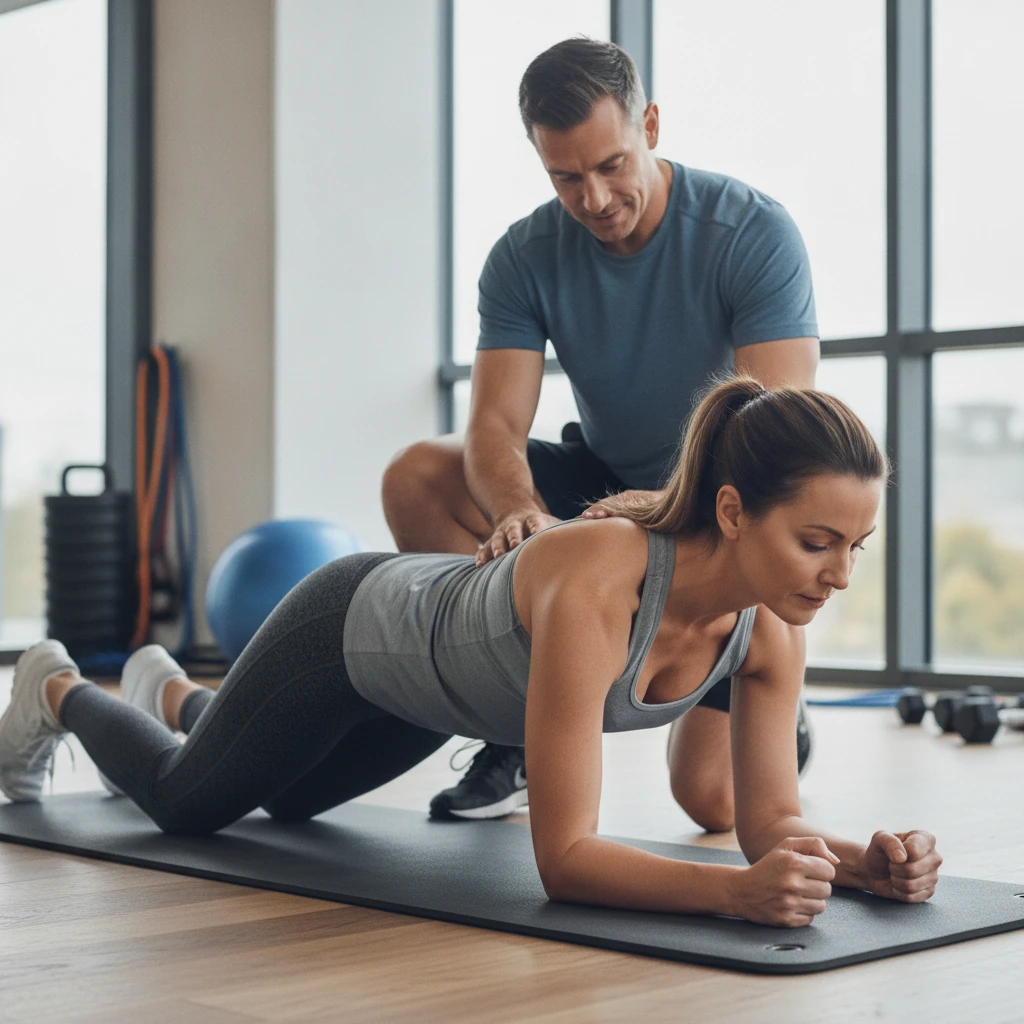
For many busy adults, motivation ebbs and flows, often receding when life gets particularly hectic. Relying solely on willpower for consistent fitness is a common pitfall. This is where a dedicated fitness coach becomes invaluable, providing essential external accountability and a structured framework. A coach does more than just demonstrate exercises; they become a strategic partner who helps identify and dismantle barriers, sets realistic, achievable goals, and consistently adjusts the plan as your life evolves. This ongoing support ensures you stay engaged and committed, transforming sporadic efforts into a consistent routine. The right coach provides the strategic planning and encouragement needed to navigate life’s demands while prioritizing your health. Discovering time blocking your exercise sessions, breaking down large goals into smaller, achievable steps, and creating environmental cues that promote healthy choices. Even shorter, well-structured workouts consistently performed yield superior results to sporadic, high-intensity sessions. A coach helps you establish these essential habits, providing tools like realistic scheduling, goal setting, and strategies for overcoming inevitable setbacks, ensuring that your wellness routine becomes an ingrained part of your lifestyle, not an optional extra.
What a Truly Personalized Fitness Journey Looks Like
Tailoring Workouts to Your Strengths, Weaknesses, and Schedule
A truly personalized fitness journey begins with a comprehensive assessment that delves into your past medical history, current fitness level, lifestyle demands, and specific aspirations. This initial consultation, often including movement screens, informs the creation of a program meticulously designed around your unique fitness levels, addressing both strengths and identified weaknesses. Whether your goal is weight loss, building specific strength, or preparing for a physical challenge, exercises are selected and progressed with careful consideration for your body’s response and your available time. This dynamic approach means your workout plan evolves with you, incorporating feedback and adapting to life’s inevitable changes, ensuring every session is efficient, effective, and aligns perfectly with your individual needs and schedule.
Integrating Nutrition and Wellness for Holistic, Lasting Results
Achieving lasting health extends far beyond just physical exercise; it requires a holistic integration of nutrition and overall wellness. A personalized approach to fitness recognizes that diet plays a pivotal role in energy levels, recovery, and body composition. This includes developing nutrition plans that are not only effective but also realistic, accommodating dietary preferences, existing health conditions, and the demands of a busy lifestyle. Beyond food, a comprehensive wellness strategy addresses crucial elements such as adequate sleep, effective stress management techniques, proper hydration, and targeted recovery methods. These interconnected factors collectively contribute to metabolic health, enhance physical performance, and support sustainable, long-term well-being, moving beyond fragmented approaches to a truly integrated health strategy. Learning
extends to understanding and implementing these integrated strategies, making a significant difference in achieving sustainable health outcomes.
Your Path to Sustainable Health in the Lehigh Valley
Embarking on a journey towards sustainable health within the vibrant communities of the Lehigh Valley means tapping into local expertise and resources that understand your unique lifestyle. Whether you’re navigating the demands of a professional career in Allentown, raising a family in Bethlehem, or enjoying the scenic beauty of Easton, your path to well-being is distinctly yours. A dedicated fitness and wellness partner in the region can provide the tailored guidance needed to integrate these holistic principles into your daily life, offering personalized coaching, nutrition advice, and stress reduction techniques designed for the local rhythm.
Achieving sustainable health is not merely about reaching a fitness goal; it’s about cultivating habits and a mindset that supports lifelong vitality. For residents across the Lehigh Valley, this means finding a system that adapts to local challenges, such as seasonal weather changes affecting outdoor activities or balancing social commitments with health priorities. By focusing on personalized plans that consider these regional nuances, alongside consistent professional support, you can establish an enduring foundation for health, allowing you to thrive and fully enjoy everything the Lehigh Valley has to offer, from its bustling downtowns to its serene natural parks.