

Embarking on a fitness journey often starts with enthusiasm, but sustaining progress can feel like navigating a maze of dead ends. Many adults find themselves repeatedly hitting the same obstacles, from a lack of consistent motivation to confusing advice that yields no real results.
If your current fitness efforts feel stagnant, or if you’re struggling to translate your goals into tangible achievements, it might be time to consider a different approach. Unpacking these persistent challenges is the first step toward finding a sustainable solution for your long-term health and wellness.
Are You Hitting the Same Fitness Walls?
Common Frustrations Keeping You Stuck
Many adults, especially those balancing busy professional and personal lives, encounter recurring frustrations that impede their fitness progress. Perhaps you commit to a new routine only to find your motivation waning after a few weeks, or you consistently struggle to carve out dedicated time for exercise. A common scenario is feeling overwhelmed by conflicting information online, leading to paralysis by analysis. You might also be battling persistent injuries or discomfort, making certain movements daunting. For individuals in areas like Allentown or Bethlehem, the challenge often lies in finding a program that genuinely fits a demanding lifestyle, rather than being another generic attempt. These walls aren’t a reflection of your commitment but often highlight a need for structured guidance.
When Self-Directed Efforts Aren’t Enough
While self-motivation is commendable, relying solely on self-directed efforts for significant, sustainable fitness transformation can lead to common pitfalls. Without objective feedback, you might unknowingly be using incorrect form, increasing injury risk and decreasing effectiveness. Many individuals also struggle with proper progression, either doing too much too soon or not challenging themselves enough to stimulate adaptation. The lack of external accountability can make it easier to skip workouts or deviate from nutritional goals, derailing consistency. If you’ve tried various diets, workout apps, or gym memberships without achieving lasting results, it suggests that your self-directed approach may lack the personalized strategy and sustained support necessary to truly break through your unique barriers. For many, this is the pivotal moment to consider when to consider a personal trainer in Lehigh Valley.

Understanding the Power of a Personalized Fitness Coach
Beyond Generic Workouts: Why Custom Matters
The fitness industry is saturated with generic workout plans promising universal results, but these often overlook the crucial element of individuality. A personalized fitness coach moves beyond one-size-fits-all programs by meticulously assessing your current fitness level, medical history, lifestyle, specific goals, and even your preferences. This tailored approach ensures that every exercise, every set, and every rep is designed to be effective, safe, and sustainable for your unique body and circumstances. For instance, an individual with knee issues in Emmaus won’t receive the same leg day routine as an athlete training for a marathon. This customization not only optimizes results but also significantly reduces the risk of injury and boosts adherence because the plan feels genuinely relevant to you. It’s about building a blueprint that specifically addresses your strengths, weaknesses, and aspirations.
The Coach-Client Relationship: A Partnership for Progress
The foundation of effective fitness coaching lies in a robust coach-client relationship—a true partnership built on trust, communication, and mutual commitment. Your coach acts as more than just an instructor; they become a mentor, an educator, and a dedicated advocate for your success. This relationship involves regular check-ins, performance reviews, and open dialogue to understand your challenges and celebrate your victories. A good coach empowers you with knowledge, teaching you the “why” behind your program, which fosters a deeper understanding and long-term independence. You’re not just following orders; you’re actively collaborating on your fitness journey, providing feedback, and taking ownership. This dynamic ensures that your program evolves with you, adapting to life’s changes and keeping you aligned with your evolving goals.
How Coaching Tackles Key Fitness Obstacles
Overcoming Lack of Motivation with Accountability
One of the most pervasive fitness obstacles is a fluctuating motivation, often leading to inconsistency. A fitness coach provides a critical layer of external accountability that is difficult to replicate on your own. Knowing you have scheduled sessions, progress check-ins, and a dedicated professional tracking your journey creates a powerful incentive to stay on track. Coaches help clients set clear, manageable goals and provide consistent encouragement, breaking down larger aspirations into achievable steps. This structured support system helps individuals in the Lehigh Valley, from Whitehall to Fogelsville, push past moments of self-doubt or procrastination. Beyond mere attendance, a coach also teaches strategies for intrinsic motivation and helps identify underlying barriers, ensuring you develop lasting habits. For more insights into staying committed, explore how a coach can keep you consistent with fitness goals.
Decoding Confusing Information with Expert Guidance
The digital age has brought an explosion of fitness information, much of it contradictory, unverified, or irrelevant to individual needs. This “infobesity” can lead to confusion, misguided efforts, and wasted time. A professional fitness coach serves as your expert filter, providing evidence-based guidance tailored specifically to you. They can decipher complex scientific principles into actionable advice, clarifying proper exercise techniques, nutrition fundamentals, and recovery strategies. This eliminates the guesswork and allows you to focus your energy on what truly works. Instead of sifting through countless articles and videos, you receive a clear, concise roadmap designed by someone with specialized knowledge in exercise science and physiology, helping you make informed decisions about your health journey.
Breaking Through Plateaus with Targeted Strategies
Hitting a fitness plateau—a period where progress stalls despite continued effort—is a common and frustrating obstacle. This often occurs when the body has adapted to a particular routine, requiring a change in stimulus. A skilled coach excels at identifying the reasons behind a plateau, which can range from insufficient progressive overload, inadequate recovery, or nutritional imbalances. They then implement targeted strategies to reignite progress. This might involve adjusting exercise variations, increasing intensity or volume, modifying training splits, or refining nutritional intake. Coaches understand the principles of periodization and progressive overload, ensuring your body is continually challenged appropriately. With a coach, plateaus become temporary hurdles, not impenetrable walls, as they provide the analytical insight and strategic adjustments needed to keep you moving forward. You can learn more about general health and activity guidelines at resources like the Centers for Disease Control and Prevention.
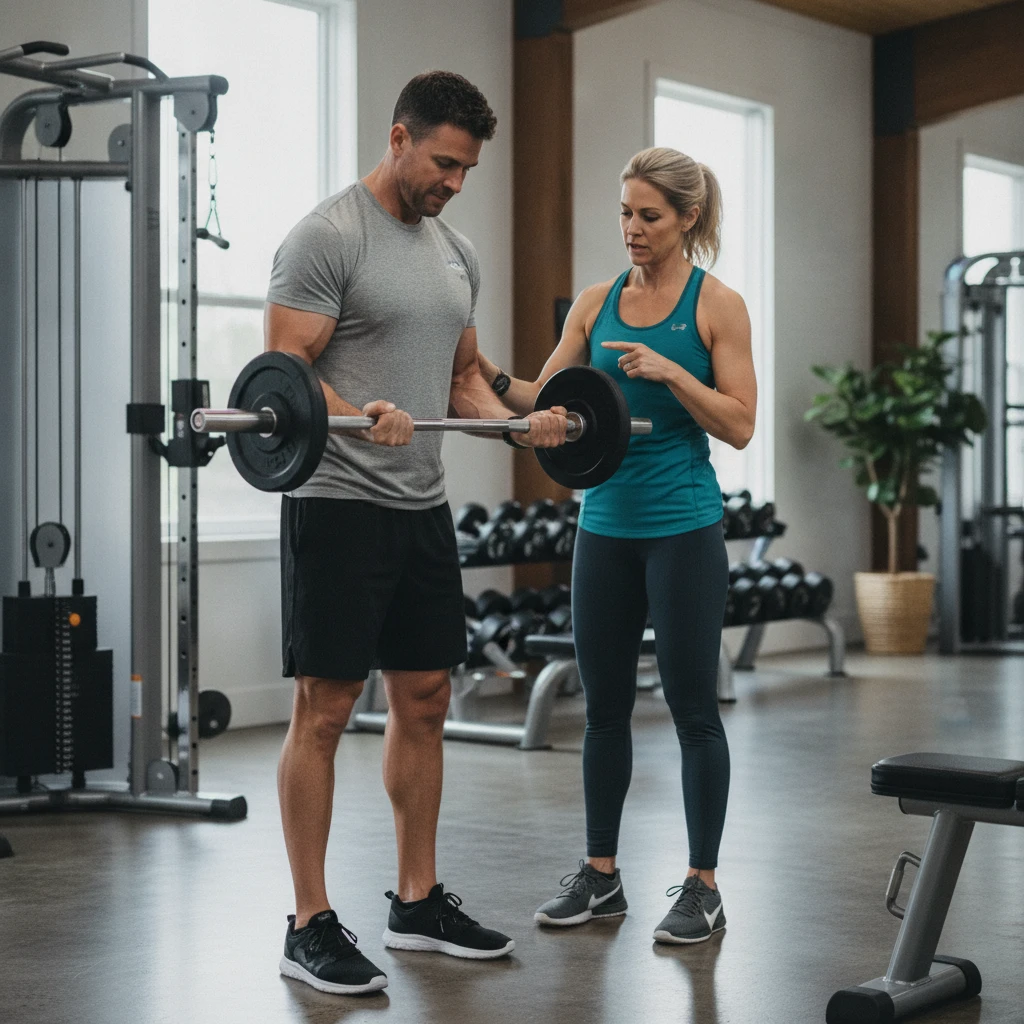
Tailored Strategies: Your Blueprint for Success
Crafting Realistic and Achievable Goals
One of the most significant roles a fitness coach plays is helping you define and refine your fitness goals. Vague aspirations like “get fit” are often too broad to be actionable. A coach works with you to establish SMART goals: Specific, Measurable, Achievable, Relevant, and Time-bound. For example, instead of “lose weight,” a coach might help you set a goal like, “Reduce body fat percentage by 3% and increase deadlift max by 20 pounds within 16 weeks, by consistently following a strength training program four times a week and adhering to a protein-rich nutrition plan.” This clarity provides a definitive target and a clear pathway, making your journey purposeful and progress trackable. They help ensure your goals are challenging yet realistic, fostering confidence and reducing the risk of burnout.
Developing an Exercise Plan That Fits Your Life
Sustainability in fitness hinges on integration into your daily life, not disruption. A personalized fitness coach understands the demands of a busy schedule, especially for professionals in areas like Trexlertown or Orefield. They excel at developing exercise plans that are not only effective but also highly adaptable. This involves considering your work hours, family commitments, travel, and energy levels to design a routine that you can realistically stick to. It might mean shorter, more frequent sessions, home workouts, or smart utilization of lunch breaks. The goal is to create a blueprint that supports consistency without adding undue stress, ultimately answering the question of how can busy adults fit fitness into their day. This careful integration transforms exercise from a chore into a seamless, enjoyable part of your regular routine, making long-term adherence genuinely possible.
Integrating Nutrition and Wellness for Holistic Results
Achieving optimal fitness goes far beyond just physical exercise; it encompasses a holistic approach to wellness. A comprehensive fitness coach integrates crucial elements like nutrition, sleep, stress management, and hydration into your overall plan. While a coach provides general nutritional guidance and principles, they understand when specialized support is needed. For instance, for complex dietary needs or medical conditions, they may recommend consulting with a registered dietitian or a medical professional. This ensures a cohesive strategy where proper fuel supports your workouts, adequate sleep aids recovery, and stress reduction promotes mental well-being, all contributing to superior results. This integrated approach creates a synergistic effect, where improvements in one area amplify progress in another, leading to a truly transformative and sustainable lifestyle.
More Than Just Workouts: The Mindset Shift
While physical exertion forms the bedrock of any fitness regimen, the true transformation often begins with a fundamental mindset shift. Coaching extends beyond prescribing exercises; it cultivates a mental framework that supports long-term adherence and resilience. Many adults face internal battles—self-doubt, procrastination, or fear of failure—that physical training alone cannot resolve. A skilled fitness coach acts as a guide, helping to reframe these psychological barriers into stepping stones towards progress and sustainable health. This holistic approach recognizes that fitness is as much a mental game as it is a physical one, empowering individuals to tackle not just their workouts, but their entire relationship with health and wellness.
Building Confidence and Self-Efficacy
A crucial aspect of a coaching relationship is the deliberate focus on building confidence and self-efficacy—the belief in one’s ability to succeed in specific situations. Many individuals start their fitness journey feeling overwhelmed or inadequate, often due to past failures or unrealistic expectations. A coach breaks down large, daunting goals into smaller, achievable milestones, allowing clients to experience regular successes. This incremental progress, coupled with positive reinforcement, gradually strengthens their belief in their capabilities. For example, a client who struggled with consistent exercise might initially commit to just two structured sessions a week. As they consistently meet this goal, their coach can then help them incrementally increase volume or intensity, reinforcing their growing sense of mastery and encouraging them to tackle new challenges without fear.
Developing Sustainable Habits for Long-Term Health
Coaching is instrumental in developing sustainable habits that underpin long-term health, moving beyond temporary fixes or crash programs. The focus shifts from short-term results to integrating consistent, healthy behaviors into daily life. Coaches work with clients to identify current lifestyle patterns, pinpoint potential triggers for unhealthy choices, and co-create realistic, actionable routines. This includes not only exercise but also nutrition, sleep, and stress management. The accountability provided by a coach, through regular check-ins and progress discussions, helps cement these new behaviors, making them second nature. Understanding how a coach can keep you consistent with fitness goals is vital for building this foundational consistency, ensuring that healthy choices become an automatic part of your routine rather than a constant battle.
Navigating Setbacks and Staying Resilient
Setbacks are an inevitable part of any fitness journey, whether it’s a missed workout, an injury, or a period of decreased motivation. The distinction between those who give up and those who persevere often lies in their resilience and ability to navigate these challenges. A coach provides an invaluable external perspective during difficult times, helping clients to reframe “failures” as learning opportunities. They assist in problem-solving, adjusting plans when necessary, and offering encouragement to reignite motivation. This consistent support ensures that minor deviations do not derail the entire journey, fostering a mindset where obstacles are viewed as temporary rather than insurmountable. Learning from these experiences builds a stronger, more adaptive approach to health.
Is Fitness Coaching Right for Your Goals?
Deciding whether fitness coaching aligns with your personal objectives requires an honest assessment of your current situation, motivations, and aspirations. While the allure of a quick fix or a do-it-yourself approach might seem appealing, many adults find themselves stuck in cycles of inconsistency or plateaued progress. Coaching provides a structured, expert-led pathway designed to overcome these common hurdles, offering a bespoke solution that generic programs simply cannot match. It’s an investment in your health that prioritizes education, empowerment, and sustainable change, helping you achieve not just fitness milestones but a broader sense of wellbeing. Consider your desired depth of support and the complexity of your health goals when making this important decision.
Who Benefits Most from This Personalized Approach
Fitness coaching shines brightest for individuals who are seeking more than just a workout plan; they desire a truly personalized and holistic approach to their health. This includes busy professionals struggling to integrate fitness into demanding schedules, adults recovering from injuries or managing chronic conditions, or those who have reached a plateau with their current routine. Beginners who feel overwhelmed by the sheer volume of information benefit immensely from expert guidance, ensuring they build a strong, safe foundation. Additionally, individuals with specific performance goals, such as improving strength for daily tasks or preparing for an active vacation, find tailored programs highly effective. Anyone seeking sustainable weight management or improved metabolic health often thrives with the comprehensive support a coach offers. The World Health Organization (WHO) provides global health guidance that underscores the importance of personalized approaches to wellbeing for diverse populations, aligning with the tailored nature of fitness coaching.
Recognizing When You Need That Extra Push
Identifying the moment you need professional fitness coaching often comes down to specific indicators in your fitness journey. If you consistently struggle with motivation, accountability, or maintaining consistency, despite your best intentions, that’s a clear signal. You might also notice a lack of progress towards your goals, feel confused by conflicting fitness advice, or experience frequent injuries due to improper form. For many adults, particularly those navigating complex health needs or busy lives, the sheer volume of information available can be overwhelming, leading to analysis paralysis or ineffective efforts. If you find yourself repeatedly starting over, lacking structure, or feeling that you’re not optimizing your time and effort, an expert coach can provide the clarity and momentum you need to move forward decisively.
Finding Your Ideal Fitness Coach in the Lehigh Valley
Locating the right fitness coach is a pivotal step towards achieving your health and wellness goals, especially in a vibrant region like the Lehigh Valley. With numerous options available across Allentown, Bethlehem, and surrounding communities, knowing what to prioritize can make all the difference. Your ideal coach should not only possess the necessary qualifications and experience but also resonate with your personal style and specific objectives. This selection process is more than just reviewing résumés; it’s about finding a collaborative partner who understands your lifestyle and can adapt their approach to suit your unique needs. Taking the time to research and engage in initial consultations is a valuable investment in your future health.
Key Qualities to Look for in a Coach
When searching for a fitness coach, certain key qualities indicate their professional competence and effectiveness. Foremost among these are recognized certifications from reputable organizations such as the National Academy of Sports Medicine (NASM) or the American Council on Exercise (ACE), ensuring a foundational knowledge base. Experience is also crucial; look for coaches with a proven track record, especially with clients who share similar goals or demographic profiles. A good coach exhibits excellent communication skills, actively listening to your needs and explaining concepts clearly. They should also possess empathy, patience, and a genuine passion for helping others achieve their potential. Finally, consider their specialization—whether it’s strength training, nutrition guidance, or medical fitness expertise—to ensure it aligns with your specific needs.
Questions to Ask During Your Consultation
A consultation is your opportunity to evaluate a potential coach and ensure they are the right fit. Prepare a list of thoughtful questions to gauge their approach and philosophy. Essential inquiries include: “What is your coaching philosophy and how do you personalize programs?” “What experience do you have working with clients who have similar goals or challenges to mine?” “How do you track progress and adjust plans?” “What does your accountability system look like?” “What are your certifications and ongoing education?” Don’t forget to discuss logistics like scheduling, pricing structure, and cancellation policies. An effective consultation should feel like a two-way conversation, where the coach is as interested in understanding you as you are in understanding them. For more guidance, exploring how to choose your best personal trainer in Lehigh Valley can provide additional valuable insights.
Why a Local Connection Matters in Allentown, Bethlehem, and Beyond
For residents of the Lehigh Valley, choosing a local fitness coach offers distinct advantages that extend beyond mere convenience. A coach operating in Allentown, Bethlehem, Emmaus, or Whitehall possesses an inherent understanding of the local environment, including accessible gyms, outdoor spaces, and potential challenges specific to the area’s demographic. This local connection can facilitate easier in-person sessions, allowing for immediate feedback on form and technique, which is invaluable for progress and injury prevention. Furthermore, a local coach can be more attuned to your lifestyle, whether you’re a busy professional commuting through the valley or a parent juggling family responsibilities. This geographical proximity fosters a stronger sense of community and commitment, making it easier to stay engaged and consistent with your fitness journey.
What Your Coaching Journey Will Look Like
Embarking on a fitness coaching journey is a structured and progressive process designed to systematically move you towards your health and wellness goals. It’s not about receiving a generic workout sheet; it’s a dynamic partnership that evolves with your progress and adapts to your life. From the initial deep dive into your current state to the ongoing adjustments and celebrated milestones, every step is carefully considered to ensure efficacy and sustainability. Understanding this typical arc helps demystify the process and sets clear expectations for the dedicated support and guidance you will receive. This collaborative path ensures you’re never alone in tackling your fitness obstacles and celebrating your successes.
Initial Assessment and Goal Setting
Every effective coaching journey begins with a comprehensive initial assessment. This phase involves a thorough review of your health history, including past injuries, medical conditions, and current lifestyle habits. Physical assessments may include evaluating mobility, strength, and posture, alongside discussions about nutrition and sleep patterns. Crucially, this is where realistic and meaningful goals are established collaboratively. A good coach helps you define objectives that are Specific, Measurable, Achievable, Relevant, and Time-bound (SMART), ensuring clarity and focus. This foundational step is critical for developing a truly personalized plan that addresses your unique starting point and aspirations, setting a clear roadmap for success and measuring your progress effectively. Understanding why adults track body composition, not just weight, often becomes an important part of this initial phase.
Ongoing Support and Progress Tracking
Following the initial assessment and goal setting, your coaching journey transitions into a phase of consistent action, ongoing support, and meticulous progress tracking. This typically involves regular, scheduled coaching sessions—whether in-person or virtual—where exercises are performed, techniques refined, and challenges addressed. Your coach will continuously monitor your performance, adapting your program based on your body’s responses, recovery, and evolving capabilities. Beyond workouts, support often extends to nutritional guidance, lifestyle adjustments, and motivational check-ins, reinforcing positive behaviors. Transparent progress tracking, utilizing metrics beyond just weight, such as strength gains, improved body composition, or increased energy levels, keeps you motivated and ensures the plan remains effective and aligned with your long-term objectives. Regular communication is key, allowing for adjustments as life inevitably brings new demands.
The Lasting Impact: Beyond Short-Term Wins
Many individuals embark on fitness journeys with specific short-term goals, such as weight loss for an event or building muscle in a few months. While achieving these initial milestones is certainly rewarding, the true value of fitness coaching lies in its ability to foster sustainable habits and a profound shift in mindset that extends far beyond immediate objectives. A skilled coach doesn’t just prescribe workouts; they educate you on the ‘why’ behind each movement and nutritional choice, empowering you to understand your body better. This deep understanding builds self-efficacy, the belief in your capacity to execute tasks and achieve goals.
Coaching provides a structured framework for behavior change, helping you navigate common pitfalls like motivational dips or plateaus. They teach you how to adapt your routine, manage stress, and integrate fitness seamlessly into a busy adult lifestyle, preventing the common cycle of starting and stopping. This holistic approach ensures that progress isn’t just about fleeting results, but about cultivating a healthy identity. For instance, rather than simply losing 10 pounds, you become someone who consistently prioritizes their health, making informed decisions daily. This transition from “doing” fitness to “being” fit is the most significant and lasting impact a coach can offer.
Sustaining Momentum for Healthy Aging and Well-being
As adults in the Lehigh Valley navigate the complexities of aging, sustaining fitness momentum becomes crucial for long-term well-being and maintaining independence. A dedicated fitness coach helps clients proactively address age-related physiological changes, such as muscle mass decline (sarcopenia) and decreased bone density. They design programs that emphasize functional strength, balance, and mobility, which are vital for everyday activities and preventing falls. This isn’t about extreme workouts, but rather smart, progressive training tailored to individual needs and limitations.
Coaches also help integrate recovery strategies, like stretching or even recommending American College of Sports Medicine. This ongoing guidance means adapting goals and methods as life evolves, rather than adhering to a static plan that may no longer serve you. It’s about building a robust physical foundation that supports mental clarity and overall vitality for decades to come.
Empowering You to Maintain Your Progress Independently
A key objective of effective fitness coaching is to empower clients to eventually manage their own fitness journey independently. This involves more than just teaching exercises; it’s about imparting the knowledge and critical thinking skills necessary to make informed health decisions. Coaches educate clients on principles of exercise programming, nutrition basics, and effective recovery protocols, enabling them to understand why certain strategies work. For example, learning about progressive overload helps clients continue making strength gains without constant supervision.
One pitfall often seen is the reliance on external motivation; a good coach shifts this towards intrinsic motivation, helping you discover your personal drive. They equip you with tools to analyze your progress, adjust your routine based on feedback from your body, and troubleshoot common challenges. This empowerment fosters a sense of ownership over your health. An actionable step involves creating a personalized, flexible framework together that you can follow, modifying it as needed. This gradual transition builds confidence, ensuring you possess the autonomy to maintain your progress and adapt to new life circumstances long after formal coaching concludes.
Frequently Asked Questions About Fitness Coaching
How long does it take to see results with a fitness coach?
The timeline for seeing results with a fitness coach is highly individual, influenced by factors such as your starting point, consistency, and specific goals. While some individuals might notice improved energy levels or better sleep within a few weeks, more significant physical changes, like noticeable strength gains or body composition shifts, typically require 8-12 weeks of consistent effort. For substantial transformations, such as significant weight loss or building considerable muscle, a commitment of 6-12 months is often recommended. A coach helps you understand that “results” encompass more than just visible changes; they also include enhanced mobility, better endurance, and a stronger mindset. The journey is a process of continual improvement, not a race to a finish line.
Can a coach help with specific conditions like chronic pain or post-rehab?
Yes, a qualified fitness coach can certainly play a supportive role in managing specific conditions like chronic pain or facilitating post-rehabilitation recovery, but always in conjunction with medical professionals. Coaches specialized in medical fitness understand how to adapt exercises to avoid exacerbating pain, focusing instead on improving stability, strength, and range of motion around affected areas. They work within the guidelines provided by your doctor or physical therapist, ensuring that movements are safe and beneficial.
For instance, if you’re recovering from a knee injury, a coach can help progressively strengthen the surrounding muscles once cleared by your physical therapist, preventing re-injury and restoring function. The key is finding a coach with relevant experience and certifications who prioritizes client safety and collaboration with your healthcare team. It’s crucial to always disclose any medical conditions or limitations to your coach so they can tailor a suitable and safe program.
What’s the difference between a personal trainer and a fitness coach?
While the terms “personal trainer” and “fitness coach” are often used interchangeably, there are distinct differences in their scope and approach. A personal trainer typically focuses on the execution of exercise programs, ensuring proper form, technique, and progression within workouts. Their primary goal is to guide clients through physical training sessions.
A fitness coach, on the other hand, adopts a broader, more holistic perspective. While they certainly provide exercise guidance, a coach delves deeper into lifestyle factors, including nutrition, stress management, sleep, and mindset. They act as a partner in behavior change, offering accountability, problem-solving strategies, and education to help clients integrate fitness into their overall life. A coach aims to develop a client’s self-sufficiency, addressing obstacles beyond just the gym floor and fostering a sustainable, healthy lifestyle. Essentially, all fitness coaches are personal trainers, but not all personal trainers operate with the comprehensive scope of a true fitness coach, especially when it comes to supporting consistency with fitness goals.
Ultimately, investing in a fitness coach offers far more than just a workout plan; it provides a comprehensive partnership designed to cultivate enduring health habits, equip you with the knowledge to maintain your progress, and support your well-being for the long haul. This guidance helps transform short-term efforts into a sustainable lifestyle that empowers you to thrive.