
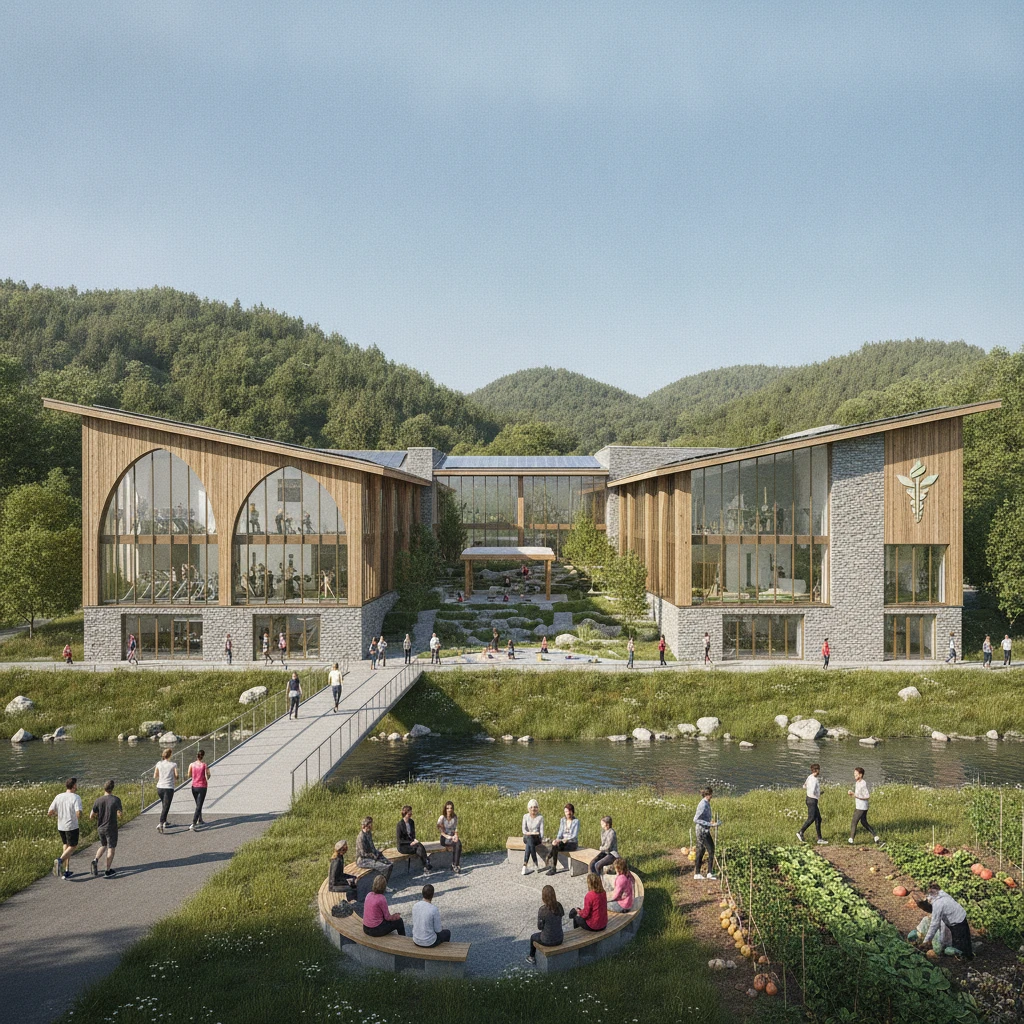
Achieving optimal health in adulthood extends far beyond sporadic gym visits or restrictive diets. For many in Allentown, the journey to lasting well-being requires a fundamental shift from fragmented approaches to an integrated wellness philosophy that addresses every facet of their lives.
This comprehensive perspective acknowledges that true vitality stems from the harmonious interplay of physical fitness, thoughtful nutrition, and robust metabolic health. By embracing this holistic view, adults aged 30-65 can cultivate sustainable habits that support not just a longer life, but a higher quality of life filled with energy and purpose.
Beyond Fragmented Fitness: Embracing a Holistic Health Philosophy in Allentown
Why ‘Quick Fixes’ Fall Short for Adults 30-65
The allure of quick fixes – rapid weight loss schemes, extreme detoxes, or short-term intense workout programs – often proves irresistible, yet consistently fails to deliver sustainable results for adults. These approaches typically target symptoms rather than root causes, leading to cycles of temporary success followed by regression. A major pitfall is their inherent unsustainability; they demand drastic, often unpleasant, changes that are incompatible with a busy professional lifestyle in Allentown. Decision criteria for avoiding these traps include questioning any program promising immediate, dramatic results without emphasizing long-term behavioral change, or those that demonize entire food groups. Focusing on fundamental, consistent improvements, even small ones, is far more effective for enduring health transformations.
The Synergy of Mind, Body, and Lifestyle for True Wellness
True wellness emerges from the seamless integration of mind, body, and lifestyle choices. Neglecting any one component compromises the others. For example, chronic stress (mind) can impair digestion and metabolism (body), making healthy eating habits (lifestyle) feel impossible. Conversely, consistent strength training (body) can reduce anxiety (mind) and improve sleep quality (lifestyle). Actionable steps include prioritizing adequate sleep, practicing stress-reduction techniques like mindfulness, and building a supportive social network alongside physical activity and balanced nutrition. This interconnectedness means that progress in one area often creates a positive ripple effect, establishing a powerful foundation for overall health and resilience.
The Foundation: Personalized Strength and Functional Movement for Adult Vitality
Tailoring Training to Individual Needs and Long-Term Goals
Generic fitness programs rarely account for the unique physiological demands and life stages of adults between 30 and 65. Effective training requires a personalized approach, carefully designed to address individual injury history, current fitness levels, and specific long-term aspirations. This might mean focusing on building foundational strength to support demanding work life, improving bone density for future health, or enhancing muscular endurance for recreational activities. When choosing a strength coach for adults, consider their expertise in program individualization and their understanding of age-related physiological changes. A well-designed plan evolves with you, ensuring that exercises remain challenging yet safe, promoting continuous progress and helping you realize benefits beyond just looking good, towards genuinely improving your capacity for life.
Enhancing Mobility and Preventing Age-Related Decline

Mobility, often overlooked, is a critical component of adult vitality, directly impacting independence and quality of life as we age. It refers to the active range of motion around a joint, which can diminish without targeted attention, leading to stiffness, pain, and increased risk of injury. Incorporating functional strength training for adults, focusing on movements like squats, lunges, pushes, and pulls, helps maintain and improve joint health and muscular elasticity. Actionable steps include regular stretching, dynamic warm-ups, and incorporating exercises that take joints through their full range of motion. By proactively enhancing mobility, adults can mitigate age-related decline, maintain freedom of movement, and enjoy a more active and pain-free existence in their daily lives.
Fueling Your Body: Strategic Nutrition for Sustained Energy and Optimal Health
Moving Beyond Dieting: Cultivating Sustainable Eating Habits
The concept of “dieting” often implies temporary restriction, a cycle that can undermine long-term health and foster an unhealthy relationship with food. Instead, adults should focus on cultivating sustainable eating habits that integrate seamlessly into their daily lives. This involves mindful eating, listening to the body’s hunger and satiety cues, and prioritizing nutrient-dense whole foods over processed options. A key decision criterion is whether a nutritional approach feels sustainable indefinitely, not just for a few weeks. Example: Rather than eliminating entire food groups, aim to add more vegetables and lean proteins to each meal. This shift from deprivation to thoughtful inclusion supports not only weight management but also consistent energy levels and a more positive overall well-being.
Understanding Macronutrients and Micronutrients for Lasting Wellness
A fundamental understanding of macronutrients (proteins, carbohydrates, fats) and micronutrients (vitamins, minerals) is essential for optimizing adult health. Proteins are vital for muscle repair and satiety, carbohydrates provide primary energy, and healthy fats support hormone production and nutrient absorption. Micronutrients, though needed in smaller amounts, are crucial for countless bodily functions, from immune support to metabolic processes. A common pitfall is overemphasizing one macronutrient while neglecting others, leading to imbalances. For instance, insufficient protein intake can hinder recovery and muscle maintenance. Strategic nutrition involves balancing these components to ensure the body receives the necessary building blocks and regulatory compounds for sustained energy and optimal physiological function.
Optimizing Metabolic Health: A Cornerstone of Longevity in the Lehigh Valley
Understanding Blood Sugar Regulation and Insulin Sensitivity
Metabolic health is profoundly influenced by how effectively your body regulates blood sugar and responds to insulin. After consuming carbohydrates, blood sugar levels rise, prompting the pancreas to release insulin, which helps cells absorb glucose for energy. Insulin sensitivity describes how well your cells respond to insulin; high sensitivity means less insulin is needed. Conversely, insulin resistance, where cells respond poorly, leads to higher blood sugar and insulin levels, a precursor to type 2 diabetes and other metabolic disorders. Lifestyle factors like consistent physical activity, balanced nutrition (especially managing refined carbohydrate intake), and stress reduction are critical actionable steps to maintain healthy blood sugar regulation and preserve insulin sensitivity as you age. Understanding metabolic health for long-term adult wellness is key.
The Role of Medical Fitness Programs in Proactive Health Management

For adults seeking proactive health management, particularly those with existing conditions or specific health goals, medical fitness programs offer a crucial bridge between clinical care and independent exercise. These programs, often overseen by allied health professionals, provide exercise prescriptions tailored to an individual’s medical history, current health status, and physician recommendations. They go beyond general fitness to address conditions such as pre-diabetes, hypertension, or orthopedic rehabilitation, helping participants manage risks and improve outcomes. The decision to engage in a medical fitness program should be based on a desire for expert-guided, evidence-based interventions that complement traditional healthcare. Organizations like the World Health Organization emphasize the importance of physical activity in preventing and managing chronic diseases, and medical fitness programs in Allentown embody this principle by offering structured support for lifelong health.
Smart Weight Management: A Byproduct of Integrated, Evidence-Based Care
Effective weight management for adults aged 30-65 in Allentown transcends simple caloric restriction; it is a holistic outcome of integrated, evidence-based care. This approach focuses on understanding an individual’s unique physiological makeup, lifestyle, and health history rather than promoting quick fixes or fad diets. The core principle involves creating sustainable habits that naturally lead to a healthy weight, addressing underlying factors that often hinder progress. Recognizing that sustained weight loss and maintenance are complex, an integrated strategy considers nutrition, activity, stress, sleep, and medical history, providing a metabolic health. Ignoring these factors can lead to frustrating plateaus or weight regain, even with diligent diet and exercise. A comprehensive strategy involves assessing these markers, adjusting nutrition and training protocols to optimize their balance, and, where appropriate, exploring advanced medical fitness options like GLP-1 support or peptide therapy under professional guidance to address specific metabolic imbalances for profound and sustainable change.
The Power of Recovery: Enhancing Performance and Overall Well-being
Recovery is an often-overlooked cornerstone of adult health and fitness, extending far beyond simply resting between workouts. It encompasses a spectrum of strategies vital for enhancing physical performance, supporting cognitive function, and bolstering overall well-being, particularly for busy adults in the Allentown area. Adequate recovery allows the body to repair tissues, adapt to training stimuli, replenish energy stores, and regulate hormones. Without a dedicated recovery strategy, individuals risk overtraining, injury, chronic fatigue, and compromised immune function, undermining even the most consistent efforts in diet and exercise. Prioritizing recovery is an investment in longevity and peak performance.
Stress Management Techniques for Busy Professionals
Busy professionals frequently face elevated stress levels, which can significantly impact physical and mental health. Chronic stress elevates cortisol, leading to increased fat storage, muscle breakdown, and impaired cognitive function. Implementing effective National Institutes of Health.
Advanced Tools for Deeper Insight: Body Composition and Biomarker Analysis
Moving beyond generic health advice, advanced tools offer profound insights into an individual’s unique physiology, enabling truly personalized health strategies. Body composition analysis, utilizing methods such as DEXA or BIA, provides precise measurements of lean mass, fat mass, and bone density, revealing progress that the scale alone cannot. Complementing this, biomarker analysis through comprehensive blood tests examines critical health indicators like hormone levels, metabolic markers, nutrient deficiencies, and inflammatory markers. These sophisticated tools offer a scientific foundation, transforming vague goals into data-driven objectives and ensuring that interventions are tailored exactly to the body’s specific needs, driving more efficient and effective results.
Interpreting Your Data for Personalized Health Strategies
The true value of advanced testing lies in the intelligent interpretation of the data. Raw numbers alone can be overwhelming; expert guidance is crucial to translate complex results into actionable steps. For example, a DEXA scan might reveal high visceral fat despite a normal BMI, indicating a need for specific dietary changes and targeted exercise. Biomarker analysis might uncover suboptimal thyroid function or vitamin D deficiency, leading to precise nutritional adjustments or supplementation. This data-driven approach allows for the creation of a dynamic wellness plan that evolves with your body, ensuring that your training, nutrition, and recovery protocols are always optimized for your current physiological state, maximizing progress and preventing plateaus.
Setting Realistic, Achievable Goals Based on Scientific Evidence
With comprehensive body composition and biomarker data in hand, the next step is to establish realistic and scientifically supported goals. This approach moves away from arbitrary targets and instead focuses on what is genuinely achievable and beneficial for your long-term health. For instance, instead of aiming for a rapid, unsustainable weight loss, the goal might shift to incrementally increasing lean muscle mass by a specific percentage over several months, or optimizing a particular biomarker within a healthy range. This evidence-based goal setting fosters a sense of accomplishment, prevents burnout, and ensures that every effort contributes meaningfully to improved health outcomes, building confidence and adherence to the personalized wellness journey.
Coaching and Accountability: Your Partner in Long-Term Adult Health
Navigating the complexities of adult health and fitness often requires more than just information; it demands consistent support, expert guidance, and sustained accountability. This is where personalized coaching becomes invaluable. For adults aged 30-65 in Allentown, partnering with a professional coach provides the structure and motivation needed to transform health aspirations into tangible, lasting results. A skilled coach acts as an objective guide, helping to identify blind spots, celebrate successes, and navigate challenges, ensuring that your wellness journey remains on track and adapted to life’s inevitable changes. This partnership is a cornerstone of long-term health, providing critical support beyond self-motivation.
The Benefits of a Personalized Wellness Coach
A personalized wellness coach offers tailored strategies that address an individual’s unique needs, goals, and limitations. Unlike generic fitness programs, a coach develops customized exercise plans, provides specific nutritional guidance, and helps integrate recovery and stress management techniques into a busy schedule. This bespoke approach ensures that every effort is efficient and effective. Furthermore, coaches provide invaluable accountability, regularly checking in on progress, offering encouragement, and making necessary adjustments to the plan. This continuous feedback loop and external motivation significantly increase adherence and the likelihood of achieving sustainable health improvements, making the journey less daunting and more rewarding. Choosing a qualified strength coach is a critical decision for sustained progress.
Building Sustainable Habits and Overcoming Plateaus
The path to long-term health is rarely linear; plateaus and setbacks are a natural part of the process. A wellness coach excels at helping clients build sustainable habits through incremental changes, rather than overwhelming overhauls. They teach strategies for habit stacking, mindful eating, and consistent activity, ensuring new behaviors become second nature. When plateaus occur, a coach provides an expert perspective, analyzing the situation, identifying potential causes (such as metabolic adaptation, inadequate recovery, or nutritional deficiencies), and implementing strategic adjustments to reignite progress. This guidance in navigating challenges and fostering resilience is crucial for maintaining momentum and achieving enduring adult health and wellness.
Experiencing Integrated Wellness in Allentown, PA: Your Next Steps
Embarking on a journey towards integrated wellness requires a proactive and informed approach, especially for adults aged 30-65 seeking sustainable health improvements in Allentown. This isn’t merely about addressing symptoms but fostering a holistic balance of physical, nutritional, and metabolic health. A crucial first step involves a comprehensive self-assessment to understand your current health landscape, identifying areas for growth in strength, mobility, nutrition, and stress management. Consider your existing routines and how they align with long-term wellness goals.
When evaluating potential wellness programs or providers, look for several key decision criteria. Prioritize those that offer a personalized, evidence-based methodology, recognizing that a one-size-fits-all approach rarely yields lasting results. Ensure the team comprises qualified professionals in diverse areas such as strength coaching, nutrition, and medical fitness. An integrated program should explicitly connect these components, offering a cohesive strategy rather than disjointed services. For instance, a program that analyzes your body composition and then tailors both a strength plan and a nutritional strategy based on those insights demonstrates an integrated philosophy.
However, several pitfalls can hinder progress. Relying on quick-fix solutions, such as fad diets or extreme workout challenges without sustainable lifestyle changes, often leads to short-term gains followed by regression. Another common pitfall is neglecting the importance of recovery and stress management, which are fundamental to preventing burnout and injury. Failing to seek professional guidance from credentialed experts can also lead to inefficient or even harmful practices. Take actionable steps by scheduling initial consultations with reputable wellness centers in Allentown that emphasize a multidisciplinary approach, allowing you to ask questions and assess their alignment with your specific health objectives.
Local Resources for Comprehensive Adult Health Support
Beyond specialized fitness facilities, Allentown offers a network of local resources crucial for building a comprehensive adult health strategy. Leveraging these resources ensures a well-rounded approach to wellness that extends beyond exercise and nutrition. Your primary care physician remains the cornerstone of this network, providing essential preventative care, screenings, and referrals to specialists when necessary. Establishing a strong relationship with a local doctor who understands your long-term health goals is paramount for National Institutes of Health to inform your discussions with local experts and make educated decisions about your care.
A smart actionable step is to compile a list of local healthcare providers and specialists relevant to your health profile. Request recommendations from your primary care doctor and inquire about their referral network. Participate in community health fairs or workshops to gain insights into local services and connect with practitioners. Remember, integrating medical oversight with proactive wellness efforts is key. For example, if you’re managing a metabolic condition, a local dietitian specializing in adult nutrition can work in tandem with your physician to optimize your dietary intake, ensuring a cohesive and effective health plan rather than isolated efforts.
Finding Your Path to Lasting Health at Forward Thinking Fitness
At Forward Thinking Fitness in Allentown, PA, the commitment is to guide adults aged 30-65 toward lasting health through a truly integrated wellness model. Our approach transcends conventional fitness, focusing on personalized strategies that encompass every pillar of your well-being. This includes not only expert individualized program design, starting with a thorough assessment to understand your unique physiology, goals, and lifestyle. This holistic evaluation informs every aspect of your plan, from progressive resistance training to sustainable habits for lifelong vitality, helping you navigate the complexities of adult health with confidence and expert guidance.
Embracing integrated wellness in Allentown means taking deliberate steps toward a comprehensive approach to health. By leveraging local resources, prioritizing personalized care, and engaging with expert coaching, adults can build a resilient foundation for lasting well-being that addresses all facets of their health journey.