
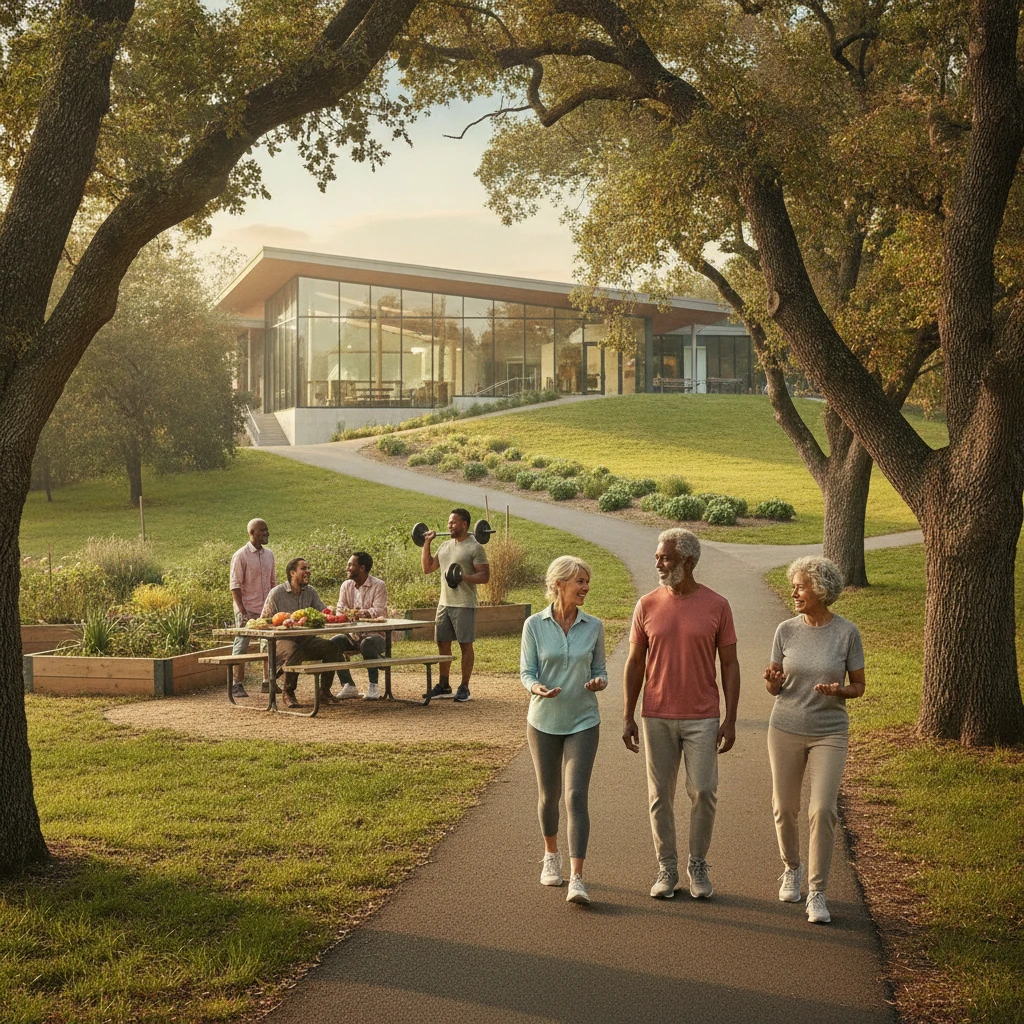
As adults navigate the journey of midlife and beyond, the concept of strength often shifts from competitive pursuits to a fundamental pillar of overall health and longevity. Building and maintaining strength is not merely about lifting heavier weights or achieving a specific physique; it’s about investing in your capacity to live a vibrant, independent, and fulfilling life for decades to come.
This proactive approach to physical well-being offers profound benefits, impacting everything from daily functional movements to your body’s metabolic efficiency and resilience against age-related decline. Understanding these crucial connections empowers individuals to make informed decisions about their fitness journey.
Why Prioritizing Strength Transforms Your Future Health
Beyond Aesthetics: Functional Independence and Quality of Life
Prioritizing strength training extends far beyond visible muscle definition, directly enhancing your functional independence. This means maintaining the ability to perform everyday tasks with ease and confidence, from carrying groceries and lifting grandchildren to pursuing hobbies like gardening or hiking. A strong core and robust musculature provide the stability needed for graceful movement and reduce the effort required for physical activities, preserving your energy for what truly matters. As you age, the difference between struggling with simple tasks and performing them effortlessly often comes down to your baseline strength, directly impacting your overall quality of life. Without adequate strength, even enjoyable activities can become burdensome, leading to a more sedentary lifestyle and a downward spiral in health.
Combating Age-Related Decline Proactively
Strength training serves as a powerful shield against many aspects of age-related decline. Regular resistance exercise helps maintain bone density, significantly reducing the risk of osteoporosis and debilitating fractures, which become more common in later years. It also plays a critical role in preserving a healthy metabolism, counteracting the natural slowdown that often accompanies aging. By actively engaging your muscles, you proactively mitigate the risk of developing chronic conditions such as type 2 diabetes and cardiovascular disease. This isn’t just about adding years to your life; it’s about adding life to your years, ensuring those added years are lived with vitality and strength. For further insights into healthy aging strategies, authoritative resources like the World Health Organization offer comprehensive guidance on staying healthy as you age.
Understanding Age-Related Muscle Loss and Its Impact
The Silent Threat of Sarcopenia
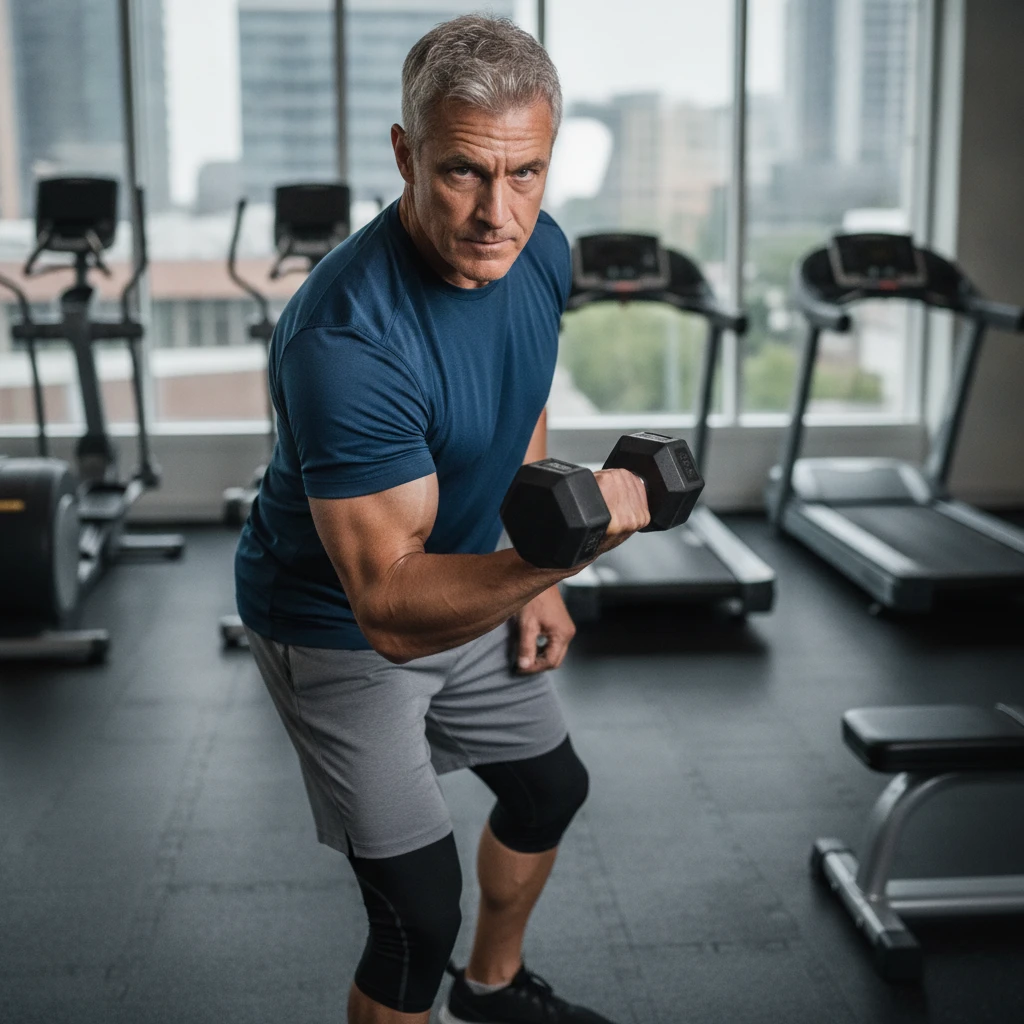
Sarcopenia, the progressive and generalized loss of skeletal muscle mass and strength with age, represents a significant yet often underestimated threat to adult health. Typically beginning in the 30s and accelerating after 60, this silent process can lead to a loss of 3-8% of muscle mass per decade. The insidious nature of sarcopenia means its initial effects might go unnoticed, often dismissed as general fatigue or simply “getting older.” However, unchecked sarcopenia can severely diminish physical performance, reduce mobility, and profoundly impact an individual’s independence. Recognizing and addressing sarcopenia early through targeted strength training and adequate nutrition is paramount for long-term health and vitality.
How Reduced Muscle Mass Affects Metabolism and Energy
Muscle tissue is metabolically active, meaning it burns more calories at rest compared to fat tissue. Consequently, a reduction in muscle mass directly impacts your basal metabolic rate (BMR), the number of calories your body burns simply to maintain basic functions. As sarcopenia progresses, a lower BMR makes weight management more challenging, increasing the likelihood of fat accumulation even with consistent dietary intake. Furthermore, reduced muscle mass can impair insulin sensitivity, elevating the risk of developing insulin resistance and type 2 diabetes. Adequate muscle mass is crucial for efficient glucose uptake and utilization, directly influencing your overall energy levels and metabolic health. Cultivating simple habits to improve adult metabolic health is a key strategy for mitigating these risks.
The Link to Fall Risk and Injury Prevention
The connection between muscle loss and increased fall risk is profound and well-documented. Weaker muscles, particularly in the lower body, compromise balance, coordination, and the ability to react quickly to unexpected shifts in stability. This directly translates to a higher propensity for falls, which can result in serious injuries such as hip fractures, head trauma, and other debilitating conditions. For adults, a fall can initiate a cascade of health complications, including prolonged recovery, loss of independence, and even increased mortality. Investing in strength training helps to build and maintain the muscular support needed to prevent falls, thereby safeguarding against injuries and preserving crucial mobility and confidence.
Foundational Principles of Effective Strength Training for Adults
The Power of Progressive Overload
At the heart of any effective strength training program lies the principle of progressive overload. This fundamental concept dictates that for muscles to adapt and grow stronger, they must be continually challenged with increasing demands. This doesn’t solely mean lifting heavier weights; it can involve gradually increasing the number of repetitions, sets, reducing rest times, or improving exercise technique and range of motion. Consistent application of progressive overload signals to your body that it needs to become stronger to meet these new challenges, preventing plateaus and ensuring continuous improvement. Without this principle, your muscles will quickly adapt to a routine, and further gains will cease, making long-term progress nearly impossible.
Prioritizing Compound Movements for Full-Body Benefits
For adults seeking efficient and comprehensive strength development, prioritizing compound movements is critical. These exercises engage multiple joints and muscle groups simultaneously, mimicking real-world movements and providing a superior training stimulus compared to isolation exercises. Examples include squats (working legs, glutes, core), deadlifts (posterior chain, back, core), overhead presses (shoulders, triceps, core), and rows (back, biceps, shoulders). By focusing on these multi-joint exercises, you build functional strength, improve coordination, and maximize your training time – a significant benefit for busy professionals. This approach also fosters better overall body mechanics and enhances stability across your entire musculoskeletal system.
Mastering Proper Form and Technique
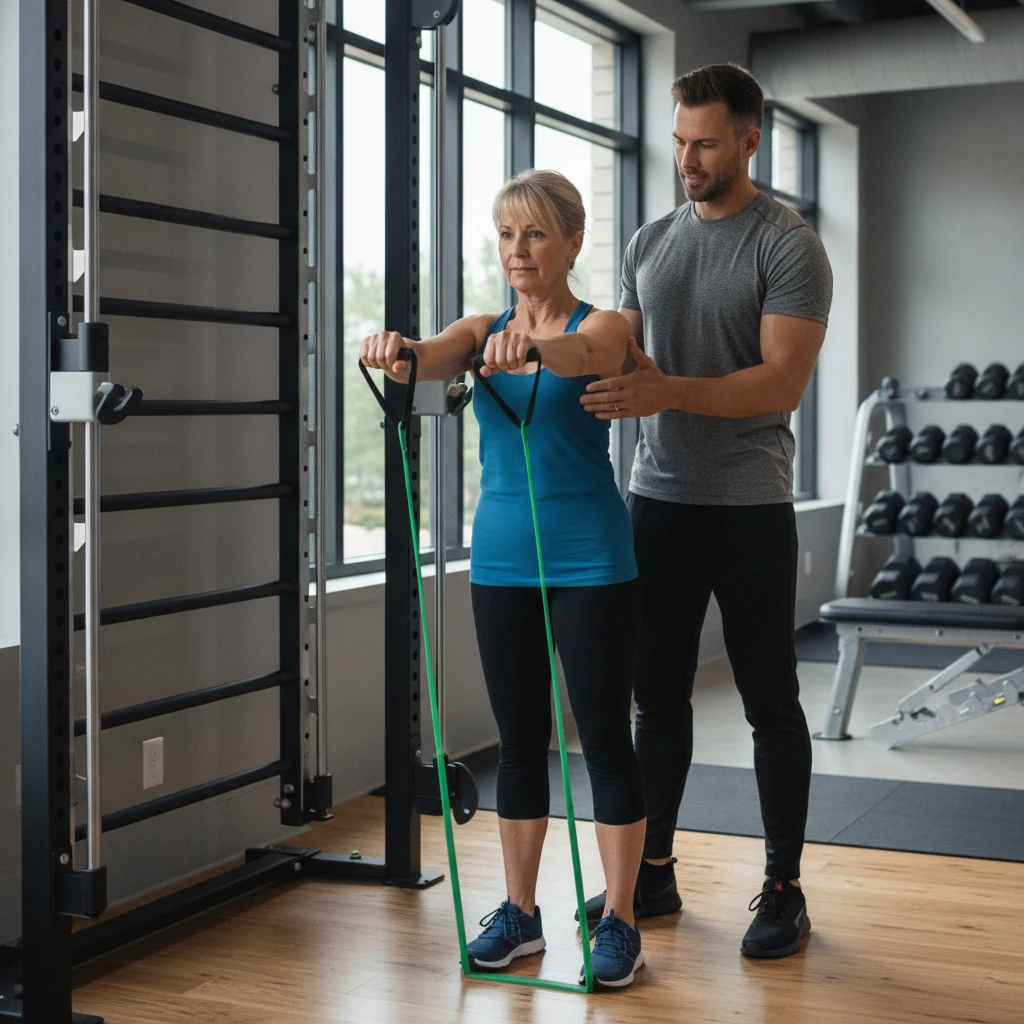
While the urge to lift heavier can be strong, mastering proper form and technique must always take precedence. Incorrect form not only reduces the effectiveness of an exercise by shifting tension away from the target muscles but, more critically, dramatically increases the risk of injury. Learning and consistently applying correct biomechanics ensures that muscles are worked safely and efficiently, promoting long-term progress rather than setbacks. This often means starting with lighter weights to solidify movements and potentially seeking guidance from Allentown experts in personalized strength training. A skilled coach can provide invaluable feedback, correct subtle errors, and help you build a strong foundation, making your strength journey both safer and more rewarding.
Tailoring Your Strength Program for Midlife and Beyond
Assessing Your Current Fitness Level and Health History
Before embarking on any new strength training regimen, a thorough assessment of your current fitness level and comprehensive health history is non-negotiable. This critical initial step helps identify any pre-existing conditions, injuries, or limitations that might influence exercise selection or intensity. Consulting with a healthcare professional to obtain medical clearance is highly recommended, especially for individuals with chronic diseases or a history of heart issues. Following this, a professional fitness assessment can establish a baseline of your strength, mobility, and endurance, allowing for the creation of a truly personalized training plan that is safe, effective, and tailored to your unique needs and goals. Skipping this step can lead to inappropriate exercise choices and potential injury.
Incorporating Mobility and Flexibility for Joint Health
As we age, maintaining mobility and flexibility becomes increasingly vital for joint health, injury prevention, and the efficacy of strength training. Mobility refers to the active range of motion around a joint, while flexibility is the passive ability of a muscle to lengthen. Both are crucial for performing strength exercises with proper form and for everyday functional movements. Incorporating dynamic stretches as a warm-up, static stretches post-workout, and dedicated mobility drills (such as those that improve hip or thoracic spine movement) can significantly enhance joint lubrication, reduce stiffness, and prevent compensatory movement patterns that lead to pain or injury. Think of mobility as the foundation that allows your strength to be fully expressed without restriction or discomfort.
Adjusting Training Volume and Intensity Strategically
For adults in midlife and beyond, intelligent programming around training volume and intensity is key to consistent progress and injury avoidance. Recovery capacity can diminish with age, making it essential to listen to your body and adjust your training schedule accordingly. This might involve reducing the frequency of very high-intensity sessions, increasing rest days, or incorporating deload weeks to prevent overtraining and burnout. A strategic approach to periodization – varying your training focus and intensity over time – can help manage fatigue, optimize adaptation, and ensure long-term sustainability. The goal is to consistently challenge your muscles without overwhelming your body’s ability to recover, fostering sustainable strength gains without risking injury or exhaustion.
Nutrition as a Cornerstone for Muscle Growth and Recovery
Optimizing Protein Intake for Adults
For adults aiming to build and maintain strength, especially as they age, optimizing protein intake is absolutely critical for muscle repair and synthesis. The body’s ability to utilize protein efficiently can decline with age, making adequate intake even more important for combating sarcopenia, the age-related loss of muscle mass. General recommendations suggest adults engaged in strength training aim for 1.2 to 1.7 grams of protein per kilogram of body weight daily. For older adults (65+), this range might increase to 1.6-2.2 g/kg to support muscle preservation.
A common pitfall is either insufficient total protein or an uneven distribution throughout the day. To maximize muscle protein synthesis, aim for 25-40 grams of high-quality protein per meal. Excellent sources include lean meats, poultry, fish, eggs, dairy products like Greek yogurt, and plant-based options such as legumes, tofu, and tempeh. Incorporating protein at breakfast is particularly beneficial for jumpstarting muscle repair after an overnight fast. For specific guidance on meal planning, consider how to global public health guidelines for well-being.
The Broader Health Benefits of Lifelong Strength
Improving Bone Density and Preventing Osteoporosis
Lifelong engagement in strength training is a profoundly effective strategy for stimulating bone remodeling and increasing bone mineral density. Weight-bearing and resistance exercises place mechanical stress on bones, prompting them to adapt by becoming stronger and denser. This benefit is particularly crucial for adults as they age, serving as a powerful countermeasure against age-related bone loss and conditions like osteopenia and osteoporosis, which significantly increase fracture risk.
A common pitfall is an over-reliance on cardiovascular exercise alone for overall fitness, which, while beneficial for heart health, provides a less potent osteogenic stimulus compared to strength training. Actionable steps involve consistently incorporating compound movements such as squats, deadlifts, lunges, and overhead presses into your routine. These exercises engage multiple joints and muscle groups, delivering significant loading to the skeletal system. Consulting with a qualified professional can ensure proper form and progressive overload, maximizing bone health benefits safely.
Enhancing Metabolic Health and Blood Sugar Regulation
Muscle tissue is highly metabolically active, playing a pivotal role in glucose uptake from the bloodstream and improving insulin sensitivity. As such, maintaining and increasing muscle mass through strength training is a powerful tool for enhancing metabolic health and regulating blood sugar levels. This can significantly reduce the risk of developing insulin resistance, type 2 diabetes, and metabolic syndrome, which are increasingly prevalent concerns in adult populations.
Consider the example of an individual who increases their lean muscle mass by just 5 pounds over several months; they might experience a noticeable improvement in their fasting blood glucose levels and overall insulin response. A key pitfall is allowing a sedentary lifestyle to contribute to the decline of metabolically active tissue, thereby worsening insulin sensitivity. Actionable steps include regular strength training, which, when combined with balanced nutrition, forms a cornerstone for maintaining healthy metabolic function throughout adulthood. Integrating
Integrating Recovery and Mobility for Sustainable Progress
The Critical Role of Adequate Sleep
While often underestimated, adequate sleep is unequivocally paramount for muscle repair, hormonal regulation, and cognitive restoration. It is during deep sleep cycles that the body releases the majority of its growth hormone, which facilitates tissue repair, protein synthesis, and ultimately, muscle growth. Insufficient or poor-quality sleep directly impairs these crucial recovery processes, leading to increased fatigue, reduced performance, elevated injury risk, and compromised decision-making both in and out of the gym.
A common pitfall for many adults is prioritizing early morning workouts or late-night activities over sufficient, restorative sleep. This often leads to a chronic sleep deficit, undermining even the most meticulously planned training and nutrition efforts. Actionable steps include aiming for a consistent 7-9 hours of quality sleep per night. Establishing a regular sleep schedule, even on weekends, and creating a relaxing bedtime routine—free from screens—can significantly improve sleep hygiene and accelerate your recovery.
Active Recovery Techniques and Stress Reduction
Integrating active recovery techniques into your routine is essential for sustainable progress, promoting blood flow to fatigued muscles without adding significant stress. This aids in flushing out metabolic byproducts and reducing muscle soreness. Examples include light cycling, brisk walking, swimming, or targeted stretching and foam rolling. Beyond physical recovery, stress reduction plays a crucial role. Chronic stress elevates cortisol levels, which can hinder muscle repair and fat loss.
Mindfulness practices, deep breathing exercises, or gentle yoga can significantly contribute to overall recovery by lowering physiological stress. A key pitfall is relentlessly pushing hard every single day without incorporating lighter activity or dedicated rest periods, leading to overtraining and burnout. Actionable steps involve dedicating specific days to active recovery or incorporating short stress-reduction practices into your daily routine. For example,
Strategies for Long-Term Adherence and Motivation
Setting Realistic, Achievable Goals
Sustainable progress in strength building and overall wellness hinges on setting goals that are not only challenging but also genuinely realistic and achievable. Unrealistic expectations often lead to frustration, burnout, and ultimately, demotivation, derailing even the most enthusiastic beginnings. A robust framework for goal setting is the SMART criteria: Specific, Measurable, Achievable, Relevant, and Time-bound. For instance, instead of a vague “get strong,” a SMART goal might be “increase my deadlift by 20 pounds with proper form within the next 12 weeks.”
A pervasive pitfall is comparing your fitness journey to others, especially those with different genetic predispositions, training histories, or starting points. This can create unfair benchmarks and undue pressure. Actionable steps include focusing on personal progress and celebrating small victories. Working collaboratively with a
Building Consistent Habits and Routines
Long-term success in building and maintaining strength is less about sporadic bursts of intense effort and more about the power of consistent, manageable habits. Establishing positive routines helps ingrain behaviors that become second nature, making adherence far easier. Identify environmental or temporal triggers and internal rewards to build sustainable patterns. Often, small, incremental changes are far more sustainable than drastic, overwhelming overhauls that are difficult to maintain.
For example, instead of immediately committing to five intense workouts a week, begin with two or three consistent sessions and gradually increase frequency as your body adapts and your habits solidify. A major pitfall is trying to do too much too soon, which often leads to exhaustion, injury, and eventual abandonment of the fitness regimen. Actionable steps include integrating exercise into your weekly schedule as a non-negotiable appointment. Remember, even short, consistent efforts accumulate into significant long-term gains, making consistency the ultimate catalyst for lasting strength.
Partnering with Experts for Your Strength Journey in Allentown, PA
Embarking on a strength journey, especially as adults aged 30-65, requires more than just showing up to a gym. It demands a strategic, personalized approach to ensure lasting results and prevent injury. In Allentown, PA, connecting with a
The Value of Personalized Coaching and Program Design
Generic fitness plans often fall short because they fail to consider individual needs, physical limitations, and long-term health objectives. A qualified coach in Allentown will conduct a thorough assessment, including body composition, movement patterns, and medical history, to design a truly personalized training program. This bespoke approach helps identify and address specific weaknesses, correct muscular imbalances, and safely introduce progressive overload. Without such tailored planning, individuals risk injury, plateaus in progress, or demotivation from a lack of visible results, undermining their commitment to selecting your fitness coach, look for credentials, experience with your age group, and a clear methodology that emphasizes education and progressive learning. This partnership can be the difference between sporadic attempts and a consistent, results-driven routine.
Integrating Medical Fitness and Holistic Wellness Approaches
For many adults, fitness is intertwined with managing health conditions or seeking preventative care. Expert coaching integrates medical fitness principles, often collaborating with healthcare providers to tailor programs that support specific health goals, such as blood sugar control or cardiovascular health. This holistic view extends to nutrition guidance, stress management techniques, and optimal recovery strategies, ensuring that physical training complements your overall lifestyle. Understanding the impact of physical activity on health is crucial; authoritative sources like the World Health Organization provide extensive research on this connection. By encompassing all facets of wellness, a comprehensive approach ensures that strength gains contribute positively to every aspect of your healthy aging journey in Allentown.
Investing in expert guidance for your strength journey in Allentown, PA, offers a strategic pathway to achieving sustainable health and fitness outcomes. Professional coaching provides the structure, personalization, and accountability necessary to transform your physical capabilities, ensuring your efforts contribute to building lasting strength for healthy adult aging.