

Many adults experience subtle shifts in their well-being, from persistent fatigue to unexpected weight fluctuations, often without understanding the root cause. While diet and exercise are commonly discussed, the intricate role of hormones in these processes is frequently overlooked. These powerful chemical messengers regulate nearly every function in your body, from metabolism and mood to sleep and stress response.
For those in the Lehigh Valley seeking a comprehensive approach to health, understanding how dietary choices impact hormonal balance is a critical step. A skilled dietitian can offer personalized strategies, moving beyond generic advice to address your unique physiological needs and help restore harmony to your internal systems.
Understanding Hormone Imbalances and Your Well-being
Hormones: Your Body’s Silent Messengers
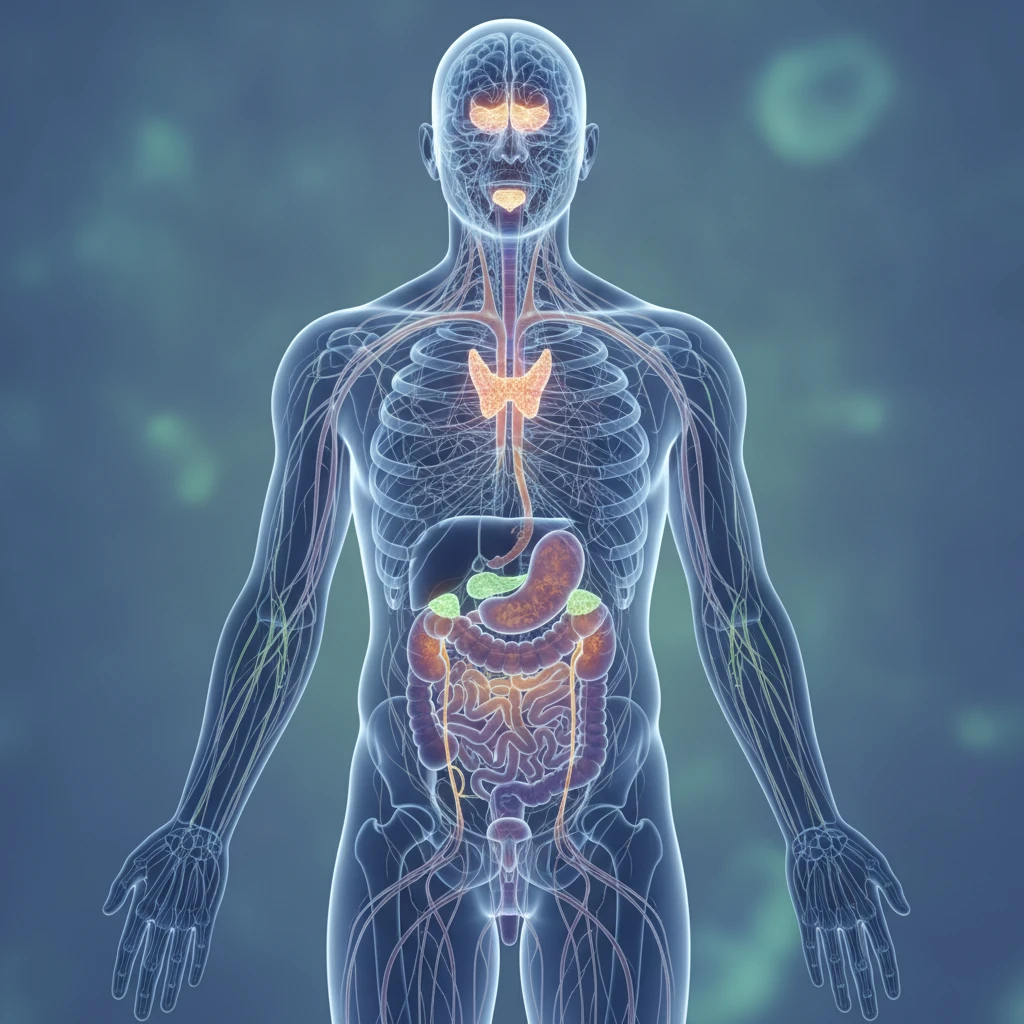
Hormones are vital chemical messengers produced by your endocrine system, traveling through your bloodstream to influence nearly every cell, tissue, and organ. They are responsible for regulating critical bodily functions such as metabolism, growth, mood, reproduction, and stress response. Think of your body as a finely tuned orchestra where each instrument—or hormone—must play in tune for overall harmony. Even minor disruptions can cascade into a symphony of symptoms, making it crucial to understand their profound impact on your overall health.
Common Signs of Hormonal Imbalance in Adults
Recognizing the signs of a hormonal imbalance is the first step toward seeking appropriate help. Common indicators in adults include persistent fatigue, unexplained weight changes (gain or loss), mood swings, difficulty sleeping, digestive problems, skin issues like acne, and decreased libido. A significant pitfall is self-diagnosing or attributing these symptoms solely to aging or stress without further investigation. If you experience persistent symptoms that significantly impact your quality of life, it’s a clear decision criterion to consult a healthcare professional. For example, a 45-year-old in Emmaus noticing unexplained weight gain and chronic fatigue despite consistent effort might be experiencing hormonal shifts that warrant a closer look.
Why ‘Balancing Hormones’ Isn’t Just for Women
The concept of “balancing hormones” is often mistakenly associated only with women’s health, particularly around menstruation, pregnancy, or menopause. However, this is a significant misconception. Men also experience hormonal fluctuations, especially with age, impacting testosterone and DHEA levels, which can lead to reduced energy, decreased muscle mass, and mood disturbances. Furthermore, hormones like cortisol (stress hormone), insulin (blood sugar regulation), and thyroid hormones (metabolism) affect both sexes equally. Dismissing symptoms as purely age-related without considering hormonal factors is a pitfall. Both men and women experiencing relevant symptoms should consider seeking support from a dietitian who understands the broad spectrum of hormonal influences.
The Powerful Link Between Nutrition and Hormonal Health
How Food Influences Hormone Production and Regulation
The food you consume serves as the fundamental building blocks and regulators for your entire endocrine system. Nutrients like proteins provide the amino acids necessary for synthesizing peptide hormones and neurotransmitters, while healthy fats are crucial for the production of steroid hormones, including sex hormones and adrenal hormones. Beyond raw materials, food significantly impacts your gut microbiome, which plays a critical role in hormone metabolism and detoxification. Conversely, diets high in processed foods can induce inflammation and oxidative stress, disrupting sensitive hormonal signaling pathways. Chronic high sugar intake, for instance, directly contributes to insulin resistance, demonstrating how diet is a foundational element in hormone health.
Essential Nutrients for Optimal Endocrine Function
Ensuring a nutrient-dense diet is paramount for supporting optimal endocrine function. Key players include healthy fats, particularly omega-3 fatty acids, which are vital for cell membrane integrity and the synthesis of sex hormones. Protein intake is essential for amino acids, which are precursors to many hormones and neurotransmitters. Fiber promotes gut health, crucial for estrogen detoxification and blood sugar regulation. Vitamins such as Vitamin D support mood, bone health, and immune function, while B vitamins are critical for energy metabolism. Minerals like selenium, zinc, and magnesium are cofactors in numerous enzymatic reactions, supporting thyroid function, immune response, and stress management, respectively. Relying solely on supplements without prioritizing whole foods is a common pitfall that overlooks the synergistic benefits of a diverse diet.
Dietary Patterns That Can Disrupt or Support Balance
Certain dietary patterns can either profoundly disrupt or actively support hormonal balance. Highly processed foods, refined sugars, excessive caffeine and alcohol, and inflammatory oils often found in the Western diet are major disruptors, contributing to chronic inflammation, insulin resistance, and oxidative stress. The pitfall here is underestimating the cumulative effect of these choices. Conversely, dietary patterns rich in whole, unprocessed foods, a balanced intake of macronutrients, and those aligned with a Mediterranean or anti-inflammatory approach can significantly support hormonal health. These patterns emphasize abundant vegetables, fruits, lean proteins, and healthy fats. Making gradual, sustainable shifts toward a more whole-food-based diet can lead to notable improvements in energy and digestion, as many clients discover when adopting simple steps for busy adults to eat healthier.
Key Hormones Dietitians Can Influence Through Diet
Insulin Sensitivity and Blood Sugar Regulation
Insulin is a hormone critical for managing blood sugar. When cells become less responsive to insulin, a condition known as insulin resistance can develop, leading to elevated blood sugar levels, weight gain, and increased risk of metabolic diseases. A dietitian’s approach focuses on managing the glycemic load of meals, incorporating ample fiber, and balancing macronutrients to stabilize blood sugar. A common pitfall is extreme carbohydrate restriction or erratic eating patterns, which can further dysregulate insulin. Consistency in meal timing and thoughtful food choices are actionable steps. Improving insulin sensitivity is often a key factor for individuals looking to break weight loss plateaus and improve overall metabolic health.
Thyroid Function and Metabolism
The thyroid gland produces hormones that regulate your metabolism, energy levels, and body temperature. Imbalances can lead to symptoms like unexplained fatigue, hair loss, weight changes, and cold sensitivity. Dietitians play a crucial role by ensuring adequate intake of nutrients vital for thyroid hormone production and conversion, such as iodine, selenium, zinc, and tyrosine. They can also help identify and address potential inflammatory triggers or sensitivities that might be impacting thyroid health. Decision criteria for seeking support include persistent symptoms despite normal conventional lab ranges, or a desire to optimize thyroid function through dietary means in conjunction with medical care.
Cortisol Management and Stress Response
Cortisol, often called the “stress hormone,” is essential for the body’s fight-or-flight response. However, chronic elevation due to ongoing stress can lead to weight gain, sleep disruption, gut issues, and impaired immune function. A dietitian can help manage cortisol through dietary strategies that promote stable blood sugar, which prevents additional stressors on the adrenal glands. Incorporating adaptogenic foods, ensuring adequate intake of stress-reducing nutrients like magnesium and B vitamins, and promoting regular, balanced meals are key components. A significant pitfall is underestimating the profound physiological impact of chronic stress, often manifesting physically long before it’s recognized emotionally. Adopting stress-reducing practices alongside dietary changes is an important actionable step.

Supporting Sex Hormone Balance for Overall Wellness
Sex hormones like estrogen, progesterone, and testosterone are crucial for reproductive health, bone density, muscle mass, mood, and cognitive function in both men and women. Dietary choices profoundly impact their synthesis, metabolism, and detoxification. Healthy fats are essential for hormone production, while adequate fiber supports the liver in effectively processing and eliminating excess hormones, preventing reabsorption. Blood sugar stability also prevents hormonal disruptions that can exacerbate conditions like PCOS or symptoms associated with perimenopause and andropause. Dietitians craft personalized plans to address specific imbalances, incorporating liver-supportive foods and promoting optimal gut health for effective hormone clearance. For example, a woman with PCOS in Allentown may find significant relief and improved symptom management through a dietitian-guided plan focusing on complex carbohydrates and anti-inflammatory foods.
How a Dietitian Assesses Your Unique Hormonal Needs
Comprehensive Dietary and Lifestyle Assessment
To effectively address hormonal imbalances, a dietitian conducts a comprehensive assessment that goes far beyond a simple food diary. This detailed evaluation delves into your entire lifestyle, including sleep patterns, stress levels, physical activity, medical history, and current medications. This holistic approach allows the dietitian to identify potential contributing factors and interconnected systems that might be impacting your hormones. The actionable step for you is to be open and thorough when sharing this information, as it provides crucial insights. When choosing a dietitian, prioritizing one who takes this comprehensive view is a vital decision criterion, ensuring your plan is truly individualized.
Reviewing Symptoms and Health History
A key part of the assessment involves a deep dive into your current symptoms, including their onset, severity, and any noticeable patterns. The dietitian will meticulously review your health history, considering past diagnoses, family history of conditions, and any previous treatments. This process helps connect your present experiences to potential underlying hormonal drivers. For instance, chronic fatigue alongside digestive issues might point to different hormonal considerations than weight gain with mood swings. A common pitfall is withholding information due to embarrassment or a belief it’s irrelevant, which can hinder the dietitian’s ability to form a complete picture and provide the most effective guidance.
Collaborating with Your Healthcare Team (When Applicable)
Dietitians work as an integral part of your larger healthcare team, not in isolation or as a replacement for medical doctors. They may review relevant lab results, such as thyroid panels, glucose levels, or sex hormone tests, to inform dietary strategies. A competent dietitian will advocate for necessary testing if current information is insufficient and will communicate with your primary care physician or endocrinologist to ensure a coordinated and synergistic approach to your health. A crucial decision criterion for clients in the Lehigh Valley is choosing a dietitian who respects the boundaries of their scope of practice and actively seeks collaboration with other healthcare providers. For a client in Bethlehem with a diagnosed thyroid condition, for example, the dietitian will ensure that dietary recommendations align with their physician’s treatment plan, enhancing overall support.
Personalized Nutrition Strategies for Hormonal Balance
Anti-Inflammatory Eating Plans
An anti-inflammatory eating plan is often a cornerstone in addressing hormonal imbalances, as chronic inflammation can disrupt endocrine function. A dietitian will guide you towards foods rich in antioxidants and omega-3 fatty acids, such as vibrant berries, leafy greens, fatty fish like salmon, and various nuts and seeds. Conversely, identifying and reducing pro-inflammatory culprits like highly processed foods, excessive refined sugars, and certain industrial seed oils is equally crucial. This approach focuses on creating an internal environment where hormones can function optimally, minimizing the inflammatory burden that often contributes to conditions like PCOS, thyroid issues, or peri-menopausal symptoms. We’ll help you understand how specific dietary choices directly impact your body’s inflammatory markers and, subsequently, your hormonal health.
Supporting Gut Health for Hormonal Regulation
The intricate connection between gut health and hormonal balance, often referred to as the gut-hormone axis, is a key focus for dietitians. The gut microbiome plays a vital role in metabolizing and excreting hormones, particularly estrogen, and dysbiosis can lead to reabsorption and imbalance. We’ll explore strategies to cultivate a diverse and healthy gut flora, emphasizing an abundance of fiber from whole grains, legumes, fruits, and vegetables. Incorporating fermented foods like kefir, yogurt, and sauerkraut can introduce beneficial probiotics. Additionally, identifying potential food sensitivities or intolerances that contribute to gut inflammation is critical. A personalized plan will address specific gut health issues, laying a foundation for improved hormonal regulation and overall wellness, often through careful dietary modifications and targeted supplementation when appropriate.
Strategic Macronutrient Ratios and Meal Timing
Beyond specific food choices, how you balance your macronutrients (carbohydrates, proteins, and fats) and the timing of your meals significantly impacts hormonal equilibrium. For instance, consistent blood sugar levels are vital for stable insulin and cortisol, both of which influence other hormones. A dietitian will help you determine ideal protein intake to support satiety and muscle maintenance, healthy fats for hormone production (like avocados, nuts, and olive oil), and complex carbohydrates for sustained energy without sharp glucose spikes. We also consider meal timing and frequency, evaluating strategies such as structured eating patterns to optimize insulin sensitivity and reduce nocturnal cortisol surges. This strategic approach ensures your body receives the right fuel at the right time, fostering better metabolic health and hormonal harmony.
Beyond the Plate: Lifestyle Factors a Dietitian Considers
The Role of Stress Management and Sleep Quality
Dietitians recognize that nutrition is only one piece of the wellness puzzle, particularly concerning hormones. Chronic stress elevates cortisol levels, which can cascade into imbalances affecting thyroid function, insulin sensitivity, and reproductive hormones. Developing effective stress management techniques, from mindfulness to structured relaxation, is integrated into our comprehensive approach. Equally critical is sleep quality; insufficient sleep disrupts melatonin, growth hormone, and ghrelin/leptin, impacting hunger and metabolism. We discuss practical strategies to improve sleep hygiene, such as optimizing bedroom environment, establishing consistent sleep schedules, and avoiding evening stimulants. Addressing these foundational lifestyle elements can significantly amplify the positive effects of dietary changes on your hormonal health.
Integrating Appropriate Movement and Exercise
While often associated with fitness trainers, a dietitian considers the impact of movement on hormonal health. Regular, appropriate exercise improves insulin sensitivity, supports healthy body composition, and positively influences mood-regulating hormones. However, it’s also crucial to avoid overtraining, which can paradoxically elevate cortisol and contribute to hormonal disruption, especially in women. We’ll discuss the importance of a balanced exercise routine that includes a mix of strength training, cardiovascular activity, and flexibility work, tailored to your current fitness level and hormonal needs. This ensures your movement regimen supports your hormonal goals without causing undue stress on your body, contributing to improved energy levels and well-being.
Hydration and Toxin Exposure
Optimal hydration is often underestimated yet plays a fundamental role in nearly every bodily function, including hormonal transport and detoxification pathways. Dietitians emphasize consistent water intake throughout the day, often factoring in individual activity levels and climate. Furthermore, we consider the impact of environmental toxins, known as endocrine disruptors, which can mimic or interfere with natural hormones. While complete avoidance is challenging, practical steps can significantly reduce exposure. This includes choosing organic produce when possible, using glass or stainless steel food containers, filtering drinking water, and being mindful of personal care products. Understanding and mitigating these external factors is part of a holistic strategy to support your body’s natural hormonal harmony.
What to Expect from a Dietitian at Forward Thinking Fitness
Our Personalized, Evidence-Based Approach in the Lehigh Valley
At Forward Thinking Fitness, our Registered Dietitians in the Lehigh Valley offer a deeply personalized and evidence-based approach to hormonal balance. We begin with a thorough assessment of your current dietary habits, lifestyle, medical history, and specific hormonal concerns. This detailed understanding allows us to move beyond generic advice, crafting a nutrition plan that is unique to your biochemistry, preferences, and daily routine. Our strategies are rooted in the latest scientific research, ensuring that every recommendation, from food choices to meal patterns, is designed for efficacy and sustainability. We empower adults in Allentown, Bethlehem, and surrounding areas to make informed choices that genuinely support their hormonal health, understanding that generic plans rarely yield lasting results.
Goal Setting and Ongoing Support
Working with an FTF dietitian involves collaborative goal setting that is both realistic and motivating. We help you define clear, achievable objectives for your hormonal health, whether it’s managing PCOS symptoms, improving thyroid function, or easing menopausal transitions. Our support extends far beyond initial consultations; we provide ongoing guidance, accountability, and adjustments to your plan as needed. Regular check-ins allow us to track progress, address challenges, and fine-tune strategies based on your body’s responses. This continuous support system is vital for embedding new habits and navigating the complexities of hormonal changes, ensuring you feel confident and supported on your journey toward lasting wellness.
Integrating Nutrition with Fitness and Wellness Coaching
One of the unique advantages of working with a dietitian at Forward Thinking Fitness is our integrated approach. We understand that nutrition is most effective when combined with other pillars of health. Our dietitians collaborate seamlessly with our personal trainers and wellness coaches to create a synergistic plan that addresses your complete well-being. This might involve coordinating your dietary recommendations with a strength training regimen, stress reduction techniques, or sleep optimization strategies. This holistic model ensures all aspects of your lifestyle are working in harmony to support hormonal balance, promoting comprehensive and sustainable results for adults across the Lehigh Valley.
When Else to Consider a Dietitian for Hormone Support (and Other Professionals)
Why a Registered Dietitian is Often the First Step
When you suspect hormonal imbalances, consulting a Registered Dietitian is often an excellent initial step. Dietitians are uniquely qualified to assess how your dietary patterns and lifestyle choices are influencing your endocrine system. Many hormonal concerns, such as irregular periods, unexplained weight fluctuations, fatigue, or mood changes, can significantly improve through targeted nutritional interventions. A dietitian can help identify these connections, offering personalized strategies that are less invasive and often highly effective before considering more complex medical treatments. They provide an evidence-based foundation for managing symptoms and preventing further progression, often working to optimize the body’s natural regulatory mechanisms. Furthermore, a dietitian can help clarify if your concerns are primarily diet- and lifestyle-driven or if further medical investigation is warranted.
Complementary Roles of Endocrinologists and Primary Care Physicians
While a dietitian addresses the nutritional and lifestyle aspects of hormonal health, there are times when collaboration with medical doctors is essential. An endocrinologist, a physician specializing in the endocrine system, is crucial for diagnosing and managing complex hormonal disorders, such as severe thyroid conditions, pituitary issues, or advanced diabetes. Your primary care physician also plays a vital role in initial screenings, referrals, and managing overall health. It’s important to understand that these roles are complementary; a dietitian and your medical doctor can work together to provide comprehensive care. For instance, a doctor might prescribe medication, while the dietitian ensures your diet supports the medication’s effectiveness and mitigates side effects, ensuring a truly integrated healthcare approach.
The FTF Medical Fitness Approach for Comprehensive Support
At Forward Thinking Fitness, our Medical Fitness approach ensures comprehensive support for hormone-related challenges, recognizing the interplay between various health professionals. We bridge the gap between healthcare and practical, daily wellness. Our integrated team, including dietitians, personal trainers, and wellness coaches, works synergistically with your external medical providers. This means your dietitian’s recommendations for hormonal balance can be aligned with your doctor’s diagnosis and an appropriate exercise plan, creating a unified strategy. For complex cases, our medical fitness specialists can liaise with your endocrinologist or PCP to ensure all aspects of your care are coordinated. This collaborative model, especially beneficial for conditions like metabolic syndrome or chronic stress-related hormonal shifts, ensures you receive holistic and cohesive guidance, leading to optimal outcomes in the Lehigh Valley.
Sustainable Results: Building Long-Term Hormonal Health
Focusing on Habits, Not Quick Fixes
Achieving hormonal balance isn’t about chasing fleeting trends or restrictive “detox” diets. A sustainable approach, championed by an experienced dietitian, centers on building consistent, healthy habits that integrate seamlessly into your daily life. Unlike quick fixes that often lead to rebound issues and nutrient deficiencies, a dietitian helps you understand the ‘why’ behind dietary choices, empowering you to make informed decisions long-term. This includes learning proper portion sizes, understanding nutrient timing, and incorporating a diverse range of whole foods. The pitfall to avoid is succumbing to social media claims promising instant hormonal resets; these rarely provide lasting benefits and can even harm your metabolic health. Instead, prioritize a professional who educates you on sustainable nutrition principles for true
Maintaining Balance Through Life’s Changes
Hormonal balance is not a static state; it’s a dynamic process that requires ongoing attention, especially as you navigate various life stages. Major transitions such as significant stress, aging, perimenopause, menopause, or andropause can all impact hormonal equilibrium. An expert dietitian helps you adapt your nutrition strategy to these evolving needs. This might involve adjusting macronutrient ratios, recommending specific micronutrients like magnesium or Vitamin D, or incorporating foods that support gut health to better manage estrogen metabolism. For instance, a woman experiencing perimenopausal symptoms might benefit from increased phytoestrogens and specific fiber types. A key pitfall is adopting a “set it and forget it” mindset; continuous engagement with your dietitian ensures your nutrition plan remains optimized for your body’s current demands, fostering resilience and sustained health.
Frequently Asked Questions About Dietitians and Hormones
Will a dietitian order hormone tests for me?
No, registered dietitians typically do not have the authority to order diagnostic lab tests, including hormone panels. Their scope of practice focuses on nutritional assessment, education, and intervention. However, they can provide expert interpretation of results you obtain from your physician. Your dietitian will then use this information, alongside your health history and symptoms, to craft a highly personalized nutrition plan that targets your specific hormonal needs. It’s an effective collaborative approach: your doctor manages diagnostics, and your dietitian optimizes your diet based on those findings.
How long does it take to balance hormones with diet?
The timeline for balancing hormones with diet is highly individual and depends on numerous factors, including the severity and duration of the imbalance, your consistency with dietary changes, and any underlying health conditions. Generally, you might start noticing subtle improvements in symptoms like energy levels, sleep quality, or mood within several weeks to a few months. However, significant, stable hormonal shifts and sustained well-being often require a commitment of three to six months, or even longer. Patience and consistent adherence to your personalized plan are paramount for achieving lasting results.
Is this approach suitable for men and women?
Absolutely, the principles of using nutrition to support hormonal balance are suitable and highly beneficial for both men and women. While specific hormonal concerns may differ (e.g., PCOS or perimenopause in women, low testosterone or metabolic syndrome in men), the foundational approach to a nutrient-dense, anti-inflammatory diet remains universally applicable. A dietitian will tailor dietary recommendations to address the unique physiological needs and hormonal profiles of each individual, helping both sexes optimize their health, energy, and overall quality of life through strategic nutrition.
Do you offer virtual consultations for those outside Allentown?
Yes, we do! While our physical location is in Allentown, PA, we understand the importance of accessibility and convenience for
For adults seeking personalized nutrition guidance to support their hormonal health, Forward Thinking Fitness offers expert dietitian services designed to help you thrive. Explore our offerings at ftfstrong.com to learn more about how we can support your unique health goals.