
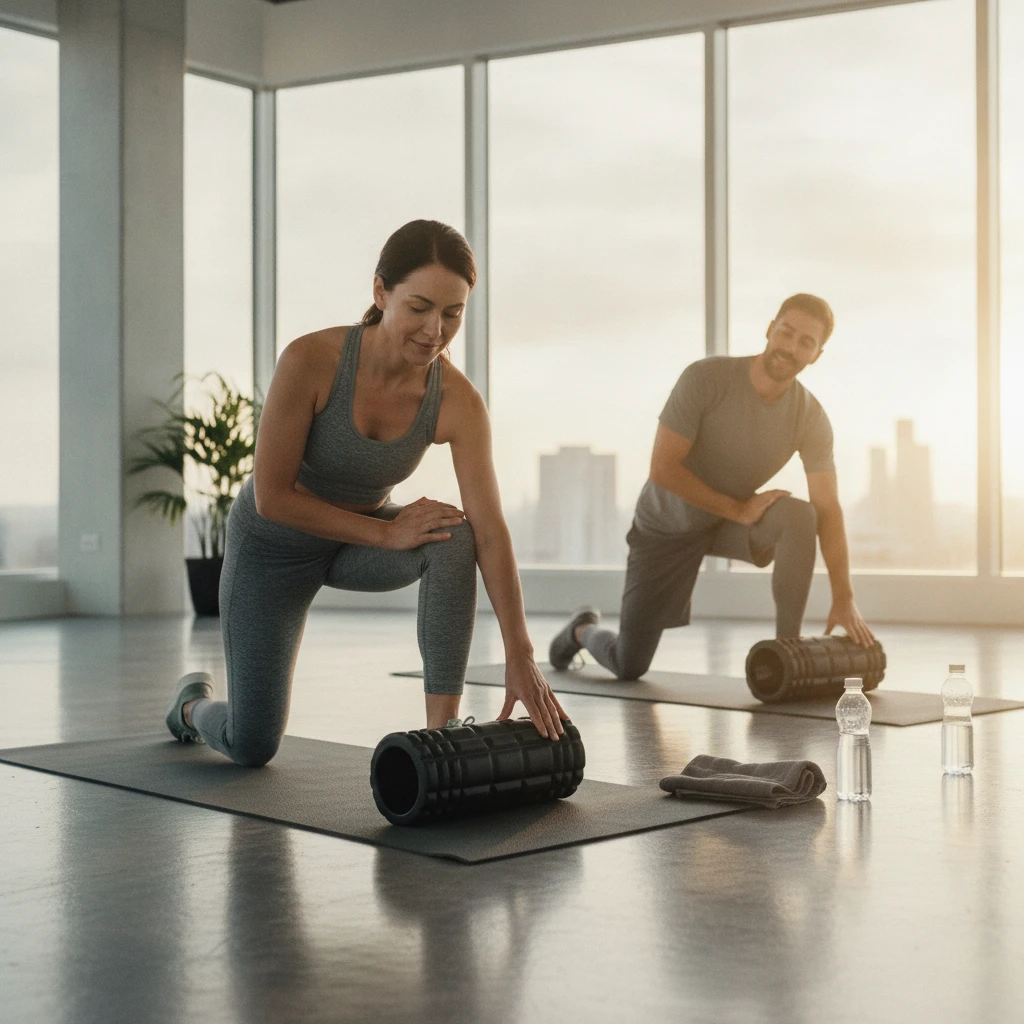
As adults navigate the demands of daily life, maintaining optimal physical function becomes paramount. Often, stiffness, limited range of motion, and post-exercise soreness can hinder activity levels and overall well-being. This is where tools like foam rollers emerge as accessible and effective solutions.
Foam rolling, a form of self-myofascial release, offers a practical way to address these common adult challenges. By consistently incorporating it into your routine, you can significantly enhance your body’s ability to move freely, recover efficiently, and ultimately, support a more active and comfortable lifestyle.
Unlocking Better Movement: The Role of Foam Rolling in Adult Fitness
A Foundation for Lifelong Mobility
For adults, establishing a solid foundation for lifelong mobility is crucial, and foam rolling plays a significant part in this endeavor. Regular self-myofascial release can help maintain the pliability of tissues, preventing the gradual stiffening that often accompanies aging or prolonged sedentary behavior. It’s not just about alleviating immediate discomfort; it’s about proactive care for your connective tissues and promoting sustained functional movement. By targeting areas prone to restriction, individuals in Allentown, Bethlehem, and throughout the Lehigh Valley can support their ability to perform daily tasks and recreational activities with greater ease and less strain, contributing to overall physical resilience.
Addressing Common Adult Stiffnesses
Many adults experience stiffness in specific areas due to factors like desk jobs, repetitive motions, or past injuries. Foam rolling directly addresses these common complaints by applying pressure to tight muscles and fascia, helping to release tension and improve local tissue quality. Areas like the thoracic spine, hips, and glutes are frequently cited sources of stiffness that can be effectively targeted. For instance, individuals who sit for extended periods often develop tight hip flexors and a rounded upper back; foam rolling these areas can provide significant relief and contribute to improved posture. Incorporating this practice consistently allows for a more personalized approach to managing daily aches and promoting a greater sense of freedom in movement.
The Science Behind the Roll: How It Impacts Your Body
Myofascial Release Explained
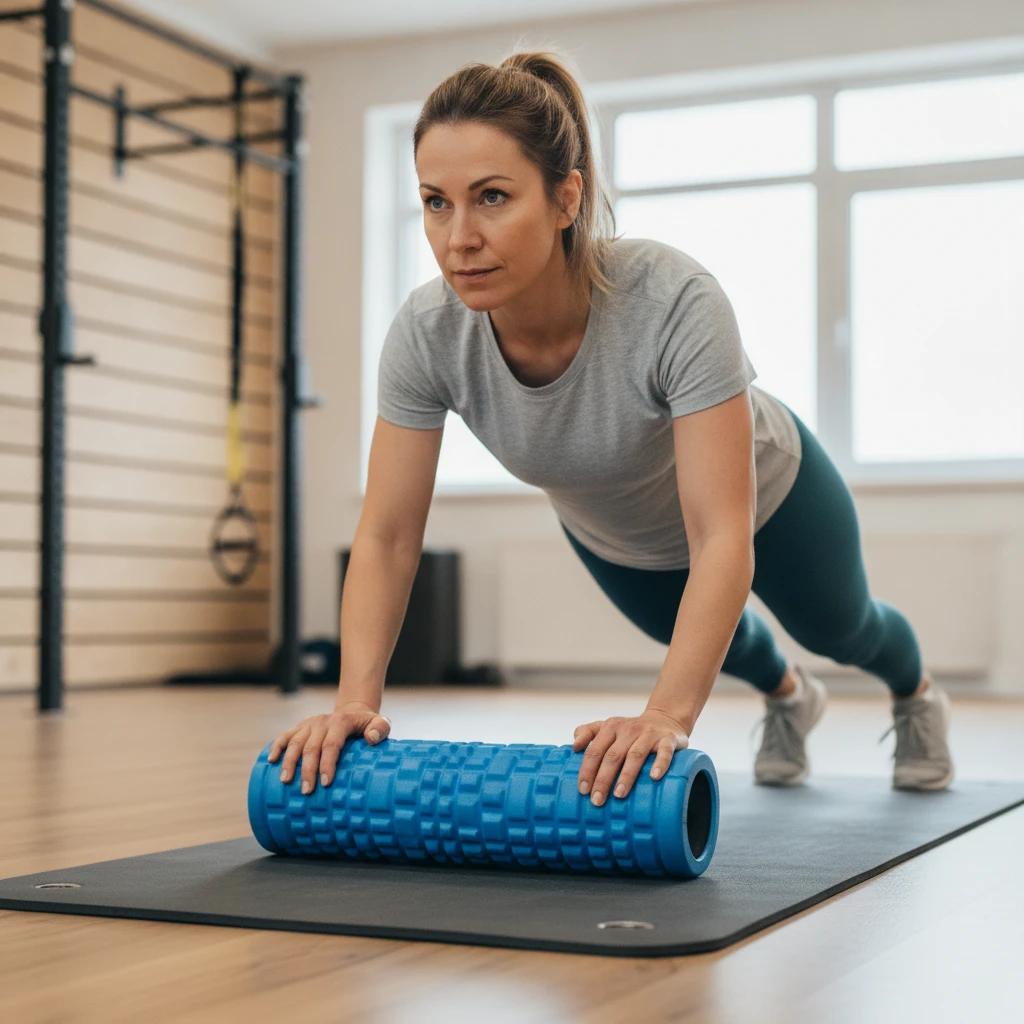
At its core, foam rolling is a technique known as self-myofascial release. Fascia is the dense, web-like connective tissue that surrounds muscles, bones, and organs, providing support and structure throughout the body. When this fascia becomes tight or adhered due to stress, injury, or inactivity, it can restrict muscle movement and cause pain. By applying sustained pressure with a foam roller, you are essentially creating a shearing and compressive force on these tissues. This action is thought to help break up adhesions and improve blood flow, leading to a reduction in tension and an increase in the tissue’s elasticity. Understanding the role fascia plays in adult mobility and recovery is key to appreciating the benefits of this practice.
Neurological Benefits for Muscle Relaxation and Flexibility
Beyond the mechanical effects on fascia, foam rolling also provides significant neurological benefits that contribute to muscle relaxation and improved flexibility. The pressure applied to muscles stimulates sensory receptors, such as Golgi tendon organs, which are responsible for detecting changes in muscle tension. This stimulation sends signals to the central nervous system, prompting a reflex called autogenic inhibition. This reflex essentially tells the muscle to relax, overriding its natural tendency to contract. Consequently, this allows the muscle to lengthen more effectively, leading to an immediate, albeit temporary, increase in its flexibility and range of motion. It’s a sophisticated interplay between physical pressure and nervous system response.
Enhancing Mobility: How Foam Rolling Improves Range of Motion
Targeting Key Areas for Improved Movement (Hips, Thoracic Spine, Shoulders)
Optimizing range of motion through foam rolling involves specifically targeting key areas that often become restricted in adults. For instance, rolling the hip flexors and glutes can unlock greater hip extension and internal/external rotation, which is vital for activities like walking, running, and squatting. Similarly, addressing the thoracic spine (mid-back) can significantly improve spinal rotation and extension, crucial for good posture and overhead movements. By consistently working on these areas, individuals can mitigate the stiffness that often limits their ability to perform functional movements in daily life, from reaching overhead to bending down comfortably. This targeted approach ensures that the efforts of foam rolling translate directly into better, more fluid movement patterns.
Integrating Foam Rolling for Pre-Workout Warm-ups
Incorporating foam rolling into your pre-workout warm-up routine is an effective strategy to enhance mobility and prepare your body for exercise. Unlike static stretching, which is generally better reserved for post-workout, dynamic foam rolling prior to activity helps to increase blood flow to the muscles and nervous system, effectively “waking them up.” This preparatory work can temporarily improve your range of motion without decreasing muscle power, making it an excellent precursor to more dynamic movements. By reducing tissue stiffness and improving local circulation, foam rolling can help you access a greater range of movement during your workout, potentially reducing the risk of injury and optimizing performance. It’s a strategic step towards a more effective and safer training session, supporting your overall functional mobility for daily life.
Easing Post-Workout Soreness and Aiding Recovery
Reducing Delayed Onset Muscle Soreness (DOMS)
Delayed Onset Muscle Soreness (DOMS) is a common experience after strenuous exercise, characterized by muscle pain and stiffness that typically peaks 24 to 72 hours post-activity. While foam rolling may not eliminate DOMS entirely, research suggests it can significantly reduce its severity and duration. The proposed mechanism involves increasing blood flow to the affected muscles, which helps in flushing out metabolic waste products that contribute to soreness. Additionally, the mechanical pressure can help in realigning muscle fibers and fascia that may have become disorganized during intense exertion. By mitigating the discomfort of DOMS, foam rolling can help maintain training consistency and improve overall exercise adherence.
Accelerating Muscle Repair and Blood Flow
Beyond soreness reduction, foam rolling actively contributes to the broader process of muscle repair and recovery by enhancing blood flow. Increased circulation delivers vital oxygen and nutrients to damaged muscle tissues, which are essential for cellular repair and regeneration. Simultaneously, improved lymphatic drainage helps remove inflammatory byproducts and waste materials, accelerating the healing process. This physiological support is critical for adults whose bodies may take longer to recover from physical stress. Regular foam rolling post-exercise, or even on rest days, can therefore act as a catalyst for a more efficient recovery, ensuring your muscles are primed for their next challenge. Prioritizing this aspect of your fitness regimen supports why daily recovery matters for adult energy.
Evidence-Based Insights: What Research Says About Foam Rolling
Understanding Short-Term vs. Long-Term Effects
Research into foam rolling often distinguishes between its immediate, acute benefits and its sustained, long-term impact on mobility and recovery. In the short term, studies consistently show that foam rolling can lead to acute increases in flexibility and range of motion, often without compromising subsequent athletic performance. This immediate effect is believed to stem from both mechanical changes in the fascia and muscles, and a neurological response that influences pain perception. Furthermore, it’s frequently cited for its ability to reduce the perception of delayed onset muscle soreness (DOMS), making post-workout recovery feel more manageable for adults in areas like Allentown and the broader Lehigh Valley.
Conversely, the evidence for significant long-term structural changes or permanent flexibility gains from foam rolling alone is less robust. While consistent application, especially when combined with a comprehensive fitness regimen, can contribute to maintaining improved mobility, it’s generally not a standalone solution for profound, lasting changes. The pitfall here is expecting foam rolling to magically fix chronic mobility issues without addressing underlying strength imbalances or movement patterns. Example: An adult client in Emmaus, after a challenging leg workout, might use foam rolling for 10 minutes, reporting immediate relief from muscle tightness. For sustained gains, however, this should be paired with exercises that support improve range of motion and help to reduce perceived muscle soreness, acting as a crucial component of warm-up and cool-down routines. However, it’s generally not capable of “breaking up” significant scar tissue or adhesions in a way that radically alters muscle structure, as some marketing claims might suggest. Its primary mechanism is more about modulating the nervous system and increasing blood flow, thereby enhancing tissue compliance.
Decision criteria for incorporating foam rolling include using it for pre-workout preparation to enhance movement potential, post-workout recovery to alleviate acute muscle tightness, or as a daily practice for general mobility maintenance. Actionable steps involve dedicating 5-10 minutes to rolling major muscle groups or specific areas of tension. It’s also important to understand that while foam rolling can be beneficial, severe or persistent pain should always be evaluated by a healthcare professional. For more insights into health research, one might consult resources from institutions like the National Institutes of Health.
Mastering Your Roll: Effective Techniques for Key Muscle Groups
Common Areas: Quads, Hamstrings, Glutes, Calves, Back, Lats
Effective foam rolling requires specific techniques tailored to each muscle group. For the quadriceps, lie face down with the roller under your upper thighs, supporting yourself on your forearms. Roll slowly from just above the knee to below your hip flexors, pausing on tender spots. When targeting the hamstrings, sit on the roller with it under one thigh, using your hands for support. Roll from your glutes to just above the knee, applying pressure as tolerated. To address the glutes, sit on the roller and shift your weight to one side, crossing one ankle over the opposite knee to deepen the stretch and allow for a more targeted release, moving slowly over the muscle.
For calves, position the roller under one calf while seated, lifting your hips to apply pressure. Roll from the ankle towards the knee. When rolling your back, focus exclusively on the upper and mid-back; avoid direct pressure on your lower back. Lie on your back with the roller perpendicular to your spine, hands behind your head to support your neck, and lift your hips slightly to roll up and down. Finally, for the lats, lie on your side with your arm extended overhead and the roller positioned just below your armpit, rolling slowly down the side of your ribcage. Remember, these movements should be slow, controlled, and deliberate, allowing muscles to relax into the pressure.
Do’s and Don’ts for Safe and Effective Rolling
To ensure your foam rolling practice is both safe and effective, adhere to these fundamental guidelines. Do roll slowly and deliberately, moving approximately one inch per second. When you encounter a tender spot, known as a “trigger point,” pause and hold pressure on that area for 30-90 seconds while breathing deeply, allowing the muscle to relax. Incorporate foam rolling as a strategic component of your recovery, understanding Don’t roll directly over joints, such as your knees or elbows, as this can cause irritation rather than benefit the surrounding muscles. Avoid rolling over bony prominences directly. Never roll through sharp, shooting pain; discomfort is expected, but pain indicates you should either adjust your position, reduce pressure, or stop altogether. Similarly, when rolling your back, avoid hyperextending your lower lumbar spine excessively. Always listen to your body and adjust pressure or technique as needed. Proper hydration before and after rolling can also enhance its effectiveness by supporting tissue health.
Choosing the Right Tool: Foam Roller Types and When to Use Them
Density and Texture: Which is Best for Your Needs?
The effectiveness of foam rolling can significantly depend on the type of roller you choose, particularly its density and texture. Foam rollers typically range from soft to extra firm. Softer rollers, often white or pastel-colored, are ideal for beginners or individuals with high muscle sensitivity, providing gentle pressure for general relaxation and light massage. Medium-density rollers, usually blue or black, are the most versatile and popular choice, offering a balance of comfort and effectiveness for general muscle release and recovery for most adults. They provide enough pressure to work into tissues without being overly aggressive.
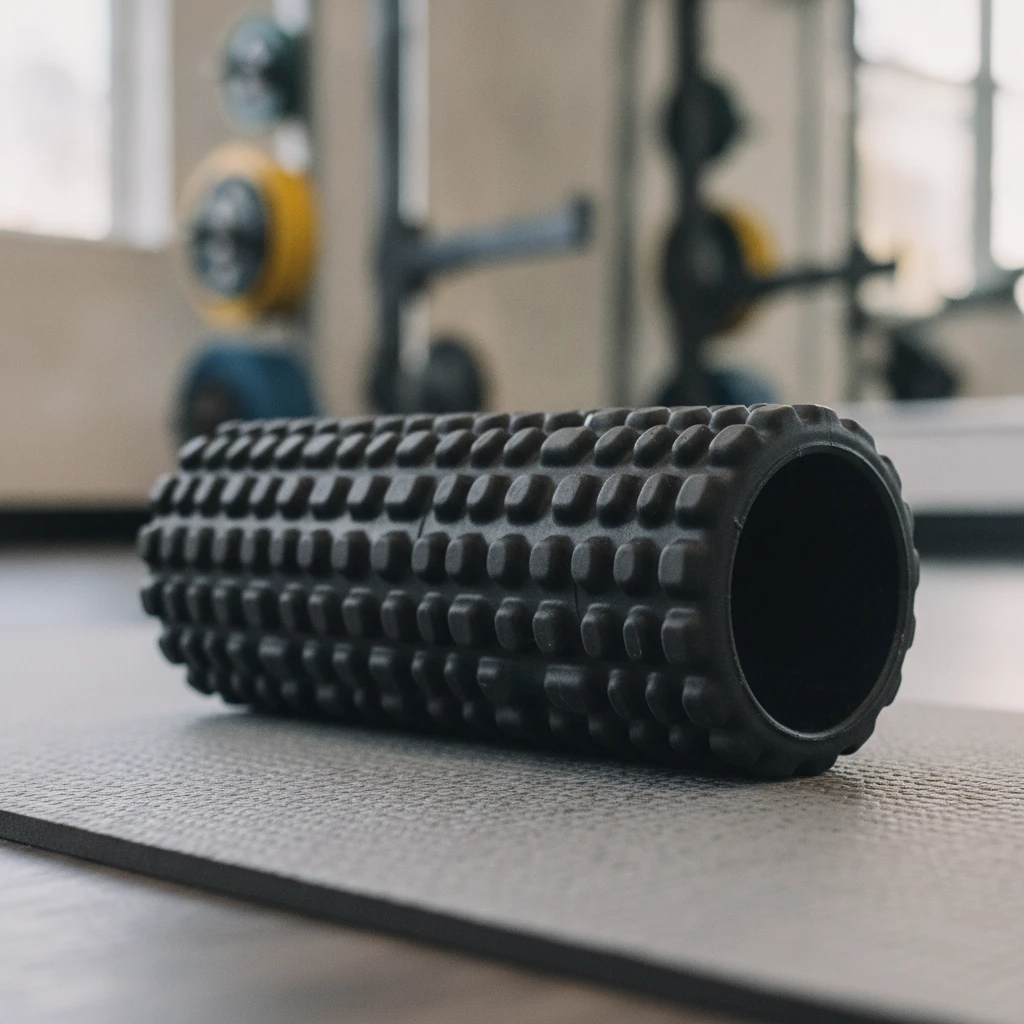
For more experienced users or those with very dense musculature, firm to extra-firm rollers (often black or dark-colored) provide deeper tissue work. These are excellent for targeting stubborn knots and areas requiring significant pressure. Textured rollers, which feature knobs, ridges, or grid patterns, are designed to mimic the feeling of a therapist’s fingers or thumbs, offering varied pressure points for more intense, localized muscle manipulation. The decision criteria should always align with your comfort level, experience, and the specific intensity you desire, as starting with a roller that is too firm can cause discomfort or even bruising, leading to an aversion to the practice.
Rollers vs. Massage Balls: Targeting Specific Tight Spots
While foam rollers are excellent for addressing larger muscle groups, massage balls offer a unique advantage for localized trigger points and hard-to-reach areas. Standard foam rollers are ideal for broad muscle groups like the quadriceps, hamstrings, glutes, and the broad muscles of the back. Their length and cylindrical shape allow for efficient coverage of these larger areas, promoting overall muscle relaxation and increased blood flow.
Massage balls, such as lacrosse balls, golf balls, or specially designed spiky massage balls, are perfectly suited for precision work. They can effectively target smaller, deeper muscles like the piriformis, rotator cuff muscles, or areas around the shoulder blades, and even the arches of the feet. Example: A client experiencing persistent tightness in their deep hip rotators in Macungie might find a massage ball more effective for direct pressure than a standard roller. A combination approach often yields the best results: use a foam roller for general warm-up and cool-down routines, then follow up with a massage ball for any specific knots or tight spots that require more intense, targeted pressure. This ensures comprehensive muscle care and contributes to overall improved
Integrating Foam Rolling into Your Busy Routine
Quick Sessions for Daily Maintenance and Stress Relief
For busy adults, integrating foam rolling into a daily routine might seem challenging, but even quick sessions can yield significant benefits for both physical maintenance and stress relief. Just 5-10 minutes each day can make a substantial difference in maintaining mobility and alleviating the tension accumulated throughout the day. Consider foam rolling as part of your morning routine to wake up muscles and improve blood flow, or as an evening practice to unwind and release physical tension before bed. This is particularly beneficial for those with habitual tightness in areas like the upper back, neck, and hips, common among desk-bound professionals.
To make it an accessible habit, place your foam roller in a visible location—perhaps near your television, beside your bed, or even at your office if space permits. Actionable steps include focusing on 2-3 key muscle groups that feel tightest on any given day, rather than attempting a full-body roll every time. This strategic approach ensures you get maximum benefit from minimal time investment. Regular, brief sessions are far more effective than sporadic, lengthy ones for promoting consistent improve adult longevity provides a holistic approach to movement health. By consistently combining these elements, you can achieve superior flexibility, reduced muscle discomfort, and improved overall physical performance.
Beyond the Roll: Holistic Approaches to Mobility & Recovery
While foam rolling serves as a valuable tool for improving tissue pliability and reducing muscular tension, it’s essential to view it as one component within a broader, more effective strategy for enhancing adult mobility and recovery. A truly holistic approach integrates various elements that collectively support joint health, muscle function, and overall physical well-being. Focusing solely on foam rolling risks overlooking foundational aspects like proper movement patterns, sustained flexibility, and the body’s internal reparative processes. For lasting improvements in how your body moves and feels, especially for adults aged 30-65, a multi-faceted strategy that addresses all facets of physical wellness is paramount. This includes not just release techniques, but also strengthening, conditioning, and crucial lifestyle factors that directly impact your body’s ability to adapt and recover.
The Crucial Role of Hydration and Nutrition
Optimal hydration and targeted nutrition are often overlooked pillars of effective mobility and recovery. Adequate water intake is fundamental, as water constitutes a significant portion of our connective tissues, including fascia, ligaments, and tendons. When the body is properly hydrated, these tissues maintain their elasticity and pliability, which is critical for smooth movement and reducing friction within joints. Dehydration, conversely, can make tissues stiff and more prone to injury, making foam rolling less effective or even uncomfortable. A good rule of thumb is to drink water consistently throughout the day, aiming for at least half your body weight in ounces daily, adjusting for activity levels.
Nutrition plays an equally significant role. Consuming a diet rich in whole, unprocessed foods, with an emphasis on anti-inflammatory nutrients, supports the body’s natural healing processes. Proteins are vital for muscle repair and rebuilding, while healthy fats (like omega-3s) can reduce inflammation and improve joint lubrication. Incorporating a wide variety of fruits, vegetables, and lean protein sources provides the micronutrients necessary for robust tissue health and quicker recovery from physical activity. This synergistic effect of hydration and nutrition creates an optimal internal environment, making your external mobility efforts, such as foam rolling, far more impactful.
How Personalized Training Enhances Your Mobility Journey
Foam rolling can prepare your muscles for activity or aid in post-exercise recovery, but it’s personalized training that fundamentally builds and sustains improved mobility. A tailored program, designed by an expert, goes beyond generic stretches to address your specific limitations and goals. This often involves a blend of strength training, targeted corrective exercises, and dynamic stretching, all precisely calibrated to your body’s needs. For example, if tight hip flexors are limiting your stride, a trainer might prescribe specific strengthening exercises for your glutes in conjunction with foam rolling to create balance and lasting change.
Personalized training ensures that you not only gain flexibility but also develop the stability and control necessary to utilize that new range of motion safely and effectively. Simply increasing passive range of motion without corresponding strength can actually increase injury risk. An expert coach can identify movement imbalances, guide you through proper form, and progress your exercises intelligently. This structured, individual approach is critical for adults looking to improve functional mobility, prevent injuries, and build a resilient body that moves with ease for years to come. This individualized guidance maximizes the benefits of every mobility effort, including foam rolling, by integrating it into a comprehensive strategy for long-term physical health.
Your Questions Answered: Foam Rolling FAQs
How long should I foam roll for each session?
The optimal duration for foam rolling can vary based on individual needs and the specific area being targeted. Generally, aiming for 30-90 seconds per muscle group is a good starting point. For particularly tight or tender spots, known as trigger points, you might hold pressure for 20-30 seconds, allowing the tissue to release, before moving on. The goal isn’t necessarily to spend a prolonged time on one area, but rather to apply consistent, controlled pressure that encourages muscle relaxation and improved blood flow. A full-body foam rolling session might take anywhere from 10 to 20 minutes, depending on how many areas you address. Prioritize quality over excessive duration, ensuring you are breathing deeply and not tensing up during the process.
Should foam rolling always be painful to be effective?
No, foam rolling should not always be excruciatingly painful to be effective. While you might experience some discomfort or a “good sore” sensation, especially when addressing very tight muscles or trigger points, sharp, debilitating, or radiating pain is a sign to stop or adjust your technique. Think of the sensation as a deep tissue massage – it can be intense, but it shouldn’t feel damaging. If the pain is too severe, you might be applying too much pressure, rolling over a bone or nerve, or have an underlying issue that requires professional attention. The aim is to elicit a release in the muscle, which is often accompanied by a gradual reduction in discomfort as the tissue relaxes, not to endure unbearable pain for extended periods. Listen to your body and adjust pressure accordingly.
Can foam rolling replace professional stretching or physical therapy?
Foam rolling is an excellent tool for self-myofascial release and can significantly improve tissue flexibility and reduce muscle soreness, but it cannot replace professional stretching or physical therapy. It’s best viewed as a complementary practice that supports these more specialized interventions. Professional stretching, often performed by a certified trainer or physical therapist, can achieve deeper stretches and target specific muscles with a precision that’s difficult to replicate on your own. Physical therapy, on the other hand, involves a comprehensive diagnostic and treatment plan for injuries, chronic pain, or significant mobility impairments. A physical therapist assesses your overall movement patterns, identifies root causes of dysfunction, and provides tailored exercises, manual therapy, and education. While foam rolling can be a component of a physical therapy plan, it does not offer the same diagnostic, prescriptive, or rehabilitative capacity as a licensed professional.
Where can I find personalized mobility and recovery support in Allentown, PA?
For adults seeking personalized mobility and recovery support in Allentown, PA, Forward Thinking Fitness offers comprehensive services designed to meet your unique needs. Our expert team specializes in creating individualized programs that integrate various techniques, including guidance on effective foam rolling, alongside personalized strength training, corrective exercises, and nutritional strategies. We understand that improving mobility and optimizing recovery is a dynamic process, and our coaches provide the hands-on expertise to help you navigate it safely and effectively. Whether you’re dealing with specific limitations, looking to enhance athletic performance, or simply aiming to move with greater ease in your daily life, our personalized approach focuses on creating sustainable results. We invite you to visit our facility in Allentown to discover how our tailored programs can support your long-term wellness goals and help you achieve superior mobility and recovery outcomes. Learn more about how local personal training can make a difference.
By understanding foam rolling’s place within a broader wellness strategy and seeking expert guidance, adults can significantly enhance their mobility, reduce discomfort, and achieve a more resilient and functional body.