

Adult life in 2026 presents a unique paradox: many of us spend hours seated, while others push their bodies to new limits in increasingly demanding fitness regimes. Navigating these extremes effectively requires a strategic approach to both mobility and recovery.
Understanding how your body moves and repairs itself isn’t just for athletes; it’s fundamental for anyone aiming to maintain an active lifestyle, prevent discomfort, and ensure lasting vitality well into their golden years.
Navigating the Demands: Why Adult Mobility and Recovery Matter More Than Ever
The Impact of Sedentary Lifestyles and Active Pursuits
Modern adult life often involves significant periods of inactivity, whether from desk jobs, long commutes, or extensive screen time. This sedentary behavior can lead to a host of issues, including muscle imbalances, stiffness, and reduced joint mobility, contributing to discomfort and potential injury when activity does occur. Conversely, many adults are engaging in more intense physical pursuits, from high-intensity interval training (HIIT) to marathon running and strength training. While beneficial, these activities place considerable stress on the musculoskeletal system, demanding effective strategies for muscle repair, inflammation reduction, and tissue regeneration. The common thread is clear: whether you’re largely sedentary or highly active, a thoughtful approach to recovery and mobility is not just beneficial, but critically necessary for sustainable health and performance. Neglecting these aspects can lead to burnout, chronic pain, and a decline in overall physical capability.
The Link Between Mobility, Recovery, and Long-Term Health
Mobility refers to the ability to move your joints freely through their full range of motion, and it’s a cornerstone of physical independence. Excellent mobility can significantly reduce the risk of injury, improve athletic performance, and make everyday tasks feel effortless. Recovery, on the other hand, is the body’s essential process of repair and adaptation following physical stress. This includes repairing muscle fibers, replenishing energy stores, and reducing inflammation. Together, robust mobility and effective recovery are foundational to long-term health, directly influencing everything from posture and balance to joint integrity and systemic well-being. Failing to prioritize these elements can accelerate age-related decline, lead to persistent aches, and diminish your capacity to engage in activities you enjoy, ultimately impacting your quality of life. Investing in these areas today is an investment in your future self.

The Core Question: How Regular Massage Unlocks Better Movement and Faster Rebound
Regular massage therapy serves as a powerful, non-invasive tool to proactively address both mobility limitations and recovery deficits, offering a multifaceted approach to adult well-being. Unlike passive rest, massage actively engages with your body’s tissues and systems to facilitate change. By applying targeted pressure and manipulation, it can directly impact muscle tension, scar tissue formation, and fascial restrictions, which are common culprits behind reduced range of motion and persistent stiffness. The decision to incorporate regular massage into your routine should consider factors like your activity level, specific mobility goals, and any existing discomfort. For example, an active individual might benefit from deep tissue massage to aid post-workout recovery, while someone with a desk job might find Swedish massage helpful for stress reduction and postural correction. Pitfalls include expecting immediate, permanent results from a single session or choosing an unqualified therapist. The true power lies in consistency and a personalized approach, working with a skilled professional to tailor sessions to your evolving needs and integrate massage as a core component of your ongoing wellness strategy.
Unpacking the Science: How Massage Works on Your Body
Reducing Muscle Tension and Myofascial Release
One of the most immediate and profound effects of massage is its ability to reduce muscle tension. Through various techniques, from gentle kneading to deeper pressure, a skilled therapist can identify and alleviate hypertonic muscles, trigger points, and myofascial adhesions. These “knots” are often areas where muscle fibers become contracted and blood flow is restricted, leading to pain and limited movement. Myofascial release specifically targets the fascia, the connective tissue that encases muscles, bones, and organs. By applying sustained pressure and stretch, massage helps to lengthen and release tight fascial layers, which can become stiff and restrict movement due to injury, inactivity, or repetitive strain. This mechanical action not only provides immediate relief but also helps to restore the muscle’s natural length and elasticity, improving its function and reducing discomfort. The ability to break down adhesions and restore tissue pliability is a key mechanism by which massage directly enhances mobility.
Boosting Circulation and Lymphatic Flow
Massage has a well-documented impact on the circulatory and lymphatic systems. The physical manipulation of soft tissues during a massage session can mechanically increase blood flow to targeted areas. This influx of oxygen-rich blood and vital nutrients is crucial for tissue repair and regeneration, especially after strenuous activity or injury. Simultaneously, massage promotes lymphatic drainage, which is essential for removing metabolic waste products, excess fluid, and inflammatory compounds from the tissues. A sluggish lymphatic system can contribute to swelling, stiffness, and a prolonged recovery time. By stimulating lymphatic flow, massage aids the body’s natural detoxification processes, reducing post-exercise soreness and accelerating the healing process. This dual action of enhancing nutrient delivery and waste removal makes massage an invaluable tool for both immediate post-workout recovery and long-term tissue health, contributing significantly to a faster, more effective rebound.
Modulating Pain Perception and Relaxation Response
Beyond its mechanical effects, massage profoundly influences the nervous system, offering significant benefits in modulating pain perception and promoting relaxation. The gentle, rhythmic pressure and soothing environment associated with massage activate the parasympathetic nervous system, commonly known as the “rest and digest” system. This activation leads to a reduction in stress hormones like cortisol and an increase in feel-good neurochemicals such as endorphins, serotonin, and dopamine. These neurochemical shifts contribute to a natural analgesic effect, helping to reduce the sensation of pain and elevate mood. Furthermore, by providing novel sensory input, massage can effectively override pain signals travelling to the brain. This comprehensive nervous system response helps individuals achieve a state of deep relaxation, which is not only pleasurable but also crucial for the body’s natural healing processes and for alleviating the mental stress that often accompanies physical discomfort.
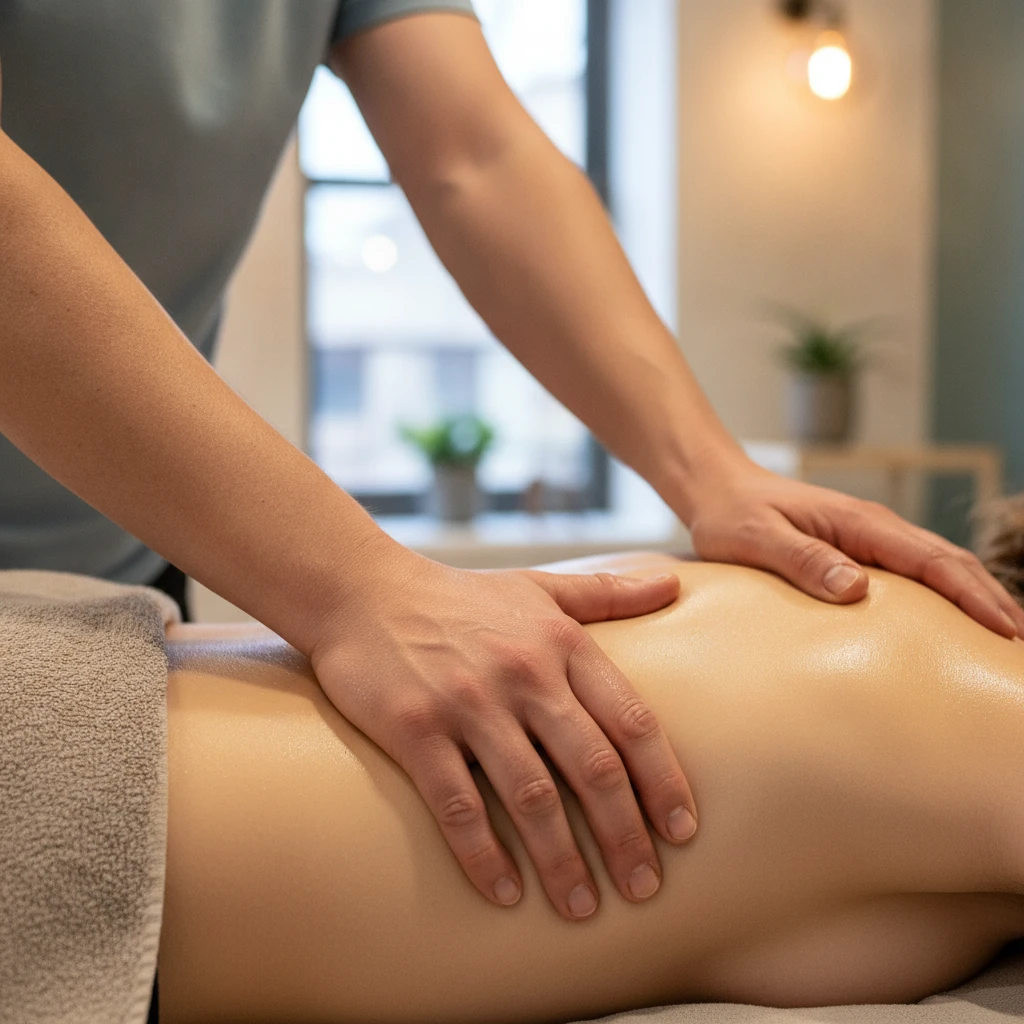
Enhancing Mobility: Move Freely, Live Fully
Increasing Range of Motion in Joints
A primary goal of incorporating regular massage into a wellness routine is to directly improve the range of motion (ROM) in your joints. Restrictive soft tissues—tight muscles, tendons, ligaments, and fascia—often limit how far a joint can comfortably move. Massage therapy works by elongating these tissues, breaking down adhesions, and increasing their elasticity, thereby reducing the physical barriers to movement. For instance, addressing tight hip flexors or hamstrings can significantly improve pelvic mobility and extension, which is crucial for walking, running, and even sitting comfortably. Similarly, releasing tension in the shoulders and upper back can restore the full overhead reach. By improving the pliability and length of the surrounding musculature, massage helps joints move through their optimal physiological limits with greater ease and less discomfort, directly translating to better functional movement in daily life. For specific strategies on improving mobility in these critical areas, explore how adults can
Preventing Stiffness and Age-Related Decline
As we age, a natural process of tissue stiffening and reduced elasticity tends to occur, often leading to decreased mobility and increased susceptibility to injury. This age-related decline, sometimes referred to as sarcopenia and reduced tissue compliance, can be significantly mitigated through regular massage. By maintaining tissue hydration, breaking up collagen cross-links, and promoting ongoing blood flow, massage helps to keep muscles, fascia, and connective tissues supple and pliable. This proactive approach helps to counteract the natural progression of stiffness, enabling adults to retain a greater degree of functional independence and physical freedom for longer. It’s an investment in healthy aging, allowing individuals to continue participating in activities they love without the limitations imposed by chronic stiffness. Understanding why recovery is crucial for adults over 40 further underscores the importance of such preventative measures.
Accelerating Workout Recovery: Bounce Back Stronger
For adults committed to their fitness journey, understanding and optimizing workout recovery is just as crucial as the training itself. Massage therapy offers a powerful avenue to accelerate this process, allowing you to return to your next session feeling refreshed and ready to perform. It’s not merely a luxury but a strategic tool that directly impacts your ability to sustain a challenging fitness regimen and achieve long-term strength and mobility goals. Neglecting recovery can lead to plateaus, increased injury risk, and diminished motivation, making effective recovery techniques like massage indispensable for active individuals in the Lehigh Valley and beyond.
Minimizing Post-Exercise Soreness (DOMS)
Delayed Onset Muscle Soreness (DOMS) is a familiar sensation after intense or unaccustomed exercise, characterized by muscle pain and stiffness that peaks 24 to 72 hours post-workout. Massage helps minimize DOMS by increasing blood flow to the affected muscles, which aids in the removal of metabolic waste products like lactic acid and delivers vital nutrients for repair. A post-exercise massage can significantly reduce the severity and duration of soreness, making your subsequent workouts feel less daunting. For instance, an athlete in Allentown might find that a session of effleurage and petrissage within a few hours of a heavy leg day can dramatically lessen the typical incapacitating soreness, allowing for quicker return to activity.
Repairing Micro-Tears and Reducing Inflammation
Intense physical activity, especially strength training, causes microscopic tears in muscle fibers. This micro-trauma is a necessary stimulus for muscle growth, but it also triggers an inflammatory response. Massage can assist in the healing of these micro-tears by enhancing circulation, which brings oxygen and nutrients to damaged tissues. Simultaneously, certain massage techniques can help reduce excessive inflammation, preventing it from hindering the repair process. However, it’s crucial to ensure the massage is not overly aggressive on acutely injured areas, as this could exacerbate inflammation. A skilled therapist understands how to apply the appropriate pressure to facilitate healing without causing further damage, ensuring your body can effectively rebuild stronger.
Optimizing Muscle Function for Subsequent Workouts
Beyond immediate soreness and repair, massage plays a key role in optimizing overall muscle function, which directly translates to better performance in future workouts. By improving muscle elasticity and reducing adhesions within muscle fibers and fascia, massage can restore and enhance your range of motion and flexibility. This improved suppleness allows muscles to contract and relax more efficiently, leading to better power output and coordination. For individuals engaged in regular physical activity, periodic massage helps maintain optimal muscle length and tension, reducing neurological inhibition and ensuring your muscles are primed for subsequent training sessions. This means you can lift heavier, move more fluidly, and ultimately progress faster towards your fitness aspirations.
Your Massage Options for Mobility and Recovery Goals
When considering massage for mobility and recovery, it’s helpful to understand that not all massages are created equal. Different techniques target specific physiological responses and address various concerns, from deep-seated muscle knots to general stress reduction. Choosing the right type of massage depends on your individual goals, activity level, and any specific areas of concern. Consulting with a qualified massage therapist in the Lehigh Valley, perhaps one associated with a fitness center, can help you determine the most effective approach for your needs, ensuring you invest in the most beneficial treatment for your body.
Deep Tissue and Sports Massage Techniques
Deep tissue and sports massage techniques are specifically designed for active individuals and those with chronic muscle tension. Deep tissue massage focuses on the deeper layers of muscle and connective tissue, using slow, sustained pressure to release knots and break down adhesions that can restrict movement and cause pain. Sports massage, on the other hand, often incorporates dynamic stretching and more specific techniques tailored to the athlete’s sport, aiming to prevent injuries, prepare the body for activity, and aid recovery. Both are ideal for addressing chronic pain, improving range of motion, and reducing post-exercise muscle fatigue. If you’re a regular at strength training or high-intensity exercise, these targeted approaches can be profoundly beneficial for your continued progress and well-being.
Myofascial Release and Trigger Point Therapy
Myofascial release and trigger point therapy specifically target the fascia, the tough connective tissue that surrounds and supports muscles, bones, and organs. Myofascial release involves applying gentle, sustained pressure to release restrictions in the fascia that can cause pain and limit mobility. Trigger point therapy focuses on identifying and deactivating “trigger points” – hyperirritable spots within a taut band of muscle that can refer pain to other areas of the body. These techniques are highly effective for treating specific areas of persistent pain, improving flexibility, and restoring normal movement patterns. For someone experiencing localized pain or restricted movement in areas like the hips or knees, these targeted methods can provide significant relief and improved function, contributing to better overall joint health.
Swedish Massage for Relaxation and General Wellness
While deep tissue and sports massages are often recovery-focused, Swedish massage remains an excellent option for general wellness, stress reduction, and lighter muscle soreness. This classic technique uses long, flowing strokes, kneading, circular movements, and gentle tapping to promote relaxation and improve circulation. The primary benefits include reduced stress, improved mood, and mild pain relief, making it a wonderful choice for mental and physical rejuvenation. For individuals in busy professions in Bethlehem or Easton who might not be engaging in high-intensity training but still experience everyday stiffness and tension, a regular Swedish massage can be a vital component of their self-care routine, enhancing overall well-being and contributing to a healthier, more balanced lifestyle.
Integrating Massage into Your Overall Wellness Strategy
Massage isn’t a standalone solution but a powerful complement to a holistic wellness strategy. To maximize its benefits, it should be thoughtfully integrated alongside other health practices. This includes considering how frequently you receive massages, how it synergizes with your exercise and stretching routines, and critically, how well you listen to your body’s feedback. For adults aiming for sustainable health improvements in the Lehigh Valley, a comprehensive approach that includes personalized fitness plans and professional recovery services often yields the best and most lasting results. Thinking of massage as part of your proactive health maintenance, rather than just a reactive treatment, can transform your fitness journey.
Recommended Frequency for Optimal Benefits
The ideal frequency for massage therapy varies significantly based on individual factors like activity level, fitness goals, stress levels, and budget. For general wellness and maintenance, a monthly massage can be highly beneficial. However, for those engaged in intense training, recovering from an injury, or dealing with chronic muscle issues, more frequent sessions—perhaps every two weeks or even weekly for a period—might be necessary. The key is to find a frequency that supports your body’s recovery and mobility needs without causing over-treatment. It’s often advisable to discuss your training schedule and specific concerns with your massage therapist, who can recommend a personalized plan tailored to your lifestyle and objectives.
Combining Massage with Strength Training and Stretching
Massage works synergistically with other components of a well-rounded fitness regimen, particularly strength training and stretching. Incorporating massage can prepare muscles for a workout by increasing blood flow and flexibility, or it can aid recovery by reducing soreness and promoting tissue repair post-exercise. For example, individuals focusing on increasing their range of motion in complex lifts benefit greatly from combining specific mobility drills with targeted massage. Furthermore, understanding the crucial role of recovery for adults over 40 highlights why integrating massage into your routine, alongside regular strength training and dedicated stretching, can significantly enhance your physical capabilities and prevent injury, contributing to a more effective and sustainable fitness journey.
Listening to Your Body’s Signals
Perhaps the most critical aspect of integrating massage into your wellness strategy is learning to . While a massage therapist can identify areas of tension and restriction, only you truly know how your body feels. Pay attention to how different types of massage affect you, noting improvements in mobility, reductions in pain, and overall feelings of well-being. If a particular technique feels too intense or causes discomfort beyond the “good pain” of releasing a knot, communicate this immediately. This feedback loop ensures that your massage sessions are always therapeutic and aligned with your body’s unique needs, preventing over-treatment and optimizing the benefits for long-term health in the Lehigh Valley.
Beyond Massage: Complementary Recovery & Mobility Tools
While massage is an excellent tool, a truly comprehensive approach to adult mobility and workout recovery involves a combination of strategies. To achieve optimal performance, prevent injuries, and ensure long-term physical well-being, it’s essential to consider a range of complementary practices that support muscle health, flexibility, and overall bodily function. These tools, when used thoughtfully alongside massage, create a robust framework for recovery, allowing you to sustain your fitness goals and enjoy an active lifestyle for years to come. Thinking holistically about your body’s needs ensures you’re addressing every angle of recovery and mobility, from deep tissue work to daily habits.
The Role of Targeted Stretching and Mobility Drills
Targeted stretching and mobility drills are fundamental to maintaining and improving an adult’s range of motion and joint health. Unlike passive massage, these are active practices that empower you to take control of your flexibility and joint stability. Dynamic stretches, performed before a workout, prepare your muscles for movement, while static stretches, held post-workout, help lengthen muscles and improve flexibility. Specific mobility drills, such as those aimed at
The Importance of Nutrition, Hydration, and Quality Sleep
No discussion of recovery and mobility would be complete without emphasizing the foundational importance of nutrition, hydration, and quality sleep. These are the cornerstones of all physical repair and performance. Adequate protein intake provides the amino acids necessary for muscle repair and growth, while carbohydrates replenish glycogen stores for energy. Proper hydration is critical for cellular function, nutrient transport, and joint lubrication. Crucially, sleep is when the body undertakes its most significant repair processes, including hormone regulation and tissue regeneration. Prioritizing these elements is non-negotiable for anyone serious about their fitness. For further insights into maximizing your rest, consider exploring how World Health Organization.
Choosing the Right Recovery Path in the Lehigh Valley
What to Look for in a Qualified Massage Therapist
Selecting the right massage therapist is a crucial step in optimizing your recovery journey, especially within the diverse options available across the Lehigh Valley. A primary criterion should be their qualifications and certifications. Ensure your therapist is licensed, typically a Licensed Massage Therapist (LMT), which guarantees they have met state-mandated training and examination standards. Beyond basic licensing, look for practitioners with specialized training in areas relevant to your needs, such as sports massage, deep tissue, myofascial release, or therapeutic techniques for specific injuries. Their experience with athletes or individuals focused on mobility and recovery is invaluable.
Another essential factor is their communication style and client reviews. A good therapist will conduct a thorough intake, listen attentively to your goals, concerns, and pain points, and explain their approach. They should be able to articulate how massage can benefit your specific fitness and mobility aims. Pitfalls to avoid include choosing a therapist solely based on the lowest price without verifying credentials or neglecting an initial consultation to gauge rapport. Always ask about their specific experience with cases similar to yours. For resources on finding qualified professionals, the American Massage Therapy Association offers valuable guidelines on what to expect from professional practitioners.
How Forward Thinking Fitness Supports Your Recovery Journey
At Forward Thinking Fitness, we understand that effective recovery is not a standalone service but an integral component of your overall health and fitness strategy. Our approach to massage and recovery services in the Lehigh Valley is designed to integrate seamlessly with your personalized fitness and nutrition plans. We offer targeted massage therapy that complements your strength training and mobility work, helping to address muscle imbalances, reduce soreness, and enhance flexibility. Our certified therapists work closely with our personal trainers to ensure a cohesive program tailored to your unique needs.
We emphasize a holistic recovery strategy, recognizing that factors beyond massage, such as hip and knee mobility or reduce post-workout discomfort, our recovery services are an actionable step towards achieving those goals. We pride ourselves on creating a supportive environment where every aspect of your wellness journey is considered and optimized.
Frequently Asked Questions About Massage and Recovery
Is massage painful, and how deep should it be?
The experience of massage can vary significantly, and the notion of it being universally painful is often a misconception. While some therapeutic techniques, particularly deep tissue or trigger point therapy, might elicit a sensation of “good pain” or discomfort as tight muscles release, it should never be sharp, unbearable, or cause you to tense up further. A qualified massage therapist will continuously communicate with you, asking about your comfort level and adjusting pressure accordingly. The ideal depth of a massage is subjective and depends entirely on your personal tolerance, the specific muscle groups being worked, and your recovery goals.
For relaxation, a lighter touch may be sufficient. However, to address deeper adhesions, chronic knots, or significant post-workout tightness, more sustained and deeper pressure may be necessary. The key is open communication with your therapist. You should always feel empowered to speak up if the pressure is too intense or uncomfortable. Remember, the goal is often to encourage muscle relaxation and repair, not to create additional stress or injury.
How long after a workout should I get a massage?
The optimal timing for a massage after a workout depends on your specific goals and the intensity of your exercise. For general muscle relaxation and to promote immediate blood flow, a light, gentle massage or self-myofascial release can be beneficial almost immediately after a workout. This can help flush metabolic waste and reduce the initial onset of stiffness.
However, for more intensive therapeutic work aimed at reducing delayed onset muscle soreness (DOMS), addressing specific muscle tightness, or improving flexibility, it’s often recommended to wait 24 to 48 hours post-workout. This allows acute inflammation to subside slightly. For example, after a heavy leg day, receiving a deep tissue massage two days later could significantly help mitigate soreness and aid muscle recovery more effectively than immediately afterwards. Incorporating regular massage into your routine, regardless of immediate post-workout timing, is crucial for sustained
Can massage help with chronic pain beyond recovery?
Yes, massage therapy can be a highly effective component in the comprehensive management of chronic pain, extending its benefits well beyond acute workout recovery. While recovery focuses on post-exercise repair, chronic pain management often involves addressing persistent musculoskeletal issues, reducing stress, and improving overall function. Massage works to alleviate muscle tension, reduce spasms, and improve circulation to affected areas, which can significantly decrease pain levels.
It can also help break the cycle of chronic pain by reducing the body’s stress response and promoting relaxation. Many individuals suffering from conditions like lower back pain, fibromyalgia, or tension headaches find considerable relief through regular therapeutic massage. However, it’s essential to view massage as part of a broader, integrated treatment plan that might also include medical fitness programs, physical therapy, and other medical interventions. Consulting with healthcare professionals to develop a personalized chronic pain management strategy that incorporates massage is always advisable for optimal results.
Understanding the nuances of massage therapy and how it integrates into a comprehensive wellness strategy is key to maximizing its benefits for mobility and recovery. By choosing qualified professionals and aligning services with your personal health objectives, adults in the Lehigh Valley can significantly enhance their physical well-being.