
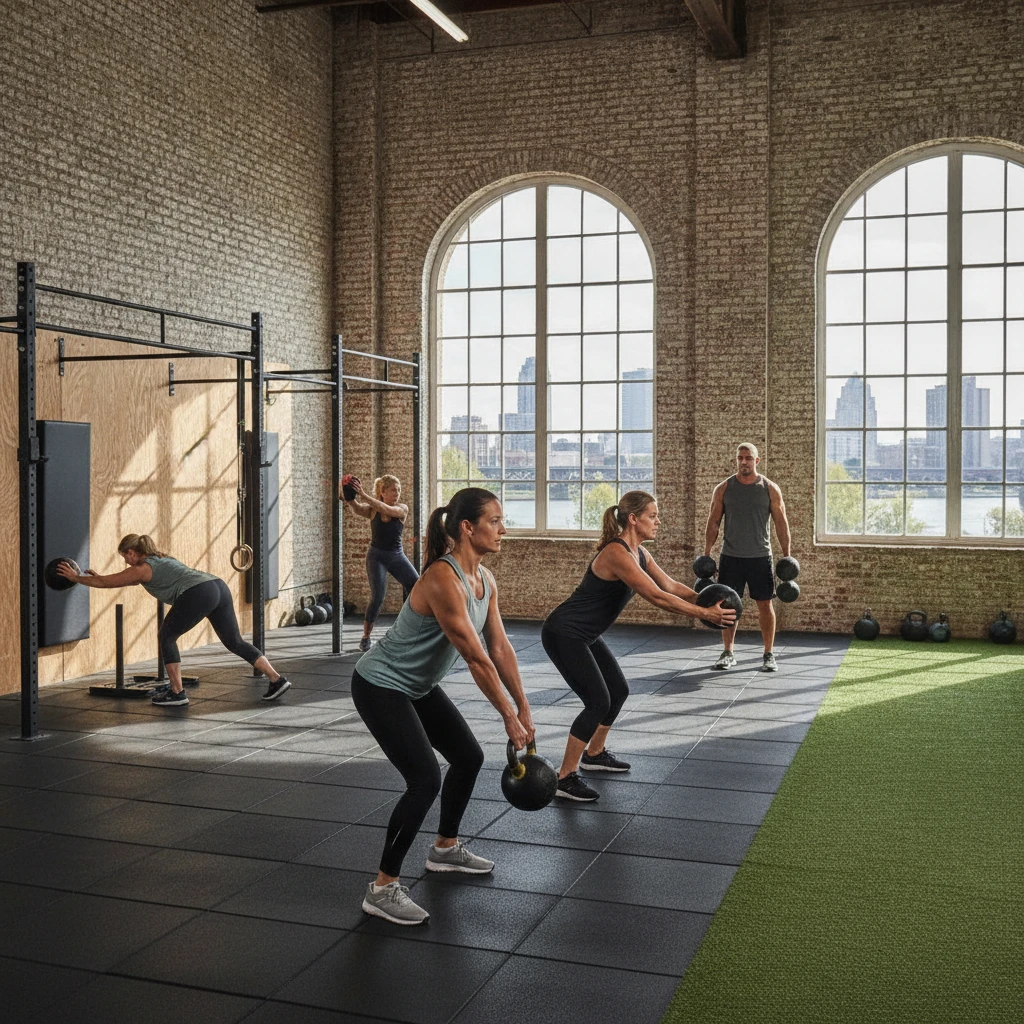
For adults in Allentown, PA, navigating the demands of daily life often requires more than just endurance; it requires practical, adaptable strength. Functional strength training moves beyond traditional gym routines, focusing on movements that directly translate to improved capability and resilience in everyday activities.
This approach is particularly vital for individuals aged 30-65 who seek to maintain their vitality, prevent age-related decline, and enhance their overall quality of life. Discover how building a foundation of functional strength can profoundly impact your health and independence.
Building a Stronger Foundation for Everyday Life
The Importance of Functional Movement as We Age
As we age, the ability to perform everyday tasks efficiently and without discomfort becomes increasingly valuable. Functional movement training is specifically designed to support these critical actions, such as lifting, bending, reaching, and carrying. Instead of isolating muscles, it trains them to work together synergistically, mimicking the complex demands of real-world activities. This approach helps adults in the Allentown area maintain their physical prowess, ensuring that simple yet essential movements remain effortless and pain-free for years to come. Investing in this type of training is an investment in your long-term independence and capacity for a full, active life.
Preventing Injury and Maintaining Independence
One of the most significant benefits of functional strength training is its role in injury prevention. By strengthening the core, improving balance, and enhancing joint stability, it creates a more resilient body less susceptible to strains, sprains, and falls. This is particularly crucial for adults who want to continue enjoying hobbies, careers, and time with family without the setbacks of physical limitations. A body that moves efficiently and with controlled strength is better equipped to handle unexpected twists or heavy loads, significantly contributing to maintaining your independence and quality of life. Integrating such training is a core component of

Defining Functional Strength: More Than Just Lifting Weights
Focusing on Movement Patterns, Not Just Muscles
Functional strength training fundamentally shifts the focus from individual muscles to integrated movement patterns. Rather than targeting a bicep or a tricep in isolation, functional exercises involve multiple joints and muscle groups working together, just as they do in real life. Consider a squat, which engages the glutes, hamstrings, quadriceps, and core simultaneously, mimicking the action of sitting down and standing up. This holistic approach ensures that your body develops coordinated strength, stability, and mobility across a broad spectrum of movements, making it far more prepared for the unpredictable demands of daily living. It prioritizes how your body moves as a whole, rather than simply the size or strength of individual parts.
Differentiating from Traditional Bodybuilding and Powerlifting
While bodybuilding emphasizes muscle hypertrophy for aesthetic appeal and powerlifting focuses on maximal strength in specific lifts, functional strength training has a distinct purpose. It’s not primarily about achieving the largest muscles or lifting the heaviest weight in a single plane. Instead, the goal is to improve your capacity for practical, multi-directional movements that directly enhance everyday activities and reduce injury risk. This means incorporating exercises that challenge balance, coordination, and stability, often using lighter loads but with higher complexity and real-world relevance. The focus remains on utility and longevity, rather than competitive performance or purely cosmetic outcomes.
The Connection to Real-World Readiness
The essence of functional strength lies in its direct applicability to your life outside the gym. It’s about developing a body that is genuinely “ready” for anything, from carrying groceries up a flight of stairs to reacting quickly to an unexpected stumble. This real-world readiness is achieved by training movements that directly mimic tasks you perform regularly, incorporating elements like rotation, stability, and asymmetrical loading. For example, a farmer’s carry (walking with weight in one hand) directly improves grip strength and core stability needed for carrying bags. This approach cultivates a robust and adaptable physique, enabling adults to navigate their environment with increased confidence, efficiency, and a reduced likelihood of strain or injury.
Key Benefits for Adults 30-65: Mobility, Stability, and Longevity
Improved Balance and Coordination
As we age, maintaining robust balance and coordination becomes critical for preventing falls, which can have significant health implications. Functional strength training excels in addressing this by integrating exercises that challenge proprioception and stability. Movements like single-leg stands, uneven carries, and multi-directional lunges force your body to adapt and stabilize, enhancing your nervous system’s ability to react quickly and effectively. This leads to a marked improvement in dynamic balance, making you more agile and less prone to stumbles, whether you’re walking on uneven terrain in Allentown’s parks or simply navigating crowded spaces. The cumulative effect is greater confidence in movement and a reduced risk of injury.
Enhanced Joint Health and Range of Motion
Functional strength training is a powerful tool for promoting long-term joint health. By moving joints through their full, natural range of motion under controlled resistance, it helps to lubricate cartilage, strengthen supporting muscles and ligaments, and improve overall flexibility. This approach can alleviate stiffness, reduce pain associated with conditions like arthritis, and maintain the capacity for unrestricted movement. Unlike exercises that might stress joints in isolated or unnatural ways, functional training aims to restore and enhance the body’s innate movement capabilities, ensuring that adults can maintain optimal joint function and avoid discomfort that often accompanies aging. This proactive care supports a more comfortable and active lifestyle.
Boosting Metabolic Health and Energy Levels
Engaging in regular functional strength training offers significant benefits for metabolic health. By building and maintaining lean muscle mass, your body becomes more efficient at burning calories, even at rest. This increased metabolic rate aids in weight management and helps regulate blood sugar levels, reducing the risk of conditions like Type 2 diabetes. Furthermore, the systematic challenge of functional movements improves cardiovascular efficiency and enhances overall stamina, leading to higher energy levels throughout the day. This comprehensive approach to wellness not only strengthens your body physically but also contributes to a more vibrant and energetic life, aligning perfectly with the goals of choosing a strength coach for adults who prioritizes technique.
Adapting Functional Training for the Adult Body
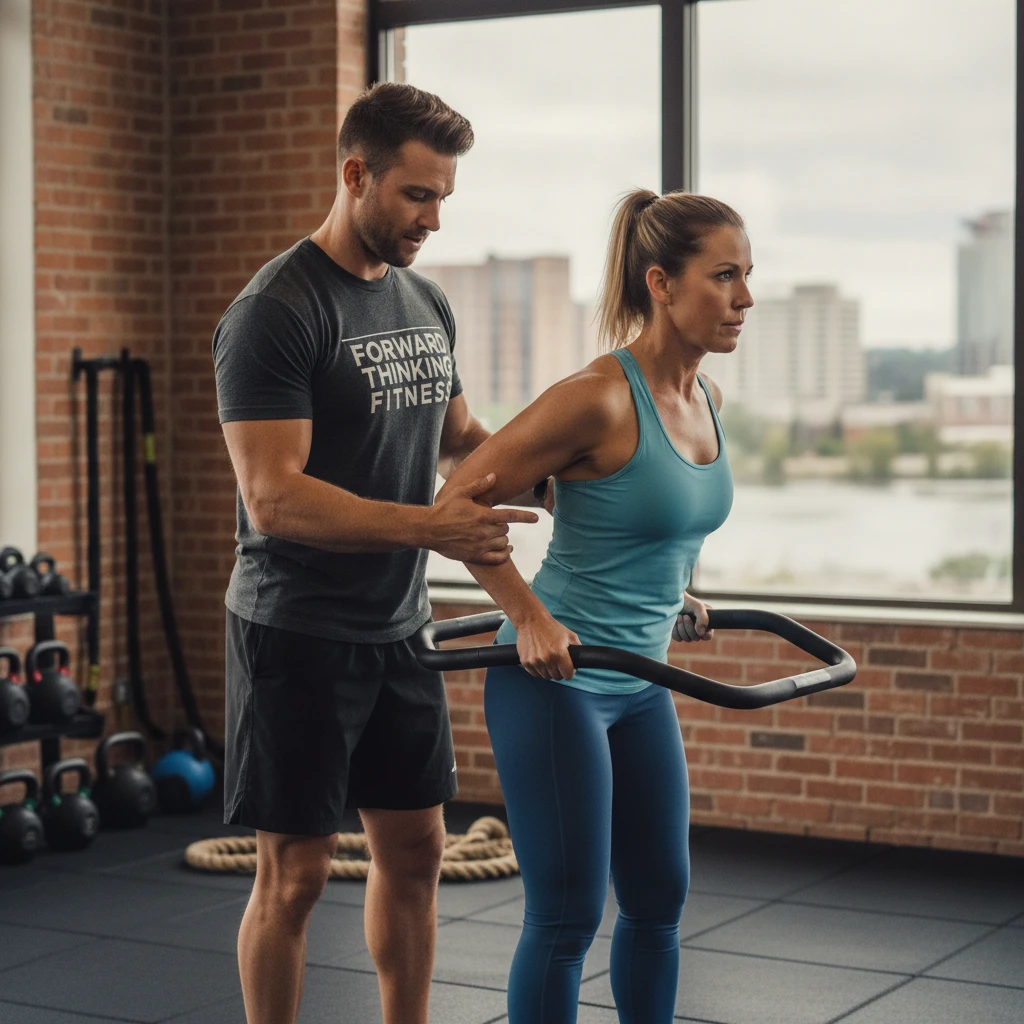
While the principles of functional strength training are universally beneficial, adapting them specifically for the adult body is crucial for maximizing benefits and preventing injury. As we age, our bodies experience natural changes in muscle mass, bone density, flexibility, and recovery capacity. Therefore, an effective program must be highly individualized, taking into account current fitness levels, medical history, and specific goals. A skilled strength and conditioning specialist understands these nuances and designs a regimen that prioritizes proper form over heavy loads, focusing on controlled, deliberate movements that build foundational strength and stability. This approach ensures that exercises are challenging yet safe, allowing adults to gradually improve without excessive strain.
Key adaptations include a greater emphasis on warm-up and cool-down routines, incorporating dynamic stretching to prepare joints and static stretching to aid recovery. Progression is slower and more deliberate, with a focus on mastering movement patterns before increasing resistance or complexity. Furthermore, integrating exercises that address common age-related issues, such as balance work to mitigate fall risk or specific movements to support joint health, becomes paramount. For instance, modifying squats to a box squat for better depth control or using resistance bands for assistance in pull-ups can make exercises accessible and effective. The ultimate goal is to foster a sustainable practice that enhances the body’s natural capabilities, promoting lifelong movement independence and vitality.
Core Principles and Movements in Functional Training
Compound Movements Mimicking Daily Tasks (Squats, Lunges, Pushes, Pulls, Carries)
Functional strength training distinguishes itself by focusing on movements that directly translate to your daily life, making tasks easier and reducing injury risk. Instead of isolating individual muscles, it prioritizes compound movements that engage multiple muscle groups simultaneously. For instance, squats aren’t just for leg day; they mimic sitting down and standing up, lifting objects from the floor, or maintaining good posture. Lunges prepare your body for walking, climbing stairs, or stepping over obstacles. Pushing movements, like overhead presses or push-ups, simulate pushing a heavy door open or placing an item on a high shelf. Pulling movements, such as rows or pull-ups, are essential for opening car doors, lifting groceries, or securing a seatbelt. Finally, carries (like farmer’s carries) build core stability and grip strength crucial for holding heavy bags or children. The goal is to develop muscle synergy, where your muscles work together efficiently, just as they do in everyday activities.
Incorporating Multi-Planar Exercises
Our daily lives and recreational activities don’t happen in a single plane of motion. Functional training therefore places a significant emphasis on incorporating multi-planar exercises, which challenge your body to move and stabilize across the sagittal, frontal, and transverse planes. The sagittal plane involves forward and backward movements (like squats or bicep curls). The frontal plane involves side-to-side movements (like lateral lunges or side bends). The transverse plane involves rotational movements (like throwing or twisting). Neglecting multi-planar training can lead to weaknesses and imbalances, increasing the risk of injury during unexpected movements, such as quickly turning to catch a falling object or bracing yourself from a slip. Exercises like wood chops, rotational lunges, or lateral shuffles build dynamic stability and improve your body’s ability to react effectively in diverse situations, enhancing overall athletic readiness and injury prevention.
Utilizing Bodyweight, Free Weights, and Resistance Bands
Effective functional strength training leverages a variety of tools to provide progressive overload and movement variability. Bodyweight exercises form the foundational layer, allowing you to master fundamental movement patterns like squats, lunges, and push-ups without external resistance. Once proficient, the integration of free weights, such as dumbbells, kettlebells, and barbells, becomes critical for increasing strength and simulating real-world loads that are often uneven or require dynamic stabilization. Free weights challenge your stabilizing muscles more than fixed machines, promoting greater functional gains. Resistance bands offer a versatile alternative, providing variable resistance throughout a movement’s range, which can be particularly effective for warm-ups, activation exercises, and rehabilitation. They are also excellent for improving mobility and adding progressive resistance to bodyweight exercises. A well-rounded functional program often incorporates all three modalities to develop a comprehensive and adaptable strength profile, ensuring continuous challenge and minimizing training plateaus.
The Role of Personalized Coaching in Functional Strength
Customizing Programs for Individual Needs and Goals
For adults aged 30-65, a one-size-fits-all approach to functional strength training is rarely effective. This demographic often presents a unique set of considerations, including varying fitness levels, pre-existing conditions, occupational demands, and personal aspirations. A personalized coaching approach begins with a comprehensive assessment of your current physical capabilities, movement patterns, and medical history. This detailed understanding allows a coach to design a program that is specifically tailored to your body and your life. For example, a busy professional aiming to reduce back pain from sitting might focus on core stability and hip mobility, while an avid hiker might prioritize leg endurance and balance. This level of individualized assessment ensures that every exercise and progression serves a direct purpose, making the training both safe and maximally effective for achieving your unique long-term wellness goals.
Expert Guidance on Form and Progression
One of the most critical advantages of personalized coaching in functional strength training is the immediate and expert feedback on form. Proper technique is paramount not only for maximizing the benefits of each exercise but, more importantly, for preventing injury. A knowledgeable coach can identify subtle imbalances or incorrect movement patterns that you might not notice yourself, providing real-time corrections. This guidance ensures you’re engaging the correct muscles and moving safely. Furthermore, a coach expertly manages your progression, knowing precisely when and how to increase the intensity, volume, or complexity of exercises to avoid plateaus and continue building strength. They implement strategies for progressive overload that are challenging yet safe, ensuring that your body adapts positively without being overstressed, which is vital for sustained improvement and injury mitigation.
Accountability and Motivation for Consistent Results
Even with the best intentions, maintaining consistency in a strength training program can be challenging. This is where the accountability and motivational aspects of personalized coaching become invaluable. A dedicated coach acts as a steadfast partner, providing the encouragement and structure needed to adhere to your program, especially on days when motivation wanes. They help you navigate obstacles, celebrate small victories, and keep your long-term objectives in clear focus. This consistent presence fosters a stronger commitment to your health journey, turning sporadic efforts into a regular, sustainable habit. Beyond just showing up, the coach helps you understand the ‘why’ behind each exercise and how it contributes to your overall goals, empowering you with knowledge and fostering a deeper, more intrinsic desire for consistent progress and enduring wellness.
Beyond Strength: Integrating Wellness for Optimal Results
The Synergy with Mobility and Recovery Practices
Functional strength training is most effective when integrated with comprehensive mobility and recovery practices. Building strength is crucial, but true functional fitness also demands the ability to move through a full, healthy range of motion without pain or restriction. Incorporating dynamic warm-ups to prepare muscles for activity, followed by targeted mobility drills, can significantly improve joint health and muscular elasticity. Similarly, dedicated recovery practices, such as static stretching, foam rolling, and adequate rest, are essential for repairing muscle tissue, reducing soreness, and preventing overtraining. For adults, focusing on longevity and quality of movement.
Fueling Performance with Strategic Nutrition for Adults
Optimal functional strength and overall wellness are inextricably linked to strategic nutrition. The body requires adequate fuel and building blocks to perform strenuous exercises, recover effectively, and maintain metabolic health. For adults, this means prioritizing whole foods rich in lean protein for muscle repair and growth, complex carbohydrates for sustained energy, and healthy fats for hormone regulation and joint health. Proper hydration is also a non-negotiable component of performance and recovery. Understanding the timing of nutrient intake, especially around workouts, can significantly impact energy levels and recovery efficiency. Partnering with professionals who can guide you on World Health Organization.
A Holistic Approach to Healthy Aging and Long-Term Wellness
Functional strength training is a powerful component of a holistic strategy for healthy aging and long-term wellness. Its benefits extend far beyond muscle gain, influencing aspects like bone density, balance, cardiovascular health, and cognitive function. By consistently challenging your body with movements that mimic daily life, you actively combat age-related muscle loss (sarcopenia) and maintain independence. However, true long-term wellness also integrates other crucial elements: sufficient sleep, effective stress management, and maintaining a positive mental outlook. Embracing
Starting Your Functional Strength Journey in Allentown, PA
Assessing Your Current Fitness Level and Setting Realistic Goals
Embarking on a functional strength journey in Allentown, PA, begins with a clear understanding of your starting point. Before diving into complex routines, a professional assessment of your current fitness level, movement patterns, and any physical limitations is crucial. This baseline evaluation helps to identify areas of strength, weakness, and potential imbalances, allowing for the creation of a truly effective and safe program. Equally important is setting realistic and achievable goals. Instead of vague aspirations, focus on SMART goals: Specific, Measurable, Achievable, Relevant, and Time-bound. For example, rather than “get stronger,” aim for “I will be able to perform 10 bodyweight squats with proper form in 8 weeks,” or “I will improve my single-leg balance by 30 seconds.” This clear roadmap provides direction and allows you to track your progress effectively, building confidence and momentum.
Overcoming Common Barriers to Beginning Strength Training
Many adults face common barriers when considering strength training, such as perceived lack of time, fear of injury, or simply not knowing where to begin. It’s essential to address these concerns proactively. For time constraints, consider shorter, high-intensity functional workouts that maximize efficiency. Addressing fear of injury is paramount, which is why starting with professional guidance is highly recommended to ensure proper form and progressive loading. The “don’t know where to start” barrier is often overcome by seeking expert advice rather than attempting to self-diagnose or relying on generic online routines. Begin with foundational movements and gradually build complexity. Remember, consistency, even in small increments, yields far greater results than sporadic, intense sessions. Focus on gradual implementation and celebrating minor achievements to build a sustainable habit, making your fitness journey enjoyable and less daunting.
Finding the Right Support and Expert Guidance in the Lehigh Valley
Locating the right support system is paramount for a successful and sustainable functional strength training journey in Allentown and across the Lehigh Valley. When searching for guidance, prioritize professionals who specialize in adult fitness, understand the nuances of functional movement, and offer personalized coaching. Look for trainers who emphasize a holistic approach, considering not just physical strength but also mobility, recovery, and overall wellness. A good coach provides more than just exercises; they offer education, motivation, and a safe environment for growth. For those in the Allentown area, finding a coach committed to a personal trainer support for lifelong fitness in Allentown can make a significant difference. Seek out facilities that prioritize individualized programming over crowded group classes, ensuring you receive the dedicated attention necessary to master functional movements safely and effectively, ultimately empowering you to achieve your health and fitness aspirations with expert guidance and consistent support.
Forward Thinking Fitness: Your Partner in Functional Health
Our Personalized Training Philosophy for Adults Aged 30-65
At Forward Thinking Fitness, our core belief is that effective strength training must be deeply personal. We understand that adults aged 30-65 face unique physiological considerations, from evolving hormonal profiles to accumulated wear and tear on joints. Our approach begins with a comprehensive assessment, including detailed movement screens and body composition analysis, to pinpoint individual strengths, weaknesses, and potential imbalances. This data forms the bedrock of a truly personalized training experience, ensuring every exercise, set, and repetition serves a specific purpose aligned with your health and fitness goals. Generic, one-size-fits-all programs often lead to plateaus or, worse, injury because they fail to account for individual biomechanics and recovery needs. We prioritize functional movements that translate directly to improved daily life, fostering resilience and preventing common age-related declines in strength and mobility. We empower our clients by focusing on sustainable progress and helping them understand the ‘why’ behind their training.
State-of-the-Art Facilities and Expert Coaches in Allentown
Our Allentown facility is meticulously designed to support a broad spectrum of functional strength training modalities. We feature a curated selection of equipment that facilitates natural, multi-joint movements, from free weights and resistance bands to specialized stability and mobility tools. This environment allows our coaches to implement diverse training protocols tailored to each client’s specific program. However, the true cornerstone of Forward Thinking Fitness is our team of expert coaching professionals. Each coach possesses advanced certifications and extensive experience working with the adult demographic, understanding the nuances of exercise prescription for individuals navigating midlife and beyond. They are skilled in corrective exercise, movement analysis, and progressive programming, ensuring every session is both challenging and safe. Our coaches continuously engage in professional development, staying abreast of the latest evidence-based practices in functional anatomy and exercise physiology. When selecting a training partner, inquire about their coaches’ specific experience with adults and their approach to injury prevention and performance enhancement.
Integrating Functional Training with Overall Wellness Goals and Support Services
Functional strength training at Forward Thinking Fitness is not an isolated component; it is strategically integrated into a comprehensive holistic approach to wellness. We recognize that true health encompasses more than just physical strength. Our services extend to nutritional guidance, weight management support, metabolic health optimization, and advanced recovery strategies. By combining personalized strength programs with these complementary services, we address all facets of your well-being. For instance, enhanced strength supports weight management efforts, while proper nutrition fuels recovery and muscle synthesis. We also offer specialized support such as GLP-1 and peptide therapy, alongside medical fitness integration, to provide a truly encompassing path to lasting health. This integrated model ensures that your functional strength gains are supported by optimal internal health, leading to greater vitality and a significantly improved quality of life. Understanding how physical training interacts with other wellness factors is crucial for achieving sustainable results.
Common Questions About Functional Strength for Adults
Is it ever too late to start functional strength training?
It is emphatically never too late to begin functional strength training. The human body retains its capacity to adapt and grow stronger throughout life, regardless of age. While the rate of adaptation might vary, consistent and appropriately structured training can yield significant benefits at any stage. Our programs are designed with adaptability in mind, starting at your current fitness level and progressively challenging you safely. Functional strength training, in particular, focuses on movements relevant to daily life, making it highly beneficial for maintaining independence and enhancing quality of life as we age. For example, lifting groceries, climbing stairs, or playing with grandchildren become easier and safer. The key is to engage in a program that emphasizes proper form, controlled movements, and is designed by knowledgeable professionals. Don’t let perceived limitations hold you back; many adults find that starting later in life brings a renewed sense of vigor and capability. The most significant pitfall is not starting at all due to unfounded age concerns, missing out on crucial health and mobility improvements.
How often should adults train for functional strength to see results?
For most adults seeking functional strength improvements, a consistent schedule of 2-3 training sessions per week is highly effective. This frequency allows for adequate muscle stimulation and sufficient recovery time, which is crucial for adaptation and growth. Each session should ideally target major muscle groups and incorporate a variety of functional movement patterns. It’s not just about the number of sessions, but also the quality and consistency of your training. Progressive overload, which involves gradually increasing the challenge (e.g., weight, repetitions, complexity), is essential for continued progress. Adhering to a well-structured plan will lead to noticeable improvements in strength, endurance, and overall functional capacity. Skipping sessions or haphazardly changing routines can impede progress. The Centers for Disease Control and Prevention recommends adults engage in muscle-strengthening activities at least two days a week for substantial health benefits. Remember that ‘results’ are multifaceted, encompassing not only visible changes but also improved energy levels, better sleep, and reduced risk of injury, all of which contribute to enhanced long-term health. You can find more general guidance on physical activity at CDC.gov.
Can functional strength training help with specific joint or mobility limitations?
Absolutely. Functional strength training is uniquely effective in addressing and improving specific joint and mobility limitations. By focusing on multi-joint, integrated movements, it strengthens the muscles surrounding and supporting various joints, enhancing stability and reducing stress. For individuals experiencing issues like knee pain, lower back discomfort, or shoulder stiffness, our programs incorporate targeted exercises to improve range of motion, correct muscular imbalances, and build resilient supporting structures. We often utilize corrective exercises designed to restore proper movement patterns and alleviate chronic pain. For example, strengthening the glutes can significantly reduce strain on the knees and lower back. However, it is paramount to work under the guidance of a qualified coach, especially if you have pre-existing conditions or are recovering from an injury. Our coaches are experienced in medical fitness and can collaborate with your healthcare providers to ensure a safe and beneficial training protocol. This precise and informed approach helps individuals regain confidence in their movement and significantly reduce discomfort, leading to a much more active and fulfilling life. It’s a proactive step towards recovering and maintaining optimal physical function.
Functional strength training provides a robust pathway to improved health and vitality for adults in Allentown. By embracing personalized programs, expert guidance, and an integrated wellness approach, individuals can unlock their potential for greater strength, mobility, and overall well-being. This investment in your physical capabilities today will yield significant returns in the quality of your life for years to come.