
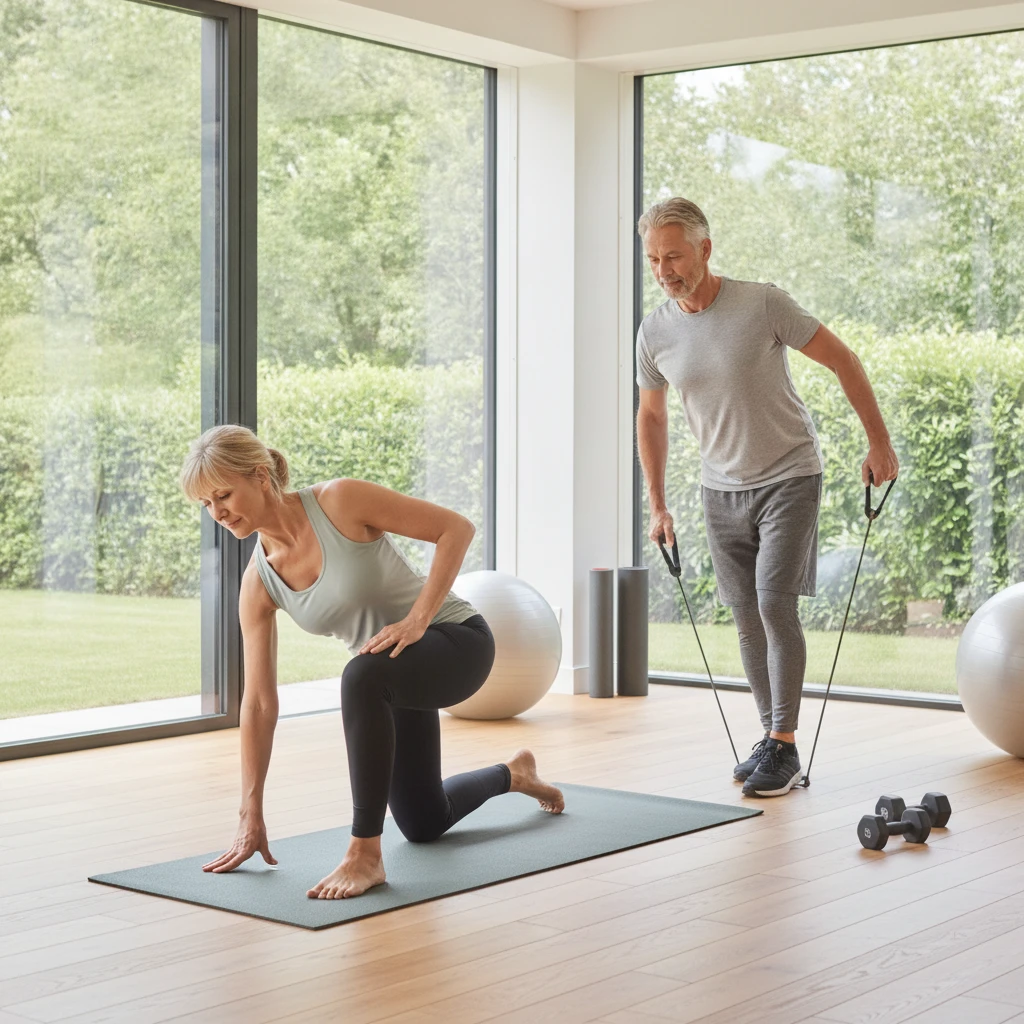
As we navigate adulthood, the subtle changes in our bodies often begin with our fundamental movement hubs: the hips and knees. These critical joints, responsible for everything from a simple walk to climbing stairs, are often taken for granted until stiffness or pain makes daily activities challenging. Understanding how to maintain and improve their mobility safely is paramount for a vibrant, independent life.
Maintaining strong, flexible hips and knees isn’t just about avoiding pain; it’s about preserving your freedom to engage with life fully. Whether you’re a busy professional in the Lehigh Valley or enjoying retirement, investing in your joint health now will pay significant dividends in the years to come, ensuring you can continue to move with ease and confidence.
Why Your Hips and Knees Deserve More Attention as You Age
Understanding the Common Causes of Stiffness and Pain
As adults age, several factors contribute to diminished hip and knee mobility. One primary culprit is the natural wear and tear on cartilage, leading to conditions like osteoarthritis. This degenerative joint disease can cause pain, swelling, and stiffness, making movement difficult. Beyond physical changes, a sedentary lifestyle, common among busy professionals, can lead to muscle imbalances and chronic tightness in areas like the hip flexors and hamstrings. Past injuries, even seemingly minor ones from years ago, can also predispose joints to future issues. Ignoring these early signs, such as a persistent ache after activity or difficulty getting out of a chair, is a common pitfall that often exacerbates the problem over time.
The Ripple Effect: How Poor Mobility Impacts Daily Life
The consequences of declining hip and knee mobility extend far beyond localized discomfort. It creates a significant ripple effect that can diminish overall quality of life. Simple activities like climbing stairs, bending to tie shoes, or getting in and out of a car can become arduous tasks. This limitation often leads to reduced physical activity, further contributing to muscle weakness and stiffness. For an adult in Emmaus, this might mean foregoing a leisurely stroll through the park or finding it difficult to keep up with grandchildren. Ultimately, poor mobility can lead to a loss of independence, increased risk of falls, and a general feeling of aging prematurely, impacting not just physical health but also mental well-being and social engagement.
The Benefits of Proactive Joint Care for Healthy Aging
Taking a proactive approach to hip and knee health offers profound benefits for healthy aging. By consistently engaging in targeted exercises and mobility routines, you can help maintain joint lubrication, strengthen surrounding muscles, and improve flexibility. This reduces the likelihood of pain, delays the onset of severe degenerative conditions, and significantly lowers the risk of debilitating falls. Proactive care also means sustaining your ability to participate in hobbies, travel, and maintain an active social life, contributing to a higher quality of life. Furthermore, improving your overall fitness can naturally enhance your
Prioritizing Safety: Key Principles for Improving Mobility
Listen to Your Body: Distinguishing Discomfort from Pain
A crucial aspect of safe mobility improvement is learning to decipher your body’s signals. When performing stretches or exercises, a sensation of mild tension or “good” discomfort is normal, indicating that muscles are lengthening and strengthening. This is distinct from sharp, shooting, or persistent pain, which serves as a warning sign. If you experience any intense or worsening pain, it’s imperative to stop the activity immediately. Pushing through significant pain can lead to injury and hinder progress. Recognizing this distinction empowers you to safely explore your range of motion without causing harm, and knowing when to seek professional guidance is key to long-term joint health.
The Power of Gradual Progression
Improving mobility is not a race; it’s a journey that thrives on gradual progression. Starting with exercises that match your current fitness level and slowly increasing intensity, duration, or range of motion is fundamental to preventing injury and building lasting strength and flexibility. For instance, begin with shorter holds for stretches or fewer repetitions for strength exercises. Over time, as your body adapts, you can incrementally extend holds or add more reps. A common pitfall is attempting too much too soon, which can lead to muscle strains or joint inflammation. Think of it as building a house brick by brick, ensuring each layer is stable before adding the next. If you’re unsure about this progression, seeking guidance from a Mayo Clinic’s exercise guidelines.
Gentle Exercises to Restore Hip Mobility
Hip Flexor Stretches: Releasing Chronic Tightness
The hip flexors, a group of muscles at the front of your hip, often become chronically tight due to prolonged sitting, a common habit for many busy adults. This tightness can pull on the lower back, contribute to poor posture, and restrict your ability to extend your hip fully. Releasing this tension is a cornerstone of restoring hip mobility. An effective exercise is the kneeling hip flexor stretch: Kneel on one knee (with a pad for comfort) and place the other foot flat on the floor in front of you. Gently push your hips forward until you feel a stretch in the front of the hip of your kneeling leg. Hold for 20-30 seconds, repeating 2-3 times per side. Another beneficial stretch is the Figure-Four stretch, performed lying on your back.
Glute Activation Drills: Supporting Hip Stability and Power
While stretching releases tightness, activating and strengthening the gluteal muscles (glutes) is crucial for hip stability, power, and overall knee health. Strong glutes help support the pelvis, improve gait, and prevent the knees from collapsing inward during movements. Integrating glute activation drills into your routine can make a significant difference. Examples include glute bridges: Lie on your back with knees bent, feet flat. Lift your hips off the floor, squeezing your glutes at the top. Another excellent exercise is the clamshell: Lie on your side with knees bent and stacked. Keeping feet together, lift your top knee towards the ceiling. Perform 2-3 sets of 10-15 repetitions for each exercise, focusing on a controlled squeeze rather than momentum.
Dynamic Movements for Full Range of Motion (e.g., Leg Swings, Hip Circles)
Once static stretches and activation drills have prepared your muscles, dynamic movements help to lubricate the joint and improve active range of motion. Unlike static stretches, dynamic movements involve moving your joint through its full range in a controlled manner. Examples include leg swings and hip circles. For leg swings, stand tall, holding onto support if needed, and gently swing one leg forward and backward, gradually increasing the height. Then, swing the leg side-to-side. For hip circles, stand and lift one knee, then slowly rotate your hip in a circular motion, both clockwise and counter-clockwise. Perform 10-15 controlled swings or circles in each direction. These movements are excellent for warm-ups, enhancing fluidity, and preparing your hips for daily activities.
Strengthening and Stabilizing for Better Knee Function
Quadriceps and Hamstring Strengthening: The Foundation of Knee Health
The quadriceps (front of thigh) and hamstrings (back of thigh) are the primary muscle groups supporting the knee joint. A balanced strength between these two is critical for stability and preventing injury. Weak or imbalanced leg muscles can place undue stress on the knee. For quadriceps, exercises like wall slides (leaning against a wall, slowly sliding down as if sitting in a chair) and seated leg extensions with light resistance are effective. For hamstrings, prone hamstring curls (lying on your stomach and curling your heels towards your glutes) or good mornings can be beneficial. Always focus on controlled movements and avoid locking out the knee at the top of an extension. Aim for 2-3 sets of 10-15 repetitions, gradually increasing resistance as strength improves.
Calf and Ankle Mobility: Supporting the Entire Kinetic Chain
It’s easy to focus solely on the knee, but the entire kinetic chain—from the feet up—impacts knee function. Limited mobility in the calves and ankles can force compensatory movements higher up, potentially straining the knees and hips. Strong, flexible calves act as shock absorbers and assist in propulsion. Exercises like standing and seated calf raises help strengthen these crucial muscles. For ankle mobility, simple ankle circles (rotating your foot clockwise and counter-clockwise) and dorsiflexion stretches (pulling your toes towards your shin) can prevent stiffness. Neglecting these lower leg components is a common pitfall that can hinder overall mobility progress, emphasizing that a holistic approach to joint health is essential for adults.

Balance and Proprioception Exercises: Preventing Falls and Instability
Balance and proprioception—your body’s awareness of its position in space—are fundamental for robust knee function and preventing falls, especially as we age. As adults over 40 prioritize their recovery and overall well-being, integrating balance work becomes increasingly important. These exercises train the brain to better communicate with the muscles surrounding your joints, enhancing stability on uneven surfaces or during unexpected movements. Excellent examples include the single-leg stand: Begin by holding onto a wall or sturdy chair, then gradually progress to standing unsupported on one leg for 30-60 seconds. Another effective exercise is tandem walking, where you walk heel-to-toe in a straight line. Incorporating these into your daily routine can significantly reduce the risk of trips and falls, building confidence in your movement and maintaining long-term independence.
Beyond Exercise: Everyday Habits for Joint Health
The Impact of Hydration and Anti-Inflammatory Nutrition
While targeted exercises are crucial, your daily diet and hydration play a significant, often underestimated, role in joint health. Adequate water intake ensures that your joint cartilage remains well-lubricated and pliable, as cartilage is primarily composed of water. Dehydration can lead to stiffer, less resilient joints, increasing the risk of discomfort and damage. Aim for consistent hydration throughout the day, not just when you feel thirsty.
Furthermore, an anti-inflammatory diet can significantly reduce systemic inflammation, which often manifests as joint pain and stiffness. Focus on whole, unprocessed foods rich in omega-3 fatty acids (like fatty fish, flaxseeds), antioxidants (berries, leafy greens), and various phytonutrients. Conversely, diets high in refined sugars, unhealthy fats, and processed foods can fuel inflammation, exacerbating joint issues. Making conscious food choices and ensuring proper hydration are powerful, accessible steps toward improving your hip and knee mobility.

Maintaining a Healthy Weight: Less Stress on Your Joints
Every extra pound you carry places significant additional stress on your weight-bearing joints, particularly your hips and knees. For example, walking puts a force equivalent to 1.5 times your body weight on your knees. If you’re 10 pounds overweight, that’s an extra 15 pounds of pressure on each knee with every step. Over time, this cumulative stress can accelerate cartilage wear and tear, leading to pain, reduced mobility, and conditions like osteoarthritis.
Achieving and maintaining a healthy weight range is one of the most impactful strategies for preserving joint health and improving existing mobility issues. This doesn’t necessarily mean drastic changes; even a modest weight loss of 5-10% can significantly reduce joint load and alleviate symptoms. A sustainable approach focuses on consistent, healthy eating habits and regular, appropriate exercise, rather than restrictive diets. Consulting with a dietitian or a certified personal trainer in the Lehigh Valley can provide a personalized roadmap to achieve your weight management goals safely and effectively.
Ergonomics and Movement Throughout Your Day: Breaking Up Sedentary Time
In our increasingly sedentary world, prolonged periods of sitting or standing without movement can be detrimental to joint mobility. When joints remain static, the synovial fluid, which lubricates and nourishes cartilage, doesn’t circulate as effectively. This can lead to stiffness and reduced range of motion. Implementing ergonomic principles in your workspace and consciously breaking up sedentary time are crucial for maintaining hip and knee flexibility.
Consider a standing desk, regular micro-breaks to stretch or walk, and ensuring your chair and screen are adjusted to promote good posture. Even small, frequent movements, like doing simple leg stretches or hip circles every hour, can make a substantial difference. For instance, an "Example" client working in Allentown might set an alarm to stand and perform five gentle squats or leg swings every 60 minutes. These intentional interruptions help keep your joints lubricated and prevent the stiffness that accumulates from inactivity.
Common Mistakes When Trying to Improve Joint Mobility
Pushing Through Sharp or Stabbing Pain
One of the most critical mistakes individuals make when attempting to improve joint mobility is ignoring or pushing through sharp or stabbing pain. There’s a fundamental difference between the discomfort of a stretch, which might indicate tissue lengthening, and actual pain, which signals potential injury or damage. Sharp, sudden, or persistent pain during a movement is your body’s clear signal to stop. Continuing to push can exacerbate existing issues, lead to inflammation, tears, or further structural damage to cartilage, ligaments, or tendons.
Instead, learn to listen to your body and understand its limits. If a particular movement causes pain, modify it, reduce the range of motion, or avoid it altogether for a period. It’s often beneficial to explore alternative exercises that target the same muscle groups or joint actions without eliciting pain. Prioritizing pain-free movement is paramount for safe and sustainable progress in mobility improvement.
Neglecting Consistency and Proper Warm-ups
Many adults approach mobility work sporadically, expecting immediate results. However, joints and connective tissues adapt gradually. Neglecting consistency is a common pitfall; infrequent, intense sessions are often less effective and carry higher injury risks than regular, moderate efforts. Your body needs consistent stimulus to improve flexibility, strength, and range of motion over time. Make mobility a regular part of your routine, even if it’s just 10-15 minutes daily.
Equally important is the proper warm-up. Jumping straight into deep stretches or challenging mobility exercises with cold muscles and stiff joints is an open invitation for injury. A good warm-up, involving light cardio and dynamic movements, increases blood flow, raises muscle temperature, and prepares your joints for activity. This gradual preparation improves joint lubrication and makes your tissues more pliable, allowing for safer and more effective mobility work.
Focusing Only on Stretching and Ignoring Strength Training
A widespread misconception is that mobility solely depends on stretching. While flexibility is a component, focusing exclusively on stretching without adequate strength training can actually make your joints less stable and more vulnerable to injury. Your muscles, tendons, and ligaments provide crucial support and stability for your joints. If these supporting structures are weak, increasing passive flexibility through stretching alone can create a joint with a large range of motion but insufficient control within that range.
For optimal hip and knee mobility, you need a balanced approach. Strength training, particularly targeting the muscles around your hips (glutes, hip flexors) and knees (quads, hamstrings, calves), enhances joint stability, improves muscular endurance, and enables you to control your newfound range of motion. Incorporating movements like squats, lunges, and deadlifts, with proper form, builds the necessary strength. This combination of flexibility and strength ensures functional mobility and joint resilience, contributing to better recovery.
Building a Sustainable Routine: Consistency is Key
Integrating Mobility into Your Daily Schedule
For any mobility routine to be effective, it must be sustainable. The best way to ensure sustainability is to integrate mobility exercises seamlessly into your daily life, rather than treating them as an isolated, optional activity. Start with small, manageable chunks of time. For example, dedicating 5-10 minutes each morning to gentle hip and knee movements can set a positive tone for the day. You might also incorporate short mobility breaks during work, such as hip flexor stretches while waiting for coffee or ankle rotations during a phone call.
Think about transitional moments in your day. Can you perform a few cat-cow stretches before getting out of bed, or some hamstring stretches after a walk? The key is frequency over intensity. Regular, brief sessions are often more beneficial for long-term joint health than infrequent, lengthy ones. Set reminders, use visual cues, or pair mobility work with existing habits (like brushing your teeth) to build a consistent rhythm.
Setting Realistic Goals and Tracking Progress
Setting realistic and measurable goals is vital for motivation and long-term adherence. Instead of aiming for a full split immediately, which can be discouraging and unsafe, focus on incremental improvements. Perhaps your initial goal is to comfortably touch your toes, or to deepen your squat by an inch, or to walk up a flight of stairs in your Bethlehem home without knee discomfort. These small wins build confidence and reinforce your commitment.
Equally important is tracking your progress. This doesn’t need to be complex; a simple journal, a smartphone app, or even noting how a specific movement feels each week can provide valuable insights. Measuring your range of motion with a tape measure, using a goniometer, or simply performing a benchmark test (like how far you can reach in a forward fold) can help you visually see your improvements. Witnessing tangible progress is a powerful motivator to keep going.
Adapting Your Routine as You Improve and Age
Your body is constantly changing, and so should your mobility routine. What works effectively when you start may need adaptation as you improve, or as you navigate different life stages and age. As your flexibility and strength increase, you’ll want to progressively challenge your joints with a wider range of motion or more complex movements. This progressive overload is essential to continue making gains.
Conversely, as you age, or if you experience new aches or pains, your routine might need to become more focused on maintenance, gentle movements, and perhaps increased recovery. It’s crucial to remain responsive to your body’s signals. Don’t be afraid to modify exercises, swap out less effective movements for new ones, or even take short breaks if needed. Consulting with a professional personal trainer can help you tailor your program to your evolving needs, ensuring it remains safe and effective for years to come.
When to Seek Expert Guidance for Stubborn Mobility Issues
Signs You Need Professional Assessment (e.g., persistent pain, limited function)
While many mobility issues can be improved through self-care and consistent exercise, there are clear signs that indicate a need for professional assessment. If you experience persistent pain that doesn’t resolve with rest or self-management, especially sharp, burning, or shooting pain, it’s time to consult an expert. Other warning signals include swelling, redness, warmth around the joint, or a "locking" or "giving way" sensation in your hip or knee. Significant limitations in your daily function, such as difficulty walking, climbing stairs, or getting in and out of a chair, are also strong indicators.
Don’t dismiss chronic stiffness or a noticeable loss of range of motion that continues despite regular stretching and strengthening. These symptoms could point to underlying structural issues, inflammation, or conditions like arthritis that require a precise diagnosis and targeted treatment plan. Early intervention can often prevent more severe problems down the line.
How a Personalized Fitness Program Can Make a Difference
For individuals facing stubborn mobility issues, a personalized fitness program designed by a qualified professional offers significant advantages. Unlike generic workout plans, a personalized approach begins with a thorough assessment of your specific limitations, strengths, movement patterns, and medical history. This allows the trainer to identify the root causes of your mobility problems, rather than just treating the symptoms. They can then create a tailored exercise regimen that safely and effectively addresses your unique needs, incorporating a balance of flexibility, strength, balance, and proprioceptive exercises.
A professional provides expert guidance on proper form, progression, and modifications, minimizing the risk of injury while maximizing results. They can also help you navigate setbacks and adjust your program as your body changes or responds to the training. This individualized attention ensures your efforts are efficient and aligned with your long-term joint health goals.
Finding Qualified Professionals in the Lehigh Valley
When seeking expert guidance for hip and knee mobility in the Lehigh Valley, it’s crucial to find qualified professionals with specific experience in corrective exercise, rehabilitation, or medical fitness. Look for certifications from reputable organizations like the American College of Sports Medicine (ACSM) or the National Academy of Sports Medicine (NASM), especially those with specializations in corrective exercise or senior fitness. Physical therapists are also excellent resources for diagnosing and treating joint-related issues.
At Forward Thinking Fitness, we specialize in helping adults in Allentown, Bethlehem, Emmaus, and across the Lehigh Valley improve mobility through personalized coaching. We combine expertise in personal training, medical fitness, and holistic wellness to create programs that are not only effective but also safe and sustainable. Don’t hesitate to reach out to a professional who understands the complexities of joint health to get the tailored support you need for lasting improvement in your hip and knee mobility. You can also consult resources from organizations like the Centers for Disease Control and Prevention for general health and physical activity guidelines.
Your Top Questions About Hip and Knee Mobility, Answered
How long does it typically take to improve hip and knee mobility?
Improving hip and knee mobility is a progressive journey, not an overnight fix. While you might feel subtle changes in flexibility and comfort within 4-6 weeks of consistent effort, significant, lasting improvements often require a commitment of 3-6 months, and sometimes even longer, depending on your starting point and any underlying conditions. Key factors influencing this timeline include the severity of existing limitations, your adherence to a structured program, and the quality of your exercises. One common pitfall is expecting rapid results and becoming discouraged if they don’t appear immediately, leading to prematurely abandoning efforts. To genuinely enhance mobility, focus on sustainable, regular practice and celebrate small victories along the way. Working with a dedicated professional can provide a tailored approach, ensuring you’re making effective progress.
Can I safely exercise with arthritis in my hips or knees?
Absolutely. In fact, regular, appropriate exercise is often a cornerstone of managing arthritis symptoms in the hips and knees. The critical aspect is ensuring your exercise routine is safe, low-impact, and specifically tailored to your condition. Exercise helps by strengthening the muscles supporting the joints, improving joint lubrication, reducing stiffness, and even aiding in pain management. However, it’s imperative to consult with your physician or a physical therapist before starting any new exercise program. They can help you understand your specific type of arthritis and its severity, guiding you toward appropriate movements while avoiding those that could exacerbate symptoms. Working with a
A proper warm-up is crucial for preparing your joints and muscles for mobility exercises, significantly reducing the risk of injury and enhancing performance. The best warm-up typically combines light cardiovascular activity with dynamic stretches. This process increases blood flow to the muscles, elevates core body temperature, and gradually takes your joints through their range of motion. A good warm-up should last between 5 to 10 minutes. Avoid static stretches (holding a stretch for an extended period) as part of your initial warm-up, as these are better reserved for after your main workout or mobility session. Instead, opt for movements that mimic the exercises you’re about to perform but at a lower intensity. For instance, before hip and knee mobility drills, consider leg swings, torso twists, gentle squats, or a few minutes of marching or light cycling. For more insights on general physical activity guidelines, authoritative sources like the World Health Organization provide valuable information.
Is walking enough to significantly improve joint mobility?
While walking is an excellent form of low-impact exercise that offers numerous health benefits, including cardiovascular health and maintaining baseline joint function, it is generally not sufficient to significantly improve joint mobility on its own, especially if you have existing restrictions or stiffness. Walking primarily involves movement in the sagittal plane (forward and backward) and doesn’t typically take your hips and knees through their full range of motion in all directions. To truly enhance mobility, you need targeted exercises that actively work the joints through their end ranges, incorporate rotational movements, and improve the strength of the muscles that control these movements. Relying solely on walking for complex mobility issues can be a pitfall, as it may not address specific areas of tightness or weakness. Instead, integrate walking with a comprehensive program that includes dynamic stretches, specific mobility drills, and strength training. A generic fitness plan, even one including walking, often fails to deliver optimal results if it’s not customized, highlighting why personalized approaches are more effective for busy adults.
Improving hip and knee mobility is a multifaceted endeavor that benefits from informed choices and consistent application. By understanding the time commitment, safely navigating conditions like arthritis, preparing your body effectively, and supplementing foundational activities like walking with targeted exercises, you can make substantial progress towards greater freedom of movement and reduced discomfort.