
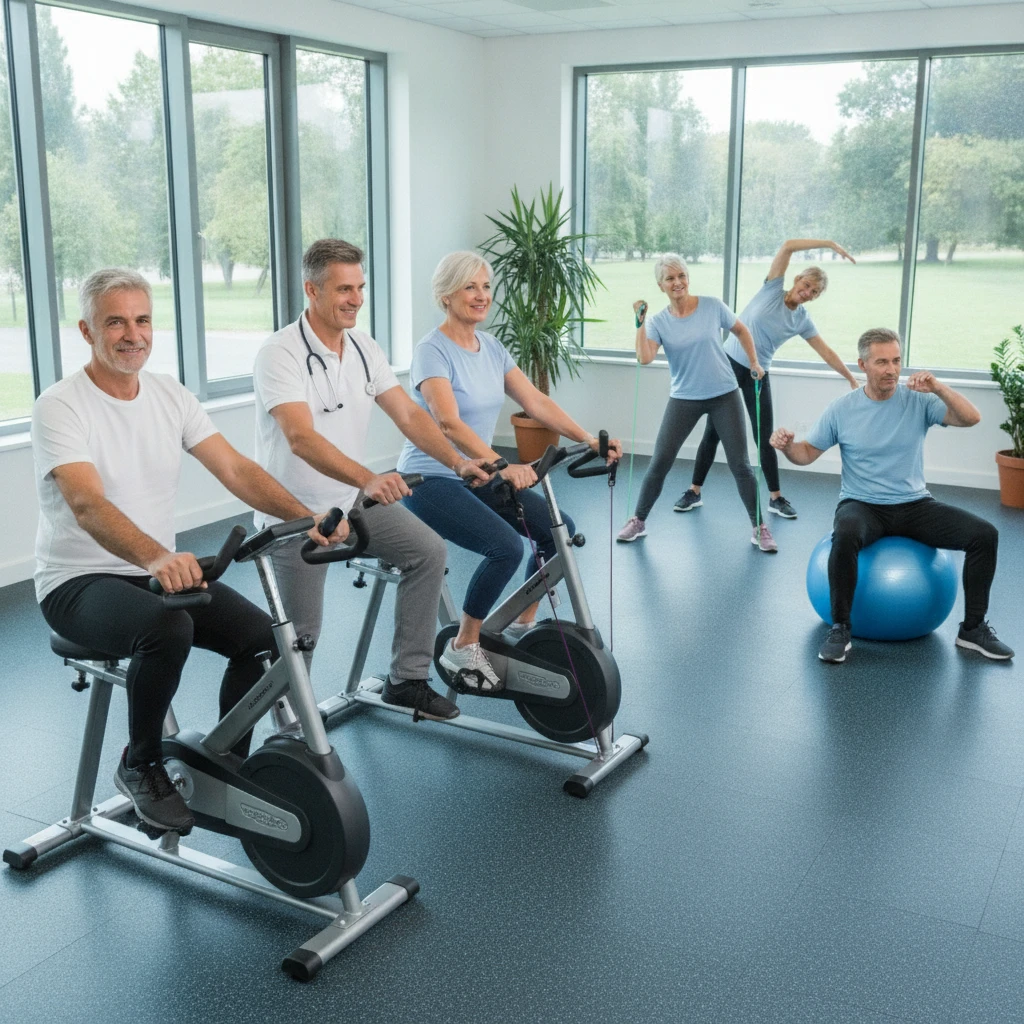
As we navigate life beyond 50, our bodies inevitably change, and so too should our approach to fitness. The generic workout routines that might have served us well in our younger years often fall short, or even become counterproductive, as we age. It’s not about slowing down, but rather about getting smarter and more intentional with how we move and nourish ourselves.
This is where medical fitness offers a transformative path, providing personalized strategies designed to meet the unique physiological demands of adults over 50. Instead of just “exercising,” we focus on building sustainable strength, improving mobility, and optimizing metabolic health for a vibrant, active future.
Why Does Fitness Change After 50, and What Does That Mean For You?
Understanding Age-Related Shifts in Strength and Metabolism
Reaching the age of 50 often brings noticeable shifts in our physical capabilities, primarily due to natural age-related processes. One significant change is sarcopenia, the progressive loss of muscle mass and strength. This isn’t just about weaker muscles; it impacts everything from balance and mobility to overall metabolic rate. Less muscle means your body burns fewer calories at rest, making weight management more challenging and potentially contributing to increased fat storage. Your metabolism also tends to slow, and insulin sensitivity can decrease, increasing the risk for conditions like type 2 diabetes. Understanding these changes is the first step towards taking proactive measures to counteract them effectively, rather than passively accepting decline.
Example: A 55-year-old client in Allentown might notice they struggle to open jar lids or lift groceries with the same ease as a decade ago. This isn’t just an inconvenience; it’s a clear indicator of declining muscle strength, which can impact daily independence and quality of life. Without targeted intervention, this decline often accelerates, creating a greater challenge down the line.
Recognizing Your Unique Needs Versus Younger Adults
While many fitness principles apply universally, the specific application of these principles must evolve significantly for adults over 50. Unlike younger adults who might prioritize maximal strength or athletic performance, your focus shifts to functional fitness, preserving bone density, maintaining joint health, and reducing fall risk. Your recovery times may also be longer, and existing health conditions—such as arthritis, hypertension, or previous injuries—require careful consideration and modification of exercises. A generic gym program designed for a 30-year-old can be ineffective or even dangerous for someone in their 50s or beyond.
A personalized approach, like that offered by

What Is Medical Fitness, and How Does It Offer a Better Path Forward?
The Core Difference: Personalization Beyond a Traditional Gym
Medical fitness represents a paradigm shift from conventional gym memberships. It’s an integrated, evidence-based approach that combines professional fitness coaching with health and medical oversight. Unlike a traditional gym where you might be left to navigate machines alone, medical fitness provides a holistic and highly personalized system. This includes tailored exercise programs, nutrition therapy, medical weight loss options (like GLP-1 support), and body composition analysis, all coordinated by a team of experts. It acknowledges that true health and fitness are multi-faceted, requiring more than just physical exertion. To understand more about what truly sets this approach apart, explore
Integrating Health Data and Expert Guidance for Targeted Results
A cornerstone of medical fitness is its reliance on comprehensive health data and expert guidance. Before any program begins, a thorough assessment takes place, often including medical history reviews, body composition analysis, and discussions about lifestyle and goals. This data allows for the creation of a truly targeted fitness and wellness plan. Your team might include certified personal trainers, registered dietitians, and medical professionals, all collaborating to ensure your program is safe, effective, and aligned with your broader health objectives. This collaborative approach means you benefit from a wide range of expertise, mitigating risks and optimizing outcomes. For more insights, consider how medical fitness truly how to maintain strength and mobility while aging, this structured approach is invaluable.
Improving Balance, Flexibility, and Reducing Fall Risk
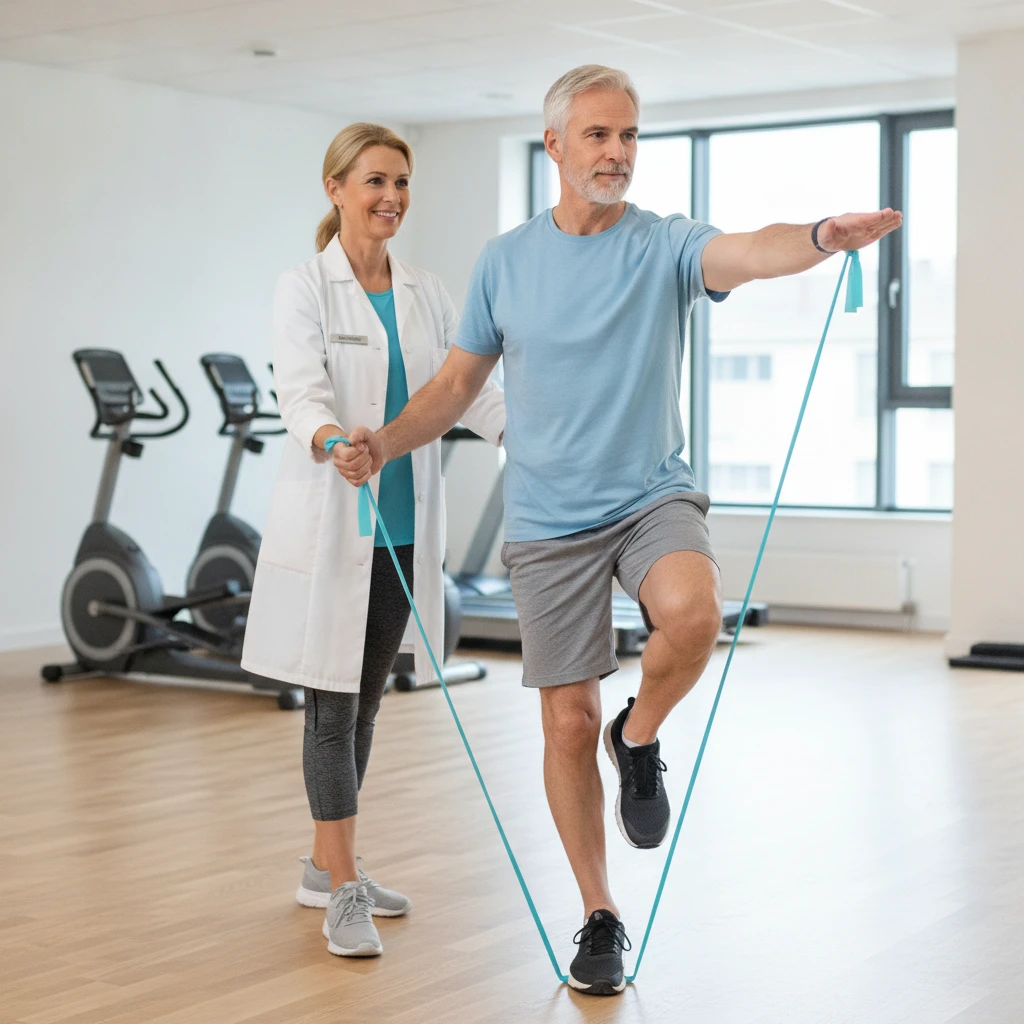
One of the most profound benefits of medical fitness for adults over 50 is its direct impact on balance and flexibility, significantly reducing the risk of falls. Falls are a leading cause of injury and disability in older adults, making preventative measures critically important. Medical fitness programs incorporate specific exercises that target core strength, proprioception (your body’s sense of position), and overall joint mobility. Activities like controlled bodyweight movements, dynamic stretching, and functional drills are often included.
For example, a program might integrate stability exercises using balance boards, single-leg stands, or guided movements that challenge equilibrium in a safe environment. Improved flexibility, often achieved through practices like guided stretching or gentle yoga within the program, enhances range of motion and reduces muscle stiffness. Together, these components create a more stable, agile, and resilient body, empowering individuals to move with greater confidence and independence in their everyday lives.
How Can Medical Fitness Support Healthy Weight Management and Metabolic Health?
Integrating Nutrition Therapy for Sustainable Habits and Energy
Weight management and metabolic health are intricately linked, and medical fitness tackles both through comprehensive nutrition therapy. This isn’t about restrictive fad diets; it’s about developing sustainable eating habits tailored to your unique metabolic profile and health goals. A registered dietitian or nutrition coach will work with you to understand your current dietary patterns, identify areas for improvement, and create a practical, enjoyable meal plan. The focus is on nutrient-dense foods that support energy levels, satiety, and healthy blood sugar regulation. This personalized guidance helps you navigate common pitfalls like emotional eating or a lack of understanding regarding portion control.
By integrating nutrition therapy directly into your fitness journey, medical fitness ensures that your dietary choices complement your physical activity, accelerating results and fostering long-term metabolic health. You learn how to make informed decisions that fuel your body optimally, promoting weight loss or maintenance, improving energy, and enhancing overall vitality without feeling deprived.
Understanding Medical Weight Loss Options, Including GLP-1 Support
For many adults over 50, weight management requires a more advanced and medically supervised approach. Medical fitness centers offer comprehensive medical weight loss programs, which can include the judicious use of medications such as GLP-1 agonists (e.g., Ozempic, Wegovy). These medications, when prescribed and monitored by a qualified medical professional, can be a powerful tool to assist with weight loss by impacting satiety and blood sugar regulation. However, GLP-1 support is never a standalone solution; it is always integrated with a structured plan encompassing personalized exercise and nutrition therapy.
The medical fitness framework ensures that any pharmacological intervention is part of a holistic strategy. This means you receive ongoing coaching to maximize the benefits of the medication, manage potential side effects, and build the lifestyle habits necessary for sustained success long after you may transition off the medication. Our programs, including body composition analysis, provide the tools and accountability needed for optimal, lasting results in weight and metabolic health.
Can Medical Fitness Effectively Rebuild Your Strength and Mobility?
For adults over 50, maintaining and rebuilding strength and mobility is paramount for independent living and an active lifestyle. Medical fitness specifically addresses the age-related decline in muscle mass (sarcopenia), bone density, joint flexibility, and balance that often leads to reduced function and increased risk of injury. Our programs are expertly designed by exercise physiologists and certified trainers to provide progressive resistance training, tailored to your current capabilities and goals. This isn’t just about lifting weights; it’s about incorporating functional movements that mimic daily activities, ensuring you gain practical strength that translates directly to improved quality of life. Whether your goal is to lift groceries, climb stairs with ease, or simply feel stronger and more stable, medical fitness provides a structured path to achieve it safely and effectively.
Rebuilding mobility involves more than just strength; it encompasses improving joint range of motion, flexibility, and dynamic balance. Medical fitness programs integrate specialized exercises to enhance these crucial components, often incorporating elements of stretching, proprioceptive training, and balance drills. For individuals recovering from injury or managing chronic conditions like arthritis, these programs offer a safe environment to regain lost function and prevent future issues. The personalized oversight ensures that exercises are performed correctly, minimizing strain and maximizing therapeutic benefits. This holistic approach to strength and mobility empowers you to move with greater confidence, reduce your risk of falls, and engage more fully in all aspects of your life.
Does Medical Fitness Help Manage or Prevent Chronic Conditions?
For adults over 50, managing or preventing chronic conditions often becomes a primary health goal. Medical fitness offers a structured, evidence-based approach to address these challenges by integrating exercise with health oversight. Unlike general fitness, it focuses on tailoring programs to individual health needs, whether it’s optimizing blood sugar for diabetes management or improving joint function for arthritis. The core principle is to empower individuals with tools to positively impact their health outcomes through consistent, guided physical activity and lifestyle adjustments.
One common pitfall is attempting self-managed exercise with pre-existing conditions, which can lead to injury or exacerbate symptoms. Medical fitness programs, however, are designed to mitigate these risks by considering your complete health profile. We emphasize building functional strength and improving mobility to enhance daily life, directly addressing areas often impacted by chronic conditions. This proactive approach helps reduce reliance on medication in some cases and significantly improves overall quality of life, fostering greater independence as you age.
Working Collaboratively with Your Doctor for Conditions Like Diabetes or Arthritis
A crucial aspect of medical fitness is its collaborative nature with your healthcare providers. Before embarking on any new fitness regimen, especially with chronic conditions such as Type 2 diabetes, cardiovascular disease, or various forms of arthritis, obtaining your doctor’s clearance and input is paramount. This ensures your fitness plan complements your medical treatment, rather than conflicting with it. For instance, individuals managing diabetes can benefit from exercise protocols that help regulate blood glucose levels, while those with arthritis can improve joint flexibility and reduce pain through specific, low-impact movements designed to strengthen supporting muscles without causing further strain. This holistic approach is a key differentiator when considering
The Role of Lifestyle Modifications and Wellness Coaching
Beyond structured exercise, medical fitness heavily emphasizes sustainable lifestyle modifications, which are crucial for managing and preventing chronic conditions. This extends to nutrition, sleep hygiene, stress management, and even targeted recovery strategies. For instance, incorporating a balanced diet rich in whole foods can significantly impact blood sugar control for individuals with diabetes or reduce inflammation for those with arthritis. Wellness coaching provides the guidance and support needed to implement these changes effectively, moving beyond temporary fixes to ingrained healthy habits.
Our wellness coaches work with you to identify areas for improvement and develop actionable strategies that fit into your daily life. This might involve setting realistic nutritional goals, establishing a consistent sleep schedule, or learning mindfulness techniques to manage stress.
Why Is Personalized Coaching Essential for Adults Over 50?
As we age, our bodies undergo specific physiological changes that necessitate a more nuanced approach to fitness. Generic workout routines, often designed for younger demographics, can be ineffective or even detrimental for adults over 50. Personalized coaching becomes essential because it accounts for individual variations in metabolism, joint health, bone density, and recovery capacity. A skilled medical fitness coach understands these intricacies and designs a program that respects your body’s current capabilities while strategically challenging it for improvement. This individualized attention is what allows for true progress without unnecessary risk, focusing on areas like mobility, balance, and core strength.
Without personalized guidance, adults over 50 face common pitfalls such as overtraining, leading to injuries like rotator cuff tears or knee pain, or undertraining, resulting in minimal progress. A coach helps navigate these challenges, ensuring every exercise is appropriate and beneficial. They serve as an expert resource, continually adapting your program based on feedback and observable results. This bespoke approach fosters a deeper understanding of your body and its responses, cultivating sustainable habits rather than fleeting efforts. For many in the Lehigh Valley, this expert guidance is a welcome alternative to trying to figure it out alone.
Customizing Your Program to Fit Your Body, Goals, and Schedule
One of the most significant advantages of personalized coaching for adults over 50 is the ability to create a truly bespoke program. Your body’s history, including past injuries, surgeries, or chronic conditions, directly influences what exercises are safe and effective. For example, someone with knee osteoarthritis will require different modifications and progressions than someone recovering from shoulder surgery. A dedicated coach will conduct thorough assessments to understand your current physical state, discuss your specific health goals—whether it’s improving strength, reducing pain, or enhancing cardiovascular health—and consider your daily schedule and lifestyle constraints.
This customization extends to exercise selection, intensity, volume, and recovery protocols. We might incorporate functional movements that mimic daily activities, ensuring the strength you build translates directly to better quality of life. Example: A client in Allentown aiming to improve their golf swing might receive a program emphasizing rotational core strength and hip mobility, rather than just general strength training. This precise tailoring helps prevent injury, maximizes results, and makes the fitness journey more enjoyable and sustainable. It’s about designing a program that truly fits you, ensuring you can maintain strength and mobility
Beyond simple encouragement, a coach offers expert problem-solving. If an exercise feels uncomfortable, they can immediately adjust it. If you’re struggling to adhere to your nutritional plan, they can help strategize new approaches. This dynamic support system is crucial for building self-efficacy and fostering a positive mindset towards fitness. Example: Clients often report that knowing their coach is expecting them provides the crucial push they need to stay consistent, particularly on days when they might otherwise skip a session. This consistent presence and expert guidance can make all the difference in achieving and sustaining your desired health outcomes. This is why many wonder prioritize your long-term results and overall well-being.
We believe that success isn’t just about weight lost or muscles gained today, but about the ability to sustain those improvements for years to come. This involves a comprehensive understanding of your health, not just your fitness. We avoid high-intensity fads or restrictive diets that are difficult to maintain. Instead, we advocate for balanced, evidence-based practices that promote holistic health, including mental well-being and stress reduction. This long-term perspective is what truly distinguishes medical fitness and sets our clients in Emmaus, Whitehall, and across the Lehigh Valley up for lasting success.
Focusing on Sustainable Lifestyle Changes, Not Just Quick Fixes
Our commitment at Forward Thinking Fitness is to foster habits that last a lifetime, rather than chasing ephemeral “quick fixes.” This means moving beyond the allure of rapid weight loss or dramatic muscle gains that are often unsustainable and potentially unhealthy. For adults over 50, sustainable change is about gradually incorporating exercise, balanced nutrition, and mindful living into their daily routine. We educate our clients on the importance of consistent effort, proper form, and progressive overload, ensuring that every step taken is a step towards a healthier, more resilient future. This involves setting realistic expectations and celebrating small, consistent victories that build momentum.
We delve into the behavioral aspects of health, helping clients identify and overcome barriers to adherence. This might include developing strategies for meal prepping, finding enjoyable forms of physical activity, or managing stress more effectively. Example: Instead of prescribing an extreme diet, we might guide a client in Macungie to incrementally increase their vegetable intake and reduce processed foods over several weeks, making the changes feel manageable and natural. This focus on deep-seated, positive lifestyle shifts ensures that the results you achieve are not only significant but also enduring, supporting active aging and vibrant living for years to come.
Tracking Progress with Body Composition Analysis and Regular Assessments
Measuring progress accurately is vital for maintaining motivation and ensuring the effectiveness of your personalized plan. At Forward Thinking Fitness, we go beyond the bathroom scale. We utilize advanced tools like body composition analysis (e.g., InBody scans) to provide a detailed breakdown of your body’s components—muscle mass, fat mass, and water content. This gives us a much clearer picture of your health status and allows us to track tangible improvements that might not be reflected in your weight alone, such as increased lean muscle or reduced visceral fat, both critical for health markers as you age.
In addition to body composition, we conduct regular functional movement assessments and strength tests. These assessments help us monitor improvements in mobility, balance, strength, and endurance. Example: A client in Fogelsville might see their squat depth improve or their grip strength increase by 15% over three months. These objective metrics not only validate your hard work but also allow your coach to make data-driven adjustments to your program, ensuring it remains challenging, effective, and aligned with your evolving goals. This comprehensive tracking ensures transparency and empowers you with concrete evidence of your health transformation.
What Are the First Steps to Starting Your Medical Fitness Journey?
Embarking on a medical fitness journey can feel like a significant step, but at Forward Thinking Fitness, we make the process clear, supportive, and tailored specifically for adults over 50. The first step is always about understanding you—your unique health history, your current capabilities, and your aspirations for a healthier future. We recognize that each individual in the Lehigh Valley has a distinct story and set of needs, and our initial interactions are designed to uncover these critical details. Our goal is to create a welcoming and informative environment where you feel heard and understood, laying the groundwork for a truly effective partnership. This initial engagement is vital for anyone considering
Your Initial Consultation: Understanding Your Goals and Health History
Your medical fitness journey at Forward Thinking Fitness begins with a thorough initial consultation, a crucial step to personalize your experience. During this meeting, held in our Allentown facility, we take the time to deeply understand your health history, including any chronic conditions, past injuries, medications, and lifestyle factors. We’ll also discuss your current fitness level, daily routines, and, most importantly, your specific health and wellness goals. Do you want to reduce knee pain, improve balance, lose weight, or better manage your diabetes? We’ll ask insightful questions to ensure we grasp the full picture of your needs and aspirations.
This consultation is an opportunity for us to gather comprehensive information and for you to ask any questions you may have about our approach. We’ll review any medical clearances or recommendations from your physician, ensuring our program integrates seamlessly with your existing healthcare plan. The more we understand about your unique circumstances, the better we can craft a program that is safe, effective, and truly transformative. It’s a no-pressure environment designed to establish a solid foundation of trust and mutual understanding, setting the stage for a successful partnership in your health journey.
Building Your Personalized Plan with Our Team in the Lehigh Valley
Following your initial consultation, our expert team at Forward Thinking Fitness will collaborate to build your personalized medical fitness plan. This isn’t a one-size-fits-all approach; it’s a meticulously designed program that incorporates your health history, current capabilities, and desired outcomes. Your plan may include a combination of personal training, nutrition therapy, medical weight loss support (including GLP-1 programs if appropriate), mobility work, and wellness coaching. Our integrated system ensures all aspects of your health are addressed holistically, whether you’re in Trexlertown, Orefield, or any surrounding community.
We’ll walk you through every component of your plan, explaining the rationale behind each exercise, nutritional recommendation, or therapeutic modality. We believe in educating and empowering our clients, so you understand not just what to do, but why you’re doing it. This comprehensive plan is continually reviewed and adjusted based on your progress and feedback, ensuring it remains effective and challenging. Our dedicated team in the Lehigh Valley is committed to providing ongoing support, accountability, and expertise, helping you implement sustainable changes and achieve your long-term health goals with confidence and success.
How Does Forward Thinking Fitness Ensure Your Long-Term Success?
Achieving your health goals is one thing; sustaining them for the long haul is another. At Forward Thinking Fitness, we’re not just focused on short-term results; we’re dedicated to equipping you with the knowledge, habits, and tools necessary for lifelong wellness. Our commitment to your long-term success is embedded in every aspect of our medical fitness programs. We provide continuous support, regular progress assessments, and adaptive programming to ensure your journey evolves with you.
Our team understands that life happens, and your needs may change. That’s why your personalized plan is designed to be flexible and responsive. Through ongoing check-ins and feedback sessions, we monitor your progress, celebrate milestones, and make necessary adjustments to keep you on track. We empower you with sustainable lifestyle strategies, teaching you how to integrate healthy eating, consistent movement, and mindful practices into your daily life. This educational approach, combined with the unwavering support of your dedicated team, builds resilience and self-efficacy, helping you navigate challenges and maintain your peak health long after your initial program concludes.
Frequently Asked Questions About Medical Fitness for Adults Over 50
Is it ever too late to start improving my fitness?
Absolutely not. The human body is remarkably resilient and adaptable, regardless of age. Starting a fitness regimen, even in your 50s, 60s, or beyond, offers significant health benefits, ranging from improved cardiovascular health and bone density to enhanced cognitive function and mood. The most crucial decision criteria for adults over 50 considering fitness is to first consult with their healthcare provider to ensure they have medical clearance and to identify any pre-existing conditions that might influence their exercise plan. This foundational step is vital for a safe and effective start.
One common pitfall is the belief that past inactivity makes future gains impossible, or conversely, attempting to replicate workouts from younger years. This can lead to injury or discouragement. Instead, focus on a progressive, personalized approach. Actionable steps include finding a program that prioritizes functional movements, strength, balance, and flexibility, tailored to your current capabilities. For example, a medical fitness program in the Lehigh Valley can assess your specific needs and create a plan that safely challenges you while respecting your body’s current state.
Example: Eleanor, 68, began a personalized medical fitness program after years of a sedentary lifestyle. Initially, her goal was simply to reduce knee pain and improve her ability to walk her dog. After six months of consistent, guided training focusing on strengthening her quadriceps and glutes, alongside mobility exercises, she not only reported significantly less knee discomfort but also found she had more energy and could walk for longer distances without fatigue. This illustrates that consistent effort and proper guidance yield substantial improvements at any age. It’s truly never too late to invest in your World Health Organization, recommend engaging in moderate-intensity aerobic exercise for at least 150 minutes per week, or 75 minutes of vigorous-intensity activity, combined with muscle-strengthening activities two or more days a week. For many, this translates to 2-4 structured training sessions per week. The decision criteria for your frequency should consider your current fitness level, specific health goals, and how quickly your body recovers. Beginners often start with 2-3 sessions, gradually increasing as their stamina and strength improve.
A significant pitfall is neglecting recovery, which is arguably as important as the training itself, especially as we age. Overtraining without sufficient rest can lead to fatigue, reduced performance, and increased risk of injury. Actionable steps for optimizing recovery include prioritizing 7-9 hours of quality sleep nightly, maintaining proper hydration, and ensuring adequate protein intake for muscle repair. Incorporating active recovery like gentle walks, stretching, or foam rolling on non-training days can also be highly beneficial. Medical fitness programs at facilities like Forward Thinking Fitness often integrate nutrition therapy and even
The type of training also influences recovery needs. Strength training, for instance, requires adequate rest for muscle repair and growth, often needing 48-72 hours between sessions for the same muscle groups. Aerobic activities can generally be done more frequently. Consulting with a professional coach in places like Allentown or Bethlehem can help you design a sustainable schedule that balances your ambitions with your body’s need for rest. Understanding the principles of recovery is key to ensuring your fitness journey is both effective and sustainable for the long term.
What if I have an injury or specific physical limitations?
Having an injury or specific physical limitations, such as arthritis, osteoporosis, or a history of heart conditions, is precisely why a medical fitness approach is so beneficial for adults over 50. Unlike traditional gyms, medical fitness programs begin with a comprehensive assessment that often includes collaboration with your healthcare providers. This ensures that your exercise plan is not only safe but also therapeutic, designed to work around or even improve your specific conditions. Key decision criteria involve obtaining a clear understanding of your limitations from a medical professional and seeking out coaches who specialize in adaptive exercise and special populations.
A common pitfall is the fear of movement, leading to complete inactivity, which can paradoxically worsen conditions like joint pain or muscle atrophy. Another pitfall is attempting generic exercises that are not modified for your specific limitation, risking further injury. Actionable steps include focusing on exercises that build functional strength and mobility within a pain-free range of motion. For example, someone with knee arthritis might benefit immensely from low-impact activities like cycling or water aerobics, alongside targeted strength training for the muscles supporting the knee joint, rather than high-impact running.
In the Lehigh Valley, a medical fitness specialist can create a tailored program that progressively strengthens weakened areas, improves balance, and enhances overall body function, all while meticulously avoiding movements that could exacerbate an injury. This personalized guidance is crucial for individuals navigating chronic pain or post-rehabilitation scenarios. The goal is to empower you to move more confidently and pain-free, allowing you to regain independence and quality of life, even with ongoing challenges. This approach highlights what makes medical fitness different from a traditional gym setting, prioritizing your health and safety above all else.
Embarking on a medical fitness journey offers a structured, supportive, and safe path to improved health and vitality, addressing common concerns for adults over 50 with personalized care and expert guidance. The emphasis on individual assessment and tailored programs ensures that fitness becomes an accessible and beneficial part of a holistic wellness plan, regardless of past experiences or current challenges.
For those in the Allentown, Bethlehem, or wider Lehigh Valley area seeking a program that truly understands the unique needs of adults over 50, Forward Thinking Fitness provides comprehensive medical fitness services. Their integrated approach helps individuals build strength, improve mobility, and achieve long-term health goals through personalized coaching.