
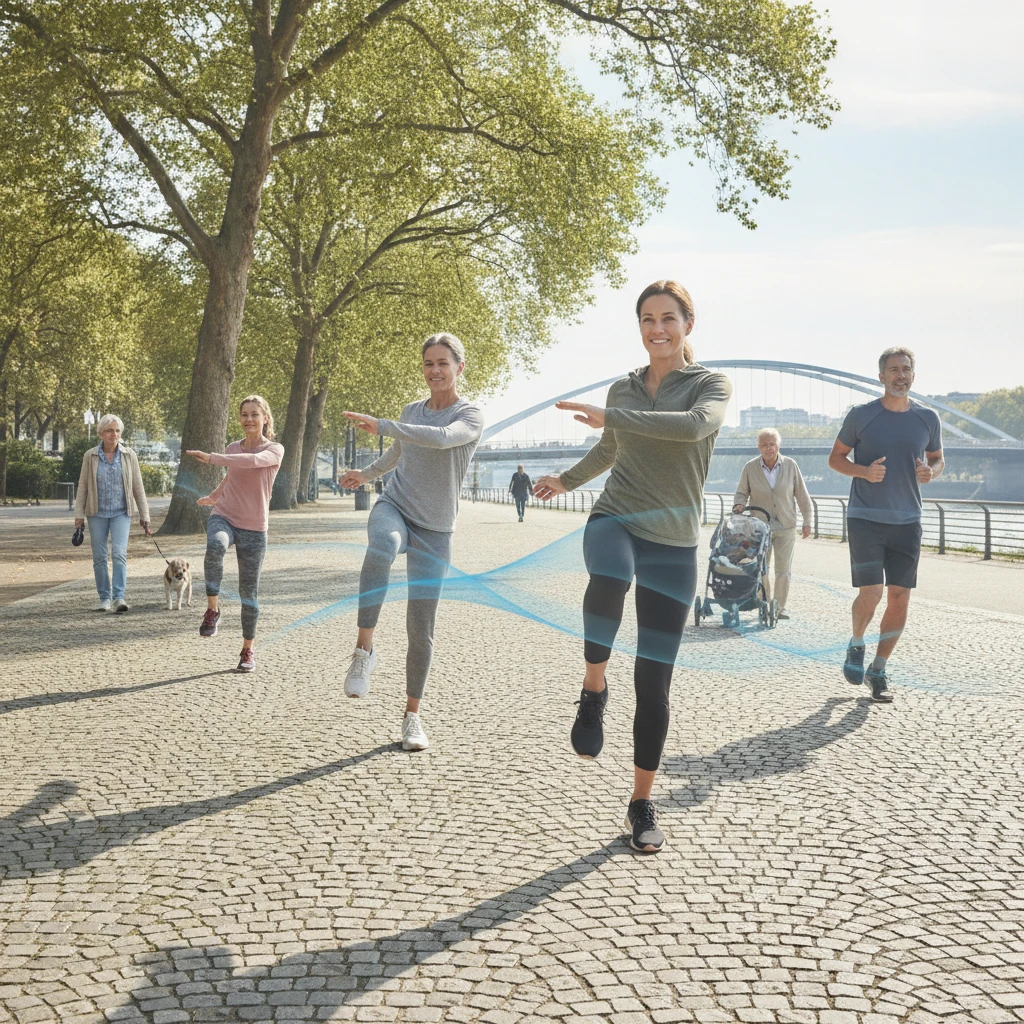
As adults, the desire to move freely and without discomfort is often taken for granted until it begins to diminish. Daily activities that once felt effortless, from bending to tie a shoelace to reaching for a top shelf, can become challenging, signaling a subtle but significant shift in our mobility.
Reclaiming this ease of movement doesn’t always require strenuous effort. Instead, a targeted approach known as active recovery offers a powerful, yet often overlooked, strategy to maintain and enhance your physical capabilities, ensuring that every day brings greater comfort and functional independence.
Rediscover Effortless Movement: The Daily Impact of Active Recovery
Integrating active recovery into your daily routine is less about adding another chore and more about adopting a lifestyle that prioritizes your body’s ability to move without constraint. It directly addresses the common adult complaints of stiffness, restricted range of motion, and general physical sluggishness, which often accumulate from prolonged sitting, repetitive motions, or simply the natural aging process. By fostering better circulation and muscle suppleness, active recovery helps you regain a sense of ease in tasks like climbing stairs, carrying groceries, or even simply getting out of bed in the morning.
A key benefit is its preventative nature. Consistent low-intensity movement helps mitigate the gradual tightening of connective tissues and muscles that can lead to chronic discomfort and reduced mobility. For instance, a quick 10-15 minute walk after a long workday in Bethlehem can prevent the lower back stiffness that might otherwise set in. Over time, these small, consistent efforts compound, preserving your functional capacity and allowing you to engage more fully in hobbies and social activities. Without it, adults often find themselves gradually scaling back activities they enjoy, leading to a sedentary cycle that further exacerbates mobility issues. The decision criteria for implementing active recovery are simple: if you move, you need to recover actively.

Demystifying Active Recovery: More Than Just a ‘Light Workout’
Active recovery is a specific, intentional form of physical activity characterized by its low intensity and focus on aiding the body’s repair processes, rather than challenging muscles for growth or endurance. It’s often misunderstood as merely a “light workout,” but its purpose is distinct: to facilitate recovery and enhance mobility by keeping blood flowing, muscles supple, and joints lubricated. It deliberately avoids pushing the body to fatigue, ensuring that the primary goal remains physiological restoration and readiness for subsequent activity, or simply for better daily function.
What’s the Difference Between Active and Passive Recovery?
The distinction between active and passive recovery lies in the presence or absence of deliberate movement. Passive recovery involves complete rest, such as sleeping or sitting, where the body heals without any conscious physical effort. While crucial for deep physiological repair and managing acute injury, passive recovery alone can sometimes lead to stiffness and reduced circulation, particularly after periods of intense physical exertion or prolonged inactivity.
In contrast, active recovery involves engaging in low-intensity exercise like walking, cycling, or gentle stretching. This movement encourages increased blood flow, which aids in nutrient delivery to muscles and the removal of metabolic waste products, promoting quicker recovery and better tissue pliability. For improving daily mobility, active recovery is generally more effective, as it directly supports the systems responsible for movement without adding undue stress. Both forms of recovery are valuable, but their application depends on the specific recovery need.
Why Standard Rest Isn’t Always Enough for Mobility
While adequate rest is undeniably essential for overall health, relying solely on standard, passive rest can be insufficient for optimizing adult mobility. When muscles remain static for extended periods, blood flow decreases, and metabolic byproducts, like lactic acid, can linger, contributing to a feeling of stiffness and soreness. Think about how your body feels after sitting for several hours; typically, you’ll experience some degree of tightness, especially in the hips and lower back. This is because muscles shorten and stiffen without movement, and joints receive less of the synovial fluid needed for smooth articulation.
For adults seeking to maintain or improve their functional range of motion, passive rest alone doesn’t actively work to restore muscle elasticity or encourage the natural lubrication of joints. It doesn’t promote the gentle lengthening of tissues or the dynamic circulation needed to prime the body for fluid, unhindered movement. This is where the targeted benefits of active recovery become critical, ensuring that muscles remain pliable and joints stay mobile, preventing the gradual creep of immobility that can impact daily life.
The Biological Boost: How Active Recovery Primes Your Body for Better Movement
Active recovery isn’t just about feeling better; it’s rooted in distinct physiological mechanisms that directly enhance your body’s capacity for movement. By engaging in gentle, controlled activity, you initiate a cascade of biological benefits that optimize muscle function, joint health, and overall tissue repair. This process goes beyond merely resting; it actively prepares your musculoskeletal system to respond more effectively to the demands of everyday life, leading to sustained improvements in mobility and reduced discomfort.
The strategic implementation of active recovery can significantly influence how quickly and effectively your body recovers from strain, making it a cornerstone for proactive health management. It’s a deliberate strategy to keep your biological systems humming, ensuring that your muscles and joints are not only repaired but also conditioned for continued smooth operation. For individuals in the Lehigh Valley balancing busy lives, understanding these biological advantages can be a powerful motivator to incorporate these practices.
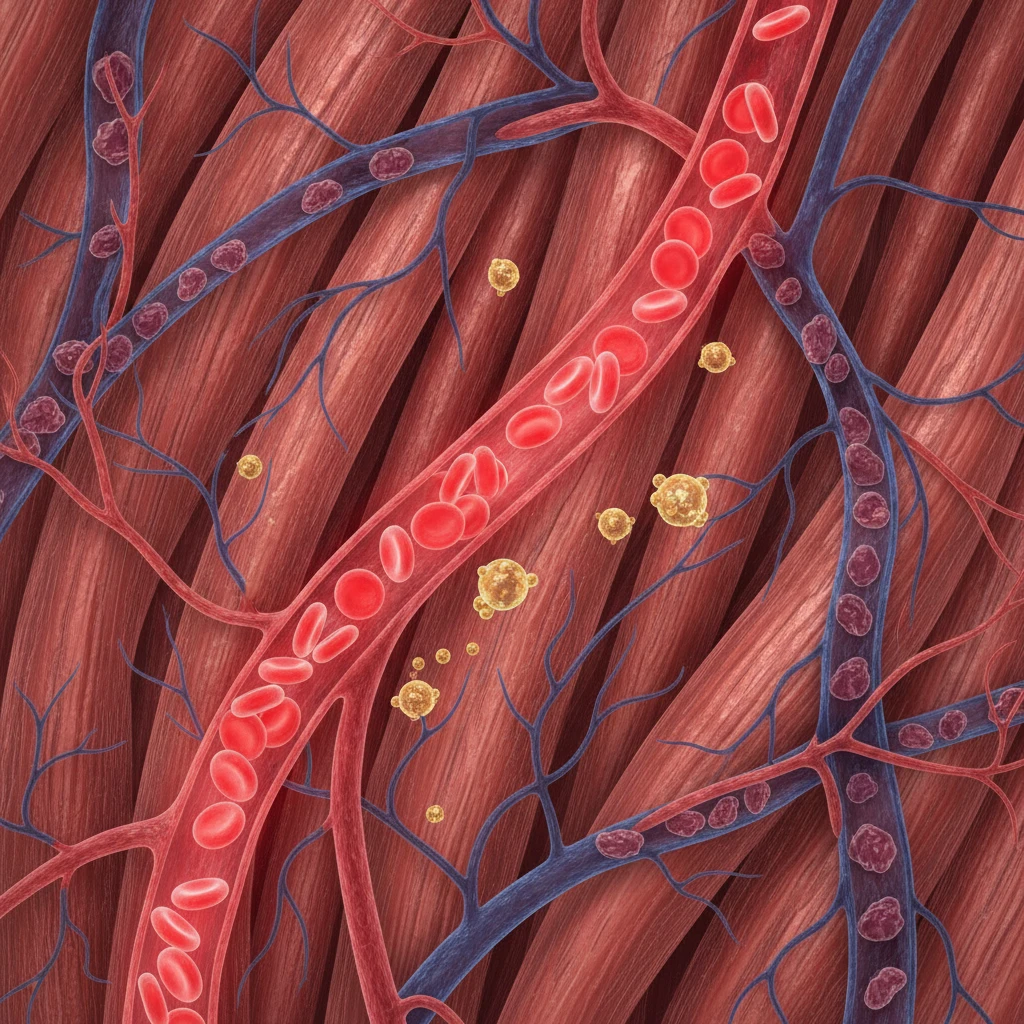
Enhancing Blood Flow and Nutrient Delivery
One of the most significant biological advantages of active recovery is its ability to enhance systemic blood flow. Light, continuous movement acts as a pump, facilitating the circulation of blood throughout the body, particularly to muscles and connective tissues that might be recovering from exertion or prolonged inactivity. This improved circulation delivers a fresh supply of oxygen and essential nutrients, like amino acids and glucose, which are crucial for cellular repair and regeneration. Simultaneously, enhanced blood flow more efficiently carries away metabolic waste products, such as lactic acid and carbon dioxide, which can accumulate and contribute to muscle soreness and fatigue. This rapid clearance helps to restore the physiological balance within muscle tissue, significantly reducing post-activity stiffness and promoting faster recovery, essential for maintaining daily mobility. You can learn more about the broader benefits of physical activity and recovery from reputable health organizations like the World Health Organization.
Reducing Muscle Stiffness and Joint Discomfort
Active recovery plays a crucial role in combating muscle stiffness and alleviating joint discomfort, a common complaint among adults. Gentle movement encourages the production and circulation of synovial fluid within your joints. This fluid acts as a lubricant, reducing friction between cartilage surfaces and allowing for smoother, less painful articulation. Furthermore, light activity helps to gently stretch and relax muscles, preventing them from seizing up or remaining in a shortened, contracted state. This dynamic engagement improves muscle elasticity and reduces the accumulated tension that often leads to a feeling of tightness. By fostering this pliability, active recovery directly contributes to an increased range of motion and a more comfortable, uninhibited ability to move through your day, whether you’re reaching for a high shelf or bending to pick something up.
Improving Flexibility and Range of Motion
Beyond simply reducing stiffness, active recovery actively contributes to improving overall flexibility and range of motion. Unlike static stretching, which focuses on holding a position, active recovery often incorporates dynamic movements that gently take joints through their full, natural movement patterns. This encourages the lengthening of muscles and connective tissues, gradually enhancing their extensibility without placing undue stress on them. Over time, consistent engagement in activities like controlled swings, gentle yoga flows, or tai chi can lead to a noticeable increase in joint articulation and muscle elasticity. This improved flexibility translates directly into greater functional mobility, allowing for deeper bends, wider reaches, and more fluid, coordinated movements in daily life. It primes your body not just to recover, but to move more expansively and efficiently than before, reducing the risk of strain during routine tasks.
Pinpointing Your Mobility Roadblocks: Signs You Need Active Recovery
Recognizing the early signs of compromised mobility is the first step toward effective intervention. Many adults dismiss subtle aches and stiffness as “just part of getting older,” but these can often be clear indicators that your body needs the targeted support active recovery provides. By paying attention to how your body responds to daily demands and rest, you can identify mobility roadblocks before they become significant limitations. These signals aren’t just minor inconveniences; they are your body’s way of communicating that its natural ability to move is being hindered and could benefit from enhanced restorative practices.
Stiffness After Sitting or Standing Long Periods
One of the most common and often overlooked indicators that you need active recovery is experiencing significant stiffness after prolonged periods of sitting or standing. If you find yourself needing to “unfold” after working at a desk, struggling with a stiff back after a long drive from Philadelphia to Allentown, or feeling rigid upon waking, these are classic signs of reduced mobility. This occurs because static positions can restrict blood flow and allow muscles to shorten and tighten, making it harder for them to relax and extend when you finally move. Active recovery, such as a short walk or a few minutes of dynamic stretches, can counteract this by re-engaging circulation and gently mobilizing tissues, preventing the accumulation of tension that leads to discomfort and reduced range of motion. Ignoring these early warnings can lead to chronic posture issues and persistent discomfort.
Difficulty with Everyday Tasks (Bending, Reaching, Lifting)
When seemingly simple, everyday tasks begin to feel challenging or uncomfortable, it’s a clear signal that your functional mobility is declining and active recovery may be beneficial. Signs such as struggling to bend over to tie your shoes, difficulty reaching for items on a high shelf, or experiencing strain when lifting a bag of groceries are not just minor inconveniences; they indicate a loss of range of motion and muscle coordination. These limitations often stem from stiff joints and tight muscles that prevent fluid movement patterns. Implementing active recovery can help restore muscle elasticity and joint lubrication, making these tasks feel more natural and less strenuous. If you’re experiencing these challenges, consulting with a professional about personalized training guidance can provide tailored strategies to regain your ease of movement.
Persistent Aches and Pains Limiting Movement
Persistent aches and pains that limit your movement, even in the absence of an acute injury, are a strong indicator that your body’s recovery mechanisms are not fully optimized. Unlike sharp, sudden pain, these are often dull, nagging sensations in areas like the lower back, neck, shoulders, or hips that prevent you from moving freely or engaging in certain activities. This chronic discomfort can arise from accumulated muscle tension, joint inflammation, or poor circulation that impedes waste removal and nutrient delivery to tissues. Active recovery methods, such as gentle foam rolling or targeted stretches, can help to release muscle knots, improve local blood flow, and reduce inflammatory responses, thus alleviating some of this persistent pain. While active recovery can manage and prevent some discomfort, if you’re experiencing ongoing or worsening pain that significantly impacts your daily life, it’s always advisable to seek professional assessment, potentially considering how to prevent common fitness injuries or working with a trainer to build strength and stability.
Practical Active Recovery Strategies for Everyday Adult Mobility
Gentle Yoga and Stretching Sequences
Incorporating gentle yoga and dedicated stretching sequences into your routine is an excellent active recovery strategy to enhance daily mobility. These practices focus on lengthening muscles, increasing flexibility, and improving joint range of motion without placing excessive stress on the body. Unlike static stretching, which is typically held for longer durations, active recovery stretching often involves a fluid series of movements that gently warm the muscles and promote blood flow. Consider routines that include poses like Cat-Cow, Child’s Pose, or gentle spinal twists. The goal is to feel a mild stretch, not pain, which makes them suitable for nearly all adults, including those recovering from more intense activity or those new to regular movement. Consistency is paramount; even 10-15 minutes daily can yield significant improvements in reducing stiffness and enhancing functional movement throughout your day.
Low-Impact Cardio: Walking, Cycling, Swimming
Low-impact cardiovascular activities are foundational to effective active recovery. Activities such as brisk walking, cycling, or swimming gently elevate your heart rate, increasing circulation to muscles and tissues without high-impact stress on joints. This enhanced blood flow helps deliver vital nutrients and oxygen while simultaneously flushing out metabolic waste products that accumulate during strenuous activity, thereby reducing muscle soreness and fatigue. For instance, a 30-minute moderate walk around your neighborhood or a leisurely bike ride can invigorate your body and mind. Swimming offers the added benefit of buoyancy, making it exceptionally gentle on joints and suitable for individuals with orthopedic concerns. The key is to maintain an intensity level where you can comfortably hold a conversation, ensuring the activity remains restorative rather than exhaustive. These methods are excellent for maintaining cardiovascular health while actively aiding muscle repair.
Dynamic Warm-ups and Cool-downs
Dynamic warm-ups and cool-downs are not just preludes or postludes to workouts; they are potent active recovery strategies in their own right, critical for enhancing and maintaining adult mobility. A dynamic warm-up involves controlled, fluid movements that prepare your body for activity by increasing core body temperature, improving range of motion, and activating muscles. Examples include arm circles, leg swings, torso twists, and walking lunges, which gently take your joints through their full range of motion. Conversely, a dynamic cool-down helps gradually reduce heart rate and body temperature, while still promoting blood flow to aid recovery. This phase often includes slower, controlled movements and light stretches, preventing blood pooling and promoting muscle relaxation. Integrating these into your daily routine, even separate from a formal workout, can significantly improve joint lubrication and overall flexibility, making everyday movements feel smoother and less restricted. For personalized guidance on injury prevention, consider consulting resources on
Seamlessly Integrating Active Recovery into a Busy Schedule
Morning Mobility Routines
Starting your day with a focused morning mobility routine can set a positive tone for your physical well-being. Even if your schedule is packed, allocating 5-10 minutes can make a substantial difference. These routines should focus on gentle movements that wake up your body and improve circulation without demanding high energy. Simple sequences like cat-cow stretches, bird-dog, gentle neck rolls, and hip circles can lubricate joints and prepare muscles for the day ahead. The objective is to increase your functional range of motion, making tasks like bending, reaching, and walking feel easier and more comfortable. For busy professionals in the Lehigh Valley, integrating these small, consistent efforts is more effective than infrequent, intense sessions. A focused morning routine helps mitigate stiffness accumulated overnight, contributing to sustained mobility throughout the day and reducing the risk of minor aches and pains.
Desk-Side Stretches and Movement Breaks
Prolonged sitting is a significant impediment to adult mobility, making desk-side stretches and movement breaks essential for active recovery. Implementing short, frequent breaks throughout your workday can counteract the negative effects of sedentary behavior. Every 60-90 minutes, stand up, walk a few steps, and perform simple stretches. Examples include shoulder shrugs, neck rotations, seated hip flexor stretches, and chest openers. You can also incorporate standing calf raises or gentle hamstring stretches using your chair. These micro-breaks are not just about physical relief; they also help maintain focus and reduce mental fatigue. The critical decision criteria for these stretches are that they should be easy to perform in your workspace, require no special equipment, and provide immediate relief from tension. Making these movement snacks a habitual part of your workday can significantly improve posture, reduce discomfort, and enhance overall joint health.
Evening Wind-Down Routines
An evening wind-down routine leveraging active recovery principles can significantly improve both physical and mental preparedness for rest. After a day of work, stress, or more intense exercise, your body benefits from a gradual transition to a relaxed state. This routine should be gentle and calming, focusing on releasing tension and promoting relaxation. Consider incorporating a sequence of restorative yoga poses, such as Legs-Up-the-Wall or reclined bound angle pose, held for a few minutes each. Light foam rolling on major muscle groups like the glutes, hamstrings, and upper back can also be highly effective in releasing fascia tension and improving blood flow without intense effort. The aim is to calm your nervous system, allowing your muscles to fully relax and repair. This strategic use of active recovery before bed contributes directly to improved sleep quality and helps your body recover more efficiently, setting the stage for better mobility the next day.
Beyond Movement: Broader Benefits for Your Overall Well-being
Stress Reduction and Mental Clarity
Active recovery extends far beyond mere physical benefits, profoundly impacting your mental and emotional well-being by acting as a powerful tool for stress reduction and enhancing mental clarity. Engaging in gentle, mindful movement, such as slow walking, stretching, or light yoga, allows for a mental disengagement from daily stressors. This deliberate shift in focus can lower cortisol levels, the body’s primary stress hormone, leading to a calmer state. The rhythmic nature of these activities can be meditative, providing a much-needed break from cognitive overload. Furthermore, increased blood flow to the brain, a direct result of active recovery, supports better cognitive function and mood regulation. For adults managing demanding schedules, dedicating time to active recovery is an investment in who.int.
Faster Recovery from Intense Workouts
Active recovery plays a crucial role in accelerating the body’s repair processes after intense workouts, making it an indispensable component of any effective fitness regimen. Rather than complete rest, which can sometimes lead to increased stiffness, light activity promotes increased blood circulation. This enhanced blood flow efficiently delivers oxygen and essential nutrients to fatigued muscles, which are vital for repairing micro-tears and replenishing energy stores. Simultaneously, active recovery aids in the removal of metabolic byproducts, like lactic acid, that contribute to post-exercise muscle soreness (DOMS). For example, a 20-minute cycle at a very low intensity after a heavy strength training session can significantly reduce next-day stiffness compared to simply sitting down. This strategic approach to recovery not only helps you feel better faster but also prepares your body for subsequent training sessions, allowing for more consistent and productive workout performance and greater strength gains for adults training in the Lehigh Valley.
Common Pitfalls: Maximizing Your Active Recovery Efforts
Overdoing It: When ‘Active’ Becomes ‘Strenuous’
One of the most common pitfalls in active recovery is crossing the line from ‘active’ to ‘strenuous.’ The fundamental principle of active recovery is to facilitate recovery, not to create additional physiological stress. This means keeping intensity levels low – typically below 60% of your maximum heart rate. If your active recovery session leaves you feeling fatigued, out of breath, or causes new muscle soreness, you are likely pushing too hard. For example, a brisk jog might be too intense if your body needs gentle repair, and a leisurely walk would be more appropriate. The goal is to stimulate blood flow and gently move your muscles without accumulating further lactic acid or micro-trauma. Ignoring this distinction can impede actual recovery, potentially prolonging soreness or increasing the risk of overtraining. Always prioritize listening to your body; ease and comfort should be the guiding principles, ensuring the activity genuinely supports your recovery goals.
Skipping Consistency: The Key to Lasting Mobility Gains
Another significant pitfall is the lack of consistency in active recovery practices. While one-off sessions can provide temporary relief, sustained improvements in adult mobility and overall well-being stem from regular, habitual engagement. Many adults make the mistake of only performing active recovery when they feel particularly sore or stiff, missing the proactive benefits of consistent effort. For instance, committing to daily 10-minute stretching routines or regular low-impact walks, even on non-workout days, builds cumulative positive effects. This consistency helps to maintain joint lubrication, muscle elasticity, and a healthy range of motion over time, preventing the gradual onset of stiffness and restriction that often accompanies aging or sedentary lifestyles. Think of it as preventative maintenance for your body; regular small efforts yield far greater long-term results than sporadic intensive sessions, ensuring lasting mobility gains and resilience.
Ignoring Your Body’s Signals
Perhaps the most critical pitfall in any recovery strategy, including active recovery, is ignoring your body’s signals. Your body provides invaluable feedback, and distinguishing between beneficial stretching or light exertion and actual pain or discomfort is essential. Pushing through sharp pain, intense burning, or unusual aches during active recovery defeats its purpose and can lead to injury. For example, if a gentle yoga pose causes sharp knee pain, it’s a clear signal to modify the pose, reduce its intensity, or choose an alternative. Similarly, if you feel unusually fatigued or lethargic, it might indicate that even light activity is too much, and true rest is required. Learning to interpret these signals, often with the guidance of a personal trainer or medical fitness expert, is vital for safe and effective recovery. Prioritizing your body’s wisdom ensures that your active recovery efforts are always restorative and contribute positively to your long-term mobility and health.
Your Personalized Path to Enhanced Mobility with Forward Thinking Fitness
Tailored Mobility Assessments and Programs
At Forward Thinking Fitness, we understand that effective mobility enhancement begins with a deeply personalized approach. Generic exercises often fall short, failing to address the specific biomechanical nuances of an individual’s body. Our process starts with comprehensive mobility assessments designed to pinpoint your unique limitations, imbalances, and potential areas of weakness. This diagnostic step is critical; for instance, restricted hip flexion might stem from tight hamstrings, weak glutes, or even an old ankle injury affecting compensatory movement patterns. Based on these findings, our experts craft a bespoke program, ensuring every stretch, movement, and exercise directly contributes to improving your functional range of motion and overall
Expert Coaching for Proper Form and Technique
The efficacy of any mobility or recovery exercise hinges significantly on its execution. Our certified trainers provide expert coaching for proper form and technique, guiding you through each movement with precision. This oversight is invaluable, especially when performing dynamic stretches or myofascial release techniques, where subtle adjustments can dramatically increase effectiveness and mitigate risk. For example, a common mistake during a thoracic rotation stretch is allowing the lower back to compensate, negating the stretch’s intended benefit for the upper spine. Our coaches correct these compensations in real-time, teaching you the proprioceptive awareness necessary to perform movements correctly even independently. This hands-on guidance is crucial not only for maximizing mobility benefits but also for fostering better body awareness and strength training.
Integrating Recovery into Your Strength Training
Active recovery is not merely an add-on; it’s an integral component of a well-rounded fitness regimen, particularly for adults engaged in strength training. We emphasize integrating recovery principles directly into your workout schedule, transforming your approach to fitness. This includes strategic warm-ups that prepare specific joints and muscles for the impending load, rather than just general cardio, and structured cool-downs that promote flexibility and reduce post-exercise stiffness. The goal is to optimize performance and accelerate recovery by minimizing muscle soreness and improving circulation. A critical pitfall is viewing recovery as passive rest only. Instead, incorporating low-intensity, movement-based activities on non-training days—like light cycling or swimming—can enhance blood flow, deliver nutrients to fatigued muscles, and aid in the removal of metabolic waste, making your strength sessions more productive and safer in the long run. Embracing active recovery as a training partner ensures sustained progress and vitality.
Massage & Recovery Services for Holistic Support
Beyond active movement, our facility offers specialized massage and recovery services to provide holistic support for your mobility journey. These services complement your personalized training plan by addressing deeper tissue restrictions and muscular imbalances that active recovery alone might not fully resolve. Therapeutic massage, for instance, can effectively release chronic knots and adhesions, improving tissue elasticity and reducing pain, which subsequently enhances your active range of motion. We also utilize other advanced modalities, such as percussive therapy or localized compression, to target specific areas of tension and accelerate recovery. This multifaceted approach ensures that adults in the Lehigh Valley have access to a complete spectrum of support, from guided movement to professional bodywork, all under one roof. The combination provides a powerful strategy for mitigating the effects of daily stress and physical exertion, allowing for faster recovery and improved long-term physical function. You can learn more about general health benefits from authoritative sources like the World Health Organization.
Frequently Asked Questions About Active Recovery and Mobility
How often should I do active recovery?
The ideal frequency for active recovery largely depends on your overall activity level and training intensity. For most adults engaging in regular strength or cardio workouts, incorporating active recovery 2-3 times per week on non-training days or as part of a cool-down is highly beneficial. If you’re experiencing higher training volumes or specific muscle soreness, shorter, more frequent sessions (e.g., 10-15 minutes daily) can be very effective. The key is listening to your body; active recovery should feel restorative, not exhaustive. It’s about gentle movement, not pushing limits. For those with demanding schedules, even 5-10 minutes of dynamic stretching or foam rolling can make a significant difference.
Is active recovery only for athletes?
Absolutely not. While professional athletes widely adopt active recovery to optimize performance and longevity, its benefits extend to all adults seeking improved daily mobility, reduced stiffness, and enhanced overall well-being. Whether you’re a busy professional spending hours at a desk, a parent juggling daily tasks, or someone simply looking to move more freely, active recovery can mitigate the negative impacts of sedentary lifestyles and the natural aging process. It helps maintain joint health, improve circulation, and prevent the aches and pains that often accompany everyday activities. Think of it as preventative maintenance for your body, ensuring you can enjoy a full, active life.
What if I don’t have time for a dedicated session?
Lack of time is a common challenge, but it doesn’t preclude you from enjoying the benefits of active recovery. The solution lies in integrating micro-recovery moments into your daily routine. Instead of a dedicated 30-minute session, try breaking it down: spend 5 minutes doing gentle stretches after waking up, take a brisk 10-minute walk during your lunch break, or perform a few minutes of dynamic movements while waiting for dinner to cook. Even small bursts of movement, like conscious breathing exercises combined with light stretching during a work break, can accumulate and make a substantial difference in reducing stiffness and improving blood flow. The goal is consistent, mindful movement, not perfection.
Can active recovery help with chronic pain in the Lehigh Valley?
Yes, active recovery can be a powerful tool in managing and alleviating chronic pain, particularly for residents across the Lehigh Valley. Often, chronic pain is exacerbated by stiffness, poor circulation, and muscle imbalances. Gentle, controlled movements like those in active recovery help to increase blood flow to affected areas, deliver oxygen and nutrients, and aid in the removal of inflammatory byproducts. Moreover, it can improve joint lubrication and range of motion, reducing the strain on painful areas. We’ve seen clients in Allentown, Bethlehem, and Emmaus experience significant relief by incorporating tailored active recovery into their routine, often reducing reliance on passive pain management strategies. It empowers individuals to take an active role in their pain management, fostering greater comfort and mobility.
Embracing active recovery is a proactive step toward a more mobile, less painful, and ultimately, healthier future. By understanding its principles and applying tailored strategies, adults can significantly enhance their quality of life, ensuring they remain strong and flexible for years to come.