
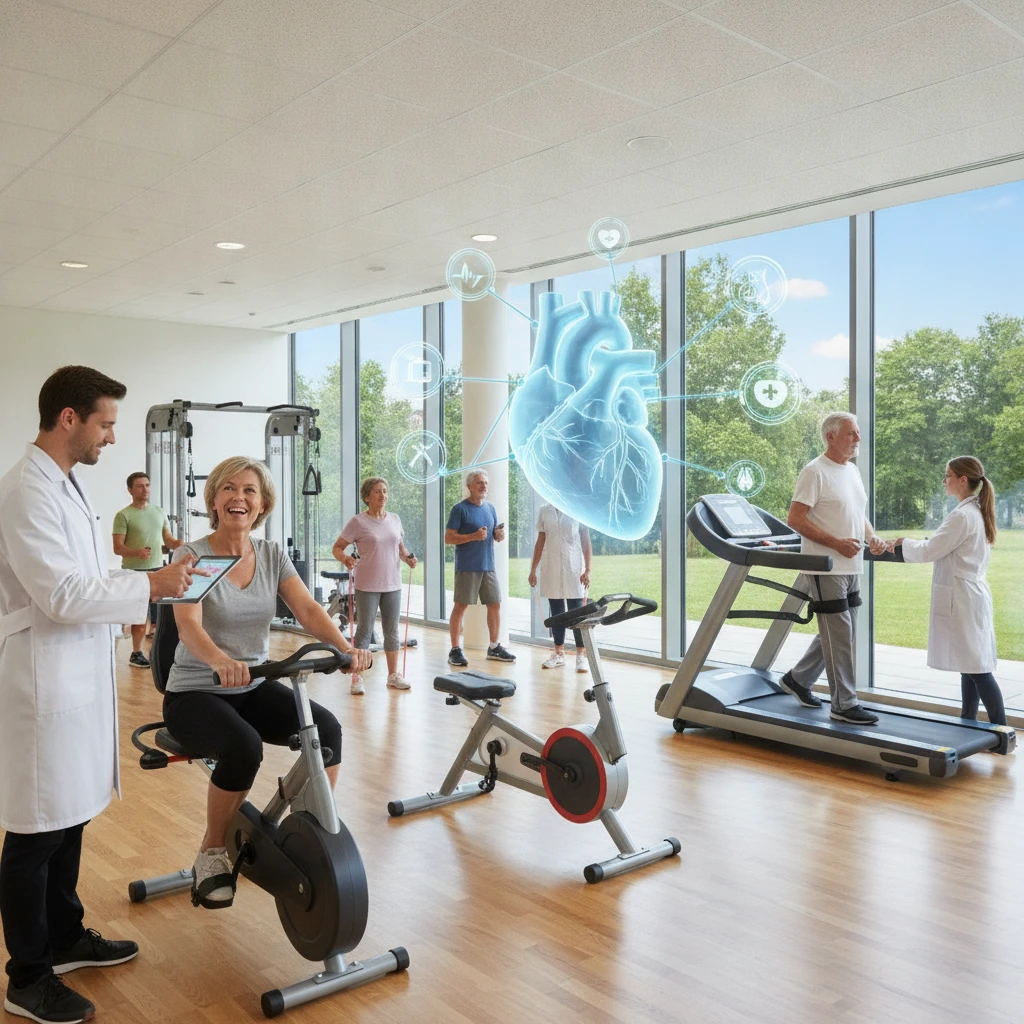
Understanding and managing cardiovascular health is one of the most crucial aspects of long-term wellness. While general fitness advice abounds, for many adults, a more nuanced and informed strategy is essential to genuinely protect and strengthen their heart.
This is where the specialized field of medical fitness truly excels. It offers a structured, medically supervised approach that moves beyond generic workouts, providing a safe and effective pathway to optimal heart health tailored specifically to your individual needs and risk factors.
Navigating Heart Health: Why a Personalized Approach is Key
The Universal Challenge of Cardiovascular Wellness
Cardiovascular disease remains a leading cause of mortality and morbidity worldwide, impacting millions of adults. Conditions like hypertension, high cholesterol, and atherosclerosis don’t discriminate, affecting individuals across various age groups and lifestyles. Proactive management isn’t just about reacting to symptoms; it involves understanding your unique risk profile and implementing strategies to mitigate those risks effectively. Many people, even those who consider themselves active, may have underlying genetic predispositions or lifestyle factors that place their heart health at risk, often unknowingly. This emphasizes the critical need for a foundation built on individual assessment rather than broad assumptions about wellness.
Why ‘One-Size-Fits-All’ Fitness Often Falls Short for Your Heart
The generic gym routine, while beneficial for some, frequently falls short when it comes to specific cardiovascular health challenges. A blanket approach to exercise rarely accounts for an individual’s medical history, current medications, existing conditions like diabetes or previous cardiac events, or even subtle physiological differences. Without proper medical oversight, certain exercises or intensities could be ineffective, or worse, detrimental, potentially exacerbating an existing condition or leading to injury. For adults committed to improving their heart health, relying solely on unspecialized fitness advice can be a significant pitfall, often delaying real progress and increasing risk. A truly effective program requires a tailored approach that aligns with your body’s specific requirements and limitations.
What is Medical Fitness, and How Does it Elevate Heart Care?
Bridging the Gap Between Healthcare and Exercise
Medical fitness represents a crucial bridge between clinical healthcare and personalized exercise programming. Unlike standard gym memberships, medical fitness programs are designed with direct input and oversight from healthcare professionals, ensuring that exercise protocols are safe, effective, and specifically aligned with an individual’s medical conditions and health goals. This integrated approach allows for the creation of exercise regimens that not only promote general fitness but also actively manage and improve specific health markers, such as blood pressure or cholesterol levels. For adults in the Lehigh Valley seeking to prevent or manage cardiovascular issues, this means a program that is both progressive and inherently safe, prioritizing their long-term well-being above all else.

Key Differences from Standard Gym Routines
The distinction between medical fitness and a standard gym routine is profound, particularly concerning heart care. A typical gym offers equipment and general group classes, but often lacks the specific guidance needed for individuals with pre-existing conditions or those requiring carefully monitored progression. Medical fitness, conversely, begins with a comprehensive health assessment, often including a physician’s referral and detailed medical history review. Programs are then prescribed by certified professionals who specialize in exercise physiology and clinical populations, ensuring that every movement contributes to an individual’s specific cardiovascular goals without compromise. This supervised environment emphasizes safety, efficacy, and ongoing adaptation, providing a level of care that can genuinely gradual progression is paramount, meaning your program will evolve safely and effectively as your fitness improves and your cardiac health strengthens, ensuring continuous, measurable gains. This expert guidance is a key differentiator from generalized fitness training, making it akin to
Tangible Cardiovascular Benefits You Can Expect
Lowered Blood Pressure and Cholesterol Levels
Engaging in a medically supervised fitness program can lead to significant, measurable improvements in key cardiovascular health markers. Regular, targeted exercise strengthens the heart muscle, making it more efficient at pumping blood, which in turn reduces the pressure on artery walls, leading to a direct reduction in blood pressure. Furthermore, appropriate physical activity plays a crucial role in improving your lipid profile; it can decrease levels of low-density lipoprotein (LDL), often referred to as “bad” cholesterol, while simultaneously increasing high-density lipoprotein (HDL), or “good” cholesterol. These combined effects contribute to healthier arteries and significantly lower your risk of heart disease and stroke. The American Heart Association consistently highlights physical activity as a cornerstone for maintaining healthy blood pressure and cholesterol levels, offering a powerful, non-pharmacological intervention.
Improved Cardiac Efficiency and Endurance
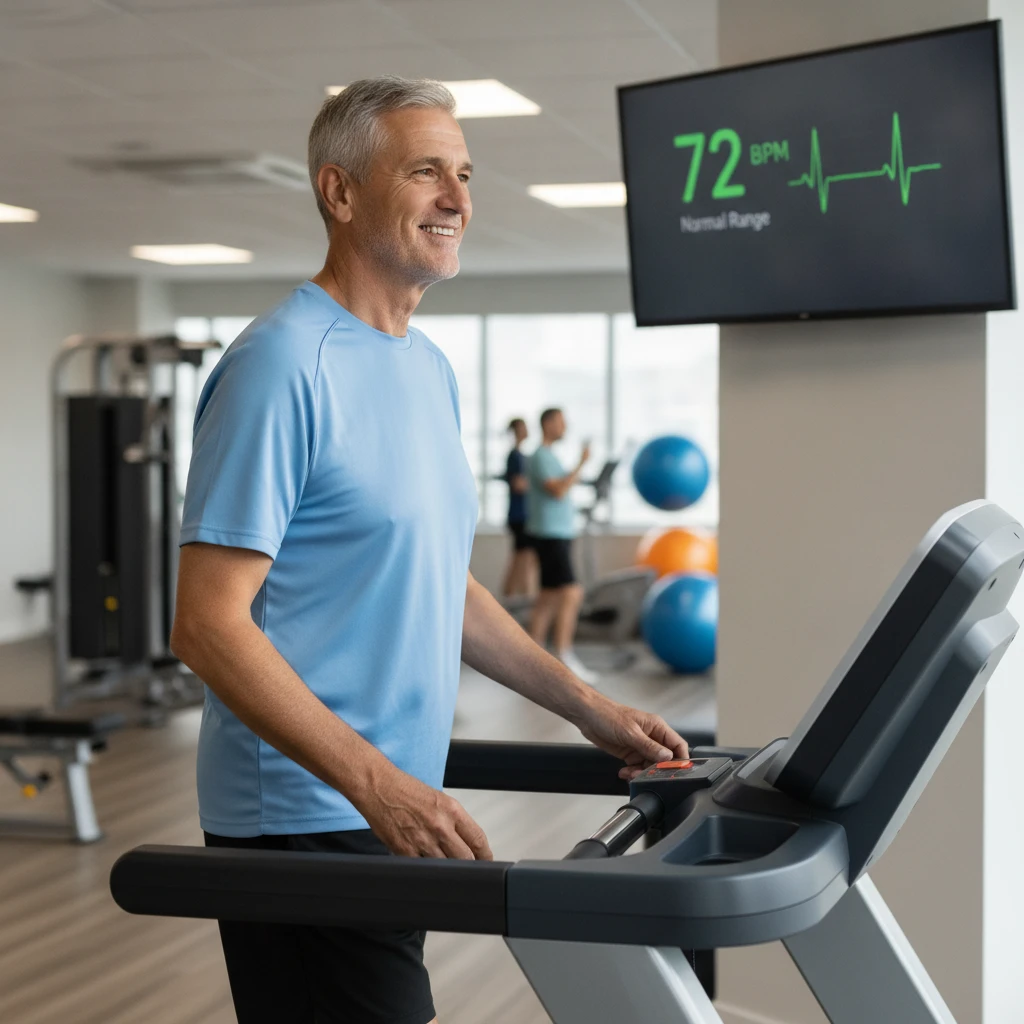
One of the most profound benefits of medical fitness for your heart is the tangible enhancement in cardiac efficiency and overall endurance. As your body adapts to regular, structured exercise, your heart becomes a more powerful and efficient pump. This means it can circulate more blood with fewer beats, leading to a lower resting heart rate – a key indicator of cardiovascular fitness. Moreover, your body’s ability to utilize oxygen effectively during physical activity, known as VO2 max, improves significantly. This increase in oxygen uptake translates directly into greater stamina, allowing you to perform daily activities with less fatigue and participate in recreational pursuits with greater ease. Ultimately, a more efficient heart means a more resilient body, better equipped to handle physical demands and stress, thereby improving your overall quality of life and energy levels.
Enhanced Metabolic Health and Weight Management
Medical fitness extends its benefits beyond the immediate cardiovascular system to profoundly impact your overall metabolic health and support effective weight management. Regular physical activity, especially when professionally guided, significantly improves insulin sensitivity, helping your body regulate blood sugar levels more efficiently and reducing the risk of type 2 diabetes – a major risk factor for heart disease. Furthermore, these programs are instrumental in achieving and maintaining a healthy body weight, particularly by reducing visceral fat, which surrounds vital organs and contributes to inflammation and metabolic dysfunction. By improving body composition and boosting metabolism, medical fitness creates a synergistic effect that protects your heart and enhances your overall well-being. This holistic approach to how medical weight loss supports lasting health goals is essential for sustainable cardiovascular health.
The Pillars of Medical Fitness for a Stronger Heart
Achieving optimal cardiovascular health through medical fitness isn’t a one-size-fits-all endeavor; it’s built upon several foundational pillars designed to provide personalized, safe, and effective interventions. These core components ensure that each individual receives the specific support needed to strengthen their heart and improve their overall well-being.
-
Personalized Exercise Prescriptions: Unlike generic gym routines, medical fitness programs begin with a comprehensive assessment of your current health status, medical history, and fitness level. This allows certified exercise physiologists and healthcare professionals to craft an exercise plan specifically tailored to your unique needs, taking into account any pre-existing conditions or limitations. This precision ensures that workouts are challenging enough to elicit beneficial adaptations without compromising safety.
-
Expert Supervision and Monitoring: A crucial differentiator of medical fitness is the constant presence and guidance of qualified professionals. During your sessions, experts closely monitor your vital signs, technique, and progress, making real-time adjustments to your exercises as needed. This supervised environment not only maximizes the effectiveness of your workouts but also significantly reduces the risk of injury or overexertion, which is particularly vital for individuals managing cardiac conditions.
-
Integrative Health Education: Beyond physical activity, medical fitness programs often incorporate education on lifestyle factors that profoundly impact heart health. This includes guidance on healthy eating habits, stress management techniques, and strategies for improving sleep quality. By addressing these interconnected aspects, medical fitness empowers you to make sustainable choices that support your cardiovascular system holistically.
-
Progressive Adaptation and Long-Term Strategies: Heart health improvements are a journey, not a destination. Medical fitness emphasizes a gradual, progressive approach, continually adapting your program as your fitness levels improve. Professionals help you set realistic goals and develop strategies for long-term adherence, equipping you with the knowledge and tools to maintain your progress independently and integrate physical activity as a permanent part of your life.
Customized Exercise: The Cornerstone of Cardiovascular Improvement
Tailored Aerobic Training for Heart Health
In medical fitness, aerobic training isn’t a one-size-fits-all approach; it’s meticulously customized to individual needs and health profiles. A primary focus is determining the optimal intensity zones, often guided by heart rate monitors and understanding of your perceived exertion, especially crucial for those managing hypertension or recovering from cardiac events. For a client with controlled high blood pressure, for example, a program might emphasize moderate-intensity activities like brisk walking or cycling for 30-45 minutes, three to five times per week, gradually increasing duration before intensity. Pitfalls include overtraining, which can strain the cardiovascular system, or insufficient challenge, leading to stalled progress. An expert coach ensures proper progression, integrating activities you enjoy while continually monitoring your response to exercise.
Strength Training for Functional Cardiac Support
Strength training plays a vital, often underestimated, role in cardiovascular health by building lean muscle mass, which improves metabolism and reduces the heart’s workload. Within medical fitness, this involves designing programs that prioritize functional movements and proper form, rather than maximum lifts, to enhance daily activity and reduce injury risk. For someone aiming to improve their heart health in Allentown, PA, this might mean incorporating bodyweight squats, seated rows, or resistance band exercises. Decision criteria include current strength levels, any orthopedic limitations, and cardiovascular stability. A significant pitfall is the Valsalva maneuver (holding your breath during exertion), which can dangerously spike blood pressure. Medical fitness professionals teach precise breathing techniques and select appropriate loads to provide cardiac support safely.
Flexibility and Balance for Overall Wellness
While often seen as secondary, flexibility and balance are integral to a holistic cardiovascular health program. Improved flexibility enhances joint mobility, reducing muscular stiffness and making it easier to maintain an active lifestyle, thereby indirectly supporting heart health by reducing sedentary time. Balance training, particularly important for aging adults in the Lehigh Valley, mitigates fall risk, encouraging continued physical activity with confidence. Activities like gentle stretching, yoga, or Tai Chi are incorporated. The pitfall here is often neglecting these aspects, leading to reduced mobility and an increased risk of injury, which can interrupt consistent exercise routines. Medical fitness programs ensure these components are structured to complement your strength and aerobic work, fostering a well-rounded and sustainable approach to wellness.
Beyond Workouts: Holistic Support for Your Heart
Integrating Nutrition Coaching for Optimal Fueling
Nutrition is a powerful, yet frequently overlooked, pillar of cardiovascular health. Medical fitness programs recognize that what you eat directly impacts blood pressure, cholesterol levels, and inflammation. Through personalized nutrition coaching, clients learn to make informed food choices that support their heart goals, moving beyond generic advice to specific strategies. For instance, an individual with elevated cholesterol might receive guidance on increasing soluble fiber intake and reducing saturated fats, rather than just vague “healthy eating” suggestions. A major pitfall is falling for fad diets that promise quick results but lack sustainability or scientific backing, potentially causing nutrient deficiencies. Working with a registered dietitian, often part of a medical fitness team, ensures your dietary plan is evidence-based and tailored to your unique needs, helping to
The Role of Recovery and Sleep in Cardiovascular Health
Optimal recovery and consistent, quality sleep are not luxuries; they are fundamental to cardiovascular repair and regeneration. During sleep, your blood pressure naturally drops, and your heart rate slows, providing essential rest for your cardiovascular system. Medical fitness emphasizes strategies for improving sleep hygiene, such as establishing a consistent bedtime routine, optimizing your sleep environment, and understanding the impact of screen time. For recovery, this means balancing intense workouts with active recovery days or scheduled rest. A significant pitfall is chronic sleep deprivation, which has been linked to increased risk of heart disease and stroke over time, or overtraining without adequate recuperation. Integrating guidance on
Is Medical Fitness Right for Your Heart Health Journey?
For Those Managing Existing Heart Conditions
If you’re managing an existing heart condition such as hypertension, stable angina, or recovering from a mild cardiac event, medical fitness offers a uniquely safe and effective pathway. It’s designed to provide exercise under expert supervision, tailored precisely to your diagnostic results and physician’s recommendations. Decision criteria often include a doctor’s clearance and, in some cases, an exercise stress test to establish safe parameters. A common pitfall is attempting to exercise without professional guidance, risking exacerbation of your condition or injury. For instance, a client in Emmaus with controlled arrhythmias would receive a program carefully adjusted for intensity and duration, with continuous monitoring, ensuring heart safety while progressively building cardiovascular resilience. This structured support is invaluable for long-term heart health.
Proactive Steps for Individuals with Risk Factors
Medical fitness is not just for recovery; it’s a powerful tool for prevention, especially for individuals with identifiable cardiovascular risk factors. If you have a family history of heart disease, manage pre-diabetes, have high cholesterol, or lead a sedentary lifestyle, a personalized medical fitness plan can significantly mitigate these risks. The decision to engage in such a program often stems from a desire for proactive health management and a comprehensive risk assessment. A pitfall is underestimating the cumulative effect of multiple risk factors, leading to a belief that a generic fitness routine will suffice. Instead, a medical fitness coach can design a program in Macungie, PA, that specifically targets areas like
Exploring Other Paths to Heart Health (and Why Medical Fitness Might Be Different)
General Gym Memberships and Group Classes
General gym memberships and group fitness classes offer accessibility and variety, which can be great starting points for many healthy individuals. They provide a diverse range of equipment and often foster a sense of community. However, for those with specific cardiovascular health concerns or risk factors, these options come with inherent limitations. The primary pitfall is the lack of personalized oversight and individual modification. While instructors may offer general advice, they cannot provide the nuanced guidance, physiological monitoring, or specific exercise adaptations required for someone managing, for example, heart failure or hypertension. This can lead to ineffective workouts, increased risk of injury, or even adverse cardiovascular events due to inappropriate intensity or exercise selection. These environments generally assume a baseline level of health that may not apply to everyone.
Self-Guided Fitness Apps and Home Workouts
The rise of fitness apps and home workout programs has made exercise more convenient and affordable than ever. They offer flexibility and a wealth of content, from cardio to strength training. However, their “one-size-fits-all” approach presents significant drawbacks for individuals focused on targeted cardiovascular health improvement. The major pitfall here is the absence of real-time feedback and professional assessment. Without a qualified eye, incorrect form can lead to injury, and without physiological monitoring, individuals with heart conditions might push themselves too hard or not hard enough, undermining safety and progress. For someone in Breinigsville requiring precise heart rate zones or specific strength modifications due to a pre-existing condition, relying solely on an app can be counterproductive. They cannot adapt to your body’s unique response or provide the expert guidance needed for safe and effective progression.
When a Specialized, Monitored Approach is Best
When your heart health journey involves managing existing conditions, significant risk factors, or transitioning from cardiac rehabilitation, a specialized, monitored medical fitness approach becomes not just beneficial but often essential. The distinction lies in the integration of medical knowledge with exercise science, creating programs that are clinically informed and individually calibrated. This means working with professionals who understand cardiac physiology, medication interactions, and how to safely progress exercise. The primary pitfall of avoiding this specialized path is the potential for missed opportunities for optimal health outcomes or, worse, unintended harm from inappropriate exercise. For residents of the Lehigh Valley seeking to truly American Heart Association.
Embarking on Your Medical Fitness Journey: What to Expect
The Initial Consultation and Goal Setting
The first step in any effective medical fitness program is a thorough initial consultation. This session goes beyond standard fitness assessments, delving deeply into your comprehensive medical history, existing health conditions, and any physician-recommended guidelines or restrictions. You can expect a detailed discussion about your cardiovascular health, including current medications, past cardiac events, and specific health goals like improving cholesterol levels, reducing blood pressure, or enhancing post-rehabilitation recovery. A crucial part of this stage is a physical assessment, often involving movement screens and baseline measurements, all conducted with an understanding of your unique health profile. A common pitfall is to bypass this critical data collection, leading to a generic workout plan that overlooks individual medical nuances. Instead, seek programs that prioritize this comprehensive, collaborative assessment, ensuring your fitness journey is truly tailored and safe.
Understanding Your Personalized Program Design
Following your initial consultation, a personalized fitness program is meticulously designed, integrating your medical background with your specific health objectives. This isn’t a one-size-fits-all approach; rather, it’s a bespoke plan that considers exercises, intensity levels, frequency, and modalities (strength, cardiovascular, flexibility training) specifically chosen to support your cardiovascular health without exacerbating underlying conditions. For instance, someone managing controlled hypertension might engage in moderate-intensity aerobic training alongside resistance exercises, carefully avoiding activities that could spike blood pressure significantly. This program design often involves communication with your healthcare provider to ensure alignment with your overall medical treatment plan. An actionable step is to ask your coach for a clear explanation of why specific exercises or training parameters have been selected for you, empowering you with a deeper understanding of your progress.
Ongoing Support and Progress Tracking
A successful medical fitness journey relies heavily on consistent support and diligent progress tracking. Your coach will regularly monitor your advancements, making necessary adjustments to your program as your body adapts and your health markers evolve. This isn’t just about weightlifting records; it encompasses objective metrics such as heart rate zones, blood pressure readings, endurance improvements, and changes in American College of Sports Medicine.
Questions to Ask Your Potential Coach or Program
Selecting the right medical fitness coach or program in Allentown, Bethlehem, or anywhere in the Lehigh Valley requires asking targeted questions. Start by inquiring about their experience with cardiovascular conditions and how they would adapt a program for someone with your specific health profile. Ask about their communication protocol with your physician, ensuring a collaborative approach to your care. Important questions also include: “What are your specific certifications in medical fitness or clinical exercise?” and “How do you handle unexpected health flare-ups or new medical recommendations during training?” Understanding their methodology for progress tracking and program adjustment is also key. Preparing these questions beforehand is an actionable step that empowers you to make an informed decision and choose a program that genuinely prioritizes your health and safety.
Connect with Forward Thinking Fitness for Your Cardiovascular Goals
For those in the Lehigh Valley seeking to proactively manage and improve their cardiovascular health through expert-guided fitness, Forward Thinking Fitness offers a tailored solution. Our team of experienced professionals understands the nuances of medical fitness, designing personalized programs that address your unique health profile and physician recommendations. We are committed to an evidence-based approach, ensuring your journey toward a healthier heart is both safe and effective. Whether your goals include improving blood pressure, enhancing endurance, or recovering post-cardiac event, our comprehensive services are designed to support your long-term wellness. Explore how working with a personal trainer specializing in medical fitness can transform your health.
Embarking on a medical fitness journey is a proactive and empowering step toward sustaining long-term cardiovascular health. By understanding the process, choosing qualified professionals, and engaging actively in your personalized program, you can build a stronger, healthier heart.
Starting Your Path to a Healthier Heart in the Lehigh Valley
Taking the initial step towards integrating medical fitness into your life is a significant investment in your long-term cardiovascular well-being. The Lehigh Valley provides a robust network of resources, including specialized programs like those at Forward Thinking Fitness, designed to guide you safely and effectively. Begin by consulting with your primary care physician or cardiologist to discuss your interest in a supervised exercise program. They can provide essential medical clearance and recommendations, forming the foundation for your fitness plan. Next, research local medical fitness providers, paying close attention to their credentials, client testimonials, and their approach to personalized care for individuals with heart conditions. Remember, consistency and a commitment to your program, coupled with ongoing communication with your medical team, are paramount to achieving and maintaining a healthier heart.
By prioritizing a structured and medically informed fitness regimen, you’re not just exercising; you’re actively managing your cardiovascular health, reducing risks, and enhancing your quality of life. Embrace this journey with confidence, knowing that expert support and a tailored approach can make a profound difference in your quest for a stronger, more resilient heart in the Lehigh Valley.