
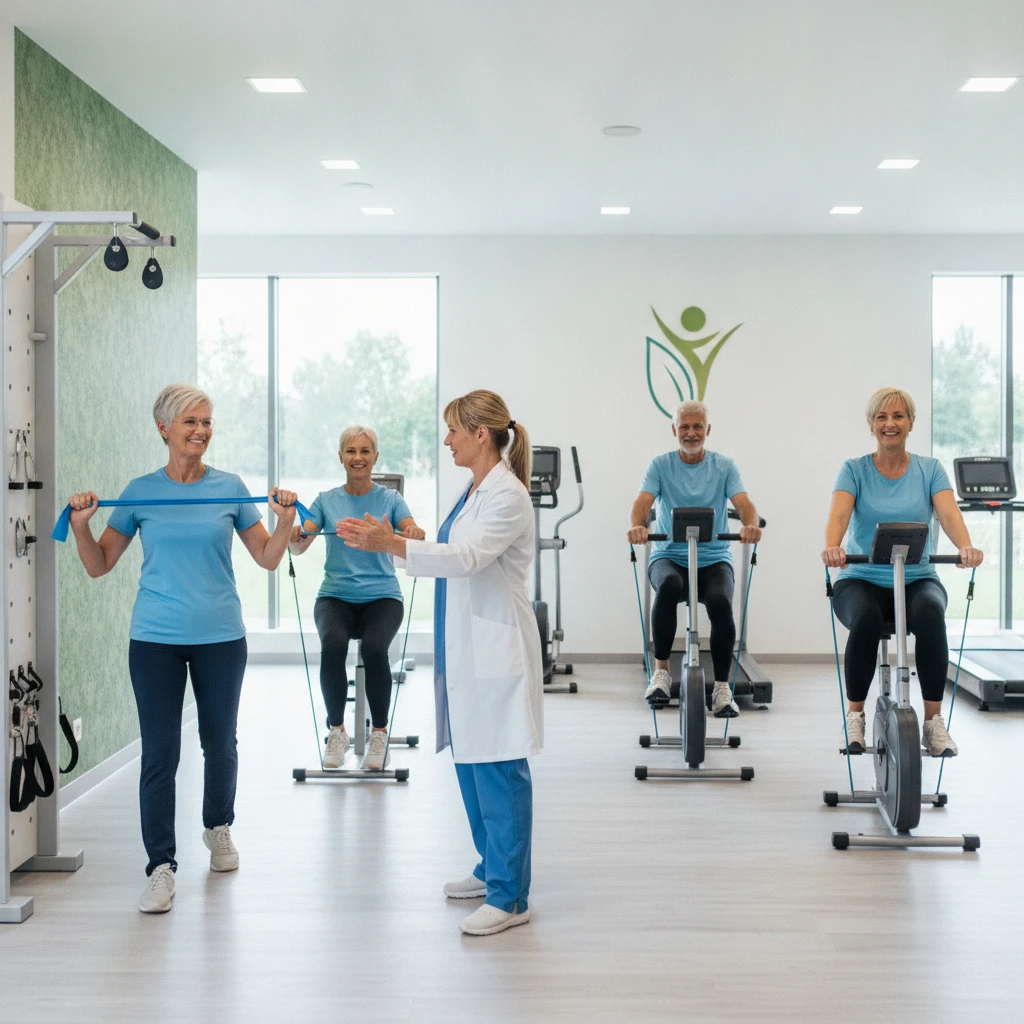
As individuals navigate the unique health landscape that comes with reaching and surpassing the age of 50, a paradigm shift from reactive treatment to proactive prevention becomes increasingly vital. The pursuit of longevity is no longer solely about extending years, but significantly about enhancing the quality of those years.
Medical fitness programs represent a critical evolution in adult wellness, offering a structured, evidence-based approach to mitigate age-related decline and manage chronic conditions. These tailored initiatives are designed to help adults maintain functional independence, build resilience, and foster a vibrant, active lifestyle for decades to come.
Embracing a Proactive Approach to Health After 50
Shifting from Reactive to Preventative Wellness
The traditional healthcare model often focuses on addressing health issues once they manifest. However, for adults over 50, a preventative mindset offers profound advantages, shifting the focus towards maintaining health and vigor rather than merely managing illness. This proactive stance involves strategic lifestyle choices and interventions designed to strengthen the body’s defenses and slow the progression of age-related changes. Embracing preventative wellness means actively pursuing practices that support long-term health, including regular physical activity, balanced nutrition, and stress management, all integral components of a robust medical fitness strategy. The goal is not just to live longer, but to ensure that those added years are filled with vitality and independence, significantly improving overall quality of life.
The Unique Health Landscape for Adults Over Five Decades
The period after 50 introduces several distinct physiological changes that necessitate a specialized approach to health and fitness. Common challenges include sarcopenia (age-related muscle loss), reduced bone density, decreased metabolic rate, and an increased risk of chronic conditions such as cardiovascular disease, type 2 diabetes, and osteoarthritis. Furthermore, hormonal shifts can impact energy levels, body composition, and mood. Recognizing this unique health landscape is crucial for designing effective interventions. Medical fitness programs specifically address these age-related factors by incorporating exercises that support muscle maintenance, bone health, and metabolic efficiency, alongside careful consideration for joint health and balance to prevent falls.
Understanding Medical Fitness Programs for Older Adults
Definition and Distinctions from General Fitness
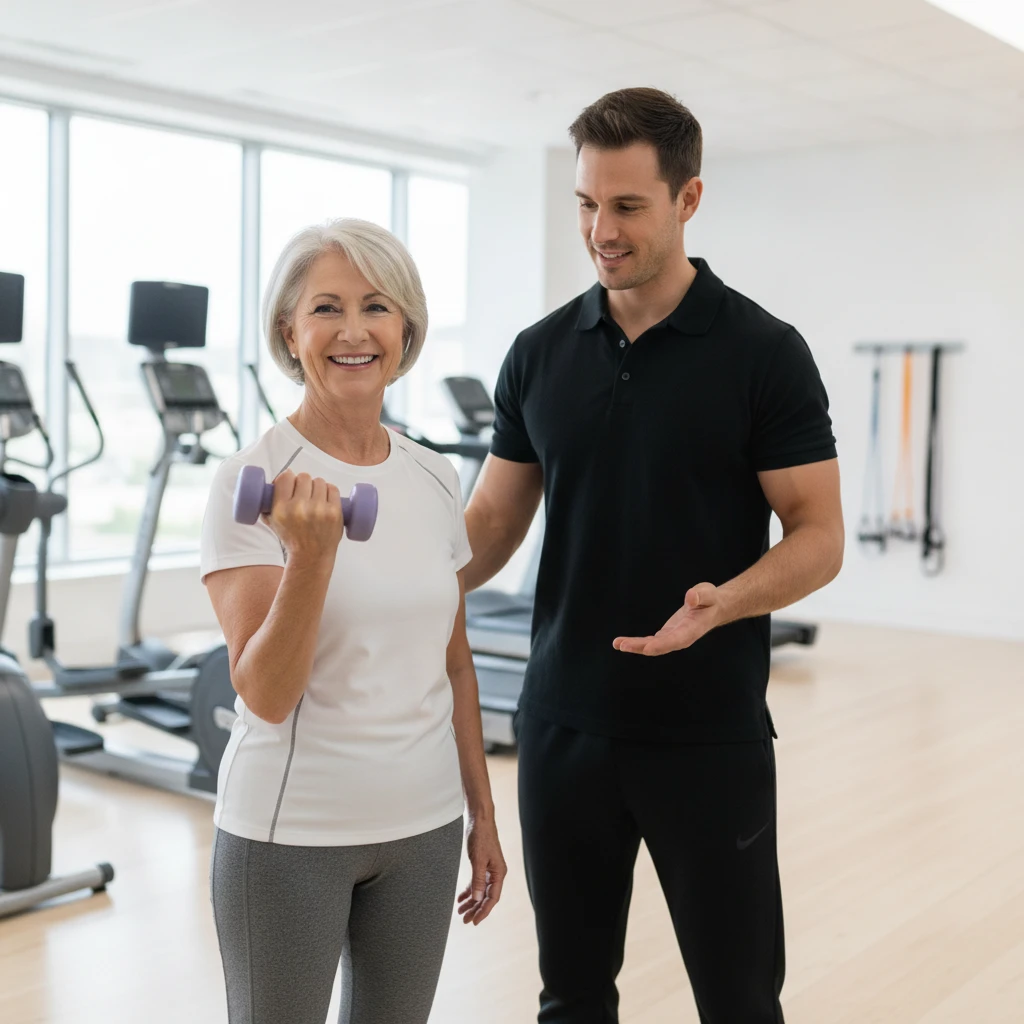
Medical fitness programs are specialized exercise initiatives designed and supervised by health professionals, often in collaboration with a participant’s medical team. Unlike general fitness centers that cater to a broad public with generic workout plans, medical fitness focuses on individuals with specific health considerations, chronic conditions, or those seeking a more integrated, health-centric approach to exercise. The primary distinction lies in the `clinical oversight` and `individualized program design` based on comprehensive health assessments, medical history, and specific therapeutic goals. These programs prioritize safety, efficacy, and adherence to medical guidelines, ensuring that exercise is both beneficial and appropriate for unique health profiles.
The Focus on Clinical Integration and Safety
A cornerstone of medical fitness is its strong emphasis on clinical integration and unparalleled safety. This involves continuous communication between fitness professionals, physical therapists, and physicians to ensure that exercise prescriptions align with a participant’s overall health plan and any existing medical conditions. Prior to participation, individuals undergo thorough screenings to identify potential risks, leading to the development of a `customized, safe exercise regimen`. Trainers in these environments possess advanced certifications and expertise in adapting exercises for various health challenges, from cardiovascular disease to neurological conditions. This `interdisciplinary approach` minimizes the risk of injury and maximizes health outcomes, providing peace of mind and effective progress for older adults.

Key Benefits of Medical Fitness for Longevity and Vitality
Enhancing Strength, Balance, and Functional Independence
One of the most profound benefits of medical fitness for adults over 50 is its targeted approach to enhancing `muscular strength and endurance`. As we age, maintaining muscle mass is critical for metabolic health, mobility, and preventing sarcopenia. These programs incorporate resistance training tailored to individual capabilities, promoting robust muscle development. Concurrently, significant attention is paid to improving balance and coordination, crucial for reducing the risk of falls, which can have devastating consequences in older age. By reinforcing core stability and neuromuscular control, participants achieve greater `functional independence`, enabling them to perform daily activities with ease, confidence, and without reliance on assistance, preserving their ability to live life on their own terms. Learning how to build lasting strength for healthy adult aging and enhancing joint mobility for long-term adult fitness are key components of such programs.
Managing Chronic Conditions and Reducing Health Risks
Medical fitness programs play a pivotal role in the prevention and management of various chronic health conditions prevalent in the over-50 demographic. Regular, medically supervised exercise can significantly improve cardiovascular health, help regulate blood pressure, and enhance insulin sensitivity, thereby mitigating the risks associated with heart disease and type 2 diabetes. For individuals already living with conditions like arthritis, controlled movement can reduce pain and improve joint function. These programs are often integrated with medical treatment plans, contributing to a holistic approach to health. The `evidence-based protocols` not only help in controlling existing conditions but also in `reducing reliance on medication` in many cases, fostering a sustainable path toward improved well-being. Furthermore, understanding how medical fitness programs can improve blood sugar control is a vital aspect of their design. For more information on maintaining overall health, authoritative resources such as the World Health Organization provide comprehensive guidelines.
Boosting Energy Levels and Mental Well-being
Beyond the physical benefits, medical fitness programs offer substantial improvements in `energy levels and mental well-being`. Consistent physical activity boosts circulation, improves oxygen delivery to cells, and enhances metabolic efficiency, all contributing to increased energy throughout the day. Moreover, exercise is a powerful mood enhancer, stimulating the release of endorphins and neurotransmitters that alleviate symptoms of anxiety and depression. Regular participation in a structured fitness environment can also provide a sense of accomplishment, improve sleep quality, and foster social connections, combating feelings of isolation. This holistic improvement in both physical stamina and `cognitive function` translates into a greater capacity to engage with life actively and joyfully, promoting a positive outlook and sustained mental sharpness.
Core Components of a Tailored Medical Fitness Plan
Comprehensive Health Assessments and Goal Setting
The foundation of any effective medical fitness plan is a `thorough initial assessment`. This process goes beyond a standard fitness evaluation, incorporating a detailed review of medical history, current medications, past injuries, and existing health conditions. It includes physical assessments of strength, flexibility, balance, cardiovascular endurance, and functional movement patterns. Based on these findings and consultation with a participant’s healthcare providers, `personalized health goals` are established. These goals are not just about “losing weight” or “getting stronger”; they are specific, measurable, achievable, relevant, and time-bound (SMART), focusing on improving clinical markers, functional capabilities, and overall quality of life. This initial phase ensures the program is precisely tailored to individual needs and limitations.
Integrating Cardiovascular, Strength, and Mobility Training
A well-rounded medical fitness plan seamlessly integrates three critical components: cardiovascular conditioning, strength training, and mobility work. `Cardiovascular training`, such as brisk walking or cycling, strengthens the heart and lungs, improving endurance and metabolic health. `Strength training` utilizes weights, resistance bands, or bodyweight exercises to combat sarcopenia, enhance bone density, and support joint stability. Crucially, `mobility and flexibility exercises` maintain range of motion, reduce stiffness, and prevent injuries, ensuring that the body can move efficiently and without pain. The program’s design ensures a balanced approach, with carefully prescribed intensities, durations, and frequencies for each element, progressively adapting as the individual’s fitness improves to continually challenge the body safely and effectively.
Nutrition Strategies for Optimal Aging
Nutrition is an indispensable pillar of medical fitness, particularly for adults over 50 seeking optimal aging. A tailored medical fitness plan includes guidance on `nutrition strategies` designed to support exercise performance, muscle recovery, and overall health. This often involves emphasizing lean proteins for muscle synthesis, complex carbohydrates for sustained energy, and healthy fats for hormonal balance and cellular function. Adequate hydration and the intake of nutrient-dense whole foods are also critical for managing inflammation and supporting immune function. Specialized advice may address specific dietary needs related to chronic conditions, nutrient absorption changes with age, or specific goals like weight management. Such guidance is crucial for maximizing the benefits of physical activity and promoting `sustainable wellness`. For reliable dietary advice, the Centers for Disease Control and Prevention offers numerous resources. Additionally, learning how to build a meal plan for busy adult life can greatly support these efforts.
Addressing Age-Related Health Concerns Through Exercise
As individuals transition into their 50s and beyond, the body naturally undergoes various physiological changes that can impact health and functional independence. Medical fitness programs are specifically designed to counteract these age-related declines, focusing on proactive strategies rather than merely reactive treatments. Engaging in structured exercise can significantly mitigate risks associated with common conditions such as osteopenia, type 2 diabetes, and cardiovascular disease. The goal is to not only extend lifespan but also enhance healthspan, ensuring a higher quality of life and sustained autonomy through targeted, evidence-based physical activity.
Strategies for Bone Density and Joint Health
Maintaining robust bone density and flexible joints is paramount for adults over 50, as conditions like osteoporosis and osteoarthritis become more prevalent. Effective medical fitness programs emphasize weight-bearing exercises and progressive resistance training. Activities such as lifting weights, walking, and stair climbing stimulate bone remodeling, leading to stronger bones and reduced fracture risk. Simultaneously, specific mobility and strengthening exercises for joints, guided by an expert, can improve cartilage health, lubricate joints, and enhance stability, crucial for preventing falls. A common pitfall is engaging in high-impact activities without proper form or adequate joint preparation, which can exacerbate existing issues. Instead, a gradual, monitored approach is key to achieving enhanced joint mobility and strength safely.
Improving Metabolic Health and Blood Sugar Regulation
Metabolic health often declines with age, increasing the risk of insulin resistance and type 2 diabetes. Medical fitness interventions are highly effective at improving blood sugar regulation through consistent physical activity. Both aerobic exercises and resistance training play critical roles: aerobic activity enhances glucose uptake by muscles, while strength training increases muscle mass, which is a primary site for glucose storage and utilization. This synergistic approach boosts insulin sensitivity and helps stabilize blood glucose levels. A significant pitfall is inconsistent adherence or relying solely on diet without incorporating regular exercise. An individualized program, which can include varying intensities and types of exercise, is vital for optimizing metabolic health and sustaining its benefits over time.
Supporting Cardiovascular Function and Heart Health
Cardiovascular disease remains a leading health concern for older adults, but exercise is a powerful preventative and management tool. Medical fitness programs focus on improving heart health through a combination of aerobic conditioning, strength training, and flexibility work. Regular aerobic exercise strengthens the heart muscle, improves circulation, and helps maintain healthy blood pressure and cholesterol levels. Resistance training also contributes by reducing arterial stiffness and enhancing endothelial function. Over-exertion or ignoring pre-existing heart conditions without medical clearance is a serious pitfall. Instead, a program tailored to individual cardiovascular capacity, often incorporating interval training and gradual progression, ensures safe and effective improvements in overall cardiovascular function and longevity.
The Importance of Expert Guidance and Personalized Training
Navigating the complexities of age-related physiological changes requires more than a generic workout plan. Expert guidance, particularly from professionals with specialized knowledge in medical fitness, is indispensable for adults over 50. These specialists understand the intricate interplay of chronic conditions, medications, and individual physical limitations. Their role extends beyond exercise prescription to include careful monitoring, risk assessment, and program adjustments, ensuring that every movement is safe, effective, and aligned with personal health objectives. This personalized approach is crucial for preventing injury, optimizing outcomes, and fostering long-term adherence to a healthy lifestyle.
Why a Certified Medical Fitness Specialist Matters
A certified medical fitness specialist possesses unique qualifications to work with individuals who have medical conditions, are recovering from injury, or simply require a more cautious and informed approach to exercise. Unlike general personal trainers, these specialists often hold advanced certifications, such as those from the American College of Sports Medicine (ACSM) or the National Academy of Sports Medicine (NASM) as a Medical Exercise Specialist. This expertise enables them to understand diagnostic information, communicate effectively with healthcare providers, and design exercise protocols that are both safe and therapeutically beneficial. The pitfall of choosing an unqualified trainer can lead to ineffective exercises, injury, or even exacerbation of existing health problems. Therefore, verifying a trainer’s credentials and experience in medical fitness is a critical first step in selecting your fitness coach.
Adapting Programs to Individual Needs and Limitations
Every individual over 50 presents with a unique health profile, including varying degrees of fitness, pre-existing conditions like arthritis or osteoporosis, and personal goals. A medical fitness specialist excels at creating highly customized programs that meticulously adapt to these individual needs and limitations. For instance, someone with knee osteoarthritis might receive exercises that strengthen supporting muscles without putting undue stress on the joint, utilizing modalities like aquatic exercise or modified resistance training. This adaptation involves a thorough initial assessment, continuous feedback, and regular adjustments to ensure progressive overload without compromising safety. The ability to modify exercises, adjust intensity, and consider recovery periods makes the program effective and sustainable, ultimately empowering individuals to overcome physical barriers and achieve their health goals. This dynamic program design is fundamental to long-term success.
Beyond Exercise: Holistic Support for Proactive Aging
While exercise forms the cornerstone of a medical fitness program, proactive aging extends beyond physical activity to encompass a holistic view of well-being. Recognizing that health is multifaceted, comprehensive programs integrate various support mechanisms that address mental, emotional, and recovery needs. This broader approach ensures that adults over 50 are not only building physical resilience but also developing sustainable habits that enhance overall vitality. It’s about optimizing all aspects of health to promote a higher quality of life and greater independence.
Incorporating Recovery and Stress Management
Effective medical fitness programs prioritize recovery and stress management as essential components of proactive aging. Overtraining without adequate rest can lead to diminished results, increased injury risk, and chronic fatigue. Specialists guide clients through active recovery strategies like gentle stretching, foam rolling, and light mobility work, which aid in muscle repair and flexibility. Furthermore, addressing psychological stress, a significant contributor to inflammation and chronic disease, is crucial. Techniques such as mindfulness exercises, controlled breathing, and adequate sleep hygiene are integrated to lower cortisol levels and promote overall well-being. This focus on holistic recovery ensures the body and mind can adapt and thrive under the demands of a progressive exercise regimen, preventing burnout and supporting long-term health.
The Role of Body Composition Analysis
Body composition analysis offers a more insightful measure of health than simple scale weight, particularly for adults over 50. With age, there’s a natural tendency for sarcopenia (muscle loss) and an increase in body fat, even if overall weight remains stable. Tools like DEXA scans or InBody analysis provide precise measurements of lean muscle mass, body fat percentage, and bone density. This data is invaluable for medical fitness specialists to tailor nutrition and exercise plans specifically aimed at preserving or increasing muscle mass, reducing unhealthy fat stores, and supporting bone health. Regular body composition assessments allow for objective tracking of progress, informing program adjustments and reinforcing the benefits of interventions. Understanding one’s body composition empowers individuals to make informed decisions about their health, moving beyond superficial metrics to target real physiological improvements.
Choosing the Right Medical Fitness Program in the Lehigh Valley
Selecting the appropriate medical fitness program is a pivotal decision for adults over 50 in the Lehigh Valley. The right program should not only address specific health concerns but also foster a supportive environment conducive to long-term adherence. It’s crucial to evaluate facilities and coaching teams based on their expertise, personalized approach, and commitment to client success. A thorough selection process ensures that individuals invest in a program that genuinely aligns with their health goals and provides the professional guidance needed for proactive aging.
What to Look For in a Reputable Facility and Coaching Team
When evaluating medical fitness programs in areas like Allentown, Bethlehem, and Emmaus, prioritize facilities that demonstrate a clear commitment to client care and safety. Look for a coaching team with recognized certifications in medical exercise or clinical exercise physiology. The facility itself should be clean, well-maintained, and equipped with appropriate machines for various fitness levels, including adaptive equipment if necessary. Client testimonials and transparent success stories can offer valuable insights into a program’s effectiveness and client satisfaction. A reputable facility will also emphasize a comprehensive initial assessment process to accurately understand your health history and fitness level before designing a program. It is important to seek a place that offers premium gym alternatives focusing on personalized training rather than a generic, one-size-fits-all approach, which can be a significant pitfall for those with specific health needs.
Questions to Ask Potential Providers
Engaging potential medical fitness providers with informed questions is essential for making the best choice. Inquire about the coaches’ specific certifications related to medical fitness and their experience working with adults over 50 who have similar health conditions to your own. Ask about their assessment process: "What diagnostic tools or assessments do you use to create my personalized plan?" Understand how they track progress and adapt programs over time: "How often will my program be reviewed and adjusted?" Additionally, clarify the communication protocols with other healthcare providers if you have existing medical conditions. Finally, ensure transparency regarding pricing structures, package options, and any cancellation policies. These inquiries help ascertain the program’s suitability and the team’s professional competence, ensuring you receive the highest quality of care and support.
Local Resources for Medical Fitness in Allentown and Surrounding Areas
The Lehigh Valley offers a growing landscape of resources for medical fitness, with dedicated facilities and specialists emerging to serve the needs of adults over 50. When searching for programs in Allentown, Whitehall, or Macungie, consider centers that emphasize a personalized approach and integrate with your healthcare team. Many local providers offer initial consultations or assessments, which are excellent opportunities to experience their approach firsthand. Beyond commercial centers, community health organizations or hospital-affiliated wellness programs sometimes offer specialized classes or guidance for older adults. Prioritizing providers that focus on individualized attention and comprehensive support ensures that adults in the Lehigh Valley have access to tailored medical fitness solutions for proactive health management. Researching online reviews, asking for referrals, and verifying the specialized expertise of trainers are actionable steps to finding the ideal local resource.
Making Medical Fitness a Cornerstone of Your Wellness Journey
Integrating medical fitness into your lifestyle is a strategic decision for proactive health management, particularly for adults over 50. It moves beyond generic exercise, addressing individual health needs, chronic conditions, and wellness goals with a clinically informed approach. This aligns with broader public health recommendations for healthy aging, as highlighted by organizations like the World Health Organization. Choosing the right program involves evaluating certified specialists, a strong track record of personalized care, and integration with your healthcare team. Avoid generic fitness plans that don’t account for your medical history; these can be ineffective or even risky. Prioritize programs offering a detailed initial assessment and continuous progress monitoring, often led by professionals understanding both exercise physiology and adult health challenges.
Long-Term Engagement and Sustaining Results
Sustaining engagement in any fitness regimen requires thoughtful strategies. Focus on setting realistic, achievable goals that align with your health objectives. Regular progress tracking provides tangible evidence of improvement, reinforcing motivation. Varying your exercise routine keeps the program fresh, preventing plateaus and boredom. A skilled medical fitness coach can adjust your program as your body adapts, ensuring continuous progress and addressing any emerging issues. Consistent, moderate effort often yields better long-term outcomes than sporadic, intense bursts, fostering sustainable healthy habits.
Your Path to a Stronger, Healthier Future
Embarking on a medical fitness journey begins with a comprehensive initial assessment. This critical step involves a thorough review of your medical history, current health status, and personal health aspirations. It allows experts to design a truly personalized exercise prescription that considers your unique physiological needs and any existing limitations. For instance, an individual managing blood sugar may benefit from targeted resistance training and cardiovascular work designed to enhance insulin sensitivity, a concept explored further when understanding how building lasting strength for healthy adult aging and overall quality of life.
By making medical fitness a priority, adults over 50 can proactively manage their health, enhance their physical capabilities, and significantly improve their quality of life. This integrated approach to wellness helps build resilience against common age-related conditions and fosters a greater sense of well-being.
For those in Allentown, PA, seeking expert guidance in personalized medical fitness, Forward Thinking Fitness offers tailored programs designed to support your unique health journey and long-term wellness goals. Visit ftfstrong.com to learn more about our services.