

As adults navigate life beyond 40, understanding and proactively managing metabolic health becomes increasingly vital. The body’s physiological processes, from energy utilization to nutrient absorption, undergo subtle yet significant shifts that can impact overall well-being and disease risk.
This comprehensive guide delves into actionable strategies for maintaining and enhancing metabolic resilience, focusing on nutrition, exercise, and body composition. By adopting forward-thinking approaches, individuals can mitigate common age-related challenges and foster a robust foundation for long-term health and vitality.
The Evolving Landscape of Metabolic Health Over 40
Defining Metabolic Health and Its Foundational Pillars
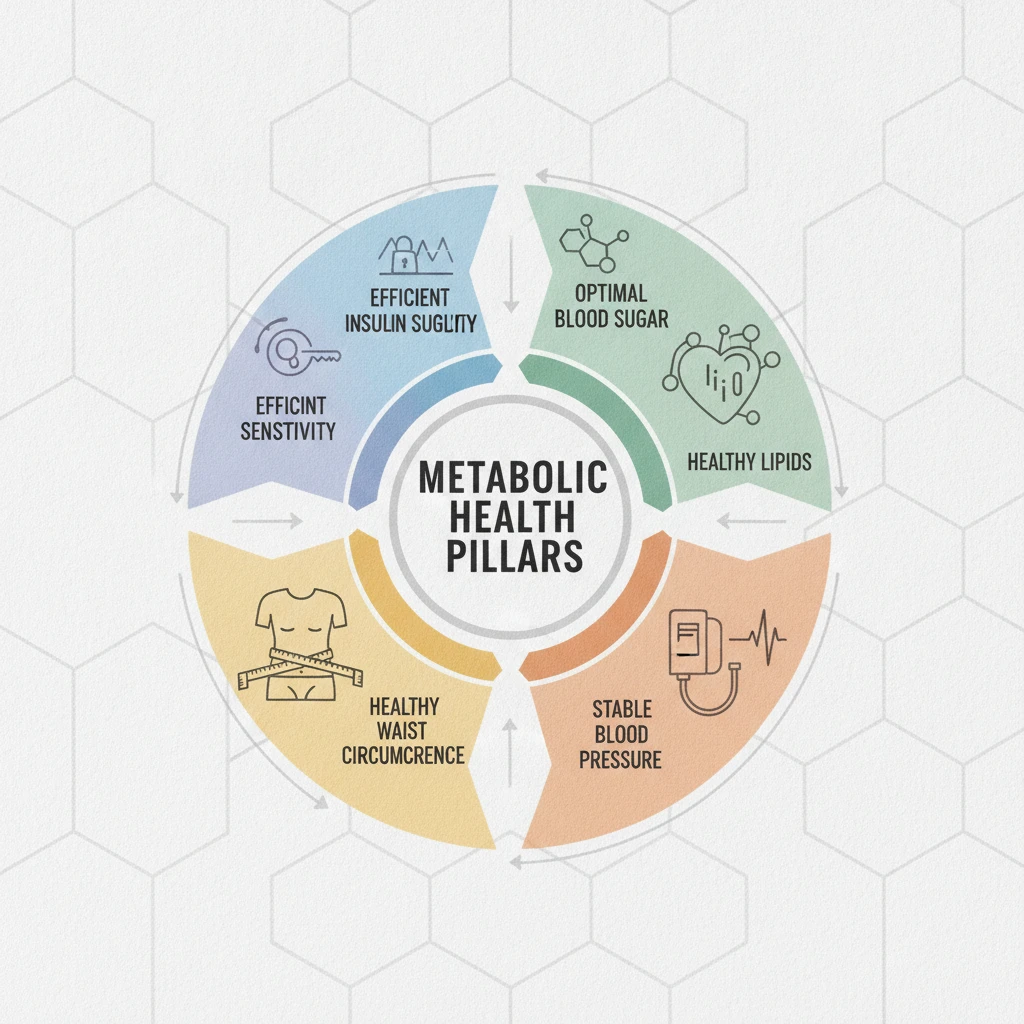
Metabolic health transcends the mere absence of disease; it signifies optimal functioning of critical physiological processes that govern energy production and utilization. For adults over 40, a robust metabolic profile is the bedrock of sustained vitality and resilience against chronic conditions. Its foundational pillars are universally recognized: optimal blood sugar regulation, healthy lipid profiles (triglycerides and HDL cholesterol), stable blood pressure, and a healthy waist circumference. Decision criteria for assessing metabolic health extend beyond standard “normal” lab ranges, often leaning towards ideal levels that reflect minimal risk. For instance, aiming for fasting glucose below 90 mg/dL or triglycerides under 100 mg/dL, rather than just within a broader acceptable range, can be a proactive goal. A common pitfall is to focus on just one marker, such as weight, while neglecting underlying issues like insulin resistance. Example: A client, aged 48, initially presented with high triglycerides and borderline hypertension. Through a structured nutrition plan emphasizing whole foods and consistent movement, their lipid panel significantly improved within six months, demonstrating the body’s capacity for positive change with targeted intervention. Proactive steps include regular comprehensive metabolic screenings and understanding how each pillar contributes to the larger picture of your
Strategic Nutrition for Optimizing Metabolic Resilience
Prioritizing Whole Foods and Nutrient-Dense Choices
The cornerstone of metabolic resilience is a diet rich in whole, unprocessed, and nutrient-dense foods. These choices provide the necessary vitamins, minerals, fiber, and phytonutrients that support healthy metabolic function, stabilize blood sugar, and reduce inflammation. Prioritizing foods like leafy green vegetables, lean proteins, diverse fruits, nuts, seeds, and whole grains helps to avoid the metabolic disruption caused by refined sugars and processed ingredients. For adults over 40, these foods are crucial for maintaining satiety, preventing energy crashes, and supporting cellular health. Decision criteria for selecting nutrient-dense foods include reading labels to identify minimal ingredients and opting for fresh, seasonal produce whenever possible. A common pitfall is falling for “healthy” processed food marketing, which often contains hidden sugars, unhealthy fats, and artificial additives that can undermine metabolic efforts. Example: Instead of a pre-packaged “health bar” with 20 ingredients, choose an apple with a handful of almonds – a simple, nutrient-dense snack. Actionable steps include dedicating time for meal planning, stocking your pantry with whole ingredients, and making conscious choices at grocery stores to maximize the nutrient-to-calorie ratio in your daily intake, fostering better
Building Metabolic Strength Through Targeted Exercise
The Indispensable Role of Resistance Training for Muscle Mass
For adults over 40, resistance training is not merely about aesthetics; it is an indispensable pillar of metabolic health. As we age, the natural process of sarcopenia accelerates, leading to a decline in muscle mass that directly lowers resting metabolic rate and impairs insulin sensitivity. Muscle tissue is metabolically active, burning more calories at rest than fat tissue, and it serves as the primary site for glucose uptake. Engaging in regular resistance training—using free weights, machines, or even bodyweight—helps to combat sarcopenia, increase lean muscle mass, improve bone density, and significantly enhance glucose disposal, thereby reducing the risk of type 2 diabetes. Decision criteria for effective resistance training include prioritizing proper form over heavy weight, progressively increasing the challenge over time (progressive overload), and ensuring adequate recovery. A common pitfall is the fear of “bulking up” or solely relying on cardiovascular exercise, neglecting the powerful metabolic benefits of strength work. Example: A 55-year-old client who started with two full-body resistance training sessions per week noted improved energy, better blood sugar control, and increased overall strength within three months. Consulting with a professional for strength coach who understands aging physiology can help customize a safe, effective, and sustainable program that supports your unique metabolic needs and fitness goals as you age.

Optimizing Body Composition for Long-Term Metabolic Wellness
Beyond the Scale: Understanding Body Fat vs. Muscle Mass
For individuals over 40, focusing solely on the number on the bathroom scale can be a misleading metric for health and metabolic wellness. A more insightful approach involves understanding body composition, specifically the ratio of lean muscle mass to body fat. Two individuals weighing the same can have vastly different health profiles based on their body composition. Muscle is metabolically active tissue, burning more calories at rest and playing a crucial role in glucose uptake, thus improving insulin sensitivity. In contrast, excess body fat, especially visceral fat, is pro-inflammatory and metabolically detrimental. Decision criteria for monitoring body composition include utilizing methods like DEXA scans, bioelectrical impedance analysis (BIA), or even consistent waist circumference measurements, which offer more valuable data than total weight alone. A common pitfall is becoming discouraged by a stagnant scale weight, even as body composition improves (e.g., losing fat and gaining muscle). Example: A 45-year-old client showed no significant change on the scale after three months of consistent training and nutrition, but a body composition analysis revealed a 5% reduction in body fat and a 3-pound increase in muscle, indicating significant metabolic improvement. Prioritizing strength training and proper nutrition to favorably alter this ratio is central to sustainable weight loss strategies and fostering long-term insulin sensitivity.
The Impact of Lifestyle: Sleep, Stress, and Recovery
Enhancing Sleep Quality for Hormonal Balance and Metabolism
Optimal sleep is a cornerstone of proactive metabolic health, particularly for adults over 40. Insufficient or poor-quality sleep profoundly impacts key hormones like cortisol, insulin, ghrelin, and leptin, which regulate appetite, blood sugar, and fat storage. Decision criteria for good sleep include consistently achieving 7-9 hours of restorative rest, waking up feeling refreshed, and maintaining a relatively consistent sleep schedule even on weekends. Common pitfalls include irregular bedtimes, excessive screen time before sleep, and late-day consumption of caffeine or alcohol, all of which disrupt natural circadian rhythms. To enhance sleep quality, implement a strict sleep hygiene routine: ensure your bedroom is cool, dark, and quiet, establish a relaxing wind-down period before bed, and avoid heavy meals close to bedtime. Prioritizing consistent, high-quality sleep can significantly improve hormonal balance and metabolic function.
Effective Stress Management Techniques for Metabolic Health
Chronic stress, often a pervasive factor in modern life, triggers the sustained release of cortisol, a hormone that can lead to increased abdominal fat storage, elevated blood sugar levels, and heightened insulin resistance over time. This creates a direct link between psychological stress and metabolic dysfunction. Effective stress management is therefore a vital component of a comprehensive metabolic health strategy. Practical techniques include daily mindfulness meditation, deep breathing exercises, spending regular time in nature, and engaging in hobbies that provide a sense of flow and relaxation. It is crucial to identify personal stressors and proactively implement daily practices to mitigate their impact. Seeking professional guidance, such as therapy or stress-reduction coaching, can also provide valuable tools and support for navigating significant life pressures, fostering resilience and metabolic stability.
Prioritizing Active Recovery and Mobility Practices
Beyond exercise and sleep, incorporating active recovery and dedicated mobility practices significantly contributes to metabolic resilience and overall well-being. Active recovery, such as light walking, gentle yoga, or foam rolling, helps reduce muscle soreness by promoting blood flow and nutrient delivery, while also aiding in nervous system regulation. This allows the body to adapt to training stressors more effectively. Mobility practices, focusing on improving joint range of motion and tissue flexibility, are essential for preventing injuries and ensuring consistent participation in physical activity as we age. For adults over 40, maintaining good mobility can prevent common aches and pains that might otherwise derail exercise routines. Incorporate short recovery sessions into your weekly schedule and consider professional guidance for targeted mobility exercises to support your long-term fitness and metabolic vitality. Learn more about effective active recovery strategies for adult fitness longevity.
Personalized Coaching: Your Partner in Sustaining Metabolic Health
The Benefits of Individualized Training and Nutrition Plans
For adults over 40, a “one-size-fits-all” approach to fitness and nutrition rarely yields sustainable results, especially when addressing complex metabolic health goals. Individualized coaching recognizes that each person has a unique health history, current fitness level, dietary preferences, and lifestyle constraints. A personalized plan factors in these specific details, tailoring exercise routines to accommodate existing conditions, prevent injuries, and optimize strength and cardiovascular improvements. Similarly, nutrition plans are designed around individual metabolic needs, ensuring adequate nutrient intake while supporting healthy weight management and blood sugar regulation. This bespoke approach fosters greater adherence and more effective outcomes than generic programs, leading to truly sustainable progress in metabolic wellness. Discover the advantages of customized fitness coaching.
Accountability and Expert Guidance for Consistent Progress
Maintaining consistency is often the biggest challenge in any long-term health journey. Personalized coaching provides a crucial layer of accountability, helping adults over 40 stay on track even when motivation wanes. A skilled coach offers expert guidance, ensuring proper exercise technique, adjusting plans as progress occurs, and troubleshooting plateaus. This professional oversight minimizes the risk of injury and maximizes the efficiency of your efforts. For example, a coach might implement weekly check-ins, analyze progress metrics beyond just scale weight, and provide behavioral strategies to overcome obstacles. This ongoing support and informed feedback are invaluable for building momentum and achieving lasting improvements in physical condition and metabolic markers.
Developing Sustainable Habits for Lifelong Metabolic Well-being
The ultimate goal of personalized coaching is not just to achieve short-term results but to empower individuals to develop sustainable habits for lifelong metabolic well-being. This involves more than just prescribing exercises or meal plans; it encompasses educating clients about the underlying principles of nutrition, exercise science, and recovery. By understanding the “why” behind their recommendations, individuals can make informed decisions independently. A coach acts as a mentor, guiding clients through behavior change, helping them integrate new routines seamlessly into their daily lives, and fostering a mindset of continuous improvement. This focus on education and empowerment ensures that the positive changes implemented become deeply ingrained, supporting health and vitality for years to come.
Exploring Advanced Support: Medical Fitness and Peptide Options
When to Consider Medical Fitness Interventions for Complex Needs
Medical fitness interventions offer a specialized pathway for individuals over 40 with complex health needs, chronic conditions, or those transitioning from physical therapy. This approach integrates exercise programming with medical oversight, making it suitable for managing conditions such as type 2 diabetes, hypertension, obesity, osteoarthritis, or post-surgical recovery. Decision criteria for considering medical fitness include a physician’s referral, a history of health challenges that require careful exercise modification, or a need for a highly structured and supervised environment. The primary pitfall of self-managing exercise with complex conditions is the potential for injury or exacerbating health issues without proper guidance. Medical fitness professionals collaborate with healthcare providers to ensure exercise protocols are safe, effective, and tailored to each individual’s precise medical profile, providing an invaluable layer of safety and efficacy. Explore how medical fitness integration supports lifelong health.
An Introduction to Peptides for Metabolic Regulation: Evidence and Safety Considerations
Peptides are short chains of amino acids that act as signaling molecules in the body, influencing a wide array of physiological processes, including metabolic regulation, inflammation, and cellular repair. For adults over 40, certain peptides are being explored for their potential to support metabolic health by improving glucose utilization, enhancing fat loss, or supporting hormonal balance. It is critical to approach peptide therapy with a focus on evidence and safety considerations. Current research continues to evolve, distinguishing established benefits from preliminary findings. Anyone considering peptide options should consult with a qualified healthcare professional who can assess individual suitability, discuss potential risks and benefits, and ensure the chosen peptides are obtained from reputable sources. Information regarding peptides can be found on authoritative scientific platforms like the National Institutes of Health website, emphasizing the importance of informed decision-making.
Understanding GLP-1 Support for Weight Management and Metabolic Health
Glucagon-like peptide-1 (GLP-1) receptor agonists are a class of medications that have gained significant attention for their role in weight management and improving metabolic health, particularly in individuals with type 2 diabetes or obesity. GLP-1 is a natural hormone that helps regulate blood sugar by stimulating insulin release, slowing gastric emptying, and promoting a feeling of fullness, which can lead to reduced calorie intake. For adults over 40 facing significant challenges with weight management or metabolic dysfunction, medically supervised GLP-1 support can be a valuable tool when integrated into a comprehensive health plan that includes dietary changes and increased physical activity. It is crucial to understand that GLP-1 support is a medical intervention requiring prescription and ongoing monitoring by a healthcare professional, not a standalone solution. Its effectiveness is maximized when combined with sustained lifestyle modifications, focusing on long-term health improvements.
Crafting Your Proactive Metabolic Health Blueprint
Setting Realistic Goals and Tracking Key Metabolic Markers
Developing a proactive metabolic health blueprint begins with setting clear, realistic, and measurable goals. For adults over 40, this might involve targets beyond just weight, such as improving body composition (reducing body fat, increasing lean muscle mass), enhancing cardiovascular fitness, or normalizing blood markers like fasting glucose, A1c, cholesterol, and inflammatory indicators. Pitfalls include setting overly ambitious goals that lead to burnout or solely focusing on scale weight, which can be misleading. Instead, use a holistic approach to track progress: regular body composition analysis, waist circumference measurements, and periodic blood tests provide a comprehensive picture of metabolic improvements. This data-driven approach allows for informed adjustments to your plan, celebrating small victories, and maintaining motivation through tangible evidence of progress and change.
Implementing Practical Strategies Into Your Daily Routine
The success of any metabolic health blueprint hinges on the consistent implementation of practical strategies into your daily routine. Grand overhauls are often unsustainable; instead, focus on small, consistent changes that accumulate over time. Examples include dedicating 15 minutes each morning to mindful movement, preparing healthy lunches in advance to avoid impulsive unhealthy choices, integrating short walks throughout the workday, or establishing a consistent bedtime ritual to improve sleep quality. The key is to identify areas where minor adjustments can yield significant benefits without disrupting your entire life. These incremental changes build momentum and reinforce positive habits, making your new lifestyle feel less like a chore and more like an inherent part of your daily rhythm, thereby fostering sustainable well-being.
Regular Assessment and Adaptation of Your Health Plan
Metabolic health is a dynamic state, not a static destination. Therefore, a proactive metabolic health blueprint requires regular assessment and adaptation. Life circumstances change, bodies respond differently over time, and new scientific insights emerge. Schedule periodic reviews of your progress with a coach or healthcare professional to evaluate what’s working, identify areas needing adjustment, and incorporate new strategies as appropriate. This iterative process allows your plan to evolve with your needs and ensures it remains effective. For instance, if a particular exercise causes discomfort, an adaptation might involve modifying the movement or exploring an alternative. This commitment to ongoing evaluation and flexibility ensures your metabolic health journey is continuous, resilient, and always optimized for your long-term vitality and performance. Gaining a deeper understanding of metabolic health is crucial for this process.
Accessing Metabolic Health Support in the Lehigh Valley
Proactively managing metabolic health becomes increasingly important for adults over 40, requiring a strategic approach that often benefits from professional guidance. The Lehigh Valley offers a growing array of resources, but discerning the most effective support can be challenging. It is crucial to seek out providers who emphasize evidence-based practices and a holistic view of wellness, rather than quick-fix solutions. Look for facilities that integrate various aspects of health, including nutrition, exercise physiology, and potentially medical oversight, to address the complex interplay of factors affecting metabolic function.
Personalized Training and Nutrition Services in Allentown, PA
For residents of Allentown, PA, personalized training and nutrition services are foundational for metabolic health improvement. Effective programs recognize that each individual’s metabolic profile, lifestyle, and health history are unique. A reputable service will begin with a comprehensive assessment, including body composition analysis and discussions about dietary habits, stress levels, and sleep patterns. This forms the basis for creating a truly individualized exercise regimen and a sustainable nutritional plan. Pitfalls include generic meal plans or workout routines that fail to consider personal preferences, existing health conditions, or caloric needs, often leading to frustration and disengagement. Instead, opt for coaches who prioritize education and empowerment, teaching you how to make informed choices for long-term well-being.
Connecting with Medical Fitness Professionals for Comprehensive Care
When metabolic challenges are significant or individuals have pre-existing conditions like type 2 diabetes or cardiovascular concerns, integrating medical fitness professionals into your health strategy is paramount. These specialists often work in conjunction with physicians, ensuring that exercise and nutrition interventions are safe, appropriate, and complementary to any ongoing medical treatments. Decision criteria for selecting a medical fitness professional include certifications, experience with specific metabolic conditions, and a clear communication pathway with your primary care provider. For instance, a person with elevated blood glucose might benefit from a program specifically designed to improve insulin sensitivity, closely monitored by professionals who understand the physiological responses. Avoiding this crucial connection can lead to exacerbating conditions or neglecting essential therapeutic components. The National Institutes of Health (NIH) provides extensive research and guidelines on various aspects of metabolic health, emphasizing the importance of informed care and integrating medical oversight for optimal outcomes.
By leveraging the specialized expertise available in the Lehigh Valley, adults over 40 can effectively navigate their metabolic health journey. Choosing partners who offer both personalized training and nutrition, alongside medical fitness integration, provides a robust framework for sustained health improvements.