
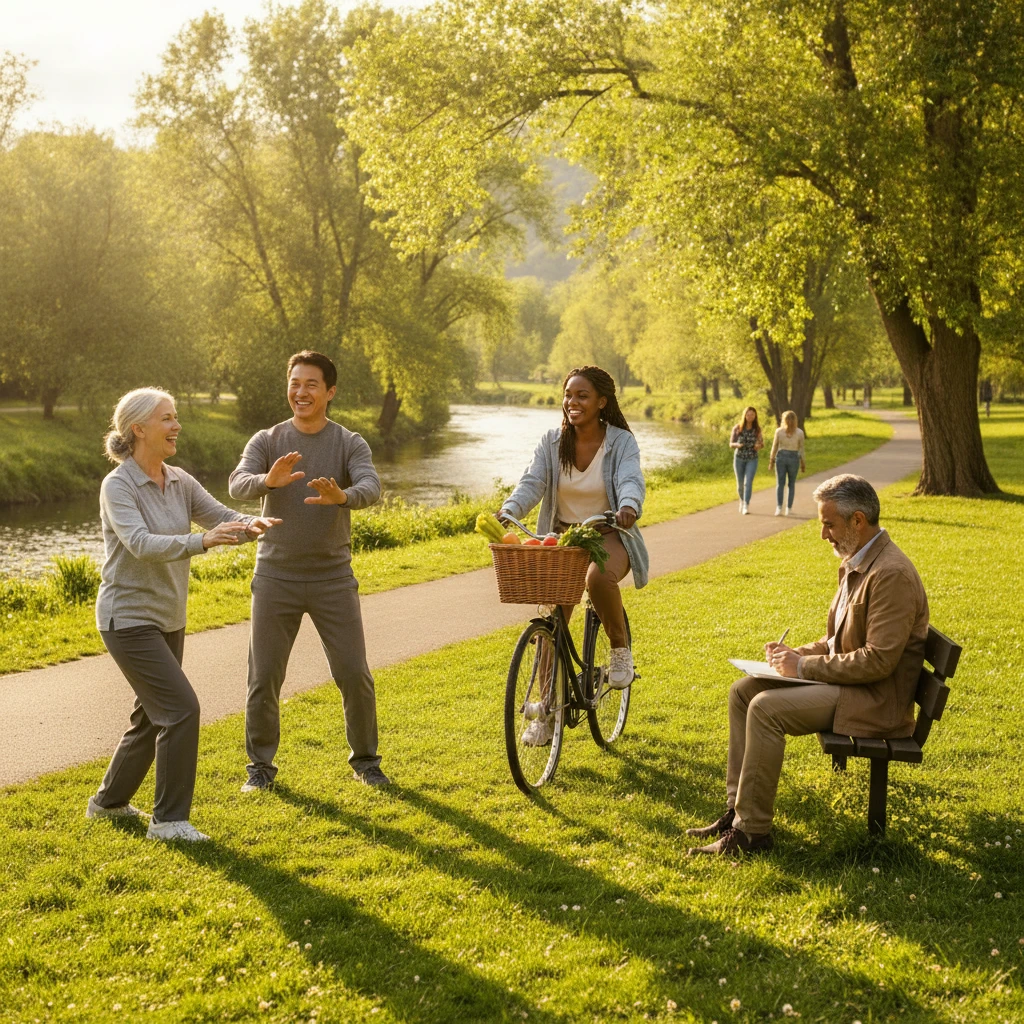
As we navigate life’s journey, the concept of “aging” often conjures images of decline. However, a modern and empowering perspective on healthy aging shifts this narrative entirely. It’s no longer about merely extending life, but about enhancing the quality of those years, ensuring vitality, independence, and a profound sense of well-being.
For adults in the Lehigh Valley and beyond, embracing healthy aging means taking proactive steps today to build a resilient and fulfilling future. It involves a holistic approach that acknowledges the interconnectedness of our physical, mental, and social health.
It’s More Than Just Longevity: Redefining Healthy Aging for Today’s Adults
Beyond Adding Years: Focusing on Healthspan
While living longer is often a goal, the true measure of a successful aging journey lies in our healthspan—the number of years lived in good health, free from chronic disease and debilitating conditions. This distinction is critical because merely adding years to life without the capacity to enjoy them falls short of our aspirations. Decision criteria for prioritizing healthspan include assessing your current functional independence, energy levels, and overall physical and mental comfort. A common pitfall is to focus solely on preventative screenings for diseases without actively engaging in lifestyle practices that promote daily vitality. For example, two individuals might both live to 85, but one spends the last decade managing multiple chronic illnesses, while the other maintains active engagement in hobbies and physical activities, enjoying travel and social connections. The latter exemplifies a longer healthspan. Actionable steps involve evaluating how your current habits contribute to your daily quality of life and making conscious choices that enhance your ability to perform activities you value, rather than just avoiding illness.
The Shift from Passive Aging to Proactive Wellness
The traditional view of aging often involved a passive acceptance of decline, waiting for health issues to arise before seeking intervention. Today, we understand that healthy aging is a proactive, lifelong endeavor. This shift embraces the power of personal agency and consistent effort in maintaining health. Decision criteria for adopting a proactive approach include recognizing that many age-related declines are preventable or manageable through lifestyle choices, not inevitable. A significant pitfall is succumbing to the belief that “it’s too late” to make a difference, or waiting for a crisis to ignite change. Example: Consider an adult who begins consistent strength training and mindful eating in their 40s versus someone who waits until their 60s after experiencing significant mobility issues. The proactive individual typically maintains a higher quality of life and significantly reduces future health burdens. Actionable steps involve creating a personalized wellness plan that includes regular physical activity, balanced nutrition, stress management, and mental engagement, rather than simply reacting to symptoms as they appear. This approach empowers you to shape your future health rather than merely enduring it.
The Core Pillars of a Truly Healthy Aging Journey
Sustained Physical Vitality and Function
Maintaining physical vitality is fundamental to a healthy aging journey, encompassing more than just absence of illness; it’s about preserving your ability to move, perform daily tasks, and enjoy activities without significant limitations. Decision criteria include assessing your current strength, flexibility, balance, and endurance, noting how easily you can climb stairs, carry groceries, or participate in hobbies. A key pitfall is allowing a sedentary lifestyle to erode these capabilities, leading to a vicious cycle of decreased activity and accelerated decline. For example, an adult who consistently incorporates exercises like walking, swimming, or resistance training into their routine is far more likely to maintain independence in their 70s and 80s than someone who does not. Actionable steps involve committing to regular, varied physical activity, including stress management. Actionable steps include prioritizing mental challenges such as puzzles, reading, learning a new language or skill, and actively practicing stress-reduction techniques. Cultivating a positive mindset and seeking support when needed are equally vital for fostering emotional strength.
Purposeful Engagement and Social Connection
A sense of purpose and robust social connections are often underestimated, yet crucial, components of healthy aging. Purposeful engagement provides direction and meaning, contributing to overall life satisfaction, while social connection combats isolation, a known risk factor for various health issues. Decision criteria include reflecting on how your activities align with your values and the strength of your relationships. A significant pitfall is allowing social isolation or a lack of meaningful activities to develop, which can lead to feelings of loneliness, depression, and a faster decline in both cognitive and physical health. Example: An individual who volunteers for a cause they care about, maintains close ties with family and friends, or participates in community groups often reports higher levels of happiness and better health outcomes than those who are isolated. Actionable steps involve actively nurturing existing relationships, seeking out new social opportunities, engaging in hobbies that provide personal fulfillment, and exploring ways to contribute to your community. These connections are vital for a holistic and fulfilling journey through life.
Strength Training: Your Foundation for Age-Proofing Your Body
Combating Sarcopenia: Preserving Muscle Mass and Strength
One of the most significant challenges of aging is sarcopenia, the progressive, age-related loss of muscle mass, strength, and function. Left unaddressed, sarcopenia severely impacts mobility, balance, and overall independence. Decision criteria for identifying potential sarcopenia include noticing a decrease in strength during everyday tasks, unexplained weight loss, or reduced walking speed. A critical pitfall is believing that muscle loss is an inevitable part of aging that cannot be mitigated, leading to inactivity and accelerated decline. For example, a 65-year-old adult who commits to a consistent

Fueling Your Future: Nutrition Strategies for Lifelong Health
Prioritizing Nutrient-Dense Foods for Cellular Health
The fuel we provide our bodies directly impacts cellular health, influencing everything from energy levels to disease prevention. Prioritizing nutrient-dense foods means selecting options rich in vitamins, minerals, antioxidants, and fiber, rather than empty calories. Decision criteria include evaluating the nutritional value of your food choices and opting for whole, unprocessed items whenever possible. A common pitfall is relying on processed foods that offer convenience but lack essential micronutrients, leading to cellular inflammation and impaired function over time. For example, an eating plan rich in leafy greens, berries, lean proteins, and healthy fats (like those found in olive oil and avocados) provides the necessary building blocks and protective compounds for optimal cellular repair and energy production. This approach aligns with broader guidelines for healthy eating from organizations like the World Health Organization. Actionable steps include making fruits, vegetables, whole grains, and lean protein sources the foundation of every meal, reducing consumption of sugary drinks and highly refined snacks, and cooking more at home to control ingredients.
Managing Metabolic Health and Blood Sugar Balance
Maintaining optimal metabolic health and stable blood sugar is critical for healthy aging, directly impacting energy, weight management, and reducing the risk of conditions like type 2 diabetes and cardiovascular disease. Decision criteria for managing metabolic health include monitoring key markers such as blood glucose, cholesterol levels, and blood pressure. A significant pitfall is a diet high in refined carbohydrates and sugars, which can lead to chronic blood sugar spikes and insulin resistance, contributing to sustainable weight management.
The Importance of Hydration and Gut Health
Often overlooked, proper hydration and a healthy gut microbiome are fundamental to overall health and particularly crucial for healthy aging. Adequate water intake supports every bodily function, from nutrient transport to temperature regulation, while a balanced gut microbiome influences digestion, immunity, and even mood. Decision criteria for assessing hydration include monitoring urine color and energy levels, while gut health can be observed through digestive comfort and regularity. A common pitfall is chronic low-level dehydration, which can lead to fatigue, headaches, and impaired cognitive function, or a diet lacking fiber and fermented foods, which can disrupt the delicate balance of gut bacteria. For example, an adult who consistently drinks water throughout the day and incorporates fermented foods like yogurt or kimchi, along with a high-fiber diet, typically experiences better digestion, enhanced immunity, and more consistent energy. The CDC emphasizes hydration for general health. Actionable steps include making water your primary beverage choice, carrying a reusable water bottle, and consciously including a variety of plant-based fibers and probiotic-rich foods in your diet to nourish a diverse gut microbiome.
Mobility and Flexibility: Keeping Your Body Moving Freely and Without Pain
Why Joint Health is Crucial for Everyday Activities
As we age, maintaining robust joint health becomes paramount for preserving our independence and quality of life. Healthy joints enable us to perform everyday tasks effortlessly, from bending down to tie shoes to reaching for items on a high shelf. Neglecting joint health can lead to stiffness, discomfort, and a significant reduction in our ability to engage in activities we enjoy. The presence of persistent aches or a decreased range of motion in simple movements serves as an important decision criterion to assess your current joint well-being. For instance, experiencing difficulty getting out of a chair or feeling resistance when turning your head are clear indicators that your mobility might be compromised.
Simple Movement Practices to Maintain Range of Motion
Incorporating simple, consistent movement practices into your daily routine is key to preserving and even improving your mobility. Gentle stretching, dynamic warm-ups before exercise, and practices like yoga or Tai Chi can significantly enhance your body’s range of movement. These activities help to lubricate joints, lengthen muscles, and improve overall flexibility. A practical example is dedicating just 10-15 minutes each morning to a routine that includes arm circles, leg swings, gentle spinal twists, and holds for major muscle groups. Consistency is more important than intensity, ensuring that your joints receive regular, non-strenuous movement. For guidance on recommended activity levels, authoritative sources like the World Health Organization provide valuable public health information.
Connecting Mobility to Pain Reduction and Independence
The direct link between good mobility and a reduction in chronic pain is often underestimated. Improved flexibility and stronger supporting muscles can alleviate pressure on joints, diminishing the aches and stiffness that commonly accompany aging. Furthermore, enhanced mobility significantly reduces the risk of falls, a major concern for older adults, thereby fostering greater independence. A sedentary lifestyle is a significant pitfall, as it allows joints to stiffen and muscles to weaken. By proactively focusing on mobility, adults in the Lehigh Valley can remain active participants in their communities, enjoying hobbies and daily life without the constant hindrance of physical limitations. This commitment also creates a stronger foundation for
Understanding Your Body Composition: Beyond the Scale for Healthy Aging
The Critical Difference: Muscle Mass vs. Body Fat Percentage
When discussing healthy aging, focusing solely on the number on the scale offers an incomplete picture. Body composition—the ratio of lean muscle mass to body fat—is a far more accurate and important indicator of health. As we age, there’s a natural tendency to lose muscle mass, a condition known as sarcopenia, while often gaining body fat. This shift negatively impacts strength, metabolism, and overall vitality. Understanding your individual body composition through advanced assessments like DEXA scans or bioelectrical impedance analysis (BIA) provides critical decision criteria, revealing what areas need attention rather than just a total weight. For a deeper dive into why this metric matters, consider exploring early signs of metabolic health issues.
Using Body Composition Data to Guide Your Fitness Plan
Leveraging body composition data empowers you to create a highly personalized and effective fitness and nutrition plan. If your scan reveals low muscle mass, your focus might shift towards a progressive resistance training program combined with adequate protein intake to stimulate muscle protein synthesis. For elevated body fat, a strategy incorporating consistent cardiovascular exercise and a calorie-controlled, nutrient-dense diet becomes paramount. A practical example is an adult in Emmaus who, after a body composition analysis, discovers they have significantly less lean mass in their lower body. Their tailored plan would then emphasize exercises like squats, lunges, and deadlifts, alongside nutrition adjustments. Regular re-assessment provides actionable data to fine-tune your strategy, ensuring your efforts are always aligned with your physiological needs for optimal aging.
The Lifestyle Factors: Sleep, Stress, and Social Connection
The Regenerative Power of Restorative Sleep
Restorative sleep is not merely a luxury; it’s a foundational pillar of healthy aging. During sleep, your body undertakes crucial repair processes, from muscle recovery and tissue regeneration to hormone regulation and cognitive consolidation. Chronic sleep debt can significantly impair immune function, increase inflammation, and negatively impact mood and decision-making, accelerating various aspects of aging. Aiming for 7-9 hours of quality sleep each night is an actionable step. Strategies include maintaining a consistent sleep schedule, creating a dark, cool sleep environment, and limiting screen time before bed. Recognizing and addressing sleep deficiencies is a critical decision criterion for overall well-being, influencing everything from metabolic health to mental acuity.
Effective Strategies for Managing Chronic Stress
Chronic stress is a silent accelerator of aging, contributing to everything from cardiovascular disease and cognitive decline to weakened immunity. Our bodies are designed for acute stress, but prolonged exposure to cortisol and other stress hormones can have detrimental long-term effects. Developing effective strategies for stress management is therefore non-negotiable for healthy aging. This includes incorporating practices such as mindfulness meditation, regular physical activity, spending time in nature, and effective time management techniques. Seeking support from a wellness coach can provide personalized strategies, especially for busy professionals in areas like Whitehall. Understanding how to mitigate stress is vital for not just mental but also physical health, as highlighted in discussions around
Why a Tailored Approach is Essential for Long-Term Success
The journey toward healthy aging is highly individual; there is no universal blueprint that fits everyone. What works for one person in Bethlehem may not be suitable for another in Macungie, due to differences in genetics, medical history, lifestyle, preferences, and current fitness levels. Adopting a generic fitness or nutrition plan is a common pitfall that often leads to frustration, injury, and a lack of sustainable results. A tailored approach considers your unique circumstances, ensuring that your efforts are both effective and enjoyable enough to maintain over the long term. This personalized strategy is fundamental for achieving lasting health improvements and is a cornerstone of why a personal trainer is key can be a game-changer for many.
Adapting Your Strategy as Your Needs Evolve
Healthy aging is a dynamic process, not a static destination. Your body, circumstances, and goals will naturally evolve over time, requiring your personalized plan to adapt accordingly. What was effective in your 40s may need modification in your 60s. For example, an individual recovering from an injury might need to temporarily scale back high-impact exercises in favor of lower-impact options, or adjust nutrition to support healing. Regular check-ins with your coach or healthcare provider are actionable steps to ensure your strategy remains relevant and effective. This continuous adaptation is crucial for long-term success, helping you navigate life’s changes without derailing your progress. Embracing this flexibility, often with the support of a coach, helps you overcome fitness obstacles and sustain your healthy lifestyle.
Personalizing Your Healthy Aging Plan: It’s Not One-Size-Fits-All
The concept of healthy aging, while universal in its desirability, is profoundly personal in its execution. We’ve explored foundational elements like strength training, nutrition, and stress management, but the true power lies in how these principles are woven into a plan that respects your individual tapestry. Your genetic predispositions, current health status, personal preferences, and even your geographic location (from Lehigh Valley to the Poconos) all play a role in defining what a ‘healthy’ and ‘sustainable’ path looks like for you. Generic advice, while well-intentioned, often falls short because it fails to account for these critical nuances.
A truly effective healthy aging strategy moves beyond broad recommendations, delving into specifics like designing a workout routine that accommodates existing joint issues, or crafting a meal plan that addresses specific dietary sensitivities or preferences while ensuring nutrient density. This individualized approach extends to selecting stress-reduction techniques that resonate with you, whether it’s mindful movement or spending time outdoors. This level of customization and comprehensive support is precisely why expert coaching can be so transformative, helping to synthesize these diverse elements into a cohesive, manageable, and enjoyable lifestyle. This ensures your efforts are not only effective but also maintainable, allowing you to invest in your long-term well-being with confidence and achieve your wellness goals.
Debunking Common Myths About Aging and What to Expect
Challenging the ‘Decline is Inevitable’ Mindset
Many adults assume that physical and cognitive decline is an unavoidable consequence of aging. This mindset, while common, is largely a myth. While chronological age brings certain physiological changes, a significant portion of what we perceive as ‘age-related decline’ is often attributable to lifestyle choices and inactivity, not just the passage of time. The human body, including the brain, possesses remarkable plasticity, meaning it can adapt and improve well into older adulthood with the right stimulus.
The critical distinction lies between natural aging and preventable decline. Natural aging might involve minor changes in sensory perception or maximum athletic capacity, but severe muscle loss (sarcopenia), joint pain, or significant cognitive impairment are often modifiable. The pitfall here is accepting this myth as truth, which can lead to inaction and a self-fulfilling prophecy of deterioration. Instead, focus on proactive strategies that support your body’s innate ability to maintain function.
Example: Sarah, a 62-year-old from Allentown, believed her increasing joint stiffness was just ‘part of getting older.’ After starting a personalized strength training program and improving her nutrition, she not only reduced pain but regained mobility and energy, demonstrating that dedicated effort can significantly enhance quality of life, even in later years. Prioritizing consistent movement, good nutrition, and mental engagement are actionable steps to defy this outdated notion.
The Truth About Metabolism and Energy Levels in Adulthood
Another prevalent myth is that metabolism drastically slows down in adulthood, making weight management and maintaining energy levels inherently more challenging. While there is a slight, gradual decrease in basal metabolic rate (BMR) with age, it’s often far less significant than people imagine. The more substantial factor contributing to perceived metabolic slowdown is often decreased physical activity and subsequent loss of muscle mass, which is metabolically active tissue. This reduction in activity naturally lowers overall caloric expenditure.
Energy levels are similarly complex and rarely solely a function of age. Factors like sleep quality, chronic stress, nutritional intake, and underlying effective strategies for managing stress, his energy levels dramatically improved. His coach emphasized that increasing muscle mass naturally boosts metabolism, and better stress resilience conserves vital energy, debunking his belief that his age was the primary culprit for his sluggishness.
Why It’s Never Too Late to Start Prioritizing Your Health
The idea that health interventions are only truly effective when started young is a dangerous misconception. Research consistently shows that positive changes, whether in diet, exercise, or lifestyle, yield significant benefits at any stage of life. The human body has an incredible capacity for adaptation; muscles can still grow, cardiovascular health can improve, and bone density can be maintained or even increased, regardless of chronological age. Starting today means you begin to reap those benefits immediately, improving your quality of life now and in the future.
One of the biggest pitfalls is procrastination, often fueled by the belief that “it’s too late” or “what’s the point now?” This attitude robs individuals of years of potential well-being. Even small, consistent efforts can lead to profound improvements in mobility, strength, balance, and cognitive function. The decision criteria for when to start prioritizing health is simple: the answer is always now. Every proactive step contributes to a more vibrant and independent future.
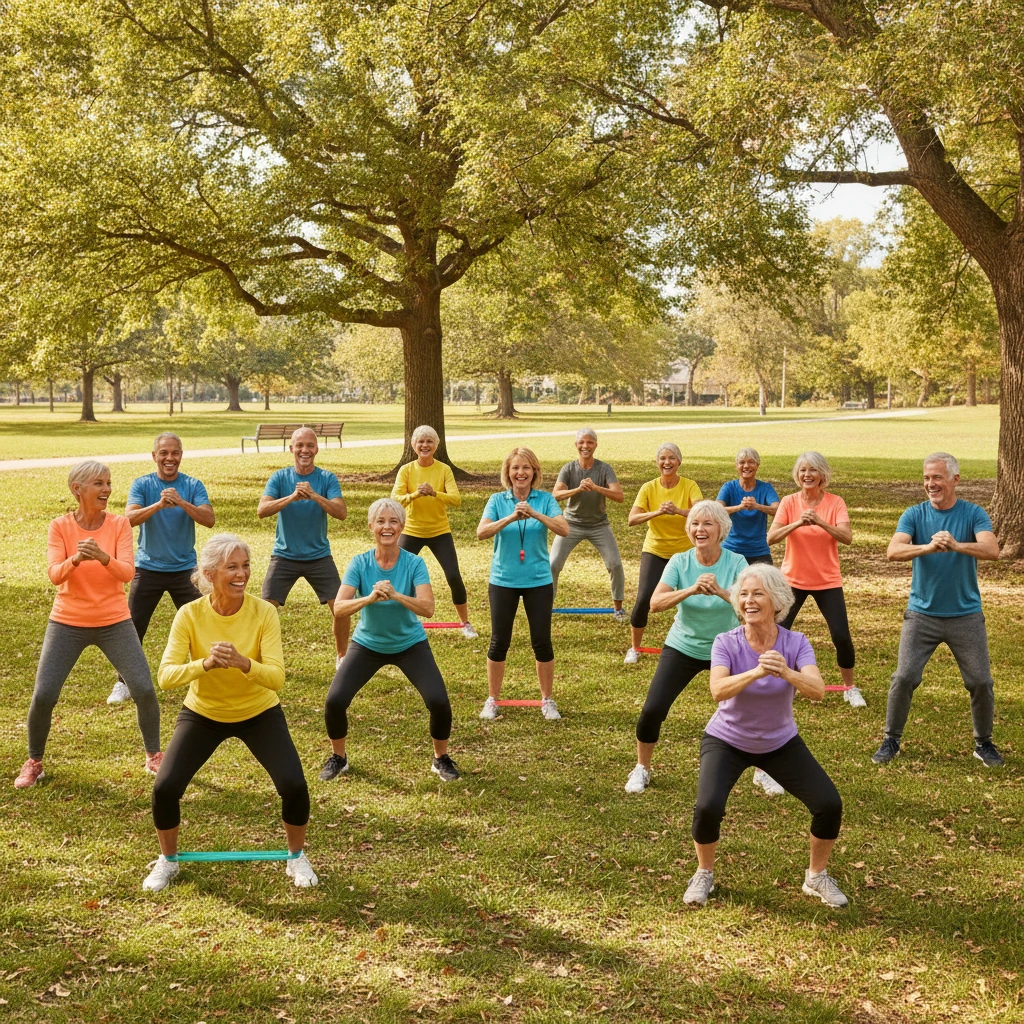
Example: Eleanor, aged 73, began a gentle resistance band program with a local trainer after years of minimal activity. Within six months, she reported improved balance, could walk further without fatigue, and felt a significant boost in her overall mood. Her experience underscores that the body responds positively to new stimuli at any age, emphasizing that engaging in thoughtful, consistent exercise is always beneficial, regardless of your starting point.
Starting Your Healthy Aging Journey Today in the Lehigh Valley
Finding Local Support: Personal Trainers and Wellness Coaches in Allentown and Bethlehem
Embarking on a healthy aging journey can feel daunting, but you don’t have to navigate it alone. Seeking professional guidance from personal trainers and wellness coaches in the Lehigh Valley, particularly in areas like Allentown and Bethlehem, can provide the expertise and accountability needed to succeed. These professionals can design exercise programs tailored to your specific needs, taking into account any pre-existing conditions or mobility challenges, ensuring safety and effectiveness. Their knowledge extends beyond just workouts, often encompassing nutritional advice and lifestyle strategies.
When choosing the right support, consider their certifications, experience with older adults, and their approach to client education. A good coach empowers you with knowledge, rather than just dictating exercises. A significant pitfall is trying to replicate complex workouts found online without professional supervision, which can lead to injury or discouragement. Instead, look for trainers who prioritize functional movements and long-term health. Many adults in our community find that value of personalized coaching for sustainable change. Many adults seeking to build their
Taking the First Step: A Practical Checklist for Action
Starting is often the hardest part, but breaking down the journey into manageable steps can make it accessible. Your first step should be a comprehensive health assessment, ideally with a healthcare provider, to understand your current health status and any limitations. Following this, consider an initial fitness assessment with a qualified professional who can evaluate your strength, mobility, and balance. This data forms the foundation for a truly personalized and effective plan, crucial for those seeking to personalized training can accelerate these positive transformations.
Resources and Community for Lifelong Wellness in the Lehigh Valley
Beyond individual coaching, the Lehigh Valley offers a wealth of resources and communities that can support your healthy aging journey. Explore local community centers, senior centers, and parks and recreation departments in Allentown, Bethlehem, and surrounding towns like Whitehall and Macungie. Many offer classes, workshops, and social groups focused on physical activity, nutrition, and mental well-being, providing both structure and valuable social connection.
Decision criteria for selecting resources should include accessibility, cost-effectiveness, and alignment with your personal interests and goals. Look for programs endorsed by reputable health organizations or those with certified instructors. A key pitfall is relying solely on online information without seeking credible, in-person support, which can lead to misinformation or feelings of isolation. Engaging with a local community fosters accountability and shared experience, both powerful motivators.
Consider joining local walking groups, gardening clubs, or volunteer organizations that involve physical activity. Libraries often host health-related seminars, and many local hospitals offer wellness programs. Organizations like the World Health Organization also provide global guidelines on active aging, which can complement local resources. These community touchpoints provide opportunities to stay active and engaged, contributing significantly to both physical and mental well-being.
Frequently Asked Questions About Healthy Aging
Can I truly reverse age-related decline?
While we cannot “reverse” chronological aging, you can absolutely mitigate, slow, and often significantly improve many aspects of what is commonly perceived as age-related decline. The human body is remarkably adaptable. For instance, muscle mass, strength, and bone density, which typically decline with age, can be substantially improved through consistent strength training and adequate nutrition, even in advanced years. Similarly, cardiovascular fitness and flexibility are highly responsive to regular exercise.
The focus should shift from reversing age to optimizing functional capacity and biological age. Functional improvements mean you can perform daily activities with greater ease, independence, and comfort. Biological age, a measure of your body’s physiological health, can often be lower than your chronological age through healthy lifestyle choices. The pitfall is expecting a complete return to youth; the goal is rather to enhance current well-being and prevent future deterioration, leading to a much higher quality of life. Consistent effort is the decision criterion for substantial improvement.
Example: A 65-year-old client who started an exercise program focused on progressive resistance training not only regained the ability to carry groceries without assistance but also improved their balance, reducing their risk of falls by 40%. This wasn’t “reversing” age, but a profound improvement in their functional independence and overall health, demonstrating that significant positive changes are entirely within reach with dedicated effort.
What is the single most important factor for healthy aging?
There isn’t a single “most important” factor for healthy aging, as it’s a holistic process involving multiple interconnected elements. However, if forced to highlight an overarching theme, it would be consistent physical activity, with a strong emphasis on resistance or strength training. This is because maintaining muscle mass and strength directly impacts mobility, balance, metabolic health, bone density, and even cognitive function, making it a foundational element for a robust body and mind.
Beyond physical activity, other critical factors include a nutrient-dense diet, adequate sleep, effective stress management, and strong social connections. The pitfall of focusing on just one factor is neglecting the others, which can create imbalances or limit overall progress. For instance, excellent exercise won’t fully compensate for a poor diet or chronic sleep deprivation. The decision criteria for prioritization should be a balanced approach that addresses all pillars of wellness simultaneously.
Example: Consider two hypothetical individuals, both 70. One focuses solely on diet, while the other maintains a balanced routine of strength training, walking, a healthy diet, and social engagement. The latter typically experiences greater overall vitality, reduced risk of chronic diseases, and better mental well-being, demonstrating that a multi-faceted approach, while centered on consistent movement, yields superior results.
At what age should I start focusing on healthy aging?
The ideal age to start focusing on healthy aging is now, regardless of your current age. While preventative measures taken in your 20s and 30s can lay a strong foundation for future health, it is never too late to begin making positive changes. Starting early allows you to build a substantial “health reserve,” such as stronger bones and more muscle mass, which can buffer against age-related decline later in life. This proactive approach supports sustained vitality and independence.
For those in their 40s, 50s, and beyond, initiating healthy habits still provides significant benefits, including improved cardiovascular health, enhanced strength and balance, better mood regulation, and increased cognitive sharpness. The biggest pitfall is waiting, thinking that healthy aging strategies are only for the “elderly.” Every year you delay means missing out on opportunities to build and preserve health. The decision criterion is simple: if you are alive, it’s the right time to invest in your health.
Example: A person who begins strength training in their 30s can significantly increase their peak bone density, which provides a greater buffer against osteoporosis later in life. Conversely, someone starting in their 60s can still halt bone density loss and even see moderate improvements, while building crucial muscle to prevent falls. Both benefit immensely, underscoring that while earlier is great, later is still incredibly impactful.
By understanding these truths about aging and actively engaging in personalized wellness strategies, adults in the Lehigh Valley can redefine their later years as a period of continued growth, strength, and vitality. The journey towards healthy aging is a continuous one, and every step taken today contributes to a more fulfilling tomorrow.