
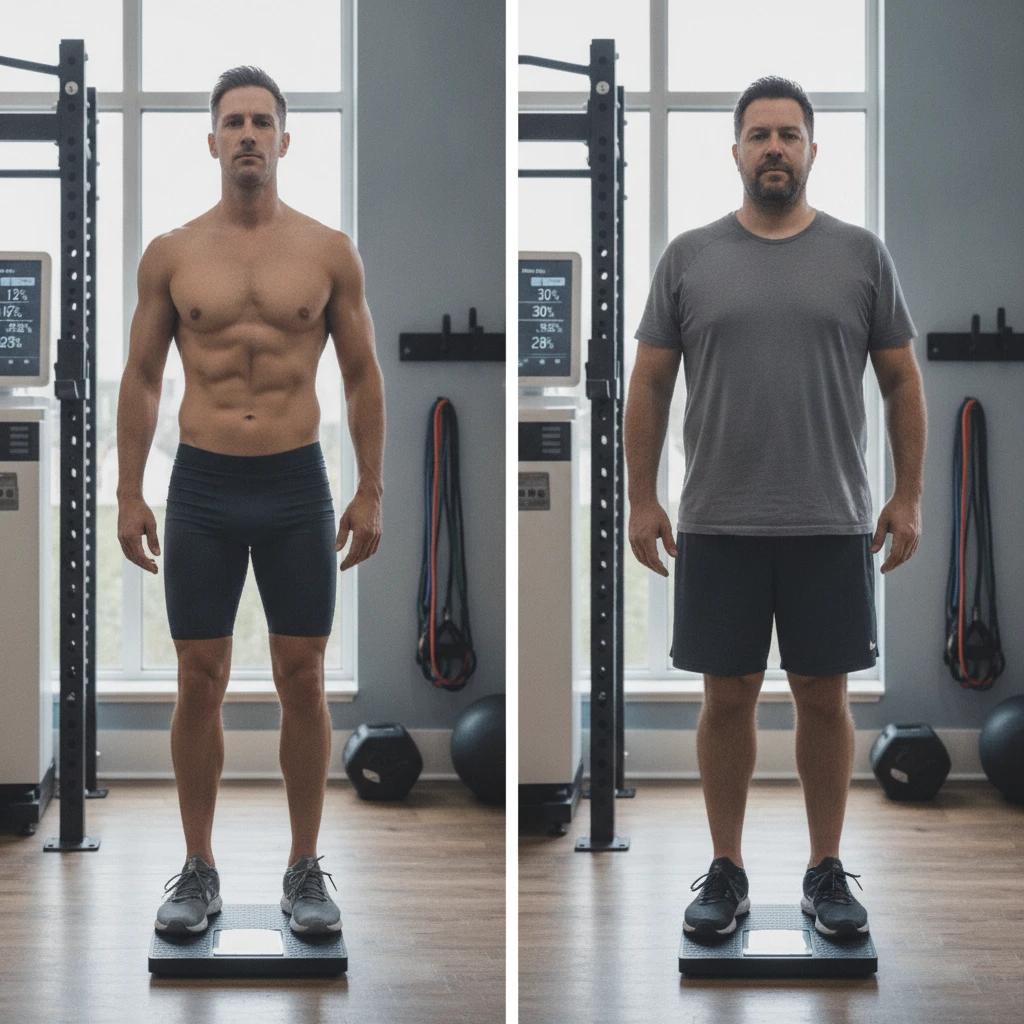
For many adults in the Lehigh Valley, the bathroom scale has long been the primary, and often sole, metric for tracking health and fitness progress. However, focusing exclusively on a single number can be deeply misleading, leading to frustration and an incomplete understanding of one’s true physiological state.
To truly optimize your health, build strength, and achieve sustainable wellness, it’s imperative to look beyond mere weight. A comprehensive body fat analysis offers a far more accurate and actionable picture of what’s happening inside your body, guiding more effective and personalized strategies.
Beyond the Scale: Why Your Weight Doesn’t Tell the Full Story
The Deceptive Nature of “Pounds Lost”
When you step on a scale and see a lower number, it’s easy to assume success. However, that reduction in “pounds lost” doesn’t specify what was actually lost. It could be water, muscle, or fat. For instance, rapid weight loss often includes a significant amount of water and even valuable lean muscle mass, which is counterproductive to long-term health and metabolism. This can lead to a cycle of frustration when the scale doesn’t move as expected, even if positive body changes are occurring.
What Your Bathroom Scale Really Measures (and Misses)
Your standard bathroom scale measures your total body mass – the combined weight of everything in your body: bones, organs, blood, water, muscle, and fat. What it crucially misses is the composition of that weight. It cannot differentiate between a pound of muscle and a pound of fat, yet these two components have vastly different implications for your health, fitness, and metabolic function. Relying solely on scale weight often overlooks critical progress, such as gaining muscle while losing fat, which might result in no change on the scale but significant improvements in health markers and body shape.

Understanding Body Composition: More Than Just Muscle vs. Fat
Lean Mass vs. Fat Mass Explained
Body composition analysis provides a breakdown of your weight into different components, primarily lean mass and fat mass. Lean mass includes muscle, bone, water, and organs. Muscle, in particular, is metabolically active, meaning it burns more calories at rest, contributing significantly to your basal metabolic rate. Fat mass, on the other hand, is stored energy. While a certain amount of fat is essential for health, excessive fat mass can lead to numerous health issues. Understanding the balance between these two is far more insightful than simply knowing your total weight, particularly for adults aiming to improve World Health Organization.
Why Adults Need Body Fat Analysis for True Health Insights
Accurate Progress Tracking Beyond the Number on the Scale
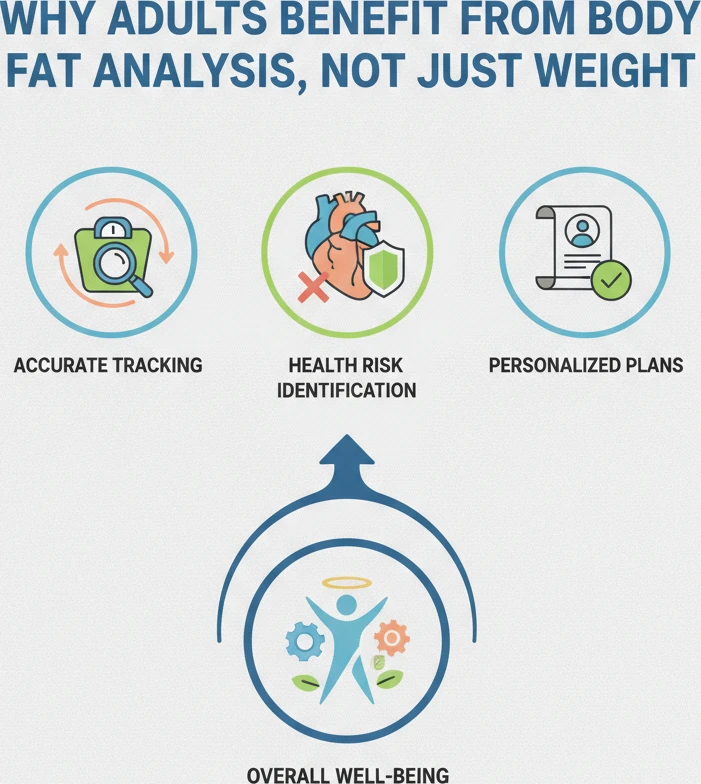
For adults committed to improving their health and fitness, body fat analysis provides an invaluable tool for accurate progress tracking. Imagine consistently exercising and making healthy dietary choices, yet the scale barely budges. Without body composition data, this could be demotivating. However, a body fat analysis might reveal a decrease in fat mass and an increase in lean muscle, indicating significant positive changes that the scale simply couldn’t show. This precise feedback validates efforts and helps in fine-tuning your approach, whether you are working with a dietitian or a personal trainer in Lehigh Valley.
Identifying Hidden Health Risks Early
Body fat analysis, especially methods that measure visceral fat, can identify potential health risks long before symptoms manifest or conventional blood tests show problems. For example, a healthy-weight individual might still have elevated visceral fat, signaling a need for proactive lifestyle adjustments to mitigate future risks of metabolic syndrome or cardiovascular disease. This early insight empowers adults to take preventative measures and understand personalized health and fitness strategy. Knowing your lean mass helps determine appropriate protein intake for muscle synthesis and maintenance, while understanding your fat percentage guides targeted nutritional and exercise interventions for fat loss. This data enables your coach or
Beyond Aesthetics: The Critical Health Implications of Body Fat Levels
Impact on Metabolic Health & Disease Risk
The amount and distribution of body fat profoundly impact your metabolic health. Excess body fat, particularly visceral fat, is not inert; it is an active endocrine organ that releases hormones and inflammatory markers. These substances can interfere with insulin sensitivity, leading to insulin resistance, a precursor to type 2 diabetes. Furthermore, elevated fat levels contribute to dyslipidemia (unhealthy cholesterol levels) and high blood pressure, significantly increasing the risk of cardiovascular disease. Regularly monitoring body fat levels is a proactive step in managing and preventing these conditions, crucial for any adult seeking to healthy aging process. This holistic view moves beyond aesthetic goals, focusing on longevity and quality of life.
Choosing Your Body Fat Analysis Method: A Practical Guide
Understanding your body composition is a crucial step beyond simply tracking weight. The method you choose for body fat analysis can significantly impact the reliability and utility of your data. Each technique offers varying levels of accuracy, convenience, and cost, making the decision dependent on your specific goals, budget, and access to resources. Selecting the right method ensures you receive actionable insights to guide your fitness and health journey, rather than just numbers.
DEXA Scan: The Gold Standard Explained
Dual-energy X-ray absorptiometry, commonly known as a DEXA scan, is widely considered the most accurate and reliable method for assessing body composition. It uses low-dose X-rays to differentiate between bone mass, lean muscle mass, and fat mass throughout the entire body. A DEXA scan provides highly detailed regional data, identifying fat distribution in specific areas like the trunk, arms, and legs, which is invaluable for targeted health strategies. It also provides a measure of bone mineral density, offering a comprehensive view of overall health. While more costly and less accessible than other methods, its precision makes it ideal for establishing a highly accurate baseline and meticulously tracking progress, especially for individuals with specific health conditions or those undertaking significant body recomposition efforts. Organizations like the World Health Organization emphasize the importance of body composition in public health assessments.
Bioelectrical Impedance Analysis (BIA): Convenience vs. Accuracy
Bioelectrical Impedance Analysis (BIA) offers a convenient and relatively inexpensive way to estimate body fat. This method works by sending a small, harmless electrical current through the body and measuring the resistance it encounters. Since fat is a poor conductor of electricity compared to muscle, the impedance value is used to calculate body fat percentage. BIA devices range from handheld units to scales you stand on, making them accessible for regular at-home monitoring. However, BIA’s accuracy can be highly variable and influenced by factors such as hydration levels, recent food intake, exercise, and skin temperature. For reliable trends, it is crucial to perform measurements under consistent conditions (e.g., first thing in the morning, before eating or exercising). While not as precise as DEXA, BIA can be a useful tool for tracking general trends over time when performed consistently.
Skinfold Calipers: A Coach’s Tool
Skinfold calipers represent a traditional, low-cost, and portable method of assessing body fat. This technique involves pinching specific sites on the body (e.g., triceps, abdomen, thigh) to measure the thickness of the subcutaneous fat layer. These measurements are then entered into a formula to estimate overall body fat percentage. The primary advantage of calipers is their affordability and ease of transport, making them a common tool for fitness professionals and coaches. However, the accuracy of skinfold caliper measurements is highly dependent on the skill and experience of the practitioner. Inaccurate site selection or inconsistent pressure can lead to significant errors. They are generally less accurate for individuals who are very lean or have a very high body fat percentage. When performed by a skilled coach, calipers can be effective for tracking relative changes in body composition over time, offering valuable insights into progress.
When to Use Which Method for Reliable Data
The choice of body fat analysis method should align with your specific objectives and circumstances. For individuals seeking the highest level of precision and comprehensive data, especially for medical or advanced performance goals, a DEXA scan is unparalleled for a baseline assessment and periodic re-evaluations (e.g., every 3-6 months). If convenience and affordability are priorities for general trend monitoring, BIA devices can be effective, provided you maintain strict consistency in measurement conditions. For those working closely with a fitness coach in Allentown or Bethlehem, skinfold calipers can offer a practical, cost-effective way to track changes under expert guidance. The most important aspect is to consistently use the same method for re-testing to ensure comparable and meaningful data for your body composition journey.
Translating Your Body Composition Results into Actionable Plans
Collecting body fat analysis data is merely the first step. The true value lies in translating these numbers into a personalized, actionable plan that drives sustainable improvements in your health and fitness. This requires a nuanced understanding of how your body composition influences your metabolic health, energy levels, and overall well-being. By focusing on the interplay between lean mass and fat mass, you can tailor strategies that are far more effective than traditional weight-centric approaches.
Tailoring Nutrition for Optimal Body Composition
Your body composition results provide critical data for customizing your nutrition plan. If your analysis indicates a higher body fat percentage, a primary goal will likely be a moderate caloric deficit while prioritizing protein intake. Adequate protein (e.g., 0.7-1.0 grams per pound of body weight) is essential for preserving lean muscle mass during fat loss, ensuring that weight lost comes predominantly from fat, not muscle. Conversely, if building muscle is a priority, a slight caloric surplus with sufficient protein and complex carbohydrates will support muscle growth. A skilled dietitian can help adults optimize nutrition for active lifestyles, ensuring your diet directly supports your body composition goals, preventing common pitfalls like excessive calorie restriction or insufficient macronutrient intake. Understanding your body’s specific needs based on this data allows for a highly effective and sustainable dietary approach.
Designing Strength Training for Sustainable Change and Muscle Preservation
Body composition analysis underscores the vital role of strength training. Maintaining or increasing lean muscle mass is paramount, not only for strength and mobility but also for a healthier metabolism. Muscle tissue is metabolically active, burning more calories at rest than fat tissue. Therefore, your training plan should incorporate progressive resistance training tailored to your current fitness level and body composition goals. For individuals aiming to reduce body fat, strength training helps preserve muscle while in a caloric deficit, which is crucial for preventing a “skinny fat” physique. For those focused on building muscle, a well-structured program with appropriate volume and intensity will stimulate hypertrophy. Partnering with a professional trainer can help a Lehigh Valley trainer build your adult strength effectively, ensuring your exercises are safe, efficient, and aligned with your body composition targets.
The Role of Consistent Monitoring and Adjustments
Body composition is not static; it responds to your diet, exercise, and lifestyle. Therefore, consistent monitoring and timely adjustments to your plan are indispensable. Regular re-assessments, using the same analysis method, allow you to track progress accurately and identify plateaus or deviations. These data points empower you to make informed decisions about modifying your nutritional intake, adjusting your training intensity, or exploring recovery strategies. It’s important to remember that progress is rarely linear. There will be periods of faster progress and slower progress. The key is to remain patient and consistent, using your body composition data as a compass to navigate your journey, rather than a rigid rulebook. This iterative process ensures your plan remains optimized for long-term success.
Common Myths About Body Fat & Weight Loss Debunked
In the quest for better health and an ideal physique, many misconceptions about body fat and weight loss persist. These myths often lead to frustration, ineffective strategies, and a skewed perception of progress. By addressing these common fallacies, we can empower individuals to focus on evidence-based practices that truly foster sustainable health and improve body composition.
“Muscle Weighs More Than Fat” — The Density Myth
This statement is a classic misunderstanding often cited. To be precise, one pound of muscle weighs exactly the same as one pound of fat. The critical difference lies in their density and volume. Muscle is significantly denser and more compact than fat. This means that a pound of muscle occupies much less space in your body than a pound of fat. For example, five pounds of muscle would take up considerably less physical volume than five pounds of fat. This biological fact explains why an individual might not see a dramatic drop on the scale despite visible changes in their physique, clothing size, and body measurements. They may be losing fat while simultaneously building muscle, which can lead to frustrating stagnation or even increases in scale weight, even as their body composition improves. Focusing solely on scale weight misses this crucial distinction.
“Spot Reduction” and Targeted Fat Loss Explained
The idea of “spot reduction,” or losing fat from a specific area of your body by exercising that particular area, is a persistent myth. Unfortunately, numerous studies have consistently demonstrated that targeted exercises do not result in localized fat loss. When you perform abdominal crunches, for instance, you are strengthening your abdominal muscles, but you are not directly burning fat off your belly. Fat loss is a systemic process; your body mobilizes fat stores from across your entire body in response to a caloric deficit. While genetics can influence where your body tends to store fat and where it loses it first, you cannot dictate this process through specific exercises. A comprehensive approach combining consistent caloric deficit with full-body strength training and cardiovascular exercise is the most effective strategy for overall fat loss.
The “Perfect Weight” vs. Healthy Body Composition
Many adults are fixated on achieving a “perfect weight” often derived from BMI charts or societal ideals. However, relying solely on a number on the scale or a BMI category can be misleading and does not always reflect true health. Body Mass Index (BMI), for example, is a simple height-to-weight ratio that does not account for individual body composition. A highly muscular athlete might be classified as “overweight” or “obese” by BMI standards simply due to their dense muscle mass, despite having a very low body fat percentage and excellent metabolic health. A healthy body composition, characterized by an optimal ratio of lean muscle mass to body fat, is a far more accurate and meaningful indicator of health, vitality, and longevity. Focusing on this ratio allows for a more personalized and sustainable approach to well-being, moving beyond arbitrary numbers.
Partnering with Experts for Your Body Composition Journey in the Lehigh Valley
Embarking on a journey to improve your body composition is a significant step towards long-term health. While understanding the science is crucial, implementing effective strategies and maintaining consistency often require professional guidance. In the Lehigh Valley, partnering with experienced fitness and nutrition experts can make all the difference, transforming data into tangible results and supporting you every step of the way.
How Forward Thinking Fitness Supports Your Goals
At Forward Thinking Fitness, we understand that true health extends beyond the number on a scale. We offer comprehensive services designed to help adults in the Lehigh Valley achieve their body composition goals through a holistic approach. Our offerings include state-of-the-art body composition analysis, providing you with precise data to establish baselines and track progress. More importantly, we integrate these insights into personalized training programs and dietitian-led nutrition services. This ensures that every aspect of your plan—from your workouts to your meal choices—is specifically tailored to optimize your lean mass and reduce body fat, moving you toward a stronger, healthier physique.
Combining Analysis with Personalized Coaching & Support
The true power of body composition analysis is unleashed when combined with expert coaching and unwavering support. Our certified personal trainers interpret your results, helping you understand what the numbers mean for your body and your goals. They then design strength training routines and provide guidance that directly addresses your unique needs, ensuring efficiency and safety. Beyond exercise, our dietitians work with you to craft sustainable eating strategies that complement your training and body composition objectives. This integrated approach, where analysis informs personalized action, provides the accountability and expert guidance essential for achieving lasting change and navigating the complexities of improving your body composition. Many adults find a personal trainer in Lehigh Valley is key to their success.
Your Path to Long-Term Health in Allentown, Bethlehem, and Beyond
Your body composition journey with Forward Thinking Fitness is a path to sustainable, long-term health, not just a temporary fix. We emphasize building habits and understanding principles that will serve you well for years to come. Whether you’re in Allentown, Bethlehem, or anywhere across the Lehigh Valley, our commitment is to equip you with the knowledge, tools, and support necessary to maintain your improved body composition and overall well-being. By focusing on data-driven, personalized plans and fostering a supportive environment, we help you achieve a healthier, more vibrant life that extends far beyond the gym, ensuring that your efforts lead to lasting, impactful changes.