
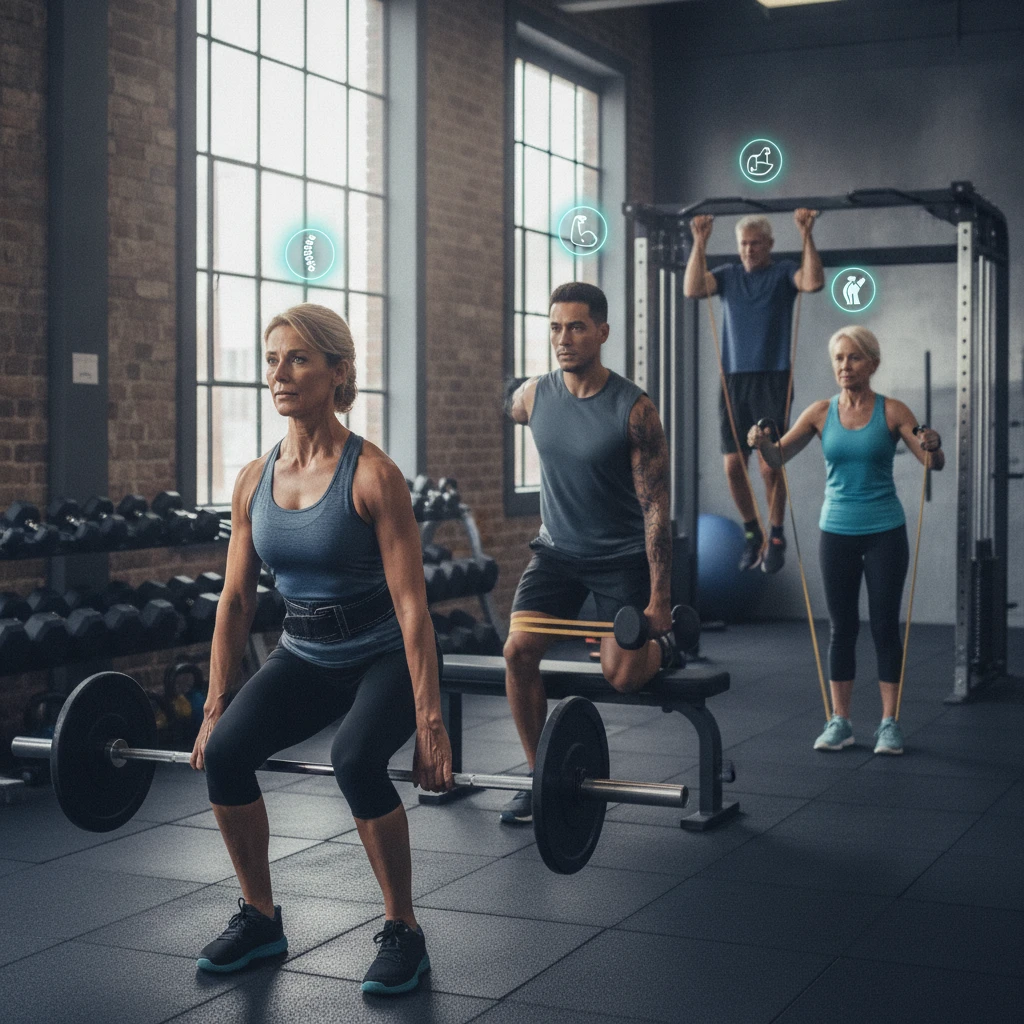
As adults navigate the complexities of life after 30, the demands on their bodies evolve significantly. The generic workout routines that might have sufficed in younger years often fall short, failing to address specific physiological changes, lifestyle stressors, or individual health histories. Relying on a ‘one-size-fits-all’ approach can lead to plateaus, frustration, and even increased risk of injury, rather than the sustainable progress desired.
This is where the power of a personalized strength program truly shines. Moving beyond general recommendations, a tailored plan accounts for unique needs, ensuring that every exercise, set, and repetition contributes meaningfully to long-term health, vitality, and performance. For residents of Allentown, Bethlehem, or the wider Lehigh Valley, understanding this distinction is crucial for achieving lasting fitness success.
Navigating Fitness After 30: Why Generic Workouts Fall Short
The Evolving Demands on Your Body and Lifestyle
Reaching your 30s and beyond introduces a distinct shift in how your body responds to exercise and the cumulative impact of daily life. Metabolism naturally begins to slow, making weight management more challenging, while muscle mass can gradually decline through a process known as sarcopenia unless actively countered. Joint resilience might decrease, and recovery times often lengthen. Lifestyle factors, such as demanding careers, family responsibilities, and increased sedentary periods, further complicate fitness efforts, often leading to reduced physical activity and increased stress. These physiological and practical changes necessitate a more strategic and adaptable approach to training than what generic programs offer.
The Limitations of ‘One-Size-Fits-All’ Training Plans
Generic workout plans, often found online or in magazines, typically target a broad audience without accounting for individual nuances. They assume a baseline level of fitness, an absence of pre-existing conditions, and unlimited time and resources. For adults over 30, this can be a recipe for disaster. Such plans frequently lead to exercises that are inappropriate for specific joint health, incorrect intensity levels, or movements that exacerbate muscle imbalances, significantly increasing the risk of injury. A generalized routine, for example, might prescribe heavy overhead presses without first assessing shoulder mobility, or suggest high-impact plyometrics to someone with knee issues, proving ineffective and potentially harmful in the long run.
Protecting Your Body: Personalized Programs for Injury Prevention and Joint Health
Identifying and Addressing Individual Weaknesses and Imbalances
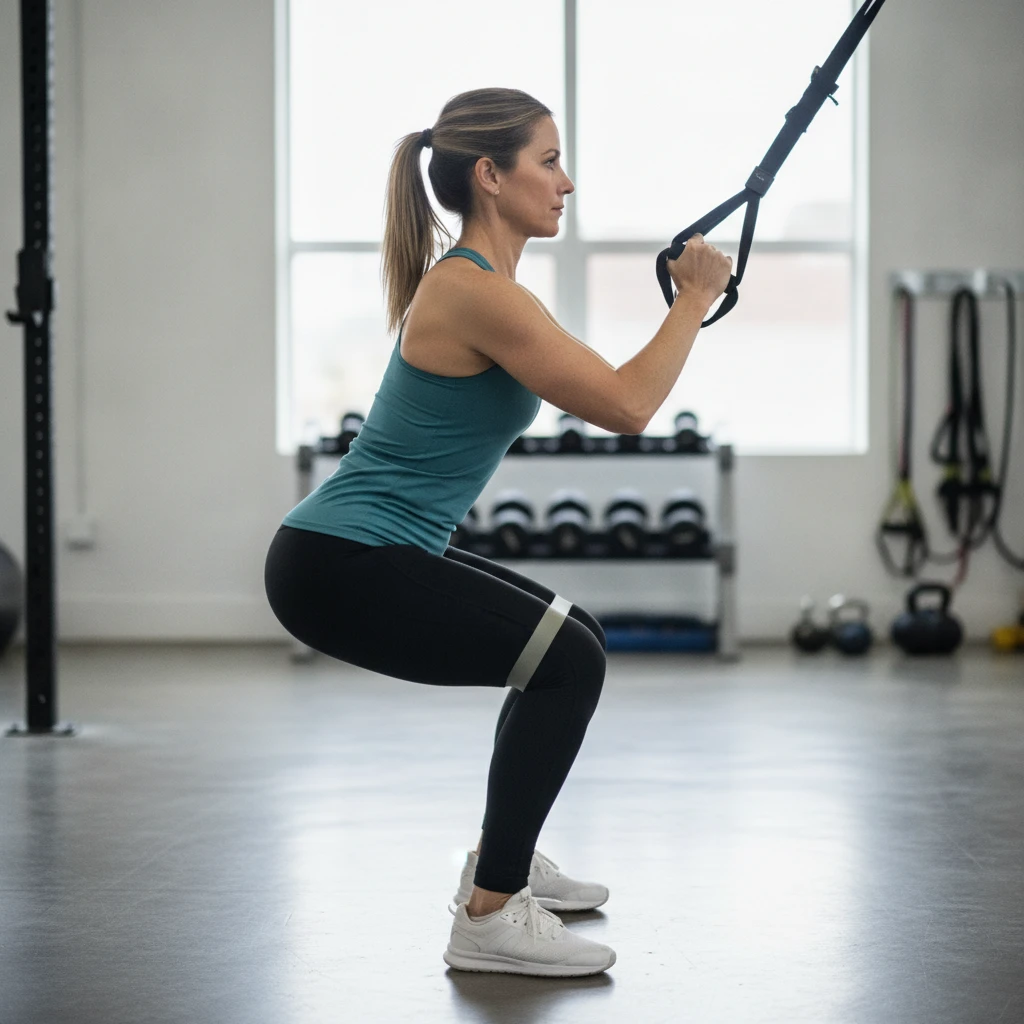
A cornerstone of effective personalized training is a thorough assessment to identify individual weaknesses and muscle imbalances. Many adults develop asymmetries from repetitive daily activities, prolonged sitting, or past injuries. For instance, weak glutes can contribute to lower back pain, while poor core stability affects nearly every movement. A personalized program begins by pinpointing these vulnerabilities through functional movement screens and specific strength tests. By systematically strengthening underactive muscles and improving coordination, such a program helps correct biomechanical inefficiencies, leading to better movement patterns and significantly reducing the risk of common injuries. This proactive approach is essential for functional mobility and overall joint health over decades.
Tailoring for Your Unique Goals: Beyond Just Lifting Weights
Customizing for Sustainable Fat Loss, Lean Muscle Gain, or Athletic Performance
Adults often have diverse and specific fitness goals beyond mere strength. Whether the primary aim is sustainable fat loss, increasing lean muscle mass, or improving performance in a specific sport or hobby, a personalized program tailors every aspect of training. For fat loss, this might involve integrating metabolic conditioning and circuit training with compound lifts to maximize calorie expenditure and improve body composition. For muscle gain, emphasis shifts to progressive overload with appropriate intensity and volume to stimulate hypertrophy. Individuals looking to enhance athletic performance, such as for golf or hiking, will benefit from exercises that mimic specific movement patterns and build sport-specific power and endurance. This laser focus ensures that your efforts are directed precisely towards achieving your personal objectives efficiently.
Integrating Mobility, Balance, and Functional Strength for Daily Life
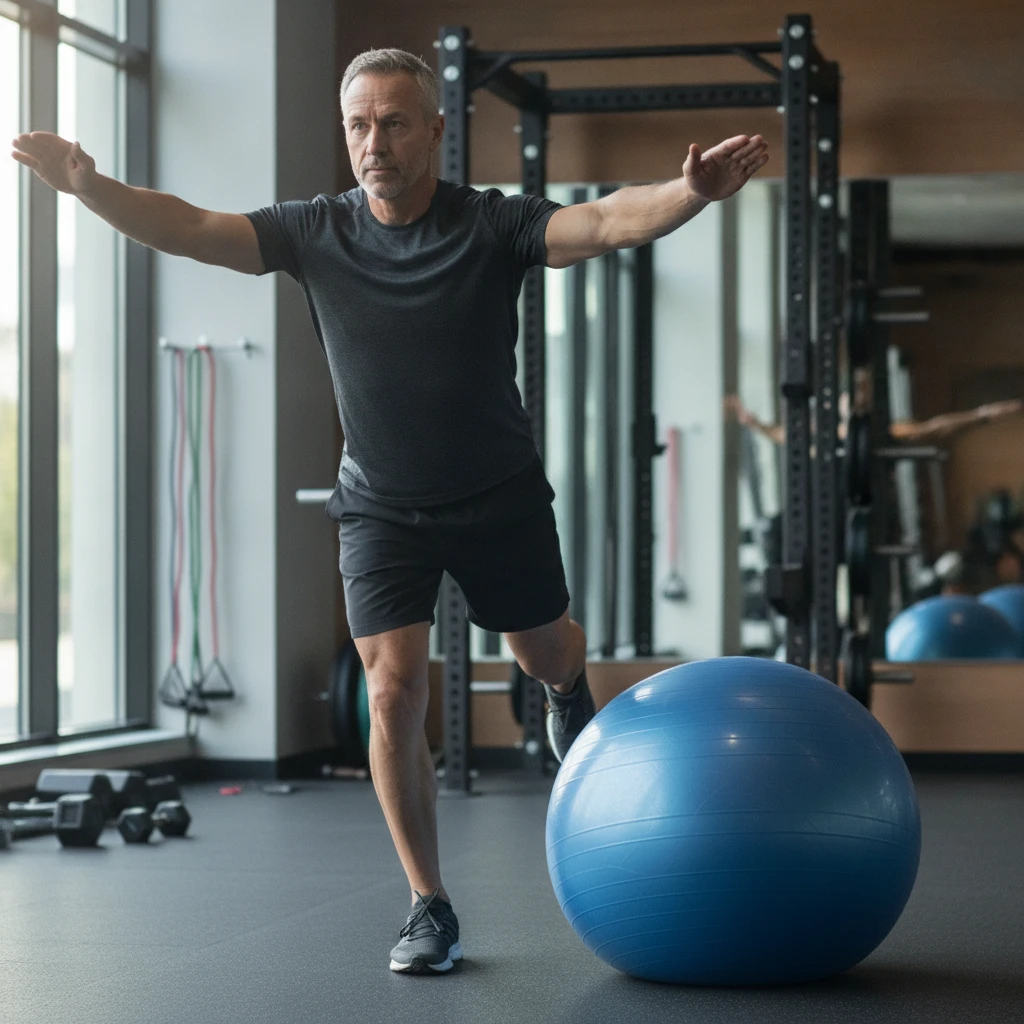
Beyond traditional strength training, a personalized program for adults integrates crucial components like mobility, balance, and functional strength, which are vital for maintaining independence and quality of life. As we age, declining balance and reduced flexibility become significant concerns, increasing the risk of falls and limiting everyday activities. A tailored plan incorporates exercises designed to improve joint range of motion, enhance proprioception (the body’s sense of position), and build strength for real-world movements – lifting groceries, playing with grandchildren, or confidently navigating uneven terrain. This holistic approach ensures that strength gains translate directly into better daily function and a reduced likelihood of injury, fostering a more resilient and capable body.
Optimizing Metabolic Health and Weight Management Through Strength
How Personalized Resistance Training Boosts Metabolism and Body Composition
Personalized resistance training is a potent tool for optimizing metabolic health and sustainable weight management in adults. Unlike cardio alone, strength training directly builds and preserves muscle mass, which is a key determinant of your basal metabolic rate (BMR). The more muscle you have, the more calories your body burns at rest. Furthermore, consistent resistance training improves insulin sensitivity, helping your body process carbohydrates more effectively and reducing the risk of conditions like type 2 diabetes. By focusing on a program tailored to your body’s response, you can achieve significant improvements in sustainable adult nutrition, ensuring that your strength efforts translate into significant and lasting improvements in your metabolic profile and overall well-being. The World Health Organization (WHO) emphasizes the importance of both physical activity and healthy diet for noncommunicable disease prevention and health promotion on their official website.
Sustainable Progress: Building Strength That Lasts a Lifetime
Achieving lasting strength isn’t about short-term fixes; it demands a strategic, personalized approach that considers the nuanced changes of the adult body. For individuals aged 30-65, building strength that endures requires acknowledging that physiological responses to training evolve. Factors such as hormonal shifts, recovery capacity, and existing joint health become increasingly relevant. A well-designed program focuses on sustainable gains, prioritizing not just muscle development but also functional movement patterns and injury prevention. This foundational strategy ensures that progress is consistent, minimizes setbacks, and ultimately enhances overall quality of life for decades to come, moving beyond generic templates to truly cater to individual needs and goals.
Adapting Programs as Your Body and Life Stages Evolve
As adults progress through different life stages, their bodies undergo significant transformations, necessitating a dynamic approach to strength training. A program that was effective at 35 might require adjustments at 50 to account for changes in metabolism, joint health, or even professional demands. For instance, someone recovering from a minor injury or experiencing increased work stress might benefit from a temporary reduction in training volume or a greater focus on enhanced recovery techniques. Similarly, individuals with sedentary occupations may need more emphasis on exercises that counteract poor posture and improve core stability. The key is to embrace flexibility and continuous assessment, ensuring the training remains aligned with current physical capabilities, energy levels, and long-term health objectives. Ignoring these evolving needs can lead to plateaus, burnout, or increased injury risk, undermining the very goal of sustainable strength.
The Role of Progressive Overload and Intelligent Periodization
Sustainable strength gains hinge on the principles of progressive overload and intelligent periodization. Progressive overload means continually challenging your muscles by gradually increasing the demands placed upon them. This isn’t solely about lifting heavier weights; it can involve increasing repetitions, sets, reducing rest times, improving exercise technique, or introducing more complex movements. For adults, consistency in applying these challenges is paramount, but so is knowing when to strategically back off. This is where periodization comes in – the systematic cycling of training intensity, volume, and exercise selection over time. Intelligent periodization prevents overtraining, mitigates injury risk, and ensures continuous adaptation. By integrating phases of higher intensity, lower volume, or active recovery, adults can optimize their physiological responses, allowing for superior strength development while avoiding plateaus and promoting long-term adherence to their fitness regimen. Understanding these concepts is fundamental to building lasting strength without constant aches or the frustration of stalled progress, making training both effective and enjoyable. For further reading on exercise guidelines and principles, authoritative sources like the American College of Sports Medicine provide valuable insights.
How Comprehensive Assessment Shapes Your Personalized Strength Journey
Embarking on a personalized strength journey for adults aged 30-65 begins not with a workout, but with a comprehensive assessment. This critical first step is about understanding your unique physiological blueprint, lifestyle, and individual goals. Without this foundational data, any training program would be a generic guess, potentially ineffective or even harmful. A thorough assessment goes beyond basic fitness tests, delving into aspects that reveal underlying limitations, predispositions, and untapped potential. It’s the difference between a one-size-fits-all approach and a truly tailored roadmap designed to optimize your health outcomes and ensure every session contributes meaningfully to your long-term wellness. This meticulous information gathering ensures that your program is not just effective, but also safe and sustainable for your specific needs.
Understanding Body Composition, Movement Patterns, and Health History
A truly personalized strength program for adults must begin with a deep dive into individual data. This includes a detailed body composition analysis, which provides insights into muscle mass, body fat percentage, and bone density – metrics far more informative than simple scale weight. Equally vital is a functional movement screening, assessing how your body moves through fundamental patterns like squatting, hinging, pushing, and pulling. This reveals any imbalances, compensations, or mobility restrictions that could predispose you to injury or hinder performance. Furthermore, a comprehensive health history, including past injuries, chronic conditions, medications, and lifestyle factors (stress, sleep), paints a complete picture. This holistic understanding allows coaches to design a program that capitalizes on your strengths while strategically addressing weaknesses and potential risks, laying a safe and effective groundwork for your strength journey.
Setting Realistic and Attainable Goals with Expert Guidance
Setting appropriate goals is a cornerstone of any successful adult strength training program, yet it’s often where individuals go astray without expert guidance. Generic aims like “getting stronger” or “losing weight” lack the specificity needed for effective planning and motivation. A personalized approach, informed by the initial assessment, focuses on creating realistic and attainable objectives. For example, rather than an abstract goal, an adult might aim to improve their deadlift by 20% in six months, reduce knee pain during stairs, or increase their daily energy levels. An experienced coach helps translate broad aspirations into measurable milestones, considering current fitness levels, time commitments, and any physical limitations. This structured goal-setting process not only provides clear direction but also fosters a sense of achievement with each step forward, maintaining motivation and ensuring the training plan remains relevant and impactful for your unique journey.
The Forward Thinking Fitness Advantage: Your Partner in Personalized Strength
At Forward Thinking Fitness, we understand that adult strength training is not a one-size-fits-all endeavor. Our expertise lies in crafting truly personalized programs that resonate with the unique needs and aspirations of adults aged 30-65. We move beyond generic gym routines, focusing instead on evidence-based strategies that prioritize safety, efficacy, and sustainability. Our integrated approach ensures that every aspect of your wellness journey is considered, from bespoke training regimens to nuanced nutritional support and proactive recovery protocols. We are committed to empowering our clients to build not just physical strength, but also resilience, confidence, and a lasting foundation for optimal health.
Expert Coaching for Adults in Allentown and the Lehigh Valley
Forward Thinking Fitness is dedicated to providing unparalleled expert coaching for adults throughout Allentown and the broader Lehigh Valley region. Our team comprises highly qualified professionals who specialize in working with individuals aged 30-65, understanding the specific physiological and lifestyle factors that impact this demographic. We pride ourselves on creating a supportive and results-driven environment, where personalized attention ensures that every exercise is performed with correct form and purpose. Whether your goal is to enhance daily functional movement, mitigate age-related muscle loss, or improve metabolic health, our local personal training programs are meticulously designed to help you achieve sustainable progress and a stronger, healthier future. We are more than just trainers; we are partners in your long-term wellness journey.
Integrating Training, Nutrition, and Recovery for Holistic Health
True long-term health and strength gains in adults require a holistic approach that seamlessly integrates training, nutrition, and recovery. At Forward Thinking Fitness, we recognize that these pillars are interdependent; neglecting one can undermine the effectiveness of the others. Our personalized programs go beyond just the workouts, incorporating tailored nutritional guidance that fuels your body for performance and supports recovery, leveraging strategies like those discussed in sustainable adult nutrition. We also emphasize proactive recovery strategies, understanding that adequate rest, sleep, and restorative practices are crucial for muscle repair, hormonal balance, and preventing burnout. By addressing training intensity, dietary needs, and recovery protocols comprehensively, we empower our clients to optimize their physical and mental well-being, fostering a sustainable pathway to their health goals and overall vitality.
Dispelling Common Myths About Adult Strength Training
Despite overwhelming evidence supporting its benefits, adult strength training is often shrouded in misconceptions that can deter individuals from starting or progressing. These myths, frequently perpetuated by outdated information or anecdotal fears, can prevent adults aged 30-65 from unlocking their full potential for improved health, mobility, and longevity. It’s crucial to address these concerns head-on with factual information and a clear understanding of modern, evidence-based training principles. Dispelling these common fallacies is the first step towards embracing a strength training regimen that can truly transform an adult’s physical and mental landscape, proving that it’s never too late to become stronger and healthier.
Addressing Concerns About Age, Injury Risk, and ‘Getting Bulky’
Many adults harbor misconceptions about strength training, often citing age, injury risk, or the fear of “getting bulky” as deterrents. The truth is, age is not a barrier to gaining strength; numerous studies demonstrate that individuals in their 60s, 70s, and beyond can significantly improve muscle mass and function. Regarding injury risk, properly coached strength training, especially with a focus on form and progressive overload, is actually a powerful tool for injury prevention, enhancing joint stability and bone density. The fear of “getting bulky,” particularly among women, is largely unfounded. Due to hormonal differences, women typically lack the testosterone levels required to build significant muscle mass without specific, intense training protocols. Instead, strength training for women primarily results in a toned physique, increased metabolism, and improved body composition, fostering a strong and healthy appearance without unwanted bulk.
Why Cardio Alone Isn’t Enough for Long-Term Health and Wellness
While cardiovascular exercise is undeniably important for heart health and endurance, relying solely on cardio for long-term health and wellness is a common pitfall for many adults. Cardio alone does not adequately address critical aspects of physical health that strength training provides. It does little to prevent the natural decline in muscle mass (sarcopenia) that begins in adulthood, which is crucial for maintaining metabolic health, bone density, and functional independence. Without sufficient muscle, everyday tasks become harder, and the risk of falls increases. Strength training significantly boosts metabolism, helps manage weight more effectively, and improves body composition by increasing lean muscle mass. For a comprehensive approach to health, adults require a balanced program that integrates both aerobic exercise and strength training to ensure holistic well-being and resilience against the challenges of aging. General physical activity guidelines from organizations like the Centers for Disease Control and Prevention often recommend a mix of both.
Your Next Step Towards a Stronger, Healthier You in the Lehigh Valley
For adults aged 30-65 in the Lehigh Valley, navigating the path to lasting physical well-being requires more than generic fitness advice. A truly stronger, healthier you stems from a personalized strength program, meticulously tailored to your unique health history, current fitness level, and specific aspirations. Without this bespoke approach, progress can falter or, worse, lead to injury, undermining your pursuit of enhanced vitality. A significant pitfall is the adoption of universal routines not designed for your individual biomechanics or metabolic profile. Instead, focus on seeking a comprehensive assessment that evaluates not just strength, but also mobility, lifestyle, and body composition. This foundational step is critical to developing a sustainable and effective roadmap towards your health goals, ensuring every effort contributes meaningfully to your desired outcomes.
Why Procrastination is a Costly Mistake for Your Health and Vitality
Delaying proactive investment in your health carries significant, often irreversible, consequences. For busy professionals between 30 and 65, postponing fitness efforts can accelerate detrimental processes like sarcopenia (muscle loss) and metabolic dysfunction. What seems like a minor delay today compounds into major health challenges later, making reversal more difficult and expensive. The longer you wait, the greater the opportunity cost of inaction, sacrificing years of potential vitality and increasing susceptibility to chronic diseases. Decisive action now preserves independence, elevates energy, and safeguards long-term well-being, offering unparalleled returns. The World Health Organization consistently emphasizes the importance of regular physical activity in preventing non-communicable diseases and promoting overall health.
Connecting with Forward Thinking Fitness in Allentown, PA for a Consultation
Taking that essential “next step” begins with an insightful consultation, and for adults across the Lehigh Valley, including Allentown, Bethlehem, and Emmaus, Forward Thinking Fitness offers precisely that. This initial meeting is a zero-pressure discussion focused on your specific health objectives, challenges, and aspirations. It’s an opportunity to understand how our personalized training, nutrition guidance, and specialized recovery protocols can be custom-fitted to your unique needs. Our expert coaches provide evidence-based solutions and accountability, ensuring you’re empowered to make sustainable progress and unlock your fullest potential for a healthier future.
The journey to optimal adult health is not a sprint, but a carefully planned and consistently executed process that prioritizes individuality and long-term well-being. By embracing a proactive approach and opting for personalized programs, you can mitigate the risks of age-related decline and significantly enhance your quality of life. Making an informed decision to invest in your health now is the most impactful step you can take.
For those ready to redefine their health and fitness journey in the Lehigh Valley, Forward Thinking Fitness offers the expert guidance and personalized programs necessary to achieve sustainable results. Visit ftfstrong.com to learn more about our services and schedule your initial consultation.