
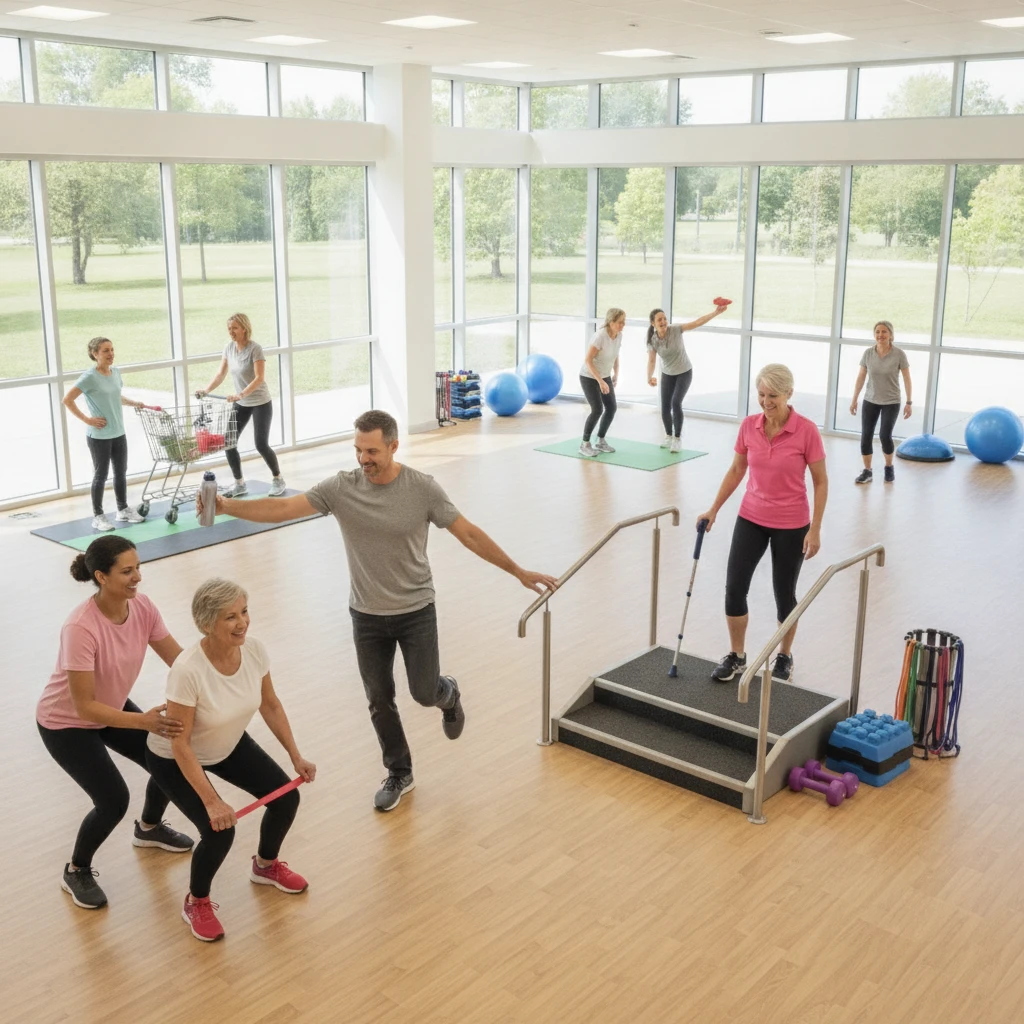
Reclaiming effortless movement is entirely possible, requiring a focused approach that goes beyond traditional gym routines. Understanding the specific components of your physical capability and how they intertwine can unlock a renewed sense of freedom and well-being.
Rediscovering Ease: Why Functional Mobility is Key to Daily Well-being
Beyond the Gym: What ‘Functional’ Really Means for Adults 30-65
For adults between 30 and 65, “functional mobility” isn’t about athletic prowess; it’s about the unrestricted ability to perform daily tasks without pain, stiffness, or excessive effort. This encompasses everything from getting out of a low chair to carrying groceries, playing with children or grandchildren, or even simply turning your head to check a blind spot while driving. Unlike traditional fitness, which might focus on isolated muscle groups, functional mobility training emphasizes movements that mimic real-life scenarios, engaging multiple joints and muscles in coordinated patterns. A key decision criterion for assessing your own functional mobility is whether routine activities feel increasingly difficult or contribute to chronic aches. A common pitfall is to ignore minor restrictions, hoping they will resolve themselves, rather than proactively addressing them through targeted movement. For instance, if reaching for a top shelf feels strained, it signals a potential limitation in shoulder or thoracic spine mobility. True functional strength is about being capable and comfortable in your own body through every motion of your day.

Common Movement Challenges in Daily Life (and Why They Happen)
Many adults face similar movement challenges, often attributing them to “getting older” when underlying issues are at play. Common complaints include difficulty bending down to pick something up, struggling to twist or reach overhead, experiencing stiffness after prolonged sitting, or finding it hard to get up from the floor without assistance. These challenges frequently stem from a combination of factors, including a sedentary lifestyle that shortens muscles and reduces joint lubrication, the development of muscle imbalances due to repetitive movements (like desk work), and an accumulation of micro-traumas or past injuries. For example, prolonged sitting can lead to tight hip flexors and weak glutes, making it harder to extend the hips properly during walking or standing. Similarly, poor posture, especially when hunched over devices, can stiffen the thoracic spine and neck. Recognizing these common movement challenges is the first actionable step towards improving your functional mobility. Understanding their root causes allows for more targeted interventions, whether through specific exercises or professional guidance to restore natural movement patterns.
Understanding the Pillars of Effortless Movement
The Interplay of Strength, Balance, Flexibility, and Coordination
Effortless movement is not a singular skill but rather a symphony orchestrated by four fundamental pillars: strength, balance, flexibility, and coordination. Strength refers to the ability of your muscles to generate force, crucial for lifting, pushing, and pulling. Flexibility is the range of motion available at your joints, allowing for fluid, uninhibited movement. Balance is your ability to maintain equilibrium, whether stationary or in motion, preventing falls and ensuring stability. Coordination is the harmonious working together of different muscles and body parts to produce smooth, efficient, and precise movements. These pillars are deeply interconnected; for instance, adequate hip flexibility is necessary for a full-range squat, while core strength contributes significantly to maintaining balance. Decision criteria for pinpointing areas for improvement often involve observing which pillar seems weakest during daily activities. A person with excellent strength might still struggle if their balance is poor, leading to instability during dynamic movements. Neglecting any one of these pillars can create a cascade of compensatory patterns, leading to pain or reduced efficiency in other areas.
How These Pillars Directly Impact Everyday Tasks
The direct impact of these foundational pillars on your daily routine is profound. Strength allows you to confidently lift heavy grocery bags, carry a child, or stand up from a deep chair without struggle. Without sufficient lower body strength, tasks like climbing stairs become taxing. Balance is critical for walking on uneven terrain, quickly recovering from a stumble, or even just standing steadily while reaching overhead. Poor balance significantly increases the risk of falls, a major concern for older adults and even those in their 30s-60s facing busy, sometimes chaotic, environments. Flexibility enables you to tie your shoes with ease, reach across your body to buckle a seatbelt, or comfortably turn your head to back out of a driveway. Restricted flexibility can lead to compensatory movements, straining other joints. Lastly, coordination ensures smooth, efficient movements for activities like navigating a crowded space, catching a ball, or performing complex tasks in the kitchen. A common pitfall is over-emphasizing one pillar, like strength, while neglecting flexibility or balance, which can lead to muscular imbalances and an increased risk of injury. A holistic approach to enhancing all four pillars ensures comprehensive improvements in your overall movement quality.
Targeting Key Areas for Enhanced Functional Mobility
Prioritizing Hip and Thoracic Spine Mobility for Reduced Stiffness
For many adults, especially those with desk-bound professions, the hips and thoracic spine (mid-back) become significant sources of stiffness and restricted movement. The hips, being large ball-and-socket joints, are central to almost all lower body movements—walking, bending, sitting, and standing. When hip mobility is compromised, it can lead to compensatory strain in the lower back, knees, and even ankles. Similarly, the thoracic spine, designed for rotation and extension, often becomes rounded and immobile from prolonged sitting, impacting posture and limiting overhead reaching, making tasks like gardening or playing sports difficult. Prioritizing the mobility of these two areas is an actionable step that can yield significant results. Simple movements like cat-cow stretches, thoracic rotations, and hip flexor stretches can help to restore their natural range of motion. Ignoring these areas is a common pitfall, leading to chronic lower back pain or shoulder impingement over time. Focusing on these critical areas not only reduces stiffness but also contributes to better overall movement and a healthier posture.
Strengthening Your Core: The Foundation for Stability and Power
The “core” extends far beyond just the visible abdominal muscles; it encompasses a network of muscles in your abdomen, back, hips, and pelvis that work synergistically to stabilize your spine and pelvis. A strong, engaged core is the foundation for virtually all functional movements, providing stability for lifting, rotational power for twisting, and balance for walking or standing on one leg. When your core is weak, other muscles must compensate, leading to inefficiencies and increased risk of injury, particularly in the lower back. For example, poor core strength can make it harder to maintain proper form during a squat, potentially straining the back or knees. A common pitfall is to focus solely on aesthetic abdominal exercises like crunches, which often neglect the deeper stabilizing muscles of the core. Instead, incorporating exercises that challenge the core in multiple planes of motion—like planks, bird-dog, or Pallof presses—can build comprehensive strength and endurance. This foundational strength is crucial for both preventing everyday aches and enhancing athletic performance, providing a stable platform from which all other movements originate. For those looking to optimize their fitness journey, understanding the comprehensive role of the core is essential.
Foot and Ankle Health: Building Mobility from the Ground Up
Often overlooked, the health and mobility of your feet and ankles are paramount to overall functional movement, serving as the body’s direct interface with the ground. These intricate structures are responsible for absorbing impact, adapting to uneven surfaces, and providing propulsion. Restricted ankle mobility, for instance, can significantly impede movements like squatting, running, or even walking efficiently, forcing compensations higher up the kinetic chain into the knees, hips, and lower back. Weak intrinsic foot muscles can contribute to issues like fallen arches, impacting balance and stability. Common challenges like stiff ankles, plantar fasciitis, or bunions highlight the importance of proactive care. Actionable steps include incorporating simple exercises like ankle circles, calf stretches, and toe spreads into your daily routine. Walking barefoot on varied textures can also help to strengthen the foot’s natural musculature and improve proprioception. Investing time in foot and ankle health builds a solid foundation for stability and power, enhancing balance and ensuring that your body can efficiently transmit forces from the ground up, crucial for all daily movements.
Practical Exercises to Reclaim Your Range of Motion
Simple Bodyweight Movements You Can Do Anywhere
Reclaiming functional mobility doesn’t require complex gym equipment; many effective exercises can be performed with just your bodyweight, anytime, anywhere. Bodyweight squats are excellent for hip, knee, and ankle mobility, mimicking the action of sitting and standing. Focus on keeping your chest up and pushing your hips back as if sitting in a chair, aiming for a range of motion that keeps your heels down. Another highly beneficial movement is the lunge, which improves hip flexibility, leg strength, and balance simultaneously. Step forward, keeping your front knee aligned over your ankle, and lower until both knees are bent at roughly 90 degrees. The bird-dog exercise is superb for core stability and coordination, performed on all fours by extending an opposite arm and leg simultaneously while keeping your core engaged and back flat. Start with 2-3 sets of 8-12 repetitions for each exercise. A common pitfall is rushing through movements; prioritize slow, controlled form over speed or high repetitions. Consistency is key, even short daily sessions can lead to significant improvements in your overall movement quality.
Integrating Dynamic Stretches into Your Warm-up Routine
While static stretching (holding a stretch for an extended period) has its place, dynamic stretches are ideal for warming up your body and preparing it for movement. Dynamic stretches involve moving your body through a range of motion, improving blood flow, increasing joint lubrication, and activating muscles. They mimic the movements you’re about to perform, making them highly functional. Examples include arm circles (forward and backward) to mobilize the shoulders, leg swings (forward/backward and side-to-side) for hip mobility, and torso twists to warm up the spine. Incorporating 5-10 minutes of dynamic stretches before any workout or even before a brisk walk can significantly enhance your range of motion and reduce the risk of injury. A practical approach is to perform 10-15 repetitions of each dynamic movement, moving fluidly without forcing the stretch. For instance, instead of reaching for your toes while standing, perform gentle leg swings that gradually increase in height. This strategy helps to prime your nervous system and connective tissues, allowing for more efficient and powerful movements.

Proprioception Drills for Improved Balance and Body Awareness
Proprioception, your body’s ability to sense its position and movement in space, is fundamental for balance, coordination, and preventing falls. As we age, proprioceptive feedback can diminish, making simple tasks feel less stable. Fortunately, proprioception drills can be easily integrated into your routine to enhance both your balance and overall body awareness. A simple yet effective drill is the single-leg stand: stand on one leg for 30-60 seconds, challenging yourself by closing your eyes or standing on an unstable surface like a cushion as you progress. The heel-to-toe walk (walking with the heel of one foot directly in front of the toes of the other) is excellent for improving balance and gait stability. These drills train the small muscles in your feet and ankles, sending crucial information to your brain about your body’s position. A common pitfall is to rush through these exercises or not challenge yourself enough; the key is to find a level that is challenging but safe. Consistent practice of these drills helps to refine your nervous system’s ability to interpret sensory input, leading to more confident and stable movement in all aspects of daily life.
Weaving Mobility Practices into Your Busy Schedule
Integrating mobility practices into an already packed schedule might seem daunting, but it’s entirely achievable through strategic, smaller efforts. The key lies in shifting your mindset from dedicated, long sessions to frequent, brief “movement snacks” that accumulate throughout the day. This approach ensures that your body receives consistent stimuli, preventing stiffness and enhancing overall functional movement without requiring significant time commitments.
Leveraging Micro-Breaks at Work for Movement Snacks
Busy professionals often spend extended periods seated, leading to stiffness in the hips, shoulders, and neck. Utilize short micro-breaks to counteract these effects. Instead of scrolling, try a few dynamic stretches. For instance, perform thoracic spine rotations from your chair, gentle neck tilts, or shoulder rolls every hour. Setting a simple timer on your phone or computer can be an effective reminder to stand up, walk a short distance, or perform a few squats. These brief interventions are not only restorative for your body but can also improve focus and energy levels, contributing to greater productivity during your workday. Consistency in these small efforts makes a significant difference.
Designing a Quick 5-10 Minute Morning or Evening Routine
Bookending your day with a dedicated 5-10 minute mobility routine can significantly impact your flexibility and readiness for daily tasks. A morning routine might involve gentle dynamic stretches like cat-cow, leg swings, or arm circles to wake up your joints and muscles. In the evening, a static stretching routine focused on areas prone to tightness, such as hamstrings, hip flexors, or pectorals, can aid in relaxation and prepare your body for restorative sleep. The decision criteria for what to include should be based on areas where you typically feel restricted. For instance, if you have tight hips from sitting, prioritize hip stretches. This brief, consistent practice fosters greater bodily awareness and long-term joint health.
Transforming Everyday Tasks into Mobility Opportunities
Everyday activities offer unique chances to enhance functional mobility. Simple tasks can be reframed as mobility exercises, making movement an inherent part of your daily rhythm. When picking something up from the floor, rather than bending at the waist, practice a controlled squat, engaging your core and maintaining a straight back. Reaching for items on high shelves can become an opportunity for gentle spinal extension and shoulder mobility. Instead of carrying multiple lighter bags of groceries, consolidate them into one or two heavier ones, challenging your grip strength and core stability as you walk. Even standing on one leg while brushing your teeth can improve balance and ankle stability, all without adding extra time to your schedule. The key is mindful movement during these routine actions.
Beyond Movement: The Crucial Role of Nutrition and Recovery
While direct movement practices are fundamental, achieving optimal functional mobility also hinges on providing your body with the right internal support. This means prioritizing both what you consume and how you allow your body to recuperate. Neglecting nutrition and recovery is a significant pitfall, as these elements directly influence your body’s ability to repair, adapt, and perform. Think of them as the silent partners in your mobility journey, ensuring your tissues are resilient and your energy levels are sustained for consistent practice.
Fueling Your Body for Joint Health and Muscle Elasticity
Your diet plays a pivotal role in the health of your joints, muscles, and connective tissues. Consuming a diet rich in whole foods, lean proteins, healthy fats, and a diverse range of fruits and vegetables provides the essential nutrients for tissue repair and reduced inflammation. For instance, omega-3 fatty acids found in fish or flaxseed can support joint lubrication and reduce discomfort, while adequate protein intake is critical for muscle elasticity and strength. Hydration is equally important; water helps maintain the fluidity of synovial fluid in your joints and keeps muscles supple. Consider focusing on a sustainable adult nutrition plan that emphasizes anti-inflammatory foods. For more guidance on optimizing your food intake, understanding the foundations of sustainable adult nutrition can be incredibly beneficial. For general dietary guidelines and recommendations, consulting resources like the National Institutes of Health can provide valuable information.
The Importance of Quality Sleep and Active Recovery for Movement Repair
Mobility gains are not solely made during your active periods; a significant portion of tissue repair and adaptation occurs during rest. Quality sleep is paramount, allowing your body to release hormones essential for muscle repair and reduce inflammatory markers. Aim for 7-9 hours of uninterrupted sleep each night to give your body ample time to recover. Beyond sleep, incorporating active recovery techniques can enhance blood flow, reduce muscle soreness, and improve flexibility. This might include gentle walks, foam rolling, or light stretching sessions. Ignoring recovery is a common pitfall that can lead to plateaus, increased risk of injury, and chronic stiffness. Understanding why daily recovery matters for adult energy underscores its critical role in your overall well-being and mobility.
Avoiding Common Pitfalls on Your Mobility Journey
Embarking on a mobility journey is an investment in your long-term health, but like any fitness endeavor, it’s riddled with potential missteps. Being aware of these common pitfalls can help you navigate your path more effectively and safely, ensuring your efforts yield genuine improvements rather than setbacks. A proactive approach to understanding these traps allows for sustainable progress and prevents frustrating injuries.
The Difference Between Effective Stretching and Risky Overstretching
Stretching is a cornerstone of mobility work, yet there’s a fine line between a productive stretch and one that causes harm. Effective stretching involves moving to the point of a gentle pull or tension, where you feel a lengthening of the muscle without sharp pain. Risky overstretching, conversely, pushes past this comfortable limit, often resulting in tearing muscle fibers, damaging connective tissue, or even joint instability. A key decision criterion is listening to your body; pain signals are a warning, not a barrier to push through. Always ease into stretches, especially when cold, and prioritize dynamic movements before activity and static stretches after. Understanding your body’s current range of motion is crucial to avoid injury.
Why Ignoring Persistent Pain Signals is Detrimental
One of the most significant pitfalls in any physical activity is ignoring persistent pain. While some discomfort is natural during deep stretching or intense exercise, sharp, shooting, or lingering pain is a critical signal from your body that something is amiss. Pushing through this type of pain often exacerbates existing issues, turning minor strains into chronic conditions or acute injuries. It’s imperative to pause, assess the discomfort, and consider modifying the movement or resting. Persistent pain, especially that which affects daily functional mobility, warrants evaluation by a healthcare professional. Failing to address these signals can lead to long-term limitations and a more challenging recovery process.
The Power of Consistency Over Intense, Infrequent Sessions
Many individuals mistakenly believe that intense, infrequent mobility sessions will yield the best results. However, this approach is often less effective and can even increase the risk of injury. The true power of mobility improvement lies in consistency and regularity. Daily, short mobility practices are far more beneficial than sporadic, hour-long sessions. Our bodies adapt to consistent stimuli; small, frequent movements help maintain tissue elasticity, improve joint range of motion, and reinforce neural pathways for better motor control. Infrequent intense sessions, particularly after periods of inactivity, can shock the system, leading to muscle soreness, stiffness, and a higher likelihood of strains. Prioritize daily movement snacks and brief routines over infrequent heroic efforts.
When to Partner with a Professional for Personalized Mobility Support
While many mobility improvements can be made independently, there are specific situations where the guidance of a qualified professional becomes invaluable. Seeking expert support can accelerate your progress, ensure safety, and address complex limitations that might be difficult to overcome on your own. Deciding when to reach out is a strategic step towards more profound and lasting functional mobility improvements.
Identifying Persistent Limitations or Chronic Discomfort
If you’ve been consistently engaging in mobility practices but still encounter persistent limitations, chronic stiffness, or discomfort that hinders your daily life, it’s a strong indicator that professional intervention may be beneficial. These are often signs of underlying issues that require a more targeted assessment. For instance, if you struggle to reach overhead without shoulder pain, or if bending down to tie your shoes consistently causes lower back discomfort, a professional can help diagnose the root cause. Ignoring these persistent signals is a common pitfall that can lead to further compensation patterns and exacerbate problems. A professional can identify imbalances, movement dysfunctions, or postural issues that you might not recognize on your own.
The Benefits of a Customized Program in the Lehigh Valley
For adults seeking to optimize their movement in areas like Allentown, Bethlehem, or anywhere across the Lehigh Valley, a customized mobility program offers distinct advantages. Unlike generic workout plans, a personalized program considers your unique body mechanics, lifestyle, and specific mobility goals. A local expert can assess your current range of motion, identify areas of restriction, and design a progressive plan that addresses your individual needs. This bespoke approach helps you target specific joints or muscle groups that require attention, ensuring your efforts are efficient and effective. Engaging with local personal training for adults can provide the tailored attention necessary to unlock new levels of functional movement.
How a Personal Trainer Can Accelerate Your Progress Safely
A certified personal trainer, particularly one with expertise in functional movement, can be a transformative partner in your mobility journey. They provide expert guidance on proper form and technique, ensuring you perform exercises effectively and safely, minimizing the risk of injury. Trainers can introduce you to a wider variety of mobility exercises, including those that might require specialized equipment or advanced understanding. Crucially, they offer accountability and motivation, helping you stay consistent with your program. Through regular assessments, a trainer can adjust your program as you progress, continually challenging you to expand your range of motion and improve stability. To learn more about how a trainer personalizes fitness, exploring whether a personal trainer is right for your adult goals can provide further insights.
The Long-Term Rewards of Enhanced Functional Mobility
Significantly Reducing Your Risk of Injury and Falls
Improved functional mobility directly translates to a reduced risk of injury, particularly falls, which become more prevalent with age. When your body possesses a greater range of motion, strength, and balance, it’s better equipped to react to unexpected shifts or uneven surfaces. This proactive physical preparedness helps prevent common accidents like trips on stairs or slips on wet floors, which can lead to serious consequences such as fractures or sprains. Prioritizing exercises that build proprioception and core stability is crucial. Without these foundational elements, daily movements can become precarious, increasing the likelihood of an accident. Consider incorporating exercises like single-leg stands, tai chi, or simply walking on varied terrains to train your body’s reactive balance systems.
Example: Sarah, a 55-year-old client, began training to improve her balance after a minor fall. After six months of targeted mobility and strength work, she reported feeling far more confident navigating uneven sidewalks and no longer feared tripping, attributing her newfound physical confidence to her consistent training. Pitfall: Relying solely on cardiovascular exercise without incorporating strength and balance work.
Boosting Independence and Enjoying a Higher Quality of Life
True independence in daily life hinges significantly on functional mobility. The ability to perform everyday tasks without assistance – reaching for items on a high shelf, getting in and out of a car, or even simply tying your shoes – profoundly impacts your quality of life. Enhanced mobility means you can engage more fully in hobbies, travel, and social activities that might otherwise be limited by physical constraints. This freedom to move without pain or restriction allows for greater participation in life’s enjoyments, from tending a garden to playing with grandchildren. Maintaining functional movement patterns ensures you remain an active participant in your own life, rather than a spectator.
Decision Criteria: How well can you perform the “Activities of Daily Living” (ADLs) and “Instrumental Activities of Daily Living” (IADLs)? Regular self-assessment can highlight areas needing improvement. Actionable Step: Identify one daily task you find challenging and work on specific movements that support it, such as practicing a squat to pick something up or safely reaching overhead for an item.
Supporting Healthy Aging and Sustained Vitality
Functional mobility is a cornerstone of healthy aging. As we age, maintaining physical capabilities is paramount to sustained vitality and overall well-being. It’s not just about living longer, but about living better – with the energy and capacity to enjoy each day. Strong functional mobility helps preserve muscle mass, bone density, and joint health, all critical components in warding off age-related decline. Furthermore, physical activity supported by good mobility has significant cognitive benefits, improving memory and focus. Integrating regular, varied movements into your routine can lead to sustained energy levels and a more robust immune system, contributing to a truly holistic approach to health. The World Health Organization emphasizes the importance of physical activity for health across the lifespan, noting its role in preventing noncommunicable diseases and promoting mental well-being. Visit their official website for more insights on global health guidelines.
Your Next Steps Towards a More Mobile and Active Life
Committing to Small, Consistent Wins Every Day
The journey to improved functional mobility isn’t about grand gestures but about the accumulation of small, consistent efforts. Integrating simple mobility-enhancing activities into your daily routine can yield significant long-term benefits. This might include performing gentle stretches in the morning, taking short walking breaks during work hours, or incorporating bodyweight exercises like squats and lunges a few times a week. The key is to start modestly and build momentum, prioritizing consistency over intensity. For example, instead of aiming for an hour-long workout daily, commit to 10-15 minutes of dedicated movement. This approach makes it easier to sustain and reduces the risk of burnout or injury. Remember, even minor improvements in flexibility, strength, or balance contribute to a more mobile and active life. Regular attention to your daily recovery also plays a crucial role in maintaining joint health and muscle elasticity.
Pitfall: Overdoing it initially and causing injury, which can set back progress. Gradual progression is essential. Actionable Step: Set a recurring daily reminder for a “movement break” and spend 5 minutes performing dynamic stretches or walking briskly.
Exploring Forward Thinking Fitness’s Personalized Training Options in Allentown, PA
For adults in Allentown, PA, seeking a structured and effective path to enhanced functional mobility, Forward Thinking Fitness offers personalized training solutions tailored to individual needs and goals. Our experienced coaches specialize in designing programs that focus on improving strength, balance, flexibility, and overall movement patterns crucial for daily life. Whether you’re aiming to recover from an injury, prevent future falls, or simply move with greater ease and confidence, our approach integrates targeted exercises and progressive overload. We understand that every individual’s body and lifestyle are unique, which is why our medical fitness and recovery services are designed to provide comprehensive support. Partnering with a dedicated personal trainer can provide the accountability and expert guidance needed to navigate this journey successfully, helping you achieve your desired level of physical independence and vitality. For those considering professional guidance, determining if a personal trainer is right for your adult goals is an excellent starting point.
By embracing these principles and actively working towards better functional mobility, individuals can unlock a future of greater independence, reduced injury risk, and sustained vitality. It’s an investment in your long-term health and your capacity to fully engage with every aspect of life.