
Many adults experience stiffness, aches, or limited range of motion, often attributing these issues solely to muscle tightness or aging. While muscles are undoubtedly crucial for movement, they are not the only players in your body’s intricate system of mobility and recovery.
To truly understand and improve how you move, recover, and feel, it’s essential to look beyond individual muscles and consider the comprehensive network that connects everything: your fascia. This often-overlooked tissue plays a profound role in your ability to move freely, perform optimally, and recover effectively, especially as you age.
Beyond Muscles: Understanding the Body’s ‘Connective Tissue Web’ for Better Movement
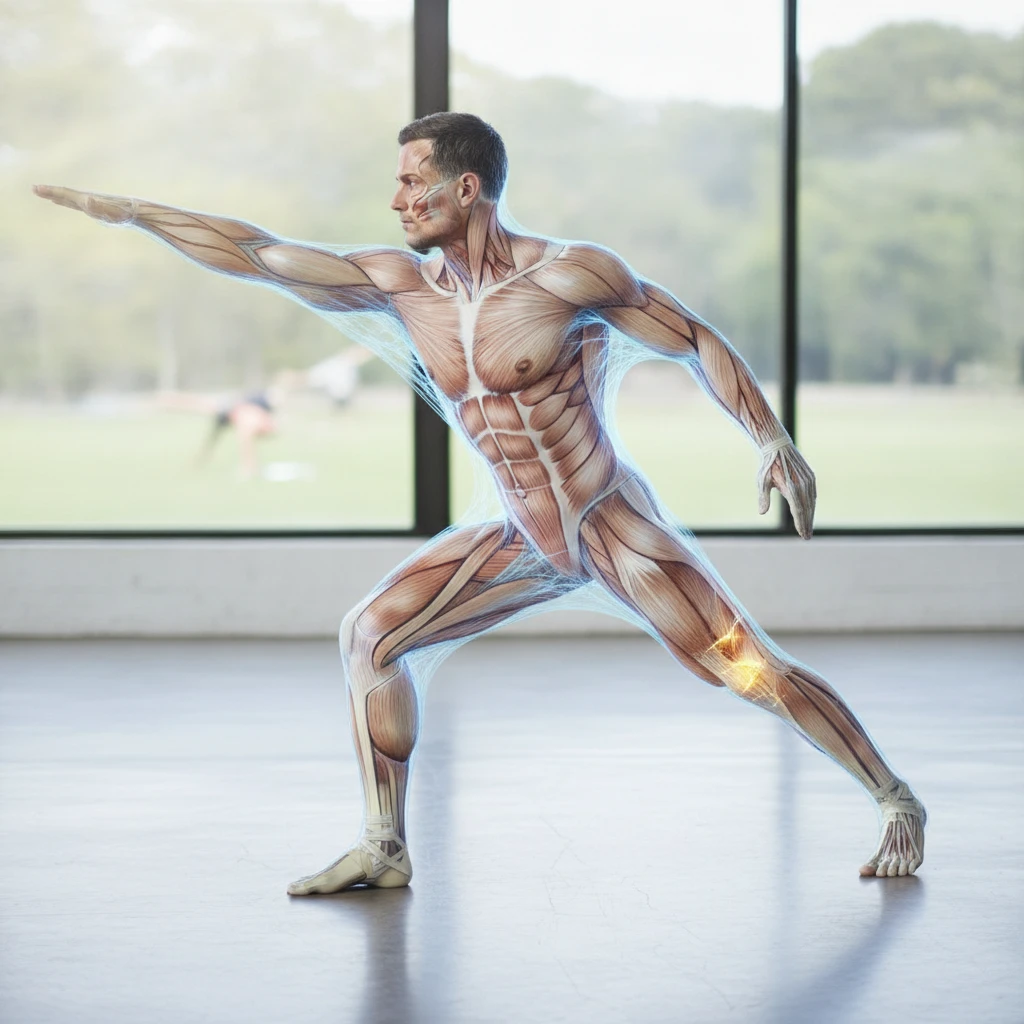
When we think about movement, our minds typically jump straight to muscles, bones, and joints. However, the human body is far more complex, operating as a single, integrated unit thanks to an extensive network often described as the ‘connective tissue web.’ This web, primarily composed of fascia, envelops every muscle fiber, organ, bone, and nerve, creating a continuous, three-dimensional matrix from head to toe. Understanding this holistic perspective is critical for adults seeking lasting improvements in their physical capabilities and overall wellness. Focusing solely on isolated muscle training, for instance, without addressing the surrounding fascial tissue, can lead to limitations and even imbalances, potentially hindering true progress and making you more susceptible to injury.
This intricate web performs several vital functions. It provides structural support, allowing for coordinated movement and efficient force transmission throughout the body. Imagine a spiderweb; a tug on one strand reverberates through the entire structure. Similarly, tension or restriction in one area of your fascia can impact movement and sensation in a seemingly unrelated part of the body. Furthermore, this connective tissue acts as a sophisticated sensory organ, rich with nerve endings that provide constant feedback to your brain about your body’s position and movement in space – a sense known as proprioception. It also serves as a crucial shock absorber, protecting your internal structures during daily activities and impact. Adopting a holistic approach to movement, which considers this entire web, helps adults in the Lehigh Valley and beyond achieve more fluid, pain-free motion and enhanced recovery.
What Exactly is Fascia and Why Does It Matter for Adults?
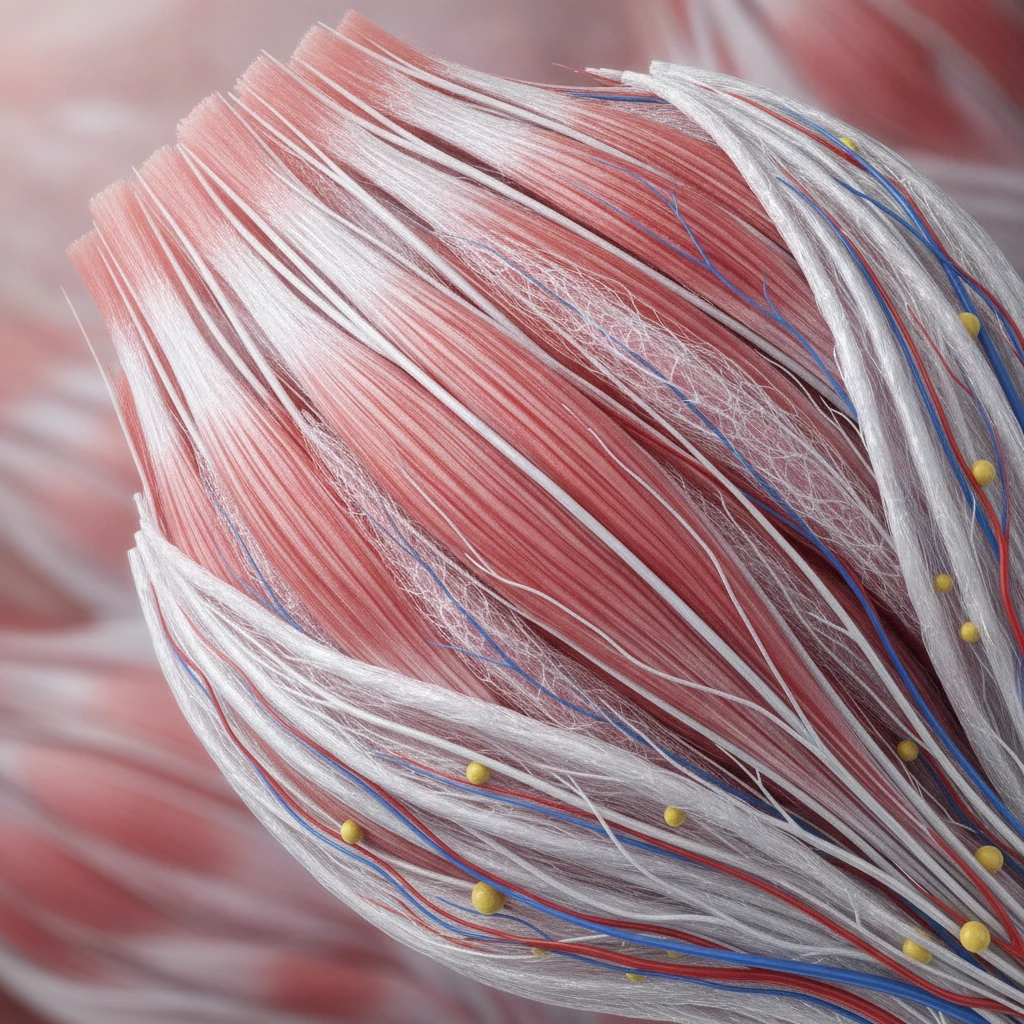
Fascia is a specialized connective tissue primarily made of collagen, elastin, and a gel-like ground substance. It’s not just a wrapper around muscles; it’s a dynamic, living tissue organized into various layers: superficial fascia (just under the skin), deep fascia (dense, fibrous tissue that encapsulates muscles, bones, and nerves), and visceral fascia (supporting organs). This pervasive network is continuous, meaning that a restriction in your foot’s fascia could theoretically impact your neck or shoulder, illustrating its profound interconnectedness. For adults, understanding fascia matters significantly because its health directly influences everything from daily activities to athletic performance and recovery from injury.
As we age, fascia can undergo changes. Factors like inactivity, repetitive movements, poor posture, stress, dehydration, and previous injuries can cause fascia to become stiff, less pliable, and “stuck” to underlying structures. This process, often referred to as fascial restriction or adhesion, reduces the tissue’s ability to glide smoothly, leading to decreased range of motion, pain, and reduced muscular efficiency. Ignoring fascial health until problems arise is a common pitfall. Instead, adults should consider their fascial health proactively, especially if experiencing persistent stiffness, chronic pain, or unexplained reductions in flexibility. Recognizing symptoms like localized tenderness, a feeling of “tightness” that stretching doesn’t resolve, or restricted movement patterns are key indicators that fascial work might be beneficial. Consult with a qualified fitness professional or healthcare provider in Allentown, PA, if you suspect fascial restrictions are impacting your well-being.
Fascia’s Essential Role in Adult Mobility and Flexibility
Fascia is a primary determinant of your body’s mobility and flexibility, often even more so than the muscles themselves. While muscles contract and lengthen, healthy fascia allows these muscles and surrounding structures to slide and glide past each other without impedance. This “fascial glide” is crucial for executing smooth, full-range movements. When fascia becomes rigid or dehydrated, this glide is compromised, leading to a feeling of stiffness, reduced range of motion, and an increased risk of injury. For instance, what might feel like a chronically tight hamstring could, in reality, be a restriction in the deep fascial layer around the muscle, rather than just the muscle fibers themselves. Traditional stretching often targets muscle length, but fascial release techniques focus on restoring the tissue’s elasticity and glide.
Assessing your own fascial mobility involves observing your movement patterns. Do certain movements feel restricted, “sticky,” or lead to compensatory actions? Can you move through your full natural range of motion without discomfort? If not, incorporating strategies to improve functional mobility for daily life could be highly beneficial. Actionable steps include regular hydration, dynamic stretching routines, and specific fascial release techniques using tools like foam rollers, massage balls, or professional manual therapy. These practices help to rehydrate the fascial matrix, break up adhesions, and restore the tissue’s natural pliability. Example: A client in Emmaus struggling with hip mobility despite consistent stretching might find significant improvement by focusing on releasing tension in their gluteal and IT band fascia, which directly impacts hip flexion and extension. Prioritizing fascial health is a strategic investment in long-term physical freedom.

How Fascial Health Impacts Strength, Performance, and Posture
Beyond mobility, the health of your fascia is intrinsically linked to your strength, athletic performance, and overall posture. Healthy fascia provides an optimal environment for muscles to function, enabling efficient force transmission during movements. Imagine a muscle as an engine; the fascia is the chassis and suspension that allows that engine’s power to be effectively transferred to the wheels. When fascia is restricted, it can impede muscle contraction and relaxation, forcing muscles to work harder to achieve the same output, leading to reduced power, increased fatigue, and a higher risk of strain. Athletes and active adults in the Lehigh Valley often report improved performance, greater power, and enhanced recovery when they integrate fascial care into their training routines, recognizing that effective strength training is key for adult longevity, and requires a resilient underlying structure.
Posture is another critical area heavily influenced by fascial health. Chronic poor posture, often exacerbated by sedentary lifestyles common among desk-bound adults, leads to fascial shortening and thickening in certain areas (e.g., chest, hip flexors) and lengthening/weakening in others (e.g., upper back, glutes). This creates imbalanced tension patterns that pull the body out of alignment, resulting in aches, pains, and a compromised ability to move efficiently. Learning how to improve posture and prevent pain is vital for adults. Pitfalls include solely relying on isolated strengthening exercises without addressing the fascial tension that might be “locking” the body into poor alignment. Actionable steps involve conscious postural awareness, incorporating regular movement breaks, and specific fascial release work aimed at restoring balanced tension throughout the body. Seeking guidance from a certified personal trainer in Whitehall can provide personalized strategies to address fascial restrictions that impact your strength and posture, helping you move with greater ease and confidence.
The Connection Between Fascia, Chronic Stiffness, and Injury Recovery
Fascia, a continuous web of connective tissue, plays a far more significant role in our bodily mechanics than often recognized. When healthy, it’s supple and allows muscles to glide smoothly, facilitating efficient movement. However, when fascia becomes dehydrated, restricted, or damaged, it can become stiff and adhered, leading to chronic stiffness and reduced range of motion. This restriction often manifests as persistent aches, tightness, or a general feeling of being “locked up,” which can significantly impact daily activities and exercise routines for adults in the Lehigh Valley.
In the context of injury recovery, fascia is a double-edged sword. Properly treated, it aids in healing by providing structural support and helping to dissipate forces. Neglected or improperly managed fascia, however, can impede recovery, creating scar tissue adhesions that limit movement and predispose individuals to re-injury. For instance, after a hamstring strain, if the surrounding fascial network isn’t addressed, the muscle may heal but remain stiff and prone to re-injury due to restricted fascial elasticity. Recognizing fascial involvement is crucial; if you experience persistent stiffness even after stretching or notice a limited ability to move a joint freely despite adequate muscle strength, your fascia likely needs attention. A common pitfall is to solely focus on muscle stretching while neglecting the underlying fascial restrictions, which only offers temporary relief.
Addressing fascial health through methods like self-myofascial release (e.g., foam rolling) or professional bodywork can significantly improve recovery outcomes. These techniques aim to restore the tissue’s elasticity and hydration, allowing for better blood flow and nutrient delivery, which are vital for healing. Regular attention to fascial mobility can help prevent the common cycle of injury, incomplete recovery, and subsequent re-injury, fostering a more resilient and flexible body for long-term wellness.
Aging and Fascia: Maintaining Suppleness and Range of Motion Over Time
As we age, several physiological changes impact our fascial system, often contributing to a perceived decline in flexibility and mobility. One primary factor is the natural decrease in the water content of tissues, leading to a less hydrated and more rigid fascial matrix. Collagen fibers, the building blocks of fascia, also become more cross-linked and less pliable, reducing the tissue’s elasticity and making it harder to stretch. This cumulative effect can result in a significant reduction in overall range of motion and an increased susceptibility to stiffness, making everyday tasks like reaching for items on a high shelf or bending to tie shoes more challenging.
Maintaining fascial suppleness becomes paramount for healthy aging. A sedentary lifestyle is a major pitfall, as lack of movement prevents the fascial tissues from receiving adequate hydration and nutrient exchange, accelerating their stiffening. Conversely, consistent and varied movement helps to pump fluid through the fascial network, maintaining its pliability and health. For adults aged 30-65, integrating practices that specifically target fascial health can make a substantial difference in preserving functional mobility and preventing age-related decline. This includes not only traditional stretching but also movements that challenge the fascia in multiple planes.
Example: A 55-year-old client in Allentown started a mobility program incorporating dynamic stretches and fascial release techniques. After three months, they reported a 20% improvement in shoulder rotation and significantly less lower back stiffness, enabling them to enjoy gardening without pain. This illustrates that while aging brings changes, proactive strategies can effectively mitigate their impact on fascial health and overall physical freedom, supporting a more active and independent lifestyle into later years.
Practical Strategies to Nurture and Optimize Your Fascia
Optimizing fascial health requires a multi-faceted approach, integrating various techniques into your regular fitness and recovery routine. One of the most accessible and effective strategies is self-myofascial release (SMR) using tools like foam rollers, massage balls, or stick rollers. These tools apply sustained pressure to tight areas, helping to release adhesions and improve tissue hydration. When practicing SMR, focus on slow, deliberate movements and hold pressure on tender spots for 30-60 seconds, allowing the tissue to release. A common pitfall is rushing through the process or applying too much aggressive pressure, which can exacerbate inflammation.
Complementary to SMR are various forms of stretching, including static, dynamic, and PNF (proprioceptive neuromuscular facilitation) stretching. Dynamic stretches, which involve movement through a range of motion, are excellent for warming up the fascia and muscles. Static stretches, held for 30 seconds or more, can improve flexibility, particularly when performed after a workout when tissues are warm. Incorporating activities like yoga, Pilates, or tai chi can also be highly beneficial, as they emphasize mindful movement, breathwork, and sustained stretches that enhance fascial elasticity. Beyond movement, adequate hydration is non-negotiable; water is critical for maintaining the gel-like consistency of the ground substance within fascia, allowing for smooth gliding and flexibility.
Finally, consider professional guidance. A skilled massage therapist specializing in deep tissue or fascial manipulation, or a physical therapist, can identify stubborn restrictions and apply targeted techniques that might be difficult to achieve on your own. For personalized strategies and ongoing support in Allentown, consulting with a qualified fitness professional who understands fascial anatomy can help you integrate these practices safely and effectively into your routine, ensuring long-term benefits for your mobility and recovery journey. Regular movement, hydration, and targeted release work are the cornerstones of healthy fascia.
Recognizing Signs Your Fascia Needs Attention
Becoming attuned to your body’s signals is key to identifying when your fascia might be compromised. The most common indicator is persistent tightness or stiffness that doesn’t resolve with typical muscle stretching or rest. This tightness often feels deeper and more pervasive than mere muscle soreness, sometimes manifesting as a “stuck” sensation in certain joints or areas of the body. For example, if you consistently feel a nagging tightness in your hamstrings, calves, or shoulders that limits your movement, even after regular stretching, it could be a sign of fascial restriction. This can also contribute to poor posture issues, especially for individuals who spend extended periods seated.
Another crucial sign is localized or radiating pain without a clear muscular injury. Fascial restrictions can put undue tension on nerves and blood vessels, leading to referred pain, numbness, or tingling sensations. Difficulty with specific movements or a noticeable reduction in your normal range of motion, such as struggling to fully extend an arm or rotate your torso, also points towards fascial involvement. For instance, if you experience recurrent lower back pain that seems to shift or isn’t relieved by core strengthening alone, compromised fascial integrity in the trunk or hips might be a contributing factor. A significant pitfall here is to ignore these subtle cues or dismiss them as “just getting older,” delaying effective intervention.
To assess if your fascia needs attention, try gentle self-palpation. Gently press on different areas of your body, noting any tender spots, areas that feel “ropey” or “gritty,” or places where the skin feels adhered to the underlying tissue rather than moving freely. If these signs are consistently present or accompanied by persistent discomfort, it’s advisable to consult with a healthcare professional or a specialized movement therapist. They can provide a proper assessment and guide you toward appropriate interventions, ensuring your journey toward improved overall physical health and mobility is informed and effective.
Integrating Fascia-Focused Care into Your Personalized Fitness Journey
Understanding and integrating fascia-focused care into your fitness regimen is a critical step for adults seeking enhanced mobility, reduced pain, and improved recovery. Fascia, the ubiquitous connective tissue system, plays a vital role in holding our bodies together, allowing for smooth movement, and transmitting force. Neglecting its health can lead to stiffness, restricted range of motion, and chronic discomfort. A personalized fitness journey that acknowledges fascial health moves beyond traditional muscle-centric training to incorporate techniques that hydrate, lengthen, and strengthen this intricate network, fostering greater overall resilience and performance. This approach ensures your body moves as an integrated unit, not just a collection of individual muscles.
Decision criteria for embracing fascia-focused care often include persistent tightness, recurring minor injuries, or a general feeling of restricted movement, especially for individuals aged 30-65. If you experience difficulty reaching overhead, bending comfortably, or maintaining posture without strain, your fascia might be a significant contributing factor. Pitfalls to avoid include focusing solely on static stretching without dynamic movement, or over-reliance on passive techniques like foam rolling without understanding the underlying mechanics. While beneficial, these tools are most effective when integrated into a comprehensive program that includes active mobility drills, strength training, and proper hydration. For instance, an individual might spend hours stretching their hamstrings but still feel tight because the fascial connection to their lower back or calves is not addressed. An expert can guide you through strategies to improve functional mobility that specifically target fascial restrictions.
Actionable steps to begin include seeking an assessment from a qualified personal trainer who understands fascial anatomy and biomechanics. This professional can identify specific areas of restriction and design a program incorporating myofascial release techniques, dynamic stretching, and functional strength exercises that encourage the fascia to adapt and glide smoothly. Example: A 50-year-old client with chronic shoulder stiffness might be prescribed exercises that involve controlled rotational movements and gentle traction, alongside targeted strength work for the surrounding musculature, rather than just isolated shoulder stretches. Additionally, maintaining adequate hydration is paramount, as fascia relies on water content for its elasticity and ability to slide between tissues. Consider incorporating a daily routine that includes gentle, full-body movements and sustained stretches to keep your fascial system supple and responsive, leading to lasting improvements in how you move and feel.
Unlock Your Full Movement Potential in Allentown and the Lehigh Valley
For residents across Allentown and the broader Lehigh Valley, unlocking your full movement potential through fascia-focused training offers a direct path to enhanced quality of life, whether you’re aiming to excel in recreational sports, keep up with grandchildren, or simply navigate daily activities without discomfort. At Forward Thinking Fitness, we understand that optimal movement is not just about muscle strength; it’s intricately linked to the health and adaptability of your fascial system. Our personalized approach integrates cutting-edge understanding of fascial science into bespoke fitness programs designed to improve your range of motion, reduce stiffness, and accelerate recovery, ensuring you can lead an active and vibrant life as you age. This commitment to holistic well-being sets a new standard for fitness in our community.
Our experienced coaches specialize in creating custom regimens that address your individual fascial needs, incorporating techniques such as active isolated stretching, dynamic mobility drills, and targeted self-myofascial release. These methods are carefully selected to re-educate your body’s connective tissues, promoting greater flexibility and elasticity. An individualized program with a personal trainer can personalize your fitness journey to specifically target areas of tightness or restriction. For example, a client in Emmaus experiencing low back pain might receive a program focusing on hip flexor lengthening and thoracic spine mobility to alleviate fascial tension that contributes to their discomfort. We recognize that every body is unique, and a generic approach to mobility often falls short, especially for adults managing the complexities of aging and previous injuries.
Beyond the physical techniques, Forward Thinking Fitness emphasizes education, empowering you with the knowledge to understand your body’s mechanics and maintain your fascial health independently. We encourage clients to integrate mindful movement and proper hydration into their daily routines as foundational elements of daily recovery. By focusing on the intricate role of fascia, we help clients from Whitehall to Breinigsville overcome movement limitations, enhance athletic performance, and prevent future injuries, moving them toward a future of unrestricted motion. Our commitment is to provide a comprehensive and supportive environment where adults aged 30-65 can truly transform their mobility and recovery, making sustained wellness an achievable reality.