

Effectively managing blood sugar is a crucial aspect of overall health, extending far beyond the immediate concerns of diabetes to influence energy levels, cognitive function, and long-term well-being for adults aged 30-65. Fluctuations in blood glucose can significantly impact daily life, leading to fatigue, mood swings, and a higher risk of serious health complications over time.
While diet plays a pivotal role, the power of structured physical activity, particularly through medical fitness programs, is increasingly recognized as a cornerstone of metabolic health. These specialized programs offer a targeted approach to help individuals stabilize blood sugar, improve insulin sensitivity, and foster sustainable habits that contribute to a healthier future.
Navigating the Challenge of Blood Sugar Management in the Lehigh Valley
Why stable blood sugar matters for long-term health
Maintaining stable blood sugar levels is fundamental for preventing a cascade of health issues. When glucose levels are consistently high, it can lead to damage to blood vessels and nerves throughout the body, a process that underpins complications such as cardiovascular disease, kidney damage, neuropathy, and retinopathy. Beyond these severe conditions, even minor fluctuations can contribute to chronic inflammation, impacting everything from joint health to cognitive clarity. Prioritizing blood sugar stability is a proactive step toward ensuring long-term vitality and significantly reducing the risk of developing preventable chronic illnesses that affect countless residents across the Lehigh Valley.
Understanding the personal impact of uncontrolled blood sugar
The effects of uncontrolled blood sugar extend into daily life, often manifesting as persistent fatigue, difficulty concentrating, and increased irritability. For busy professionals and active adults in areas like Allentown and Bethlehem, these symptoms can significantly hinder productivity and overall quality of life. An individual might experience afternoon energy crashes that make focusing on work or engaging with family challenging. For example, “Sarah,” a 45-year-old marketing executive, found her uncontrolled blood sugar led to inconsistent energy, affecting her ability to meet deadlines and enjoy hobbies. Addressing this through a structured approach can restore not just physiological balance but also personal autonomy and well-being, allowing individuals to fully engage with their lives.

The Evidence: How Medical Fitness Programs Transform Metabolic Health
Scientific backing for structured exercise and blood sugar regulation
Extensive scientific research consistently demonstrates the profound benefits of structured exercise in regulating blood sugar. Studies show that both aerobic and resistance training improve the body’s ability to use insulin effectively, leading to lower blood glucose levels. Organizations like the World Health Organization advocate for regular physical activity as a primary strategy in preventing and managing Type 2 diabetes due to its direct impact on metabolic processes. Medical fitness programs leverage this evidence by designing exercise regimens that are precisely tailored to an individual’s specific metabolic profile and health status, ensuring maximum efficacy and safety.
Beyond just weight loss: direct physiological benefits on insulin sensitivity
While weight management is often a positive outcome of increased physical activity, the metabolic benefits of exercise extend far beyond simply shedding pounds. Exercise, particularly strength training, directly enhances insulin sensitivity by increasing glucose uptake in muscle cells and improving the body’s ability to store glycogen. This means that even without significant weight loss, regular physical activity can make your body more responsive to insulin, lowering blood sugar levels. These physiological adaptations contribute to a more efficient metabolism and underscore why a comprehensive approach to metabolic health is vital for adults in the Lehigh Valley seeking to optimize their health.
What Defines a True Medical Fitness Program?
Key components: individualized plans, clinical oversight, integrated care
A true medical fitness program distinguishes itself through several critical components. First, it involves individualized assessment and program design, meaning exercise plans are crafted specifically for each person’s unique health conditions, medications, and fitness levels, often based on data from physicians or health screenings. Second, there is a strong emphasis on clinical oversight, with fitness professionals holding advanced certifications in medical exercise or having direct collaboration with healthcare providers. Finally, these programs prioritize integrated care, working synergistically with physicians, dietitians, and other specialists to provide a holistic approach to health management, ensuring continuity and effectiveness of care.
Distinguishing medical fitness from general gym memberships
The difference between a medical fitness program and a general gym membership is substantial. While a typical gym provides equipment and perhaps group classes, it generally lacks the clinical expertise and personalized attention necessary for individuals with specific health concerns like unstable blood sugar. Medical fitness facilities, such as those serving communities like Emmaus and Macungie, offer programs designed by professionals trained to understand complex medical conditions, monitor vital signs, and adjust exercises to prevent injury or adverse events. This specialized environment ensures that participants receive medically appropriate guidance, making it a safer and more effective choice for those needing targeted health interventions.
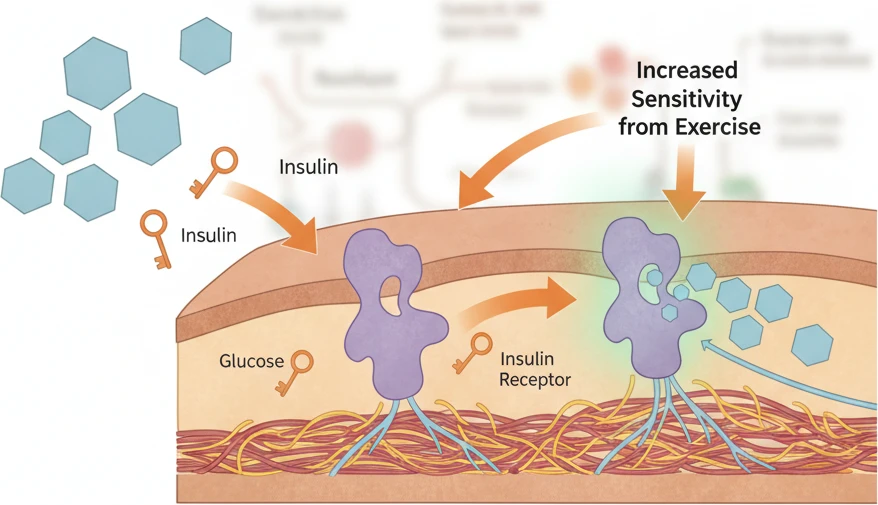
Mechanisms of Action: Exercise, Insulin Sensitivity, and Glucose Uptake
The role of strength training in improving muscle glucose utilization
Strength training plays a particularly vital role in blood sugar management by directly impacting muscle glucose utilization. When you engage in resistance exercises, your muscles undergo microscopic changes that enhance their capacity to absorb glucose from the bloodstream, even without the presence of insulin or with less insulin. This is primarily due to an increase in GLUT4 transporters, which are proteins responsible for carrying glucose into muscle cells. Furthermore, building and maintaining muscle mass means you have more tissue capable of storing glucose as glycogen, effectively reducing overall blood sugar levels. Incorporating strength training into your routine is a powerful strategy for improving metabolic flexibility and glucose control.
Cardiovascular exercise for sustained energy balance and reduced insulin resistance
Cardiovascular exercise, such as brisk walking, cycling, or swimming, complements strength training by improving the body’s overall energy balance and reducing insulin resistance. Aerobic activity increases the number and efficiency of mitochondria within cells, leading to better fat utilization for energy and subsequently improving insulin signaling pathways. Regular cardio also enhances blood flow, delivering glucose and insulin more efficiently to tissues. This sustained effort helps reduce chronic inflammation and oxidative stress, both of which can contribute to insulin resistance. For adults, combining cardiovascular training with strength work provides a comprehensive approach to optimize insulin sensitivity and long-term metabolic health.
Designing Your Personalized Medical Fitness Journey for Blood Sugar Control
Integrating strength, cardio, and flexibility for optimal results
A comprehensive medical fitness program for blood sugar control effectively integrates multiple exercise modalities. Strength training is paramount, as increased muscle mass enhances glucose uptake from the bloodstream and improves insulin sensitivity, crucial for managing metabolic health. Incorporating resistance exercises 2-3 times per week can significantly impact how your body processes sugar. Complementing this, cardiovascular activity like brisk walking, cycling, or swimming for 150 minutes weekly helps the body utilize glucose for energy and improves heart health, which is often a concern with diabetes. Lastly, flexibility and mobility work prevents injuries, reduces stiffness, and ensures you can consistently participate in your exercise routine, paving the way for sustained benefits. A balanced approach ensures robust metabolic improvements and long-term adherence.
The critical role of nutritional guidance in metabolic health
While exercise forms a cornerstone of blood sugar management, it reaches its full potential only when paired with strategic nutritional guidance. A personalized nutrition plan goes beyond generic dietary advice, focusing on your specific metabolic needs, food preferences, and lifestyle. This involves understanding the impact of macronutrient balance (carbohydrates, proteins, fats) on glucose levels, prioritizing whole, unprocessed foods, and optimizing meal timing. Pitfalls often include succumbing to fad diets or inconsistent eating patterns that destabilize blood sugar. Working with a qualified professional ensures you receive
Who Benefits Most from Medical Fitness for Blood Sugar?
Individuals with pre-diabetes and type 2 diabetes diagnoses
Medical fitness programs are particularly beneficial for individuals diagnosed with pre-diabetes or type 2 diabetes. For those with pre-diabetes, these programs offer a powerful intervention to prevent the progression to full-blown type 2 diabetes. By improving insulin sensitivity and promoting glucose uptake into muscles, carefully structured exercise and nutrition can normalize blood sugar levels. For individuals already living with type 2 diabetes, a medical fitness program serves as an essential tool for management, often leading to reduced reliance on medication (under physician supervision) and fewer complications. The personalized approach addresses the unique metabolic challenges of each individual, making it highly effective.
Those seeking proactive metabolic health support in Allentown and surrounding areas
Beyond specific diagnoses, medical fitness programs are ideal for residents in Allentown, Bethlehem, Emmaus, and the broader Lehigh Valley who are proactive about their metabolic health. This includes individuals with a family history of diabetes, those experiencing unexplained fatigue, or anyone noticing changes in their body composition or energy levels. Even without a formal diagnosis, subtle shifts in metabolic markers can indicate a need for intervention. A medical fitness program provides evidence-based strategies to optimize glucose regulation, enhance energy, and prevent the onset of metabolic dysfunction, offering a significant advantage in maintaining long-term wellness and vitality. It’s about empowering preventative action.
Busy professionals prioritizing long-term wellness
Busy professionals often face unique challenges that can impact metabolic health, including sedentary work, high stress levels, and limited time for self-care. Medical fitness programs are designed to accommodate these demands, providing structured and efficient interventions that fit into demanding schedules. By offering expert guidance in exercise and nutrition, these programs help professionals prioritize their long-term wellness without adding to their cognitive load. The focus is on maximizing impact in minimal time, ensuring that even with a packed calendar, individuals can make significant strides in blood sugar control, maintain energy, and reduce health risks, ultimately supporting a more productive and fulfilling life.
Realistic Outcomes: What to Expect from Your Commitment
Short-term improvements in glucose readings and energy levels
Committing to a personalized medical fitness journey for blood sugar control can yield tangible short-term benefits within weeks to a few months. You can realistically expect to see improved daily glucose readings, particularly after meals, as your body becomes more efficient at utilizing sugar. Many individuals also report a significant boost in sustained energy levels throughout the day, reducing the afternoon slumps often associated with unstable blood sugar. Better sleep quality and reduced fatigue are common early indicators of improved metabolic function. These immediate positive changes serve as powerful motivators, reinforcing the value of your commitment and encouraging continued adherence to the program.
Long-term impact on A1C, medication needs, and overall quality of life
The long-term impact of consistent medical fitness engagement, typically over 6-12 months and beyond, is often profound. One of the most significant outcomes is a measurable reduction in your Hemoglobin A1C levels, indicating better average blood sugar control over several months. For many, this improvement, in conjunction with their physician’s guidance, can lead to a reduction in diabetes medication dosages or even the cessation of certain drugs. Beyond clinical markers, individuals experience a dramatically enhanced overall quality of life, including improved cardiovascular health, greater physical endurance, better mood regulation, and increased confidence in managing their health independently. For comprehensive information on diabetes management, reliable resources like the Centers for Disease Control and Prevention offer valuable insights.
Integrating Medical Fitness with Your Overall Health Strategy
Collaboration with primary care physicians and specialists
Effective blood sugar management is a team effort, and medical fitness programs are designed to be an integral part of your broader healthcare strategy. This means fostering open collaboration with your primary care physician and any specialists you see, such as endocrinologists or cardiologists. Your medical fitness coach works in concert with these professionals, sharing progress, relevant data, and insights to ensure that exercise and nutrition interventions complement your medical treatments. This integrated approach ensures continuity of care, prevents conflicting advice, and creates a powerful, unified front against metabolic dysfunction, ultimately optimizing your health outcomes safely and effectively under comprehensive medical oversight.
The role of coaching and accountability in sustaining progress
Sustaining lifestyle changes for long-term blood sugar control can be challenging, which is why the role of professional coaching and accountability is indispensable. A dedicated medical fitness coach provides more than just exercise prescriptions; they offer ongoing support, motivation, and expert guidance to help you navigate obstacles, maintain consistency, and celebrate milestones. This personalized relationship fosters a sense of responsibility and commitment, making it easier to adhere to your program even when motivation wanes. For many adults, having local personal training support is the missing link that transforms intermittent efforts into lasting habits, ensuring that the progress you make is not only significant but also sustainable over years.
Choosing the Right Medical Fitness Partner in the Lehigh Valley
Key questions to ask when evaluating programs and coaches
Selecting a medical fitness partner in the Lehigh Valley for blood sugar control requires careful consideration. Begin by verifying their credentials and experience. Ask potential coaches about their specific certifications in medical exercise, chronic disease management, or diabetes education. A qualified professional should possess more than general fitness certifications, demonstrating expertise in adapting exercise and nutrition for individuals with complex health needs. Understanding their background ensures they can safely and effectively guide you through a program designed to impact your metabolic health.
Inquire deeply into their assessment and program individualization process. A crucial question is: “How do you assess my current health status, and what data points do you use to tailor my program?” A reputable partner will conduct thorough initial assessments, potentially including body composition analysis, strength and mobility evaluations, and discussions about your physician’s recommendations and blood work results. Avoid programs that offer a one-size-fits-all approach, as effective blood sugar management is highly individual. The program should evolve based on your progress and physiological responses, emphasizing a dynamic and responsive strategy.
Finally, clarify their communication protocols and collaborative approach. Ask, “Will you communicate with my physician or other healthcare providers?” An effective medical fitness program should integrate seamlessly with your broader medical care team. This collaboration ensures that your fitness plan complements your medical treatment, minimizes risks, and maximizes efficacy. Understanding how they track progress, offer feedback, and adjust goals is also vital. A program that prioritizes open communication and transparency fosters a strong foundation for your long-term health journey, mitigating the pitfall of siloed care.
Why a personalized, evidence-based approach makes a difference
A personalized, evidence-based approach is fundamental to achieving meaningful improvements in blood sugar control. Generic fitness plans often fail to account for the unique physiological responses and health complexities of individuals managing conditions like prediabetes or type 2 diabetes. Factors such as insulin sensitivity, medication regimens, existing complications, and individual preferences all necessitate a customized strategy. By leveraging the latest scientific evidence on exercise physiology and nutrition for metabolic health, a personalized program can optimize outcomes, focusing on the most effective types, intensities, and durations of activity and dietary interventions. This ensures that every component of your plan is specifically designed to address your body’s needs.
An evidence-based approach means that program design is rooted in established research and clinical guidelines, rather than trends or fads. This can involve incorporating specific types of resistance training shown to improve glucose uptake, or cardiovascular exercise protocols optimized for insulin sensitivity. For instance, focusing on personalized strength programs can significantly enhance muscle mass, which plays a critical role in glucose metabolism. Moreover, dietary recommendations are tailored to support healthy blood sugar levels without being overly restrictive or unsustainable. This holistic integration of exercise, nutrition, and lifestyle modifications, all informed by scientific data, provides a robust framework for sustained success in managing adult metabolic health.
Example: Consider a 55-year-old individual in Allentown with prediabetes who initially struggled with group fitness classes. A personalized program identified that their insulin resistance was particularly sensitive to higher intensity interval training combined with specific dietary adjustments that focused on nutrient timing. Over six months, their HbA1c dropped from 6.2% to 5.7%, and they lost 15 pounds, demonstrating the power of a plan precisely calibrated to their biological profile. This tailored methodology not only improves objective markers like blood sugar but also enhances adherence and overall quality of life, leading to more sustainable results.
Start Your Journey Towards Better Blood Sugar Control at Forward Thinking Fitness
How to get started with a personalized metabolic health assessment
Beginning your journey toward better blood sugar control at Forward Thinking Fitness in Allentown, PA, starts with a comprehensive personalized metabolic health assessment. This initial step is critical for understanding your current physiological state and identifying the most effective pathways for improvement. Our experts conduct detailed evaluations that may include advanced body composition analysis, functional movement screens, strength assessments, and a thorough discussion of your health history, lifestyle, and dietary habits. This holistic approach ensures we gather all necessary information to craft a truly individualized plan, moving beyond surface-level observations to uncover the underlying factors influencing your blood sugar.
Following the assessment, our team collaborates with you to establish clear, achievable goals. This isn’t just about lowering a number; it’s about fostering a deeper understanding of your body and empowering you with actionable strategies. We help you set realistic expectations for your journey, focusing on sustainable changes rather than quick fixes. For instance, goals might include improving insulin sensitivity, reducing HbA1c levels by a specific percentage, enhancing energy levels, or increasing lean muscle mass. This goal-setting process is a partnership, ensuring your program aligns with your personal aspirations and fits seamlessly into your daily life, creating a roadmap for success.
One of the most valuable aspects of our approach is the emphasis on data-driven decision-making. We interpret the assessment results to explain precisely why certain exercises or nutritional adjustments will be beneficial for your specific metabolic profile. This educational component empowers you to understand the “how” and “why” behind your program, fostering greater engagement and adherence. Furthermore, we encourage communication with your primary care physician, ensuring that your fitness plan integrates harmoniously with any medical treatments or advice you are already receiving. This ensures a cohesive and medically sound strategy for your blood sugar management.
Connecting with FTF experts in Allentown, PA for tailored support
Connecting with Forward Thinking Fitness experts in Allentown, PA, provides access to tailored support specifically designed to address the nuances of blood sugar control and overall metabolic health. Our team comprises highly qualified professionals who specialize in medical fitness, nutrition, and personalized training. We understand the challenges adults aged 30-65 face when trying to manage their health amidst busy lives. By working with our experts, you gain a dedicated partner committed to guiding you through every step of your journey, offering continuous encouragement, education, and strategic adjustments to your program as needed. We prioritize a supportive and encouraging environment.
Our tailored support extends beyond just exercise routines. We integrate comprehensive nutritional guidance, emphasizing sustainable habits that support stable blood sugar levels without drastic dietary overhauls. This includes practical advice on meal timing, food choices, and portion control, ensuring that your nutritional plan complements your exercise efforts. For a deeper understanding of eating well, explore resources on sustainable adult nutrition. Additionally, our programs incorporate crucial recovery strategies and mobility work, recognizing their impact on overall well-being and stress reduction, which are indirect yet powerful factors in blood sugar management. This holistic approach is one of the pillars of our success in helping clients achieve lasting health improvements.
The accountability and ongoing monitoring provided by our local experts are invaluable for long-term success. Regular check-ins, performance tracking, and open discussions about your progress and any challenges you face ensure that your program remains optimized. We believe in empowering you with the knowledge and tools to maintain your results independently. For general health information and guidelines, you might find resources from the World Health Organization beneficial. At Forward Thinking Fitness, located conveniently in Allentown, PA, our goal is to help you not only manage but thrive, improving your metabolic health and enhancing your quality of life for years to come through expert-led, personalized intervention.
Embarking on a medical fitness program can significantly impact blood sugar control, offering a proactive and personalized pathway to improved metabolic health. By carefully choosing a qualified partner and committing to an evidence-based approach, individuals in the Lehigh Valley can achieve meaningful, lasting improvements in their well-being.