
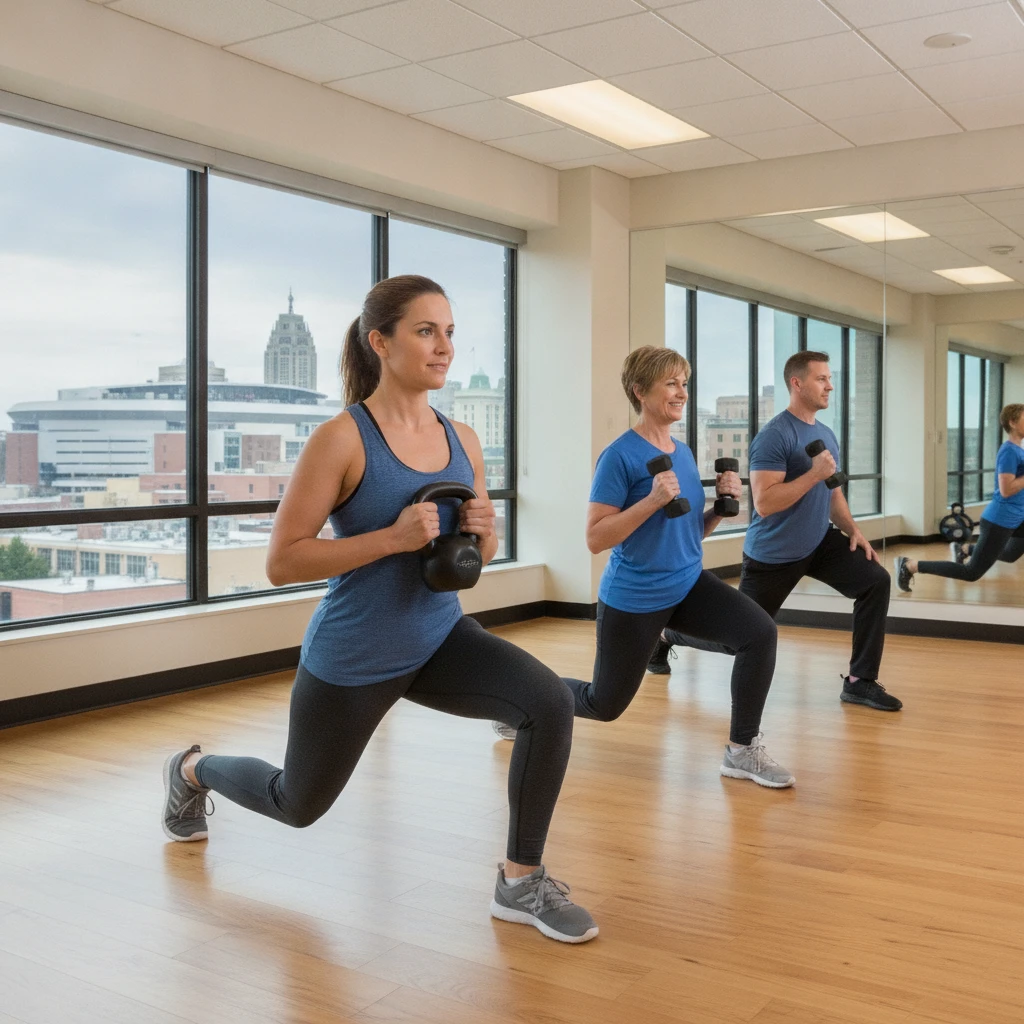
For many adults in Allentown, pursuing fitness goals can feel like a complex puzzle, often squeezed between demanding careers, family commitments, and personal responsibilities. The desire for better health, increased energy, and a more active lifestyle is strong, yet the path to achieving it often faces significant hurdles. Generic workout plans and fleeting motivation rarely yield the lasting results busy individuals seek.
This is where the benefit of a tailored approach becomes invaluable. Understanding the specific challenges and unique physiological needs of adults in their 30s, 40s, and beyond is critical for creating a truly effective and sustainable fitness strategy. Personalized training offers a clear advantage, moving beyond one-size-fits-all solutions to address individual circumstances, ensuring that every effort contributes meaningfully to long-term wellness.
The Unique Fitness Journey for Allentown Adults
Balancing Career, Family, and Personal Wellness
Adult life in Allentown, much like anywhere, presents a dynamic interplay of responsibilities that often leaves personal wellness on the back burner. Professionals frequently encounter long working hours and high-stress environments, while parents navigate the intricate demands of childcare and household management. The pitfall here is the tendency to deprioritize physical activity and healthy eating, viewing them as luxuries rather than necessities. This can lead to increased fatigue, weight gain, and a higher risk of stress-related health issues over time. To counteract this, actionable steps include carefully scheduling workout sessions as non-negotiable appointments and seeking supportive networks, whether it’s a family member for childcare during gym time or an employer-sponsored wellness program. For instance, an Allentown executive might find that three focused 45-minute sessions with a trainer each week are more effective and sustainable than trying to fit in longer, less consistent workouts alone.
Common Health Goals for Adults in Their 30s, 40s, and Beyond
As adults progress through their 30s, 40s, and beyond, their health goals naturally evolve. In their 30s, individuals often focus on maintaining fitness levels, preventing “middle-age spread,” and building strength. By their 40s, concerns might shift towards sustaining energy, mitigating early signs of metabolic changes, and protecting joint health. Beyond 50, the emphasis frequently turns to preserving bone density, enhancing mobility, and managing chronic conditions to maintain independence and vitality. A common pitfall across all these age groups is setting unrealistic expectations or falling for quick-fix solutions that offer temporary results but lack long-term sustainability. Effective decision criteria involve prioritizing functional strength, cardiovascular health, and flexible mobility over solely aesthetic goals. Reputable health organizations, like the World Health Organization, consistently highlight the importance of regular physical activity across all adult age groups for holistic well-being.
Personalized Strength Training: Building Functional Capacity and Resilience
Tailoring Workouts to Your Body’s Specific Needs
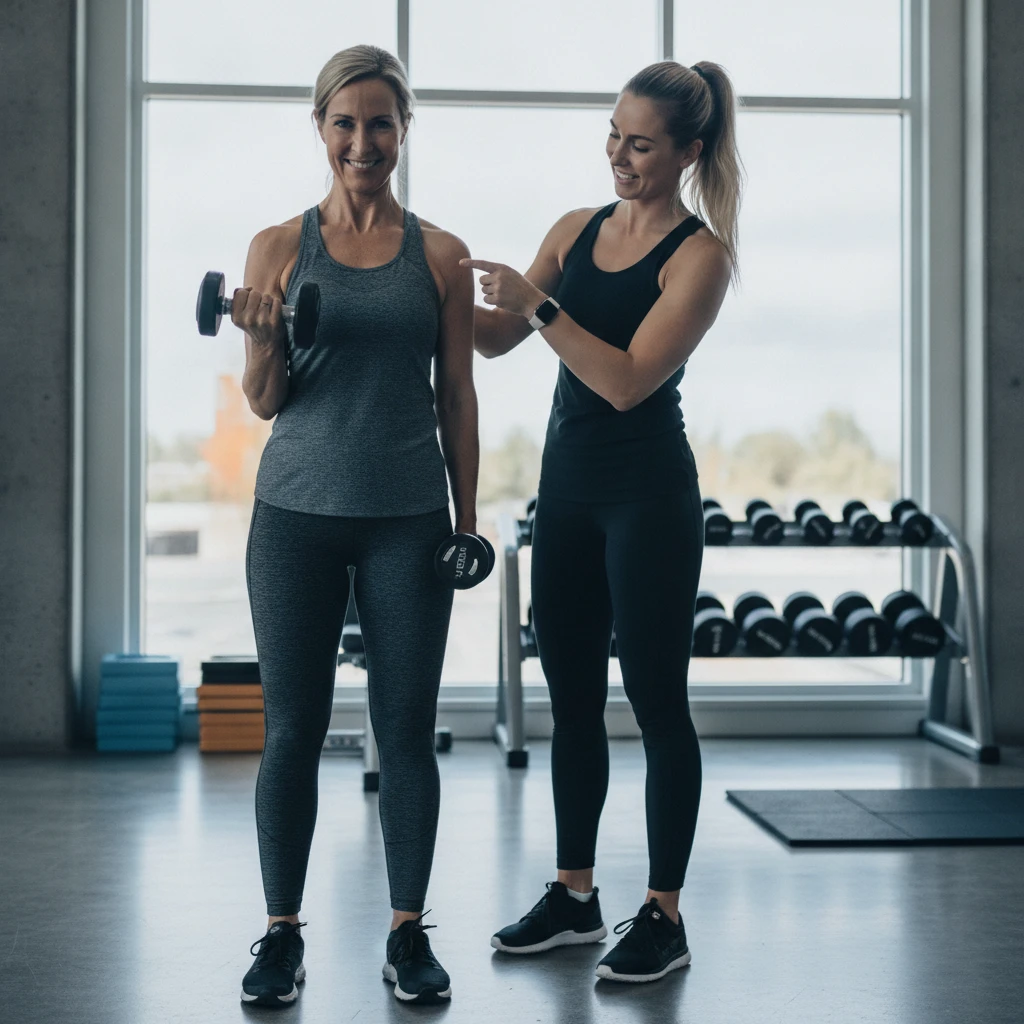
Generic strength training routines, often found online or in crowded gyms, rarely account for an individual’s unique physiological profile, past injuries, or current fitness level. For Allentown adults, this often means inefficient workouts, potential injury aggravation, or a lack of progress that leads to frustration. Tailoring workouts involves a comprehensive initial assessment that identifies muscle imbalances, flexibility deficits, and strength discrepancies. This personalized approach ensures that each exercise is selected and modified to directly address your body’s specific requirements, optimizing results and minimizing risk. For example, someone with a history of lower back pain would receive exercises that strengthen core stability without exacerbating their condition, rather than a generic deadlift program. This level of specialized programming is a hallmark of expert personal training, fostering significant improvements in strength and overall physical capacity.
Enhancing Mobility and Preventing Age-Related Decline
Beyond building raw strength, personalized training places a crucial emphasis on enhancing mobility and flexibility, essential components for preventing age-related decline. Many adults experience a gradual reduction in their range of motion, leading to stiffness, discomfort, and increased susceptibility to injury in daily activities. This decline can be a significant pitfall, limiting independence and enjoyment of life as we age. Tailored programs incorporate specific drills and exercises designed to improve joint health, increase flexibility, and restore functional movement patterns, such as reaching, bending, and twisting with ease. For instance, incorporating dynamic stretches and controlled articular rotations into your routine can significantly improve hip and shoulder mobility, making tasks like gardening or playing with grandchildren much more comfortable and safer. By actively working to enhance joint mobility, adults can maintain a high quality of life and reduce the risk of common age-related physical limitations.
Achieving Sustainable Weight Management with Expert Guidance
Moving Beyond Quick Fixes: A Practical Approach
The landscape of weight management is often cluttered with promises of rapid results through restrictive diets or extreme workout challenges. For many Allentown adults, these “quick fixes” prove to be unsustainable, leading to the notorious cycle of yo-yo dieting, frustration, and eventual weight regain. A practical approach, championed by expert guidance, focuses on incremental, habit-based changes that are integrated into your lifestyle rather than imposed upon it. Decision criteria for success involve prioritizing long-term behavioral shifts in nutrition and activity over temporary sacrifices. A pitfall is believing that a single diet or exercise plan works for everyone; true success lies in understanding individual metabolic responses and lifestyle demands. For example, instead of a drastic calorie cut, a personalized plan might focus on improving protein intake at each meal, ensuring adequate fiber, and strategic hydration, leading to consistent, maintainable progress without deprivation.
Understanding Body Composition for Lasting Results
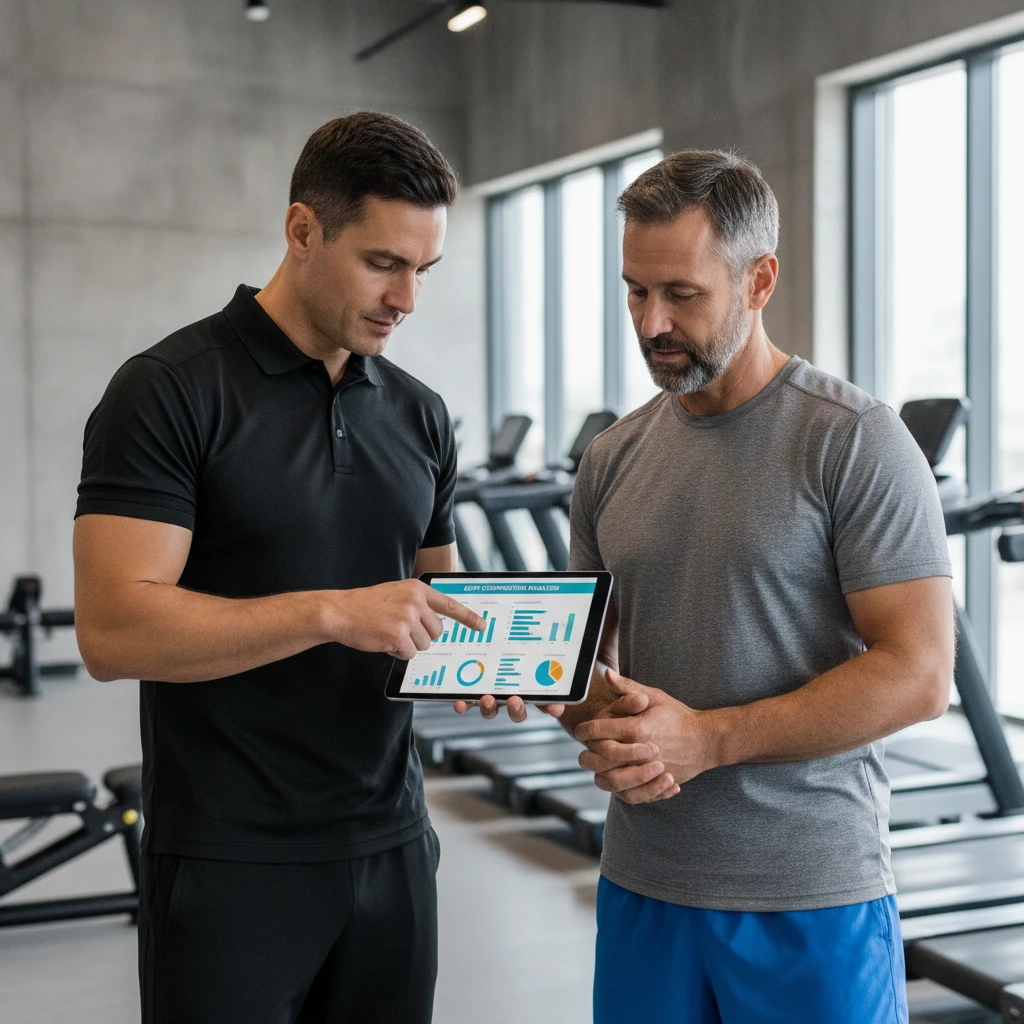
Focusing solely on the number on the scale can be a misleading metric for health and weight management. True lasting results come from understanding and optimizing body composition – the ratio of fat to lean muscle mass. A common pitfall is equating weight loss with fat loss, when in fact, inappropriate dieting can lead to significant muscle mass reduction, which negatively impacts metabolism and strength. Expert guidance helps individuals understand that building lean muscle is crucial for a robust metabolism and a more sculpted physique, even if the scale doesn’t drop dramatically. Regular body composition analysis provides accurate data, allowing for targeted adjustments to training and nutrition plans to maximize fat loss while preserving or building muscle. This deeper insight empowers individuals to make informed decisions, moving beyond simple weight readings to achieve a truly healthier and more functional body.
Motivation and Accountability: Your Key to Consistent Progress
Overcoming Plateaus and Maintaining Momentum
Even the most dedicated individuals can encounter plateaus in their fitness journey, where progress stalls despite consistent effort. This can be a significant demotivator, leading many to abandon their goals. A critical pitfall is continuing with the same routine that led to the plateau, expecting different results. Overcoming these challenges requires a strategic shift, often involving modifying workout variables like intensity, volume, exercise selection, or periodization. Decision criteria for moving forward include objectively assessing current progress, identifying potential limiting factors (e.g., nutrition, recovery, sleep), and being open to expert-guided adjustments. For example, if strength gains have halted, a trainer might introduce deload weeks, incorporate new exercises, or re-evaluate nutritional intake to reignite progress. Maintaining momentum means proactive adaptation rather than reactive frustration, ensuring that your body continues to be challenged in new and effective ways.
The Role of a Coach in Goal Setting and Adherence
One of the most profound benefits of personal training for Allentown adults is the unparalleled level of motivation and accountability it provides. Setting ambitious yet realistic goals is the first step, but adhering to them consistently over time can be daunting. A personal coach acts as a consistent external motivator, ensuring you show up for sessions and push yourself beyond self-imposed limits. The major pitfall of unguided fitness is a lack of structured progression and the ease with which individuals can skip workouts or let diet slide without immediate consequence. With a coach, there’s a tangible commitment and someone actively invested in your success. They help clarify your objectives, break them down into achievable milestones, and provide the encouragement and strategies needed to navigate obstacles. This professional partnership significantly enhances adherence to your fitness plan, transforming aspirations into consistent progress and lasting results.
Optimizing Metabolic Health Through Targeted Exercise
Impact of Physical Activity on Blood Sugar and Energy Levels
Engaging in regular physical activity is a cornerstone for maintaining optimal metabolic health, particularly for adults in Allentown. Exercise significantly enhances the body’s insulin sensitivity, meaning cells become more responsive to insulin, allowing glucose to be absorbed more efficiently from the bloodstream. This direct mechanism helps to stabilize blood sugar levels, preventing the drastic spikes and crashes often associated with metabolic dysfunction. Consistent movement, whether it’s strength training or cardiovascular exercise, acts like a natural regulator, improving glucose uptake and utilization by muscles. Over time, this contributes to a more stable energy supply throughout the day, mitigating feelings of fatigue and sluggishness that can often accompany fluctuating blood sugar. For individuals seeking to manage or prevent conditions like prediabetes, incorporating a structured exercise regimen is an actionable step. Pitfalls often include inconsistent workout schedules or choosing an intensity level that is either too low to be effective or too high, leading to burnout. A tailored program ensures progressive overload and appropriate intensity for sustained benefits.
Reducing Risks for Chronic Conditions as You Age
Beyond immediate blood sugar management, targeted exercise plays a crucial role in significantly reducing the long-term risk of various chronic conditions prevalent among aging adults. Regular physical activity, especially a combination of aerobic and resistance training, is strongly linked to the prevention of Type 2 diabetes, cardiovascular disease, and hypertension. Strength training builds muscle mass, which is metabolically active tissue, further improving glucose disposal and basal metabolic rate. Cardiovascular exercise strengthens the heart and lungs, improving circulation and reducing arterial stiffness. Deciding on the right type and intensity of exercise is critical, and consulting a qualified personal trainer ensures a program is tailored to individual health status and goals, accounting for pre-existing conditions or limitations. For example, consistent moderate-intensity exercise, such as 150 minutes per week as recommended by the Centers for Disease Control and Prevention, can lower the risk of heart disease by maintaining healthy blood pressure and cholesterol levels. This proactive approach to health can dramatically enhance longevity and quality of life.
Integrating Nutrition and Lifestyle for Holistic Wellness
Complementing Your Workouts with Smart Food Choices
Effective personal training extends beyond the gym; it seamlessly integrates with astute nutritional choices for truly holistic wellness. What you consume fuels your workouts, aids recovery, and ultimately dictates your body composition and metabolic function. Prioritizing a diet rich in lean proteins, complex carbohydrates, and healthy fats is paramount. Proteins are essential for muscle repair and growth after strenuous exercise, while complex carbohydrates provide sustained energy for training sessions. Healthy fats support hormone production and nutrient absorption. Hydration is also a critical, yet often overlooked, component; sufficient water intake supports all bodily functions, including metabolism and joint lubrication. Avoiding highly processed foods, excessive sugars, and unhealthy trans fats is crucial, as these can negate the benefits of exercise by promoting inflammation and metabolic dysfunction. Developing a structured meal plan and practicing portion control are actionable steps that can significantly complement your physical efforts. For guidance on structuring your daily intake, consider practical advice on
The Importance of Stress Management and Quality Sleep
Beyond nutrition and exercise, managing stress and prioritizing quality sleep are indispensable pillars of holistic wellness. Chronic stress elevates cortisol levels, a hormone that can lead to increased fat storage, particularly around the abdomen, and contribute to insulin resistance. Effective stress management techniques, such as mindfulness, meditation, or spending time in nature, can significantly mitigate these negative physiological responses. Simultaneously, adequate sleep is not merely a luxury but a biological necessity. During sleep, the body undergoes crucial repair and recovery processes, hormone regulation (including ghrelin and leptin, which control appetite), and memory consolidation. Poor sleep hygiene, characterized by insufficient hours or interrupted sleep, can impair athletic performance, hinder weight management efforts, and compromise cognitive function. Actionable steps include establishing a consistent sleep schedule, creating a relaxing bedtime routine, and limiting screen time before bed. Recognizing and addressing these lifestyle factors is as important as any workout in achieving comprehensive well-being and maintaining metabolic balance.
Injury Prevention and Effective Recovery Strategies
Mastering Proper Form and Technique for Safe Exercise
For adults engaging in personal training, especially those new to structured exercise or returning after a hiatus, mastering proper form and technique is the single most critical factor in injury prevention. Incorrect execution of exercises not only renders workouts less effective but also places undue stress on joints, ligaments, and muscles, dramatically increasing the risk of acute injuries or chronic pain. A qualified personal trainer observes movements closely, identifies compensatory patterns, and provides real-time feedback and corrections, ensuring each repetition is performed safely and with maximal benefit. This personalized attention minimizes common pitfalls such as rounding the back during squats, locking out knees in leg presses, or using momentum instead of muscle control in lifts. For example, a client attempting a deadlift for the first time might inadvertently arch their lower back, risking disc injury; a trainer would meticulously guide them through the hip hinge movement, emphasizing core engagement and spinal neutrality. Choosing a trainer who prioritizes technique over simply pushing heavy weights is a key decision criterion for sustainable, safe progress.
Incorporating Active Recovery and Flexibility Into Your Routine
Effective recovery is not just about rest; it encompasses active strategies that enhance the body’s ability to repair and adapt, reducing muscle soreness and improving overall performance. Incorporating active recovery methods, such as light cardio (e.g., walking, cycling at a low intensity), dynamic stretching, or foam rolling, helps increase blood flow to muscles, delivering nutrients and flushing out metabolic waste products. This can significantly accelerate the healing process after intense workouts. Furthermore, dedicating time to flexibility and mobility work is crucial for maintaining a full range of motion, preventing stiffness, and correcting postural imbalances that can lead to injury. Static stretching, held for 20-30 seconds, is best performed after muscles are warm, while dynamic stretches (like leg swings or arm circles) are ideal as part of a warm-up. Engaging in activities like yoga or specific mobility drills can also enhance joint health and reduce the risk of strains. Integrating these components into your weekly schedule, rather than viewing them as optional add-ons, is an actionable step towards sustained physical health. Regular attention to building lasting strength for healthy adult aging.
Enhancing Quality of Life Through Consistent Movement
Consistent physical movement, championed through personalized training, extends its benefits far beyond mere physical health, profoundly enhancing an individual’s overall quality of life as they age. While improved strength, mobility, and metabolic health are significant, the ripple effects include enhanced mental clarity, improved mood, and increased confidence. Regular exercise is a proven antidote to stress and anxiety, fostering a greater sense of well-being and resilience. For many adults, maintaining physical capabilities means sustaining independence and the ability to engage fully in hobbies, travel, and social activities without limitation. Example: An Allentown resident in their 60s, through consistent personal training focusing on balance and functional strength, might confidently enjoy hiking local trails or keeping up with grandchildren, activities that would have been challenging without dedicated effort. This continuous engagement with movement not only preserves physical function but also enriches social connections and allows for a more active, fulfilling lifestyle, ensuring that the later decades are lived with vitality and purpose.
Long-Term Health and Healthy Aging in the Lehigh Valley
For residents across the Lehigh Valley, prioritizing long-term health and healthy aging is not merely about extending lifespan, but about enhancing the quality of those years, ensuring vitality, independence, and the ability to fully enjoy the region’s diverse offerings. Personalized training plays a pivotal role in this journey, offering tailored programs that address the specific physiological changes associated with aging, such as declining bone density, muscle loss (sarcopenia), and decreased cardiovascular efficiency. By focusing on resistance training, clients can significantly mitigate these effects, building and preserving lean muscle mass which is crucial for maintaining a strong metabolism, supporting bone health, and preventing falls. Aerobic conditioning improves heart health and endurance, enabling individuals to participate in community events or explore local parks like the Trexler Nature Preserve with greater ease. Moreover, targeted flexibility and balance exercises are fundamental in preventing injuries and maintaining mobility, allowing older adults to remain active in their homes and communities. For example, personalized training can help a Bethlehem senior maintain the functional strength needed to carry groceries from the Easton Public Market or confidently navigate the steps of the Moravian Historical Society. This proactive approach to health, emphasizing consistent, guided movement, empowers individuals to not only live longer but to live better, ensuring their later years are characterized by sustained energy, mental sharpness, and the continued enjoyment of all that the Lehigh Valley has to offer.
Choosing a Personal Training Partner in Allentown
Selecting the right personal training partner in Allentown is a pivotal decision for adults aged 30-65 seeking to enhance their strength, mobility, and overall wellness. A skilled trainer does more than just guide workouts; they become a critical ally in navigating the complexities of personalized fitness, especially for those with specific health goals or existing conditions. The objective is to find a professional who not only understands your aspirations but also possesses the expertise to design a safe, effective, and sustainable program tailored to your unique physiological needs and lifestyle. Investing time upfront to evaluate potential trainers ensures a more productive and rewarding fitness journey, moving you closer to your long-term health objectives rather than just short-term gains.
What to Look for in a Qualified and Experienced Trainer
When seeking a personal trainer in Allentown, prioritize individuals with established credentials and a proven track record. A qualified trainer will hold certifications from reputable organizations such as the National Academy of Sports Medicine (NASM) or the American Council on Exercise (ACE), indicating a foundational understanding of exercise science and safety protocols. Beyond basic certification, consider their experience working specifically with adults aged 30-65, as this demographic often requires nuanced approaches to strength building, metabolic health management, and joint mobility. Inquire about their specialization areas; a trainer focused on building lasting strength for healthy adult aging or metabolic fitness will likely be more aligned with your goals than one primarily catering to competitive athletes.
A significant pitfall to avoid is selecting a trainer based solely on low cost or flashy marketing without verifying their qualifications or approach. An inexperienced or unqualified trainer might offer generic programs that fail to address individual needs, potentially leading to injuries or a lack of progress. Always ask prospective trainers about their initial assessment process, how they track client progress, and their philosophy on long-term client success. Furthermore, look for excellent communication skills and an empathetic approach, as these are crucial for fostering a supportive and effective coaching relationship. For example, a trainer who takes the time to thoroughly explain exercise mechanics and adapt routines based on your feedback demonstrates a commitment to your well-being. This careful selection process is essential for securing a partnership that truly serves your health and fitness aspirations.
Key Factors for a Successful Training Program Experience
A successful personal training program extends beyond simply showing up for sessions; it involves a confluence of factors that ensure effectiveness, engagement, and lasting results. Foremost among these is true personalization. A generic workout plan, often a pitfall of less experienced trainers, rarely yields optimal outcomes for adults with diverse health profiles and lifestyles. Your program should be meticulously tailored to your body composition, fitness level, medical history, and specific goals, whether that’s improving mobility, managing weight, or building foundational strength. This includes adapting exercises to accommodate previous injuries or current physical limitations, ensuring both safety and progressive challenge.
Moreover, a successful program adopts a holistic approach. Effective personal training integrates physical activity with crucial elements like nutritional guidance and recovery strategies. While your trainer may not be a registered dietitian, they should be able to offer sound, practical advice on healthy eating habits that complement your training, or refer you to qualified professionals. Strong accountability mechanisms, such as regular check-ins, progress tracking, and measurable goal setting, are also indispensable. These elements keep you motivated and provide tangible evidence of your progress, helping you stay committed over the long term. Consider how your trainer plans to track your progress, perhaps through regular body composition analysis or performance metrics, to ensure the program remains dynamic and responsive to your evolving needs.
Ultimately, selecting a personal training partner in Allentown involves a thorough evaluation of their expertise, communication style, and the overall structure of their training methodology. By focusing on qualified professionals who emphasize personalized, holistic, and accountable programs, Allentown adults can confidently embark on a fitness journey that promises tangible results and sustainable improvements in health and well-being.