

As adults navigate the complexities of life from their 30s through their 60s, the importance of maintaining physical strength transcends mere aesthetics. For many, this period brings increased responsibilities, potential health challenges, and a natural shift in physiological needs, making a targeted approach to fitness not just beneficial, but essential. Understanding these unique demands is the first step toward harnessing the power of strength training for long-term health and vitality.
Engaging a professional strength coach can be a transformative decision, providing the expertise and personalized guidance needed to address individual circumstances. This guide will delve into the specific considerations for adults seeking strength improvements, explore the profound benefits of professional coaching, and outline the critical qualities to look for in a coach who can truly support your wellness journey in Allentown and beyond.
The Unique Strength Training Needs of Adults Aged 30-65
Addressing Common Challenges: Time Constraints, Past Injuries, and Metabolism Changes
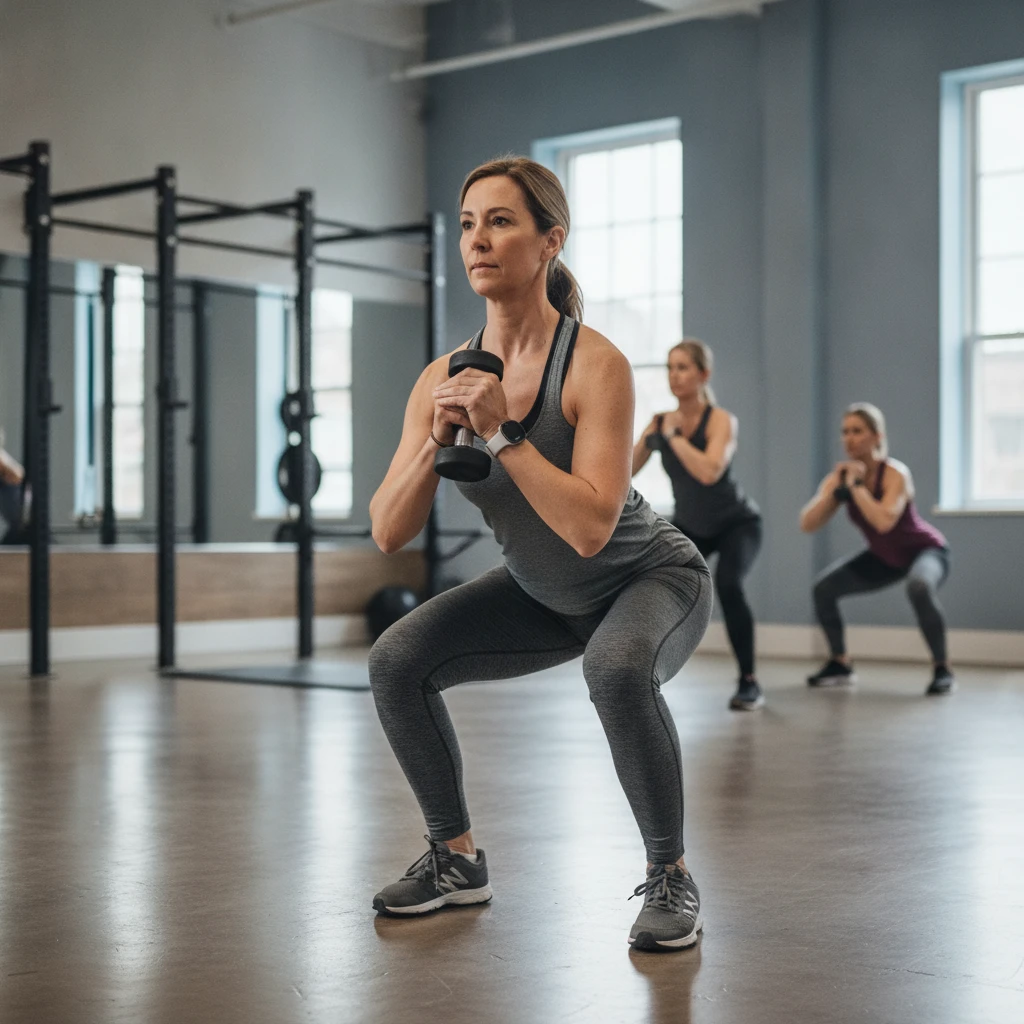
Adults between 30 and 65 often face a distinct set of challenges when it comes to fitness. Time constraints are paramount, with demanding careers and family commitments often leaving little room for extensive gym sessions. An effective strength program for this demographic must be efficient, maximizing results in shorter, focused workouts. Furthermore, a history of past injuries—from old sports knocks to everyday strains—requires a highly nuanced and careful approach. A professional coach understands how to modify exercises, build foundational strength around vulnerabilities, and prevent exacerbation of existing issues, ensuring safe and progressive training.
Physiological shifts, such as a naturally slowing metabolism and the onset of sarcopenia (age-related muscle loss), also play a significant role. Strength training becomes a powerful countermeasure, helping to preserve muscle mass, boost metabolic rate, and improve body composition. For instance, a 48-year-old professional in Emmaus, managing a desk job and a recovering shoulder injury, needs a program that builds strength without aggravating the joint, while also supporting weight management goals impacted by a slower metabolism. This personalized attention is critical for sustained progress and injury prevention.
Beyond Aesthetics: Prioritizing Longevity, Functional Strength, and Bone Health
While improved physique can be a welcome side effect, the primary motivators for adult strength training extend far beyond aesthetics. For adults aged 30-65, the focus shifts decisively towards longevity, ensuring a higher quality of life into later years. This means emphasizing movements that support daily activities and maintain independence. Building functional strength is key; it’s about having the physical capacity to carry groceries, lift grandchildren, or confidently navigate stairs, rather than merely lifting a specific weight. This type of strength directly translates to improved daily performance and reduced risk of accidental falls.
Another crucial benefit is the profound impact on bone health. As individuals age, bone density can decline, increasing the risk of osteoporosis. Weight-bearing strength training is one of the most effective ways to stimulate bone growth and density, fortifying the skeletal system and protecting against fractures. A well-designed program by a knowledgeable coach considers these long-term health markers, ensuring that every repetition contributes to a more resilient body. This comprehensive approach to wellness is central to
Tailored Programs for Individual Goals, Health History, and Lifestyle
One of the most significant advantages of working with a professional strength coach is the development of a tailored program meticulously designed for your unique profile. Generic workout plans, often found online, rarely account for an individual’s specific goals, their comprehensive health history—including any pre-existing conditions or limitations—and their day-to-day lifestyle. A skilled coach begins with a thorough assessment, identifying strengths, weaknesses, and potential imbalances. This data then informs a progressive, periodized plan that adapts to your body’s response and your evolving needs. For instance, an individual managing metabolic health concerns will receive a program integrated with their broader wellness strategy, differentiating it significantly from someone focusing solely on powerlifting. This level of enhancing joint mobility and overall physical resilience.
Accountability and Motivation for Long-Term Adherence and Results
Consistency is the cornerstone of successful strength training, but maintaining it independently can be challenging. A professional coach provides invaluable accountability and motivation, acting as a dedicated partner in your fitness journey. Regular appointments create a commitment that’s harder to break, while a coach’s encouragement and belief in your potential can push you past self-imposed limitations. They celebrate successes, provide constructive feedback, and help navigate plateaus, keeping enthusiasm high and focus sharp. This consistent support fosters long-term adherence, transforming sporadic efforts into a sustainable routine that yields tangible, lasting results.
Optimizing Strength for Healthy Aging, Mobility, and Daily Performance
Beyond physical appearance, professional strength coaching is instrumental in optimizing strength for healthy aging. By targeting key muscle groups and movement patterns, coaches help adults maintain and improve their balance, coordination, and overall mobility. This directly translates to enhanced daily performance—making everyday tasks feel easier, reducing the risk of falls, and preserving independence. The focus shifts to functional movements that mimic real-life activities, building robust physical capabilities that support an active and fulfilling life for years to come. This proactive investment in strength safeguards your physical future, ensuring you can continue to enjoy hobbies and navigate the world with confidence and vitality.
Essential Qualities of an Effective Adult Strength Coach
Relevant Certifications and Experience with Diverse Adult Populations
When selecting a strength coach, their foundational qualifications are paramount. Look for individuals holding relevant certifications from respected organizations such as the National Strength and Conditioning Association (NSCA), the American College of Sports Medicine (ACSM), or the American Council on Exercise (ACE). These credentials signify a commitment to evidence-based practices and professional standards. However, certifications are just the starting point. It is equally critical that a coach possesses substantial experience with diverse adult populations—meaning they have worked with clients across a range of ages (specifically 30-65), fitness levels, health conditions, and personal goals. A coach who primarily trains competitive athletes might not be the best fit for an adult seeking improved mobility and bone density. Ask about their track record with clients similar to you. You can explore recognized certifications and standards through organizations like the National Strength and Conditioning Association.
A Personalized Approach to Assessment and Program Design
An effective adult strength coach understands that there is no one-size-fits-all solution. They employ a truly personalized approach to assessment, delving deeper than basic metrics. This includes a comprehensive review of your medical history, any past injuries, current fitness levels, movement patterns, and lifestyle factors. This initial assessment should be thorough, often involving functional movement screens and body composition analysis, to create a holistic picture of your physical state. Based on this information, they will craft an individualized program design that addresses your specific needs, limitations, and aspirations. The program should be dynamic, evolving as you progress and adapt, ensuring continued challenge and safety. A coach who simply hands you a generic workout sheet is unlikely to provide the nuanced support required for sustainable adult fitness.
Clear Communication, Empathy, and a Supportive Coaching Philosophy
Beyond technical expertise, the interpersonal qualities of a coach are vital for a successful client-coach relationship. An excellent coach demonstrates clear communication, explaining exercises, programming rationale, and progress feedback in an easily understandable manner, avoiding jargon. They possess genuine empathy, understanding the unique struggles, anxieties, and aspirations that adults bring to their fitness journey—whether it’s juggling work stress, managing chronic pain, or overcoming self-doubt. This empathy fosters trust and a safe environment for growth. Crucially, their supportive coaching philosophy should prioritize your long-term health, wellness, and independence over short-term, unsustainable gains. They should be encouraging, patient, and focused on empowering you to build healthy habits and a resilient body that serves you well for decades.
Evaluating a Coach’s Approach: What to Ask and Observe
Understanding Their Initial Assessment Process and Goal Setting
When considering a strength coach, the initial consultation is your opportunity to evaluate their methodology. Crucially, ask: “What does your initial assessment process entail?” A thorough coach will describe a comprehensive evaluation that includes discussing your health history, previous exercise experience, lifestyle, and specific goals, potentially incorporating movement screens or baseline strength tests. Observe if they genuinely listen and ask insightful follow-up questions about your motivations and concerns. Regarding goal setting, inquire: “How do you work with clients to set realistic and achievable goals, especially given my age and potential limitations?” A good coach will outline a collaborative process, establishing short-term milestones that build towards broader, long-term objectives, ensuring these are specific, measurable, achievable, relevant, and time-bound (SMART).
Discussion of Client Progress Tracking and Feedback Mechanisms
Effective coaching involves continuous monitoring and adaptation. It’s essential to understand how a coach tracks your development. Ask: “What are your methods for client progress tracking?” They should articulate a system, whether it involves logging weights, reps, subjective feedback, or periodic re-assessments. Furthermore, clarify their feedback mechanisms: “How often can I expect feedback, and in what format?” A proficient coach will provide regular, constructive feedback, explaining not just what to do, but why, and how current efforts contribute to overall goals. They should also be receptive to your feedback, adjusting the program based on how your body feels and responds, ensuring a dynamic and responsive training experience.
Compatibility of Training Style and Your Personal Preferences
While a coach’s credentials and expertise are vital, compatibility of training style with your personal preferences can significantly impact adherence and enjoyment. During discussions, ask about their typical approach: “What is your general training philosophy, and how adaptable are you to individual preferences or limitations?” Some coaches might be more high-intensity, while others prioritize meticulous form and slower progression, especially important for adults with complex health histories. Observe if their communication style resonates with you—do they motivate you effectively? Do you feel heard and respected? Ultimately, a successful coaching relationship thrives on mutual understanding and trust. Choosing a coach whose approach aligns with your learning style and energy levels will make the journey more engaging and sustainable, leading to better Allentown adult fitness outcomes.
Key Benefits of Professional Strength Coaching for Adult Clients
Engaging a professional strength coach offers numerous advantages, particularly for adult clients navigating the complexities of aging, previous injuries, or fluctuating energy levels. One primary benefit is injury prevention. A knowledgeable coach understands proper biomechanics, scaling exercises appropriately to your current capabilities, and progressively overloading your body without undue risk. This tailored approach drastically reduces the likelihood of strain or injury compared to self-directed training or generic gym programs. Furthermore, you receive a truly individualized program design. Unlike one-size-fits-all routines, a professional coach crafts a regimen that considers your specific goals, medical history, movement patterns, and recovery capacity, ensuring every exercise contributes meaningfully to your progress.
Beyond physical programming, a coach provides invaluable accountability and motivation. Regular check-ins, scheduled sessions, and ongoing feedback create a structured environment that helps you stay committed, even when motivation wanes. This consistent support system can be a game-changer for long-term adherence. Lastly, professional coaching often leads to a significant improvement in overall quality of life. Increased strength translates to greater independence in daily activities, better balance, enhanced bone density, and improved metabolic health. The holistic support from an expert can empower you to not only reach your fitness goals but to live a more vibrant, capable, and pain-free life as you age.
How a Coach Supports Mobility, Recovery, and Metabolic Health Goals
Integrating Mobility Work and Strategic Recovery Protocols
A proficient strength coach does more than just prescribe lifts; they integrate comprehensive strategies for enhancing mobility and optimizing recovery into your routine. This involves designing dynamic warm-ups and cool-downs, incorporating specific stretches, and implementing mobility drills to improve your overall range of motion and promote joint health. Such a targeted approach helps prevent injuries and addresses common stiffness or imbalances that emerge with age, such as restricted hip flexion or shoulder internal rotation.
Furthermore, coaches develop personalized recovery protocols crucial for sustained progress and well-being. These might include active recovery days, guided foam rolling techniques, targeted stretching sessions, and recommendations for sleep optimization. By managing training load effectively and emphasizing proper recovery, a coach ensures your body adapts positively to stress, reduces the risk of overtraining, and fosters long-term athletic longevity and daily comfort.
Guidance on Nutrition and Sustainable Weight Management Support
Effective strength coaching extends significantly into nutritional guidance, moving beyond generic advice to offer individualized support tailored to your unique metabolic profile and goals. A coach helps you understand the principles of balanced nutrition, focusing on macro and micronutrient intake relevant to your activity level, recovery needs, and health objectives. This guidance aims for sustainable dietary habits rather than restrictive diets, fostering a healthier relationship with food.
For sustainable weight management, coaches assist in developing realistic strategies that prioritize gradual, consistent progress. This involves careful consideration of body composition, energy balance, and the practicalities of integrating healthy eating into a busy adult lifestyle. The objective is to cultivate habits that support metabolic health and maintain optimal body weight without resorting to quick fixes, ensuring that nutritional choices are both effective and enjoyable for the long term. You can learn more about this by exploring resources on medical fitness integration for lifelong health and
Mistakes to Avoid When Selecting a Strength Coach for Adults
Prioritizing Cost Over Expertise and Experience
A common pitfall when choosing a strength coach is making decisions based primarily on cost rather than evaluating their qualifications and experience. While budget is a valid consideration, opting for the cheapest available trainer often means compromising on expertise, certifications, and a proven track record. This can lead to ineffective programming, a higher risk of injury due to improper technique, or a general lack of progress, ultimately costing more in the long run through wasted time and potential medical expenses.
Instead, prioritize coaches with relevant certifications from reputable organizations (e.g., NSCA, ACSM) and significant experience working specifically with adults aged 30-65. Look for trainers who specialize in areas like injury prevention, metabolic health, or post-rehabilitation. Investing in a highly qualified coach provides not just workouts, but a sound, evidence-based strategy for achieving your health and fitness goals safely and efficiently, ensuring value over mere expense.
Ignoring the Importance of Personality and Communication Style
The relationship between a client and their strength coach is a significant determinant of success. Overlooking the coach’s personality and communication style during the selection process can lead to a less engaging and productive experience. A coach who is knowledgeable but struggles to communicate effectively, lacks empathy, or has a rigid approach might not be the right fit, even if highly credentialed.
It is crucial to find a coach whose personality complements yours and who employs a communication style that motivates and educates you. Look for someone who is encouraging, a good listener, and capable of explaining complex movements or nutritional concepts in an understandable way. An effective coach fosters a sense of trust and provides constructive feedback, making you feel supported and accountable. A brief initial consultation or trial session can be invaluable for assessing this vital interpersonal dynamic, which is key for long-term adherence and enjoyment.
Overlooking the Need for a Truly Personalized Training Program
One of the biggest mistakes adults make is settling for a generic or “cookie-cutter” training program that isn’t specifically designed for their individual needs. While template workouts can offer a starting point, they rarely account for unique physiological variations, injury histories, lifestyle factors, or specific long-term goals. A lack of personalization can lead to plateaus, frustration, or even exacerbate existing physical limitations.
A truly effective strength coach will conduct a thorough initial assessment, including movement screens, health history, and a detailed discussion of your objectives. Based on this, they will create a dynamic and personalized program that adapts as you progress, addresses any imbalances or weaknesses, and aligns precisely with your aspirations. This bespoke approach ensures that every exercise and every session is purposeful, maximizing your results and safeguarding your well-being. Always seek a coach committed to continuous assessment and program modification for optimal outcomes.
Considering Alternatives to One-on-One Strength Coaching
Group Fitness Classes: Benefits and Limitations for Adults
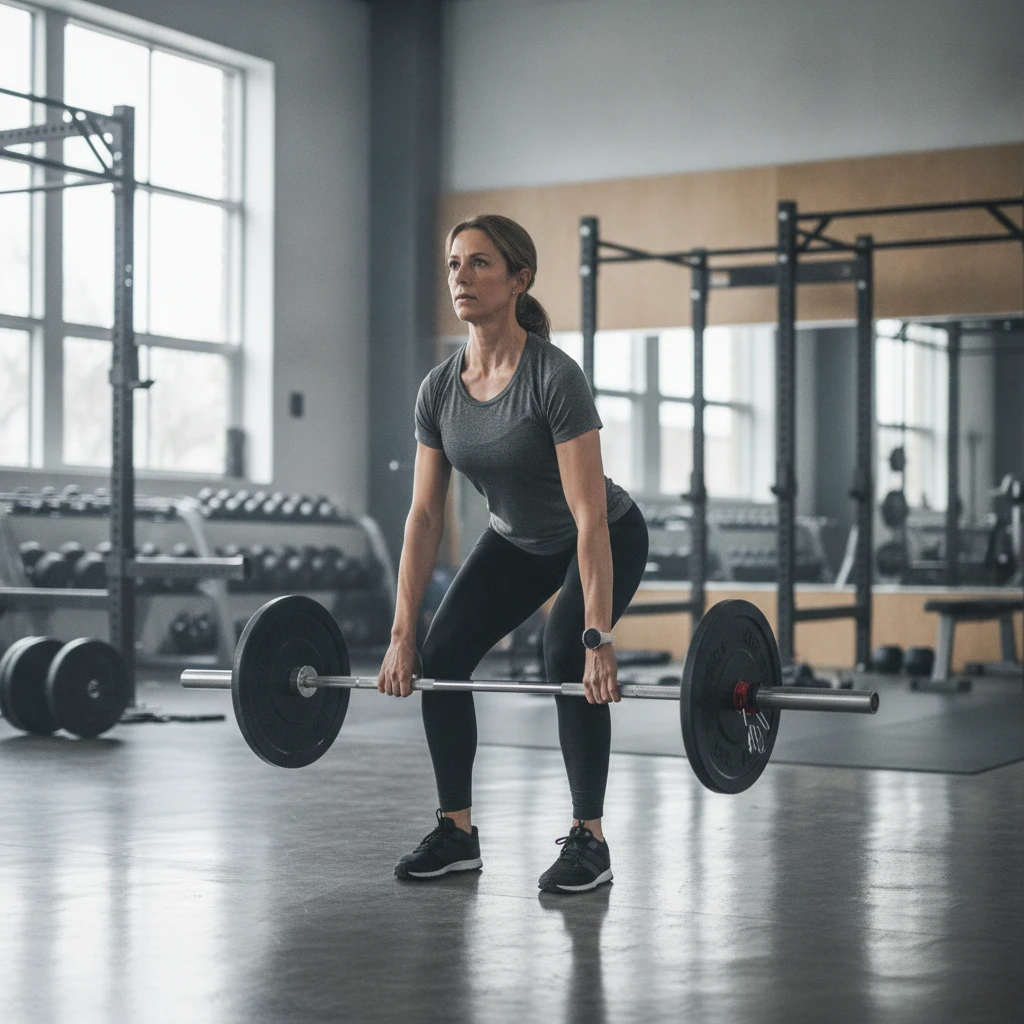
Group fitness classes, such as boot camps, circuit training, or CrossFit, offer an energetic and communal alternative to one-on-one coaching. Their benefits for adults often include lower cost, a strong sense of community, and external motivation from fellow participants and the instructor. The shared experience can be highly engaging and provide a fun way to stay active, fostering new friendships and a sense of belonging within a fitness community. Many individuals thrive on the competitive or collaborative atmosphere, which can push them to work harder.
However, group classes also come with significant limitations for adults, particularly those with specific physical needs or health conditions. The instruction is typically less individualized, making it challenging for coaches to provide one-on-one form correction or modify exercises for injuries effectively. This can increase the risk of improper technique or injury, especially for beginners or those with pre-existing issues. For adults seeking highly targeted strength gains, advanced mobility work, or medical fitness integration, the generic nature of group classes may not be sufficient for achieving complex goals.
Online Training Programs: When They Work (and When They Don’t)
Online training programs have gained popularity, offering flexibility and often a lower price point than in-person coaching. These programs can be highly effective for self-motivated individuals who possess a good understanding of exercise mechanics and have access to adequate equipment. They work well for those with a consistent track record of adherence, who can accurately assess their own form, and who primarily seek structured workouts without the need for real-time, hands-on correction. Many online platforms provide detailed exercise libraries and progressive programming that can be very beneficial for disciplined users.
Conversely, online programs often fall short for beginners, individuals with a history of injuries, or those who require significant accountability and personalized feedback. The absence of a coach physically present to observe and correct form can lead to inefficient movements, plateaus, or even injury. Without immediate feedback, subtle technique errors can go unnoticed and become ingrained. For optimal results and safety, especially when dealing with complex movements or specific physical limitations, the value of in-person, real-time guidance often outweighs the cost savings of an online-only approach. More information on general health and fitness can be found at the American College of Sports Medicine.
Self-Guided Training: Requirements for Sustainable Success
Embarking on a self-guided training journey demands a high degree of self-discipline, foundational knowledge, and an unwavering commitment to consistency. For adults considering this path, success hinges on their ability to independently research and design effective programs, accurately perform exercises with proper form, and objectively assess their own progress and limitations. Access to reliable, evidence-based resources and a willingness to continually learn are paramount. This approach is best suited for individuals with considerable prior experience in strength training and a strong internal locus of control, who can manage their own motivation.
However, the risks associated with self-guided training are substantial for many adults. Without objective feedback, it’s easy to develop suboptimal movement patterns, overlook critical muscle imbalances, or progress too quickly, leading to injury. Plateaus are also common, as it can be difficult to identify weaknesses or implement appropriate program modifications without an experienced eye. Furthermore, maintaining motivation and accountability over the long term without external support can be a significant challenge. For those serious about achieving sustainable results and minimizing risk, the guidance of a professional often proves to be an indispensable investment in their health and performance journey.
Understanding the Investment in a Strength Coach’s Expertise
Beyond the Hourly Rate: Value in Long-Term Health and Performance
When considering the cost of a strength coach, it is crucial to look beyond the immediate hourly rate and recognize the profound long-term value they provide. This investment extends far beyond supervised gym sessions; it encompasses a holistic approach to your health, offering expert program design, injury prevention strategies, and personalized accountability. A skilled coach brings years of education and practical experience, translating complex exercise science into actionable, safe, and effective training protocols specifically tailored to your body and goals.
The return on this investment manifests in several ways: improved quality of life, enhanced functional independence, reduced risk of chronic diseases, and even potential savings on future healthcare costs. Preventative measures, such as strengthening bones to combat osteoporosis or improving mobility to reduce fall risk, yield substantial benefits over decades. A coach empowers you with the knowledge and habits to maintain an active, healthy lifestyle, fostering sustained strength, vitality, and well-being long after your coaching engagement begins. This foundational support can be truly transformative for your overall health trajectory. The National Institutes of Health provides extensive resources on health and wellness.
Factors Influencing Coaching Costs and Service Packages
The cost of a strength coach can vary significantly based on several key factors, reflecting the breadth and depth of services offered. The coach’s experience level, specialized certifications (e.g., medical fitness, corrective exercise), and reputation play a major role; highly sought-after experts typically command higher fees. Geographic location also impacts pricing, with urban centers often having higher rates than rural areas. The frequency of sessions, whether it’s once or multiple times a week, and the duration of each session (30, 45, or 60 minutes) directly influence the total cost.
Many coaches offer various service packages designed to meet diverse needs and budgets. These can range from one-on-one personalized training, which is the most intensive and therefore often the most expensive, to semi-private training (2-4 clients) or small group coaching, which provides a balance of personalized attention and cost-effectiveness. Some packages may include additional services such as nutritional guidance, body composition analysis, recovery protocols, or even access to online programming between in-person sessions. Understanding these variables allows you to choose a coaching package that aligns with both your financial capacity and your fitness aspirations, maximizing the impact of your health and performance investment.
Taking the First Steps Towards Finding Your Ideal Coach
Embarking on a fitness journey as an adult, especially focusing on strength, requires careful consideration in choosing a coach. The initial steps involve more than just browsing local gyms; it’s about understanding your needs and identifying a professional who aligns with your long-term health and performance aspirations. A skilled strength coach for adults aged 30-65 will prioritize not just muscle gain, but also improved mobility, injury prevention, and sustainable habits for healthy aging. This proactive approach ensures that your efforts translate into lasting well-being rather than short-term fixes.
Preparing for an Initial Consultation: What to Bring and Ask
A productive initial consultation sets the foundation for a successful coaching relationship. Before meeting a prospective coach, gather relevant information about your health history, including any past injuries, chronic conditions, and current medications. Be ready to discuss your previous exercise experiences, what you enjoyed or disliked, and any significant lifestyle factors that might impact your training, such as work stress or sleep patterns. During the consultation, prepare a list of questions. Inquire about the coach’s certifications and experience working specifically with adults in your age range, their coaching philosophy, and their approach to program design. Ask for details on how they monitor progress, handle potential plateaus, and adapt plans to evolving needs. Understanding their communication style and availability is also crucial for a compatible partnership.
Setting Clear, Realistic Goals with Your Prospective Coach
Effective goal setting is a collaborative process between you and your coach. Initially, you might have general aspirations like “get stronger” or “lose weight.” Your coach’s role is to help you refine these into SMART goals: Specific, Measurable, Achievable, Relevant, and Time-bound. For example, instead of “get stronger,” a SMART goal might be “increase my deadlift by 20 pounds with proper form in 12 weeks,” or “improve my overall balance to reduce fall risk within six months.” Discuss your motivations thoroughly and be honest about potential challenges. A good coach will help you identify realistic timelines and incremental milestones, ensuring that the journey is both challenging and sustainable. This shared clarity on objectives fosters accountability and a clear roadmap for your strength and wellness journey.
Strength Coaching for Lifelong Health in Allentown and the Lehigh Valley
The pursuit of lifelong health in communities like Allentown, Bethlehem, and across the Lehigh Valley increasingly involves integrating strength training into a comprehensive wellness strategy. For adults aged 30-65, strength coaching transcends aesthetics; it becomes a cornerstone for maintaining independence, enhancing vitality, and mitigating age-related decline. Choosing a local coach means finding someone who understands the unique demands and opportunities within our community, offering convenient access and a personalized touch that larger, impersonal facilities often lack. This focus on long-term well-being ensures that individuals can enjoy an active and fulfilling life for decades to come, supported by expert guidance.
Personalized Support for Adults in Our Local Community
In Allentown, Emmaus, Macungie, and beyond, personalized strength coaching for adults is about more than just a workout plan. It’s about developing a deep understanding of each individual’s unique physiological needs, lifestyle, and specific health concerns. Adults aged 30-65 often contend with factors like fluctuating metabolic health, pre-existing joint issues, or the need for specific mobility enhancements. A dedicated local coach can provide targeted programming that addresses these complexities, ensuring that exercises are not only effective but also safe and sustainable. This tailored approach allows for continuous adaptation, helping clients in the Lehigh Valley build lasting strength for healthy adult aging while integrating seamlessly into their busy lives. Such support is invaluable for long-term adherence and tangible results.
Connecting Your Goals to a Comprehensive Wellness and Performance Strategy
A truly effective strength coach views your fitness goals as part of a larger wellness ecosystem. It’s not just about lifting weights; it’s about how strength training integrates with your nutrition, recovery, stress management, and overall lifestyle choices. For adults aiming for lifelong health, this holistic perspective is critical. Your coach should help you connect how improved strength impacts your daily activities, reduces injury risk, and supports better metabolic function. They can guide you in understanding how exercise contributes to better sleep, mental clarity, and energy levels. This comprehensive strategy ensures that progress in the gym translates into a significantly enhanced quality of life outside of it, embodying the principles of true wellness and performance. Reputable organizations like the World Health Organization advocate for integrating physical activity with broader health initiatives, a philosophy mirrored by expert strength coaching.
Finding the right strength coach is a significant investment in your long-term health and vitality. By taking a thoughtful approach to selection, preparing for consultations, and collaborating on realistic goals, adults in Allentown and the wider Lehigh Valley can secure expert guidance that supports a comprehensive and sustainable path to improved strength, mobility, and overall well-being.