
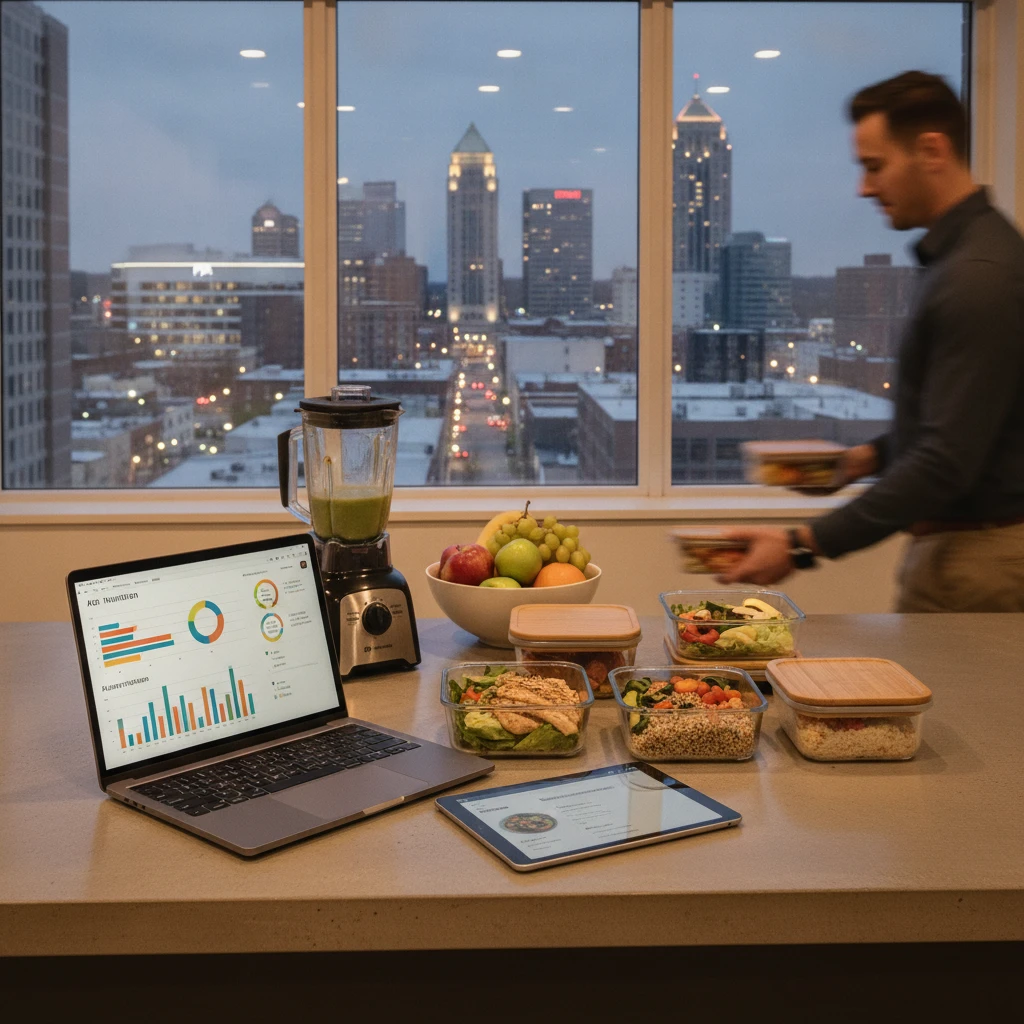
Busy professionals in Allentown often juggle demanding careers with personal commitments, leaving little time for meticulous meal preparation. Yet, the quality of our nutrition directly impacts our productivity, energy levels, and overall well-being, making it a crucial component for sustained success.
Navigating the complexities of modern life requires a strategic approach to dietary choices. This article will explore practical, evidence-based nutrition strategies tailored specifically for adults aged 30-65 in Allentown, focusing on actionable steps to enhance health, focus, and longevity amidst a hectic schedule.
Fueling Success: Why Nutrition is Key for Allentown’s Professionals
Boosting Energy and Cognitive Function for Demanding Days
For Allentown professionals, peak mental and physical performance is non-negotiable. Proper nutrition provides the consistent glucose supply essential for brain function and sustained energy, preventing the mid-afternoon slumps that hinder productivity. A diet rich in complex carbohydrates, lean proteins, and healthy fats supports neurotransmitter production, enhancing focus, memory, and mood stability. Consuming balanced meals throughout the day, rather than relying on sporadic, high-sugar snacks, stabilizes blood sugar levels and optimizes cognitive endurance. Prioritizing foods like whole grains, avocados, and omega-3 rich fish can significantly sharpen mental clarity for critical decision-making.
Protecting Long-Term Health Amidst a Hectic Schedule
The persistent stress and long hours inherent in many professional roles can take a toll on health. Strategic nutrition acts as a powerful preventative measure, bolstering the immune system and reducing inflammation – key contributors to chronic disease. Emphasizing whole, unprocessed foods supports cardiovascular health, stable blood sugar regulation, and maintains a healthy weight, all vital for long-term well-being. Regular intake of antioxidants from fruits and vegetables helps combat oxidative stress, protecting cellular integrity. Investing in sound nutritional habits now mitigates future health risks and supports a vibrant, active professional life well into your 50s and 60s. For strategies to manage metabolic health proactively, consider learning more about
Mastering Meal Planning and Preparation for Efficiency
Strategic Batch Cooking Techniques for the Week Ahead
Batch cooking is a cornerstone of efficient healthy eating for busy professionals. Dedicating a few hours on a weekend can yield nutritious meals and components for the entire week, drastically reducing daily cooking stress. Focus on preparing versatile protein sources like grilled chicken breast, roasted salmon, or hard-boiled eggs that can be incorporated into various meals. Cook large quantities of grains such as quinoa or brown rice, and chop a variety of vegetables to store for quick salads, stir-fries, or side dishes. This systematic approach ensures healthy options are always readily available, minimizing the temptation for less nutritious alternatives during hectic weekdays.
Simple, Nutrient-Dense Recipes for Quick Weeknight Meals
When time is scarce on weeknights, simple yet nutrient-dense recipes are invaluable. Prioritize meals that require minimal ingredients and cooking time, typically less than 30 minutes. Sheet pan dinners (e.g., chicken and roasted vegetables), one-pot pasta dishes with lean protein and plenty of greens, or quick fish fillets with steamed vegetables are excellent choices. The key is to select ingredients that offer high nutritional value without extensive preparation. These recipes ensure you are still getting essential vitamins, minerals, and macronutrients, supporting energy levels and recovery without compromising your schedule.
Building a Healthy Pantry: Essential Staples for Busy Kitchens
A well-stocked pantry is a critical foundation for effortless healthy eating. Keep a consistent supply of non-perishable staples such as canned beans, lentils, whole-grain pasta, brown rice, quinoa, and oats. For proteins, consider canned tuna or salmon, and protein powder. Healthy fats like olive oil, avocado oil, and nuts/seeds are also essential. Frozen fruits and vegetables are excellent for smoothies or quick additions to meals without spoilage concerns. This proactive approach ensures you always have the building blocks for wholesome, impromptu meals, avoiding last-minute trips to the grocery store or reliance on unhealthy takeout.
Smart Snacking and On-the-Go Fueling Solutions
Portable and Protein-Rich Snack Ideas for Your Workday
Strategic snacking can bridge the gap between meals, maintaining stable blood sugar and preventing excessive hunger. For busy professionals, portable and protein-rich options are ideal. Consider hard-boiled eggs, Greek yogurt with berries, a handful of almonds or walnuts, cottage cheese, or a protein bar with minimal added sugar. These snacks provide satiety and sustained energy, curbing cravings and supporting muscle maintenance. Example: An Allentown professional might carry a small container of hummus with pre-cut bell pepper strips, offering fiber and protein that are easy to consume discreetly at their desk or during a short break. These choices contribute positively to
Optimizing Hydration for Sustained Performance and Focus
Setting Achievable Daily Water Intake Goals
Optimal hydration is fundamental for cognitive function, physical performance, and overall health. While general recommendations exist, individual water needs vary based on activity level, climate, and body size. A good starting point for most adults is around 8 glasses (approximately 2 liters) of water daily, though active professionals might require more. To make this achievable, set specific goals: drink a glass upon waking, before each meal, and carry a reusable water bottle to sip throughout the day. Tracking your intake can be helpful; numerous apps or even simple marks on your bottle can serve as visual reminders to stay consistent.
Recognizing Dehydration Symptoms and Simple Solutions
Dehydration, even mild, can significantly impair concentration, energy levels, and mood, impacting professional performance. Common symptoms include fatigue, headache, dizziness, dry mouth, and infrequent urination with dark urine. It’s crucial to address these signs promptly. The simplest solution is to proactively increase your water intake. If you find plain water unappealing, try adding slices of cucumber, lemon, or mint for flavor. For those experiencing significant dehydration, reintroducing fluids gradually and consistently is key. Understanding these indicators allows you to take immediate corrective action, maintaining peak physical and mental sharpness. The Centers for Disease Control and Prevention provides excellent resources on the importance of hydration for health: Hydration and Health.
Healthy Beverage Choices Beyond Plain Water
While plain water is the gold standard for hydration, other healthy beverages can contribute to your daily fluid intake and provide additional benefits. Unsweetened herbal teas, black coffee (in moderation), and sparkling water with a squeeze of citrus are excellent options. These choices offer flavor without the added sugars or artificial sweeteners found in many commercial drinks, which can contribute to metabolic issues and energy fluctuations. Smoothies made with fruits, vegetables, and a protein source also count towards fluid intake and offer significant nutritional value. Avoiding sugary sodas, fruit juices with high sugar content, and energy drinks is paramount for maintaining consistent energy and long-term wellness.
Navigating Restaurant Menus and Social Gatherings in Allentown
Strategies for Making Healthier Choices at Local Eateries
Dining out in Allentown, whether for a quick lunch or a celebratory dinner, presents unique nutritional challenges for busy professionals. A key strategy is to plan ahead by quickly reviewing restaurant menus online to identify healthier options before arriving. Look for dishes that feature lean proteins, plenty of vegetables, and whole grains. Don’t hesitate to ask for modifications, such as grilling instead of frying, sauces on the side, or extra steamed vegetables in place of less nutritious sides. For instance, many local establishments are accommodating to requests for substitutions. A common pitfall is assuming salads are always healthy; creamy dressings, fried toppings, and excessive cheese can quickly turn a salad into a calorie bomb. Always opt for vinaigrettes on the side and choose salads with substantial lean protein.
Mindful Eating During Business Dinners and Events
Business dinners and social events often involve extended periods of eating and drinking, making mindful consumption crucial. To maintain your nutritional goals, focus on conscious portion control. Begin by choosing smaller portions, especially from buffets or shared appetizers. Engage in conversations rather than continuous eating, using social interaction as a natural buffer. Alternate alcoholic beverages with water or sparkling water to stay hydrated and manage overall intake. Pay attention to your body’s hunger and fullness cues, rather than mindlessly consuming everything presented. Remember that the primary purpose of many social gatherings is connection, not solely the food itself, allowing you to prioritize engagement over excessive eating.
Controlling Portions and Ingredient Quality When Dining Out
Exercising control over portions and ensuring ingredient quality are fundamental to healthy eating when away from home. One effective tactic is to share an entrée with a colleague or friend, or ask for a to-go box immediately and pack away half your meal before you even start eating. Prioritize restaurants that emphasize fresh, locally sourced ingredients, which often means higher nutritional value and fewer additives. Be wary of dishes described as “crispy,” “creamy,” “breaded,” or “smothered,” as these terms often indicate higher fat and calorie content. Instead, gravitate towards “baked,” “grilled,” “steamed,” or “roasted” preparations. When ordering, specify dressings, gravies, and sauces on the side to manage added sugars and unhealthy fats. For example, opting for grilled salmon with steamed asparagus and a lemon wedge instead of a butter sauce is a simple yet impactful decision.

The Role of Macronutrients and Micronutrients in a Busy Lifestyle
Prioritizing Protein for Satiety and Muscle Maintenance
For busy professionals, adequate protein intake is non-negotiable for sustaining energy, promoting satiety, and maintaining lean muscle mass, which is especially important as we age. Protein helps to stabilize blood sugar levels, preventing the energy crashes often associated with carbohydrate-heavy meals. Aim to include a quality protein source with every meal and snack. Excellent options include lean meats like chicken breast and turkey, fish, eggs, Greek yogurt, cottage cheese, legumes, and plant-based proteins such as tofu or tempeh. Example: A professional might start their day with a high-protein smoothie (protein powder, spinach, berries) and ensure lunch includes grilled chicken or a lentil soup. This consistent intake supports tissue repair and ensures you feel fuller for longer, reducing the temptation for unhealthy snacking.
Choosing Complex Carbohydrates for Sustained Energy
While often demonized, carbohydrates are vital for energy, especially for those with active lifestyles. The key is to distinguish between simple and complex carbohydrates. Complex carbohydrates, found in whole grains, vegetables, and fruits, are digested slowly, providing a steady release of glucose into the bloodstream. This prevents sharp spikes and subsequent crashes in energy and blood sugar. Incorporate foods like oats, quinoa, brown rice, sweet potatoes, and a wide array of colorful vegetables into your daily diet. These also provide essential fiber, aiding digestion and contributing to gut health. A busy professional might swap white pasta for whole-wheat pasta or add a side of roasted root vegetables to their dinner for sustained energy throughout the evening.
Incorporating Healthy Fats for Brain Health and Wellness
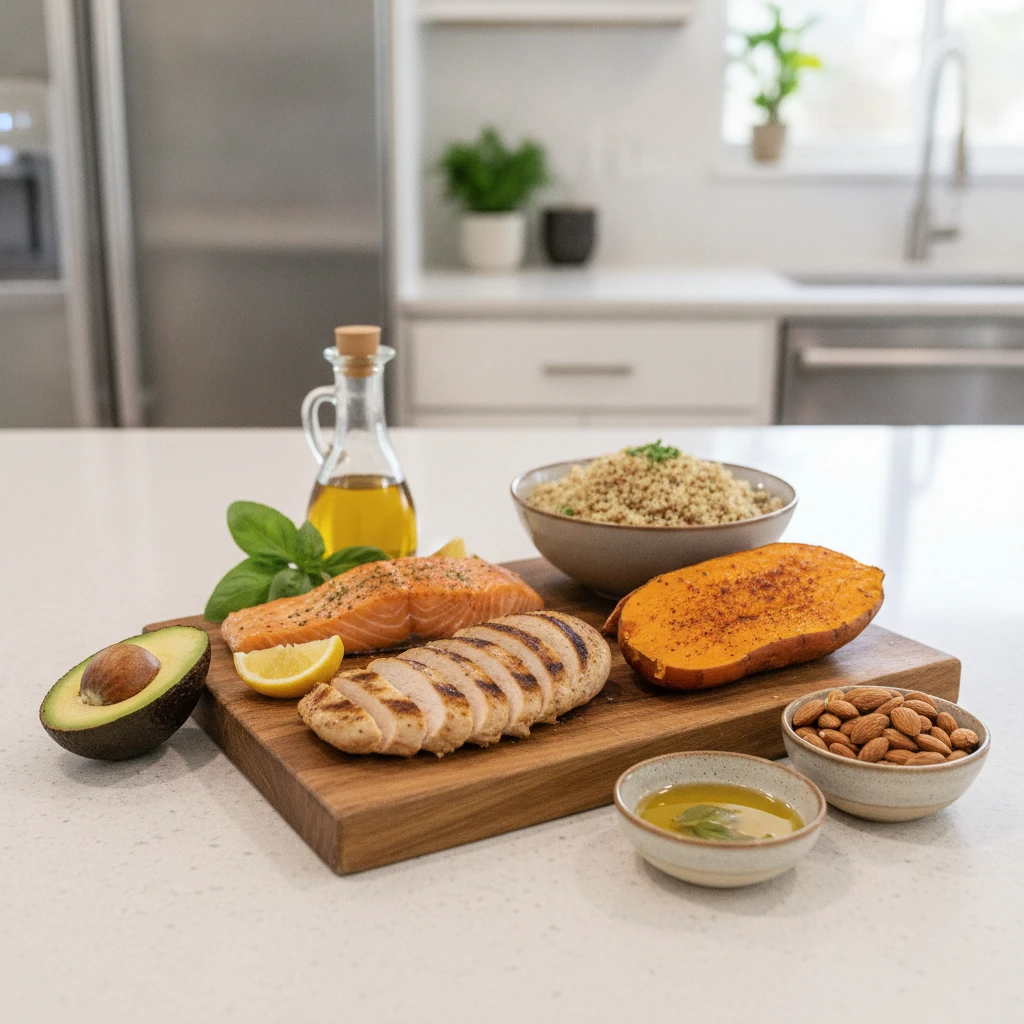
Healthy fats are crucial for hormone production, nutrient absorption, and supporting cognitive function, all of which are vital for demanding professional roles. Far from being a dietary villain, the right types of fats contribute significantly to overall wellness. Focus on monounsaturated and polyunsaturated fats, including omega-3 fatty acids. Sources include avocados, nuts (almonds, walnuts), seeds (chia, flax, pumpkin), olive oil, and fatty fish like salmon and mackerel. These fats help reduce inflammation, which can be a silent contributor to many chronic conditions. A handful of almonds as a snack or a drizzle of extra virgin olive oil on your salad can make a substantial difference. For more insights into how nutrition impacts your overall health, consider learning about understanding metabolic health for long-term adult wellness.
Connecting Nutrition with Stress Management and Sleep Quality
Food Choices That Support Calm and Better Rest
The foods we consume profoundly impact our stress levels and ability to achieve restorative sleep. Certain nutrients play a direct role in regulating neurotransmitters that promote calm. Incorporating foods rich in magnesium, such as leafy greens, nuts, seeds, and whole grains, can help relax the nervous system. Tryptophan, an amino acid found in turkey, chicken, eggs, and dairy, is a precursor to serotonin and melatonin, both crucial for mood and sleep. Omega-3 fatty acids, abundant in fatty fish, also help reduce inflammation and anxiety. Conversely, minimizing highly processed foods, excessive sugar, and artificial additives can prevent blood sugar fluctuations that exacerbate stress and disrupt sleep patterns. Consider a small, balanced evening snack like a banana with almond butter to support natural sleep cycles.
Avoiding Late-Night Eating and Caffeine Overload
Timing your meals and managing stimulant intake are critical for both stress management and sleep quality. Eating heavy meals close to bedtime can interfere with digestion and elevate body temperature, making it harder to fall and stay asleep. Aim to finish your last substantial meal at least two to three hours before sleep. Similarly, caffeine, while offering a temporary boost, has a half-life of several hours, meaning it can linger in your system long after consumption. Limiting caffeine intake, especially in the afternoon and evening, is paramount for undisturbed sleep. Consider switching to herbal teas or water after lunch to avoid accidental stimulation. Chronic sleep deprivation, often linked to poor dietary habits, can heighten stress and impair cognitive function, creating a detrimental cycle for busy professionals.
Implementing Mindful Eating Practices to Reduce Stress
Mindful eating extends beyond what you eat to how you eat, offering a powerful tool for stress reduction. In our fast-paced lives, meals are often rushed or consumed while distracted, preventing our bodies from fully registering satiety and enjoyment. Practice mindful eating by slowing down, savoring each bite, and paying attention to the flavors, textures, and aromas of your food. Eliminate distractions like phones or work emails during meals. This practice not only enhances enjoyment but also improves digestion and helps you recognize your body’s hunger and fullness signals more accurately. When you eat mindfully, you engage your parasympathetic nervous system, the “rest and digest” system, which directly counteracts the “fight or flight” response of stress, fostering a sense of calm and well-being. This mindful approach is a fundamental aspect of overall Allentown’s integrated wellness for lasting adult health.
Personalizing Nutrition for Unique Needs and Goals
Understanding Your Body’s Specific Requirements
Effective nutrition is never a one-size-fits-all approach; it must be deeply personalized to an individual’s unique physiology and lifestyle. Understanding your body’s specific requirements involves considering factors like metabolic rate, activity level, potential food sensitivities, and existing health conditions. A sedentary professional will have different caloric and macronutrient needs than someone engaging in regular strength training. Paying attention to how certain foods make you feel – energy levels, digestion, mood – can provide valuable insights. Consulting with a nutrition expert can help identify your unique metabolic profile and develop a tailored plan, perhaps even incorporating tools like guidance from authoritative health organizations on dietary guidelines. This ensures that your nutritional strategy is optimally aligned with your internal biological processes and supports your specific health objectives, whether they involve weight management, increased energy, or improved athletic performance.
Adapting Strategies for Varying Work Schedules and Travel
Busy professionals often contend with irregular work schedules, late meetings, and frequent travel, all of which can disrupt consistent healthy eating habits. Adapting your nutrition strategies is key to success. For unpredictable schedules, meal prepping on weekends can be a game-changer, ensuring healthy, pre-portioned meals are readily available. Pack portable, non-perishable snacks like nuts, seeds, protein bars, or fruit to avoid relying on unhealthy airport or vending machine options. When traveling, research healthy restaurants near your accommodation and prioritize meals with lean protein and vegetables. Hydration is also paramount during travel; carry a reusable water bottle. Being proactive about packing your own healthy food and drinks can significantly reduce the temptation to make poor choices when time is short or options are limited, safeguarding your nutritional progress.
Recognizing the Impact of Age, Activity, and Metabolic Health
As individuals age, nutritional requirements evolve. For adults aged 30-65, maintaining muscle mass becomes increasingly important, necessitating adequate protein intake, alongside regular strength training. Activity levels directly dictate caloric needs and macronutrient distribution; a highly active individual will require more energy and potentially more protein and carbohydrates than someone with a desk-bound job. Furthermore, metabolic health plays a crucial role. Conditions like insulin resistance or pre-diabetes require specific dietary adjustments, often focusing on lower glycemic index foods and balanced macronutrient ratios to manage blood sugar effectively. Regular body composition analysis can provide objective data on muscle mass and body fat, guiding personalized nutritional adjustments. For those aiming to improve their metabolic health, tailored nutrition is a core component, often complemented by proactive metabolic health strategies for adults over 40. Recognizing these individual factors allows for a truly customized approach that supports long-term health and vitality.
Integrating Nutrition with an Active Lifestyle in Allentown
For busy professionals in Allentown, integrating sound nutrition with an active lifestyle is paramount for sustaining energy, enhancing performance, and promoting long-term health. The demands of a professional career often make consistent, healthy choices challenging, yet a strategic approach to diet can significantly amplify the benefits of physical activity. Understanding how to fuel your body correctly, particularly around exercise, is a foundational element for achieving optimal well-being and managing the physical stresses of a demanding schedule. This synergy allows for greater resilience, improved recovery, and a more robust physique, directly supporting both professional and personal aspirations.
Fueling Effectively for Pre- and Post-Workout Sessions
Effective pre- and post-workout nutrition is crucial for maximizing exercise benefits and accelerating recovery. Before a workout, focus on consuming easily digestible carbohydrates to provide immediate energy, coupled with a small amount of protein to prevent muscle breakdown. An example might be a banana with a tablespoon of almond butter approximately 30-60 minutes before training. Hydration is equally critical; ensure adequate water intake throughout the day and around your sessions. A common pitfall is skipping pre-workout fuel, leading to reduced performance and fatigue, or consuming heavy, fatty meals that cause digestive discomfort. Post-workout, the objective shifts to replenishing glycogen stores and repairing muscle tissue. A meal or snack rich in lean protein (20-40g) and complex carbohydrates within 60-90 minutes is ideal. Think grilled chicken with sweet potato or a protein shake with fruit. This strategic nutrient timing helps to optimize muscle protein synthesis and prepares your body for the next challenge.
Benefits of Combining Smart Nutrition with Strength Training
The combination of smart nutrition and consistent strength training yields profound benefits for adults aged 30-65, especially busy professionals. Beyond aesthetics, this synergy significantly improves metabolic health, enhances bone density, and supports lean muscle mass preservation, which naturally declines with age. Proper protein intake, for instance, is critical for muscle repair and growth, making your strength training efforts far more effective. When you fuel your body with nutrient-dense foods, you provide the building blocks necessary for adaptation and recovery, leading to increased strength, improved body composition, and enhanced overall functional fitness. This integrated approach also contributes to better blood sugar regulation and reduced risk of chronic diseases, offering a holistic pathway to sustained vitality and preventing age-related decline. For those looking to manage their weight effectively, combining regular resistance exercise with tailored nutritional strategies is a superior and more sustainable approach than diet alone.
Leveraging Local Opportunities for Physical Activity
Allentown and the surrounding Lehigh Valley offer numerous opportunities for busy professionals to integrate physical activity into their routines, which can be further optimized with smart nutrition. Whether it’s utilizing local parks for brisk walks, joining community fitness groups, or engaging in personalized training at facilities like Forward Thinking Fitness, the key is consistency. For example, a morning power walk around the Allentown Rose Garden or a lunch-break session at a local gym can be effectively supported by a well-planned breakfast or a nutritious, portable snack. The pitfall often lies in underestimating the caloric and nutrient needs associated with increased activity or failing to plan meals around a changing schedule. By proactively scheduling both exercise and meal preparation, busy individuals can ensure they have the energy for their chosen activities and proper recovery afterwards. This local integration of movement and nutrition creates a powerful foundation for an active, healthy life right here in Allentown.
Expert Nutrition Coaching: A Game-Changer for Busy Professionals
For busy professionals navigating demanding careers and personal commitments, achieving optimal nutrition can feel overwhelming. Expert nutrition coaching transcends generic diet advice, offering a personalized and strategic approach that serves as a true game-changer. Rather than prescribing one-size-fits-all solutions, a qualified nutrition coach understands the unique challenges of a professional lifestyle—time constraints, frequent travel, and stress—and develops strategies that are not only effective but also sustainable. This targeted guidance is invaluable for breaking through plateaus, addressing specific health goals like improved metabolic health or sustainable weight loss, and fostering a deeper understanding of food choices. The right coaching provides clarity and direction, turning nutritional complexity into actionable steps that integrate seamlessly into a busy schedule.
Developing Tailored Plans for Sustainable Results
One of the most significant advantages of expert nutrition coaching is the development of truly tailored plans. Unlike restrictive fad diets that are difficult to maintain, a coach assesses individual needs, dietary preferences, health status, and lifestyle patterns to craft a program that fits seamlessly. This customization accounts for factors such as work schedules, travel frequency, family commitments, and even stress levels, which all impact nutritional adherence. The process involves setting realistic, achievable goals, identifying potential obstacles, and developing practical strategies to overcome them. For instance, a professional who travels frequently might receive strategies for healthy eating on the road, while someone with limited cooking time might get meal prep solutions. This personalized approach not only drives immediate results but, more importantly, fosters sustainable habits that support long-term wellness and prevent the cycle of yo-yo dieting. It’s about education and empowerment, not just restriction.
Leveraging Accountability and Support for Lasting Change
Sustainable nutritional change for busy professionals often hinges on consistent accountability and unwavering support. An expert nutrition coach provides this vital framework, acting as a dedicated partner in your wellness journey. Regular check-ins, progress tracking, and constructive feedback help maintain momentum and address challenges proactively. It’s easy to fall off track when facing stress or unexpected events, but having a coach to report to creates a powerful incentive to stay committed. Furthermore, coaching offers emotional support and encouragement, helping individuals navigate setbacks without feeling defeated. This consistent guidance ensures that you not only understand what to do but also possess the resilience and motivation to actually do it, transforming temporary fixes into permanent lifestyle improvements. This proactive support system is a cornerstone for lasting adult health and sustained dietary adherence.
How Forward Thinking Fitness Supports Your Nutrition Journey
At Forward Thinking Fitness in Allentown, we understand that nutrition is not a separate entity from physical fitness; it’s an integral component of overall well-being. Our expert nutrition coaching services are designed specifically for busy professionals aged 30-65, providing the comprehensive support needed to achieve and maintain health goals. We utilize a data-driven approach, often incorporating body composition analysis, to create highly personalized nutrition plans that complement your training and lifestyle. Our coaches focus on practical, sustainable strategies, offering guidance on everything from meal planning and healthy snacking to mindful eating and hydration. We emphasize education, empowering you to make informed food choices that support your energy levels, performance, and long-term health. By combining personalized training with expert nutrition coaching, we provide an integrated wellness solution that makes healthy living achievable even with the most demanding schedules.
Mastering smart nutrition strategies is indispensable for busy professionals in Allentown seeking to optimize their active lifestyles and achieve lasting wellness. Whether through effective pre- and post-workout fueling, combining nutrition with strength training, or leveraging expert coaching for tailored plans and accountability, these approaches empower individuals to take control of their health amidst a demanding world. Prioritizing intelligent food choices alongside consistent physical activity lays a robust foundation for enhanced energy, improved performance, and a healthier future.