

In today’s fast-paced world, adults aged 30-65 often find themselves juggling demanding careers, family responsibilities, and personal commitments. This relentless pace can take a significant toll on physical and mental well-being, leading to chronic fatigue, impaired recovery, and a general decline in overall wellness. While traditional approaches like diet and exercise are fundamental, many are now exploring advanced strategies to optimize their health.
Peptide therapy represents a promising avenue for those seeking enhanced adult recovery and wellness. By understanding how these naturally occurring compounds interact with the body, individuals can make informed decisions about supporting their cellular function, improving tissue repair, and fostering a more resilient state of health. This guide delves into the specifics of peptide therapy, offering a clear, professional overview for adults navigating the complexities of modern life.
Navigating Adult Recovery and Wellness Challenges
The Common Demands on Adults Aged 30-65
The middle decades of adulthood are characterized by a unique confluence of demands that profoundly impact recovery and wellness. Professionally, individuals are often at the peak of their careers, facing intense deadlines, long hours, and significant responsibility. Domestically, they may be raising families, caring for aging parents, or managing complex household logistics, all of which contribute to chronic stress. This multifaceted pressure cooker environment frequently leads to a state of sustained physical and mental strain, impacting everything from sleep quality to immune function. Physically, adults in this age bracket commonly experience a gradual decline in

Signs Your Body Needs Enhanced Support
Identifying the subtle and overt signals your body sends is crucial for maintaining optimal health in adulthood. Beyond the obvious, chronic fatigue, often described as an unshakeable tiredness not relieved by rest, is a primary indicator. Poor sleep quality, characterized by difficulty falling or staying asleep, or waking unrefreshed, further compounds this fatigue. Recovery times from physical activity might extend noticeably; what once took a day now takes several, indicating that your body’s repair mechanisms are struggling. Persistent, unexplained aches in joints or muscles, unexpected fluctuations in weight despite consistent lifestyle habits, and a general feeling of reduced
Understanding Peptide Therapy: A Foundation for Health
What Are Peptides and How Do They Work?
Peptides are short chains of amino acids, the fundamental building blocks of proteins, typically consisting of 2 to 50 amino acids linked together. Unlike full proteins, their smaller size allows them to act as highly specific signaling molecules within the body. Essentially, peptides function as biological messengers, regulating a vast array of cellular processes that are vital for health, including inflammation, immune response, tissue repair, and hormone secretion. They work by binding to specific receptors on cell surfaces, much like a key fits into a lock, which then triggers a cascade of intracellular events. These events can influence gene expression, accelerate healing, modulate metabolic pathways, or stimulate the release of other essential compounds like growth hormone.
The mechanism of action for peptides is often precise and targeted, making them distinct from broader-acting medications. For instance, some peptides might specifically promote collagen synthesis for skin health, while others could enhance gut barrier integrity or stimulate fat metabolism. Their ability to communicate precise instructions to cells underscores their potential for therapeutic applications. They are naturally occurring in the human body and are involved in virtually every physiological process. Understanding their fundamental role as cellular regulators is key to appreciating their emerging role in enhanced adult recovery and wellness. This foundational knowledge helps in recognizing their unique contribution to optimizing bodily functions.
Distinguishing Peptides from Hormones
While both peptides and hormones play critical roles as signaling molecules in the body, there are fundamental differences that distinguish them. Hormones are typically larger, more complex molecules with broader, systemic effects, often traveling through the bloodstream to impact distant target organs. They tend to have longer half-lives, meaning they remain active in the body for extended periods, and their actions are more generalized. For example, insulin is a hormone that regulates blood sugar levels throughout the entire body, and its dysregulation can lead to widespread metabolic issues. Peptides, on the other hand, are generally smaller, have more specific and localized actions, and often exhibit shorter half-lives.
Peptides often act as precursors, regulators, or modulators of hormone activity, rather than direct hormones themselves. They can stimulate the release of hormones or influence their receptors, providing a more nuanced control mechanism. A common pitfall is confusing peptides with hormones or even thinking they are “designer steroids.” This misunderstanding can lead to inappropriate expectations or concerns about their use. It is crucial to understand that peptides typically aim to restore or optimize natural physiological processes rather than introducing synthetic, supraphysiological levels of substances. Their function is more about encouraging the body to operate at its best through natural signaling. Consulting a qualified healthcare professional is an actionable step to ensure appropriate use and differentiate their distinct roles in a health regimen.
Key Peptides Supporting Physical Recovery
Targeting Tissue Repair and Inflammation with Specific Peptides
For adults experiencing injuries, chronic pain, or slow recovery from physical exertion, specific peptides offer targeted support for tissue repair and inflammation management. Two prominent examples include BPC-157 (Body Protection Compound) and TB-500 (Thymosin Beta-4 fragment). BPC-157 is a synthetically produced peptide derived from a gastric protein that has demonstrated remarkable regenerative capabilities across various tissues. It is known for accelerating the healing of muscles, tendons, ligaments, and bones, while also exhibiting potent anti-inflammatory and gastroprotective effects. This makes it particularly beneficial for individuals recovering from athletic injuries or those with conditions involving chronic inflammation. TB-500, a synthetic version of the naturally occurring protein Thymosin Beta-4, supports tissue repair by promoting cell migration, angiogenesis (new blood vessel formation), and reducing inflammatory responses.
Decision criteria for considering these peptides often include persistent pain from a past injury, slow healing after surgery, or chronic inflammatory conditions that impede daily function. For instance, if traditional therapies have yielded limited results, or if recovery from intense workouts remains prolonged, these peptides may be explored under professional guidance. A common pitfall is attempting self-administration or relying on incorrect dosing protocols, which can negate potential benefits or lead to unintended effects. The actionable step is always to seek consultation from a healthcare provider experienced in peptide therapy to ensure proper assessment, dosage, and monitoring. Example: After a rotator cuff strain from heavy lifting, John, 52, found BPC-157, under clinical supervision, helped accelerate his recovery compared to previous injuries, allowing him to return to his
Optimizing Muscle Recovery and Joint Health
Beyond direct injury repair, several peptides are utilized to optimize overall muscle recovery and enhance joint health, primarily by stimulating the body’s natural production of growth hormone (GH). Peptides like GHRP-2, GHRP-6, Ipamorelin, and Sermorelin are Growth Hormone-Releasing Peptides (GHRPs) that work by signaling the pituitary gland to increase its pulsatile release of endogenous growth hormone. Unlike synthetic growth hormone, these peptides encourage the body to produce its own, mimicking natural physiological processes.
The benefits of optimized growth hormone levels for adults include enhanced muscle protein synthesis, leading to improved muscle repair and growth, and significantly reduced recovery time between workouts. Furthermore, GH plays a crucial role in collagen synthesis, which is vital for maintaining the integrity and health of connective tissues, including tendons, ligaments, and cartilage. This indirectly contributes to improved joint health and resilience against wear and tear. Decision criteria for considering these peptides involve persistent muscle soreness, plateaued strength gains despite consistent training, or discomfort in joints that impacts physical activity. A pitfall is expecting instantaneous or miraculous results without integrating these therapies with foundational practices. The actionable step is to combine peptide therapy with a comprehensive approach, including nutrition strategies for busy professionals. This holistic strategy ensures that the body receives all necessary components for optimal recovery and long-term joint support.
Peptides for Broader Wellness and Healthy Aging
Enhancing Sleep Quality and Energy Levels
Beyond physical recovery, peptides also offer significant potential for improving broader aspects of adult wellness, particularly in the realm of sleep quality and energy levels. Many adults struggle with chronic insomnia, disrupted sleep patterns, or persistent low energy, which can severely impact their daily function and overall health. Peptides like DSIP (Delta Sleep-Inducing Peptide) and Epitalon are being explored for their roles in regulating these crucial biological processes. DSIP, a naturally occurring neuropeptide, is believed to promote natural sleep cycles and reduce stress, helping the body achieve deeper, more restorative sleep without the grogginess often associated with traditional sleep aids. Epitalon, a synthetic peptide, is linked to pineal gland function and the regulation of the body’s circadian rhythm, potentially improving sleep patterns and exhibiting anti-aging properties by influencing telomerase activity.
Decision criteria for exploring these peptides might include persistent difficulty falling asleep, frequent nighttime awakenings, a lack of deep sleep despite sufficient time in bed, or chronic daytime fatigue unrelated to physical exertion. A significant pitfall is viewing peptides as a standalone solution without addressing underlying lifestyle factors such as poor sleep hygiene, excessive screen time before bed, or unmanaged chronic stress. The actionable steps involve integrating peptide therapy with a holistic approach: establishing a consistent sleep schedule, optimizing your sleep environment, practicing stress-reduction techniques, and maintaining a balanced lifestyle. These combined efforts create a synergistic effect, maximizing the benefits of peptide support for profound improvements in restorative sleep and sustained energy.
Supporting Metabolic Balance and Cognitive Function
As adults age, maintaining metabolic balance and sharp cognitive function becomes increasingly vital. Peptides offer exciting avenues for supporting these critical aspects of wellness. MOTS-c (Mitochondrial-derived peptide), for instance, has gained attention for its role in cellular metabolism. It acts on mitochondria to improve insulin sensitivity, enhance glucose utilization, and boost overall metabolic health, effectively mimicking some of the metabolic benefits of exercise. This makes it particularly relevant for individuals concerned with metabolic syndrome or those seeking to optimize their body’s energy production efficiency. For cognitive function, peptides like Semax, a synthetic peptide based on a fragment of adrenocorticotropic hormone (ACTH), are known for their neuroprotective and nootropic properties.
Semax has been studied for its potential to improve cognitive processes, including memory, attention, and focus, and to reduce mental fatigue. It may also offer neuroprotective benefits, safeguarding brain cells against damage. Decision criteria for considering these peptides would include concerns about insulin resistance, unexplained weight gain, chronic “brain fog,” or a desire to proactively support long-term cognitive vitality. A pitfall to avoid is sourcing peptides from unregulated or unverified channels, which can lead to product impurity or lack of efficacy. The actionable step is to seek guidance from a medical professional, and to integrate these therapies with other evidence-based practices such as proactive metabolic health strategies, regular physical activity, and mentally stimulating activities. This comprehensive approach provides robust support for both metabolic resilience and cognitive sharpness, contributing significantly to healthy aging.
Evidence, Safety, and Regulatory Considerations for Peptide Use
Current Research and Established Benefits
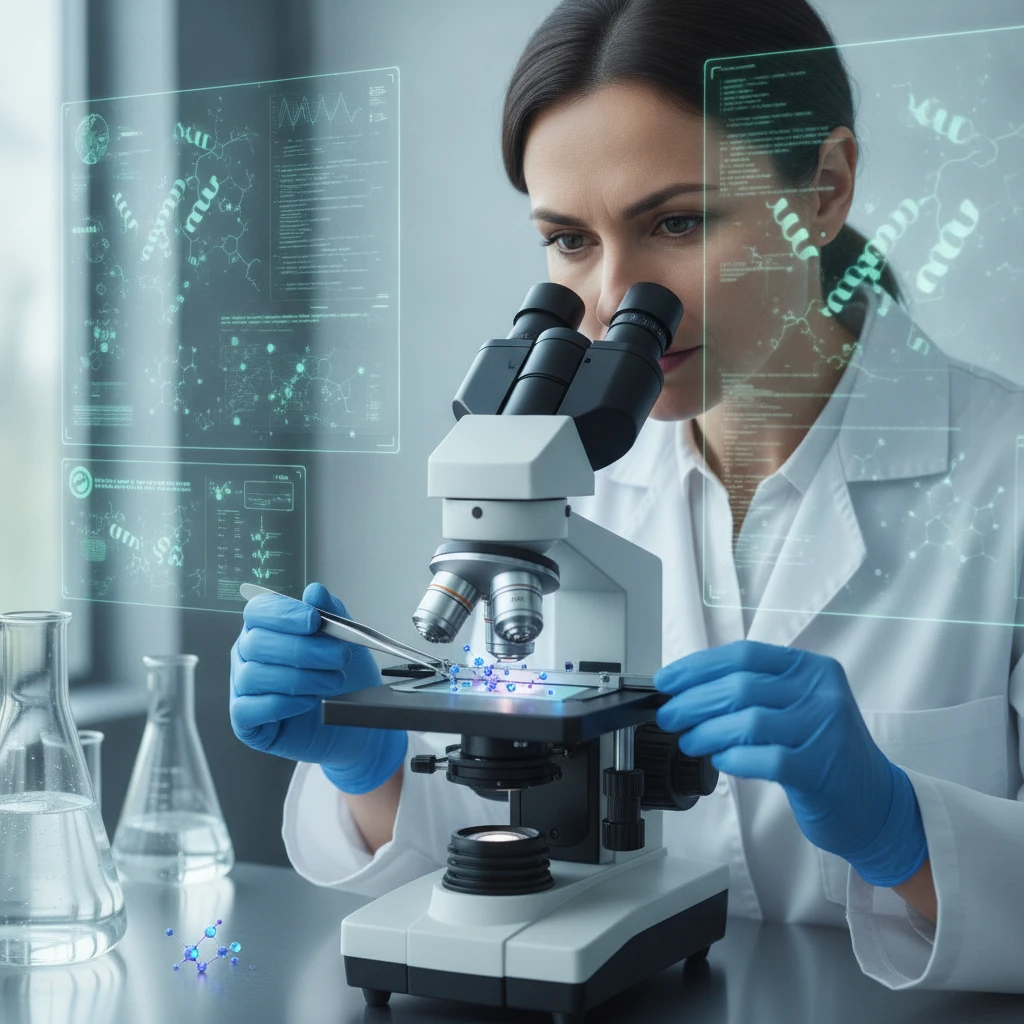
Peptide therapy for adults aged 30-65 is supported by a growing body of scientific research, highlighting its potential in areas like recovery, metabolic health, and general wellness. While some peptides have extensive clinical data, others are still considered emerging in their full therapeutic applications. For instance, peptides such as BPC-157 are frequently investigated for their regenerative properties, particularly concerning tissue repair and gut health, which can be crucial for active adults dealing with injuries or digestive issues. Similarly, secretagogues like CJC-1295 with Ipamorelin are studied for their ability to stimulate natural growth hormone release, potentially aiding in improved body composition, enhanced recovery from exercise, and better sleep quality. It is vital to differentiate between preliminary findings and established clinical efficacy, always prioritizing treatments backed by peer-reviewed studies and administered under expert guidance. The application of peptides within a medical fitness context focuses on optimizing the body’s natural functions rather than introducing synthetic hormones.
Understanding Safety Protocols and Professional Oversight
Ensuring safety in peptide therapy hinges on stringent protocols and professional medical oversight. Before commencing any peptide regimen, a thorough medical evaluation, including comprehensive lab work, is essential to assess individual health status, identify potential contraindications, and establish baseline markers. This approach minimizes risks and helps tailor a truly personalized protocol. Administration methods, typically subcutaneous injections, require careful instruction to ensure proper technique and sterility, reducing the chance of local adverse reactions. Qualified healthcare professionals monitor progress, adjusting dosages or peptides as needed based on patient response and follow-up lab results. At Forward Thinking Fitness, we emphasize the collaborative effort between our wellness coaches and trusted medical partners to ensure every aspect of your peptide journey is safe, effective, and ethically sound.
Navigating the Regulatory Landscape (FDA, Compounding Pharmacies)
The regulatory landscape for peptides is complex and requires careful navigation. In the United States, the Food and Drug Administration (FDA) has approved a limited number of peptides for specific medical conditions, often as branded pharmaceuticals. However, many peptides used in wellness and anti-aging contexts are not FDA-approved as drugs but are legally compounded by licensed compounding pharmacies based on a doctor’s prescription. These pharmacies adhere to strict quality control and safety standards, providing personalized medications that are not commercially available. It is crucial to obtain peptides only from reputable, licensed compounding pharmacies to guarantee purity, potency, and sterility. Avoiding unregulated online sources or “black market” peptides is paramount, as these can contain contaminants, incorrect dosages, or entirely different substances, posing significant health risks. Understanding this framework ensures you receive high-quality, legally obtained compounds for your therapeutic needs.
Integrating Peptide Therapy into a Holistic Wellness Strategy
Complementing Personalized Nutrition and Exercise Programs
Peptide therapy is most effective when integrated into a comprehensive, holistic wellness strategy, rather than viewed as a standalone solution. For adults in Allentown and beyond, this means combining peptide protocols with exercise programs. Peptides can amplify the benefits of these foundational lifestyle interventions, for example, by enhancing muscle protein synthesis, improving fat metabolism, or accelerating recovery from intense workouts. A well-designed nutrition plan provides the essential building blocks and energy, while consistent strength and mobility training stimulates the physiological pathways that peptides aim to optimize. Without these complementary efforts, the full potential of peptide therapy may not be realized. Our approach focuses on creating synergy, where each component supports and enhances the others for superior, sustainable results in strength, body composition, and overall vitality.
The Role of Body Composition Analysis in Treatment Planning
Body composition analysis (BCA) is an indispensable tool in effectively integrating peptide therapy and customizing treatment plans. Unlike simple scale weight, BCA provides a detailed breakdown of lean muscle mass, fat mass, and bone mineral density, offering a more accurate picture of an individual’s health status and progress. Technologies like DEXA scans provide highly precise data that informs peptide selection and dosage, helping practitioners tailor protocols to specific goals, whether it’s reducing visceral fat, increasing muscle mass, or improving bone density. For example, if BCA reveals low lean muscle mass and higher body fat, peptides aimed at growth hormone release might be considered alongside resistance training. Regular BCA measurements allow for objective tracking of treatment efficacy, enabling precise adjustments to both peptide protocols and lifestyle recommendations, ensuring decisions are always data-driven and goal-oriented. This precise monitoring moves beyond subjective feelings, providing concrete evidence of physiological change.
Your Personalized Peptide Therapy Journey at Forward Thinking Fitness
Initial Consultation and Comprehensive Assessment
Embarking on a peptide therapy journey at Forward Thinking Fitness begins with a thorough and personalized initial consultation. This critical first step involves an in-depth review of your medical history, current lifestyle, fitness goals, and any specific health concerns. We discuss your past experiences with diet, exercise, and supplements to understand your unique physiological landscape. Beyond the verbal consultation, comprehensive assessments typically include advanced laboratory testing, such as hormone panels, metabolic markers, and nutrient deficiencies, to establish a detailed baseline. This holistic evaluation ensures that peptide therapy is not only appropriate for your individual needs but also integrates seamlessly with your existing health profile, laying the groundwork for a truly customized and effective protocol aimed at enhancing your adult recovery and wellness goals.
Customized Protocols and Ongoing Monitoring
Following your comprehensive assessment, a highly customized peptide protocol is developed in collaboration with our medical partners. This protocol details the specific peptides recommended, precise dosages, administration methods (e.g., subcutaneous injections, nasal sprays), and the frequency of use. We provide clear, step-by-step guidance on how to safely administer your peptides and integrate them into your daily routine. The journey doesn’t end there; ongoing monitoring and support are cornerstones of our approach. Regular check-ins, follow-up lab work, and progress tracking – often incorporating repeat body composition analysis – ensure that the therapy remains aligned with your evolving goals and physiological responses. Adjustments to your protocol are made as needed, guaranteeing an adaptive and responsive strategy that maximizes efficacy and safety throughout your entire personalized peptide therapy journey at Forward Thinking Fitness.
Common Questions About Peptide Therapy for Adults
What to Expect During Treatment
When starting peptide therapy, adults typically wonder about the immediate experience. Most peptides are administered via small, subcutaneous injections, similar to insulin, often in the abdominal area. These injections are usually well-tolerated, with minimal discomfort. Depending on the peptide, you might notice subtle shifts in energy levels, sleep patterns, or appetite relatively early on. It’s crucial to understand that peptide therapy is not a “quick fix”; it works by subtly enhancing your body’s natural processes. You will receive detailed instructions on proper storage, preparation, and administration, ensuring confidence and safety. Maintaining open communication with your Forward Thinking Fitness coach and medical team is vital to discuss any observed changes or concerns, ensuring a smooth and well-supported experience throughout your treatment.
Potential Side Effects and Management
While generally well-tolerated, some individuals may experience minor side effects during peptide therapy. The most common adverse reactions are typically localized to the injection site, including mild redness, itching, or a small bruise, which usually resolve quickly. Less frequently, individuals might report temporary fatigue, headache, or mild nausea, especially during the initial phases as the body adjusts. More significant side effects are rare when peptides are sourced from reputable compounding pharmacies and administered under professional guidance. Our team provides comprehensive education on potential side effects and strategies for managing them effectively. Should you experience any persistent or concerning symptoms, immediate communication with your medical practitioner is essential. We prioritize your comfort and safety, ensuring that any side effects are promptly addressed and managed to maintain your well-being throughout the therapy.
How Long Until Results Are Noticeable?
The timeline for noticing results from peptide therapy varies significantly depending on the specific peptide used, the individual’s unique physiology, consistency of adherence to the protocol, and the overall lifestyle factors like nutrition and exercise. For some benefits, such as improved sleep quality or enhanced recovery from exercise, changes might be observed within a few weeks. For more profound effects, such as improvements in body composition (e.g., increased lean muscle mass or reduced body fat) or significant tissue repair, results typically become noticeable over 8 to 12 weeks, with optimal outcomes often seen after several months of consistent use. It’s important to set realistic expectations and understand that peptide therapy is a process that complements, rather than replaces, a healthy lifestyle. Regular monitoring through objective measures like body composition analysis and lab tests, alongside subjective feedback, helps track progress and validates the effectiveness of your long-term wellness investment.
Begin Your Path to Enhanced Recovery and Wellness in Allentown, PA
Embarking on a journey towards enhanced recovery and overall wellness involves making informed choices, especially when considering advanced modalities like peptide therapy. For adults in Allentown, PA, Forward Thinking Fitness offers a structured and supportive environment to explore these possibilities. Our approach is rooted in understanding your unique physiological needs and personal aspirations. We emphasize a comprehensive strategy that integrates targeted recovery techniques with broader wellness principles, ensuring any therapeutic interventions complement your existing health regimen and fitness goals. The initial step always involves a thorough assessment to establish a baseline of your current health and recovery needs, guiding your personalized wellness plan.
Scheduling a Consultation with Our Expert Team
Taking the first step is simple: schedule a consultation with our experienced team at Forward Thinking Fitness. This initial meeting is crucial for understanding your complete health profile, lifestyle, and specific recovery objectives. We will discuss your medical history, current fitness routines, and any challenges related to energy, sleep, or physical performance. Prepare any relevant medical records or questions to maximize this session. Our experts will explain how peptide therapy integrates into a customized fitness coaching and nutrition services. This collaborative approach ensures your path to enhanced wellness is both informed and strategically planned.
Our Commitment to Evidence-Based, Client-Centered Care
At Forward Thinking Fitness, our commitment is unwavering: to provide care that is both evidence-based and profoundly client-centered. Every recommendation, from personalized training to peptide therapy considerations, is grounded in current scientific research and tailored to your individual physiology. We prioritize your safety and well-being, working collaboratively with qualified medical professionals to ensure appropriate and monitored protocols. Our team continuously updates its knowledge, drawing from reputable sources like the National Institutes of Health to ensure practices reflect the latest understanding in health and recovery science. This dedication extends to ongoing support and flexible adjustments to your plan. We empower our Allentown clients with the knowledge and tools for sustainable improvements, fostering long-term proactive wellness.
Embark on your journey to optimized health and vitality in Allentown, PA. Our personalized approach to recovery and wellness, including tailored peptide therapy when indicated, is designed to support your unique goals for a stronger, more vibrant future. We look forward to partnering with you.