

The pursuit of weight loss often leads individuals down a path of restrictive diets and quick fixes, promising rapid results that rarely last. Many find themselves caught in a cycle of losing and regaining weight, leading to frustration and disillusionment with their health journey. This common experience underscores a fundamental misunderstanding: sustainable weight loss is not merely about adherence to a temporary diet, but about cultivating a lasting lifestyle transformation.
True, enduring change stems from adopting holistic habits that nourish both body and mind. It’s about shifting focus from short-term numbers on a scale to long-term well-being, energy, and strength. Embracing this perspective can liberate you from the diet dilemma and empower you to build a foundation for health that thrives well into the future.
The Diet Dilemma: Why Short-Term Fixes Rarely Last
The “Lose Weight Fast” Trap
The allure of shedding pounds quickly is powerful, driven by countless advertisements and social media trends promising immediate transformations. These “lose weight fast” schemes often involve severely restricting calories, eliminating entire food groups, or relying on specialized products. While they might yield initial weight loss, this is frequently due to water loss and depleted glycogen stores, not significant fat reduction. The primary pitfall is their inherent unsustainability; such extreme measures are difficult, if not impossible, to maintain long-term. Physically, the body perceives drastic calorie cuts as starvation, slowing metabolism and increasing hunger hormones, making compliance challenging. Psychologically, constant deprivation can lead to intense cravings, feelings of failure, and an unhealthy relationship with food.
Understanding the Yo-Yo Effect
The “yo-yo effect,” or weight cycling, is a common consequence of short-term dieting. After a period of restriction and initial weight loss, individuals often revert to previous eating patterns, leading to weight regain—frequently exceeding the original starting weight. This cycle is detrimental to both physical and mental health. Physiologically, rapid weight loss often includes a significant loss of muscle mass, which is metabolically active tissue. When weight is regained, it tends to be more fat than muscle, further slowing metabolism. This makes subsequent weight loss attempts even harder. Emotionally, the yo-yo effect can erode self-efficacy and confidence, fostering a sense of hopelessness and frustration. Breaking this cycle requires a fundamental shift away from temporary fixes towards sustainable, habit-based changes that prioritize consistency over speed.
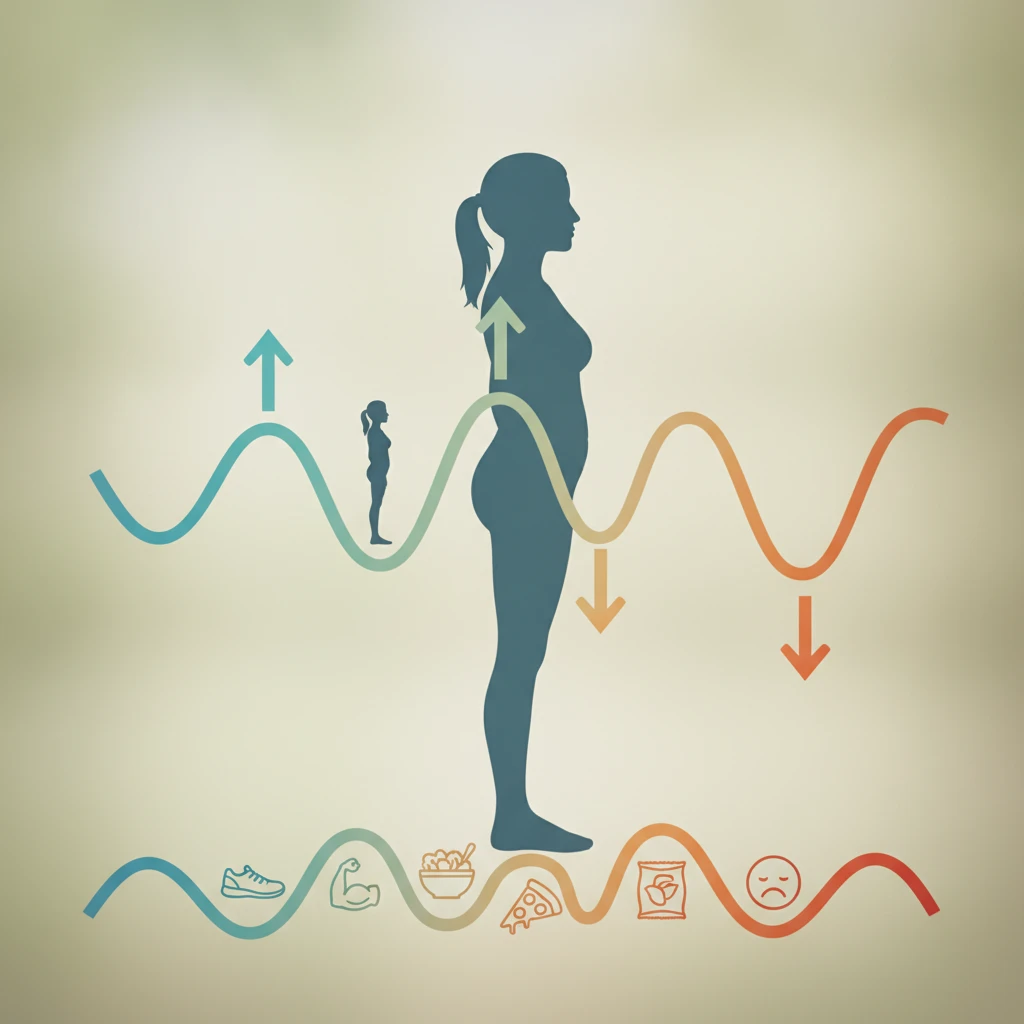
Understanding True Sustainable Weight Loss
Defining Long-Term Health Over Short-Term Numbers
Sustainable weight loss transcends the singular focus on the number displayed on a scale. It redefines success by emphasizing comprehensive long-term health and well-being. This perspective encourages evaluating progress through improved energy levels, better sleep quality, enhanced mood stability, increased strength, and a healthier relationship with food. Instead of obsessing over daily weight fluctuations, consider markers like stable blood sugar, reduced inflammation, and improved cardiovascular fitness. Understanding your body composition—the ratio of fat to muscle—provides a much more accurate picture of progress than weight alone. This patient, holistic approach recognizes that true health is a marathon, not a sprint, and celebrates the journey of gradual, consistent improvements that contribute to a vibrant, functional life.
The Difference Between Habits and Rules
The distinction between habits and rules is central to understanding sustainable weight loss. Diets typically impose a strict set of “rules” – what to eat, when to eat, and what to avoid. These rules are often prescriptive, rigid, and temporary, designed for a defined period of restriction. In contrast, a lifestyle approach focuses on building sustainable “habits” – routines and practices that are integrated into daily life and maintained effortlessly. Habits are flexible, adaptable, and become second nature, like choosing whole foods regularly or incorporating daily movement. For example, instead of a rule like “no carbs,” a habit might be “prioritize complex carbohydrates and fiber at every meal.” This shift from externally imposed restrictions to internally motivated, consistent actions is critical for lasting change, fostering autonomy and reducing the likelihood of reversion.
Fueling Your Body: A Lifestyle Nutrition Approach
Mindful Eating Strategies for Lasting Change
Mindful eating is a powerful strategy that shifts the focus from what you eat to how you eat. It involves paying full attention to the experience of eating, noticing hunger and fullness cues, savoring flavors, and being present without judgment. Practical steps include eating slowly, chewing thoroughly, and eliminating distractions like screens. Before a meal, take a moment to assess your hunger on a scale of 1 to 10. During the meal, pause periodically and check in with your body to recognize signs of satiety before you become uncomfortably full. This practice helps cultivate a healthier, more intuitive relationship with food, preventing overeating and fostering a deeper appreciation for nourishment. It’s about making conscious choices rather than reacting to external cues or emotional triggers.
Building a Balanced Plate, Not a Restrictive Menu
Instead of focusing on what to eliminate, a lifestyle nutrition approach centers on building a truly balanced plate that fuels your body optimally. This means prioritizing a variety of nutrient-dense foods from all food groups. Aim to include a source of lean protein (chicken, fish, legumes, tofu), plenty of non-starchy vegetables for fiber and micronutrients, healthy fats (avocado, nuts, seeds, olive oil), and complex carbohydrates (whole grains, sweet potatoes) at each meal. This balance provides sustained energy, promotes satiety, and supports overall health without the feelings of deprivation associated with restrictive diets. For example, a balanced lunch might be grilled salmon with a large serving of mixed greens and quinoa, rather than a tiny, unsatisfying salad. The goal is nourishment and satisfaction, not restriction.
The Role of Hydration and Whole Foods
Two foundational pillars of lifestyle nutrition are adequate hydration and a focus on whole foods. Water is essential for virtually every bodily function, including metabolism, nutrient transport, and temperature regulation. Staying well-hydrated can also aid satiety, sometimes preventing unnecessary snacking when thirst is mistaken for hunger. Aim for consistent water intake throughout the day. Concurrently, prioritizing whole, unprocessed foods forms the backbone of a healthy eating pattern. These foods—fruits, vegetables, lean proteins, whole grains—retain their natural fiber, vitamins, and minerals, offering superior nutritional value compared to highly processed alternatives. By choosing items closest to their natural state, you naturally reduce your intake of added sugars, unhealthy fats, and artificial ingredients, supporting optimal bodily function and sustainable weight management without counting every calorie. The World Health Organization provides valuable resources on healthy diets to promote overall well-being at who.int.

Movement as Medicine: Integrating Activity Joyfully
Beyond the Treadmill: Finding Your Movement Style
Integrating physical activity joyfully is paramount for a sustainable healthy lifestyle. For many adults in the Lehigh Valley, the idea of “exercise” conjures images of monotonous treadmill sessions, which can quickly lead to burnout. However, movement extends far beyond traditional gym workouts. The key is to find activities you genuinely enjoy and that align with your interests and capabilities. This could be hiking the trails near Emmaus, taking dance classes in Bethlehem, cycling along the Lehigh Canal, or engaging in a community sport. When movement becomes a source of pleasure rather than a chore, consistency naturally improves. Explore different forms of activity—from swimming and yoga to gardening or active play with family—to discover what truly motivates you. The most effective exercise plan is the one you will actually stick with, making enjoyment a non-negotiable factor.
Strength Training for Lasting Health and Metabolism
Beyond cardiovascular activities, incorporating strength training is a critical component of sustainable weight loss and overall health, especially for adults. Building and maintaining muscle mass offers numerous benefits: it boosts your resting metabolism, meaning your body burns more calories even at rest; it improves bone density, reducing the risk of osteoporosis; and it enhances functional strength for everyday tasks. Many adults in Allentown and the surrounding areas find that dedicated strength training, often with the guidance of a personal trainer, is transformative. It’s not about becoming a bodybuilder, but about creating a stronger, more resilient body. Consistency in strength training not only aids in fat loss but also contributes to better posture, reduced joint pain, and an improved quality of life as you age.
Prioritizing Mobility and Recovery
An often-overlooked aspect of a sustainable fitness lifestyle is prioritizing mobility and recovery. Mobility refers to your body’s ability to move through its full range of motion, which is crucial for preventing injuries and maintaining functional independence. Incorporating stretching, foam rolling, or gentle yoga can significantly improve flexibility and reduce stiffness. Equally important is adequate recovery, including sufficient sleep and strategies to manage stress. Sleep deprivation can disrupt hormones that regulate hunger and satiety, making weight management more challenging. Furthermore, chronic stress can lead to increased cortisol levels, potentially contributing to fat storage, particularly around the midsection. Regular practices such as a good sleep hygiene routine or even targeted massage can greatly aid in mobility and workout recovery, ensuring your body is prepared for consistent movement and overall well-being.
The Power of Mindset and Self-Compassion
Overcoming All-or-Nothing Thinking
Sustainable weight loss rarely follows a perfectly linear path, yet many individuals fall into the trap of all-or-nothing thinking. This rigid mindset dictates that if one minor deviation occurs—a missed workout, an unplanned treat—the entire effort is ruined, leading to complete abandonment of health goals. This is a significant pitfall. Instead, cultivate a flexible approach where setbacks are viewed as temporary learning opportunities, not failures. Embrace the idea that progress, not perfection, is the true measure of success. Acknowledge that one less-than-ideal meal or exercise session does not negate weeks of consistent effort. The actionable step is to reframe these moments: understand what triggered them and how to navigate similar situations more effectively in the future, fostering resilience rather than defeat.
Managing Stress for Better Body Composition
The connection between stress and weight management is profound and often underestimated. Chronic stress triggers the release of cortisol, a hormone that can increase appetite, promote fat storage, particularly in the abdominal area, and disrupt metabolism. Recognizing your personal stressors and their physical or mental manifestations—such as increased cravings, fatigue, or irritability—is a crucial decision criterion. To counteract this, proactive stress management becomes an integral part of any sustainable weight loss journey. Actionable steps include incorporating mindfulness practices, deep breathing exercises, ensuring adequate sleep, and engaging in regular physical activity that you enjoy. The pitfall is ignoring stress until it manifests as unmanaged eating patterns or further health complications, making weight loss efforts much harder. Prioritizing mental well-being directly supports better body composition.
Cultivating Patience and Persistence
One of the most common reasons individuals abandon weight loss efforts is the expectation of rapid results, leading to discouragement when progress is slow. Sustainable weight loss is a marathon, not a sprint, characterized by gradual, consistent changes. The pitfall here is allowing impatience to derail long-term commitment. It’s essential to understand that a healthy and lasting rate of weight loss is typically 1-2 pounds per week, which requires patience and persistence. Actionable steps include celebrating small victories, such as increased energy, improved sleep, or better fitting clothes, rather than solely focusing on the scale. Track non-scale progress, like strength gains or improved mobility, to reinforce positive habits. Regularly adjusting your expectations to align with realistic, healthy timelines will prevent burnout and foster the enduring commitment necessary for truly transformative and sustainable outcomes.
The Importance of Sleep and Recovery for Weight Management
How Lack of Sleep Impacts Your Metabolism
The role of sleep in weight management extends far beyond simply feeling rested; it directly influences your metabolic health. Lack of sufficient quality sleep disrupts the delicate balance of hormones that regulate hunger and satiety. Specifically, ghrelin, the hormone that signals hunger, increases, while leptin, the hormone that signals fullness, decreases. This hormonal imbalance can lead to increased appetite, heightened cravings for high-calorie, sugary foods, and a greater likelihood of overeating. Furthermore, chronic sleep deprivation impairs insulin sensitivity, making your body less efficient at processing glucose, which can promote fat storage and increase the risk of developing type 2 diabetes. This creates a cycle where the body is primed to eat more and store more fat, undermining even the most diligent efforts in diet and exercise. Understanding these physiological impacts is crucial, as ignoring sleep’s role can turn healthy eating and activity into a recipe for frustration and limited progress in sustainable weight loss.
Practical Strategies for Quality Rest
Achieving quality rest is a cornerstone of effective weight management and overall well-being. Establishing a consistent sleep schedule, even on weekends, helps regulate your body’s natural circadian rhythm. Create a relaxing wind-down routine 30-60 minutes before bed; this could include reading, light stretching, or meditation, signaling to your body that it’s time to rest. Optimizing your sleep environment is also critical: ensure your bedroom is dark, quiet, and cool (ideally between 60-67°F or 15-19°C). Limiting exposure to blue light from screens (phones, tablets, computers) for at least an hour before sleep can significantly improve melatonin production, the hormone that aids sleep. Be mindful of caffeine and alcohol intake, especially in the afternoon and evening, as they can disrupt sleep architecture. For adults in Lehigh Valley struggling with persistent sleep issues, consulting a healthcare professional is crucial, as underlying conditions may require intervention. Prioritizing good sleep hygiene is a powerful, yet often overlooked, strategy for achieving health goals.
When Different Weight Loss Approaches Are Needed (and How to Choose)
Evaluating Popular Weight Loss Programs
Navigating the multitude of popular weight loss programs requires careful evaluation to ensure sustainability and long-term success. The primary decision criteria should involve assessing whether a program is nutritionally complete, evidence-based, and truly personalized to your lifestyle and health needs. Many commercial and fad diets promise rapid results but often rely on extreme calorie restriction or elimination of entire food groups, a common pitfall. While initial weight loss might occur, these approaches are rarely sustainable and frequently lead to rebound weight gain due to metabolic adaptation and unsustainable behavioral changes. Instead, look for programs that emphasize education on balanced nutrition, portion control, and developing healthy eating habits that can be maintained indefinitely. A truly effective approach empowers you with knowledge, rather than just providing a temporary meal plan, fostering genuine dietary literacy.
Understanding the Role of Medical Guidance
For many adults, especially those with significant health concerns, a history of unsuccessful weight loss attempts, or high body mass index (BMI), medical guidance becomes a critical component of their weight management journey. Deciding when to seek medical help involves considering comorbidities like diabetes, hypertension, or sleep apnea, which warrant a supervised approach. Physicians, endocrinologists, and registered dietitians can offer personalized medical weight loss programs, including pharmacotherapy options such as GLP-1 support or peptide therapy, when appropriate. Understanding what to know before considering GLP-1 support is vital for informed decision-making. The pitfall is attempting to manage complex health conditions or significant weight loss solely through self-directed methods, which can be ineffective and potentially risky. Regular check-ups and open, honest discussions with your healthcare provider are essential for developing a safe and effective strategy tailored to your unique physiology and medical history.
Why Personalized Coaching Offers a Unique Advantage
In the complex landscape of weight management, personalized coaching offers a distinct advantage over generic approaches, particularly for busy adults seeking sustainable change. Unlike one-size-fits-all programs, a qualified coach or personal trainer in Lehigh Valley creates tailored plans that integrate fitness, nutrition, and lifestyle modifications to fit your specific needs, preferences, and daily schedule. This approach addresses unique challenges, such as navigating work travel, managing family obligations, or coping with specific dietary restrictions. The pitfall of generic advice is that it often fails to account for individual variances, leading to frustration and abandonment. For example, a busy professional in Whitehall requires a different strategy than a retiree in Emmaus. Personalized coaching provides ongoing accountability, adapts strategies as your body responds, and offers continuous motivation, transforming broad goals into actionable steps that are sustainable in your real life. This individualized attention maximizes your potential for long-term success.
Building Your Support System for Lasting Change
The Value of Professional Guidance (Dietitians, Trainers, Coaches)
For sustainable weight loss, professional guidance is often an indispensable element, providing expertise that goes beyond generic advice. Registered dietitians offer evidence-based nutrition plans tailored to your specific health needs, preferences, and goals, helping to identify and correct nutritional deficiencies or imbalances. Certified personal trainers, especially those experienced with adults in areas like Emmaus or Macungie, design safe and effective exercise routines that build strength, improve mobility, and boost metabolism, minimizing injury risk. Wellness coaches provide holistic support, addressing lifestyle factors such as stress, sleep, and behavioral patterns that significantly impact weight management. This multi-faceted approach ensures that all pillars of health are addressed comprehensively, moving you towards lasting change. Engaging with professionals offers personalized strategies and crucial accountability, guiding you through plateaus and celebrating successes with expert insight.
Leveraging Accountability and Community
Accountability is a powerful catalyst for maintaining consistency in any long-term endeavor, especially weight management. Having someone to report to, whether it’s a coach, a personal trainer, or a trusted friend, can significantly increase adherence to your plan. This mechanism helps to overcome inertia and resist temptations, knowing that your progress will be reviewed and discussed. Beyond one-on-one accountability, community support offers a unique advantage. Joining a fitness group, participating in local wellness challenges in Allentown, or even connecting with like-minded individuals provides a sense of belonging, shared purpose, and encouragement. Witnessing others’ successes and navigating challenges together can boost motivation, reduce feelings of isolation, and offer practical tips and emotional support. A strong support system transforms weight loss from a solitary struggle into a collaborative journey, enhancing your likelihood of achieving and maintaining your health goals. Engaging with a coach can truly help you overcome fitness obstacles.
Your Blueprint for a Healthier Lehigh Valley Lifestyle
Creating a sustainable blueprint for health in the Lehigh Valley involves more than just sporadic diets or temporary exercise routines. It’s about designing an integrated approach that addresses your unique physiological needs, lifestyle demands, and long-term well-being. The core principle is sustainability, meaning the habits you adopt can be maintained consistently without extreme deprivation or burnout. Many adults mistakenly believe quick fixes will yield lasting results, only to find themselves cycling through weight fluctuations and frustration. A true blueprint emphasizes gradual, manageable changes that build upon each other, leading to profound and permanent transformations.
Decision criteria for this blueprint should include assessing your current health status, understanding your daily schedule, and identifying potential obstacles. For instance, a busy professional in Whitehall might prioritize World Health Organization, ensures all aspects of health are considered, not just calorie counting or intense workouts.
Actionable steps include engaging in a thorough body composition analysis to understand your starting point beyond just weight, and consulting with professionals who can tailor a plan specifically for you. This might involve a dietitian for personalized nutrition, or a
A key decision criterion for starting is to choose an approach that aligns with your individual preferences and practical limitations. For example, if you dislike traditional gym environments, exploring outdoor activities in the region or seeking home-based personal training could be a more sustainable option. A common pitfall is trying to implement too many changes simultaneously, leading to overwhelm and eventual abandonment. Instead, focus on one or two small, impactful changes to begin. For instance, rather than overhauling your entire diet, start by consistently incorporating a healthy breakfast or ensuring adequate hydration. This gradual approach fosters a sense of accomplishment and builds momentum.
Actionable steps include scheduling an initial consultation with a wellness professional or a coach who understands the nuances of
Actionable steps include prioritizing one or two habit changes at a time, rather than trying to overhaul everything simultaneously. If your assessment reveals poor sleep quality, a realistic goal might be to establish a consistent bedtime routine, aiming for 7-8 hours nightly. If your physical activity is low, consider building adult strength with guidance. Example: An individual in Trexlertown realizes they frequently skip breakfast and opt for sugary snacks by mid-morning. Their realistic goal might be to prepare overnight oats twice a week and pack a piece of fruit daily, rather than attempting a full diet change immediately. This gradual approach fosters long-term adherence and builds confidence in your ability to make lasting changes.
Building a sustainable healthy lifestyle in the Lehigh Valley is a continuous journey, not a destination. It requires patience, persistence, and a willingness to adapt your blueprint as your needs evolve. By understanding your starting point, setting realistic goals, and embracing professional guidance, you can achieve profound and lasting health transformations.
For adults in the Lehigh Valley seeking support with personalized fitness, nutrition, and wellness, ftfstrong.com offers comprehensive services tailored to your individual journey.