

In the pursuit of optimal adult health and longevity, the focus often gravitates towards meticulously crafted diets and rigorous exercise routines. While these pillars are undeniably crucial, there’s a foundational element that frequently gets overlooked, yet holds immense power in shaping our well-being: consistent, quality sleep.
Beyond simply resting, sleep is an active and complex biological process vital for physical repair, cognitive function, and emotional regulation. Understanding its profound impact is the first step toward unlocking a more vibrant, energetic, and long-lasting life.
Beyond Diet & Exercise: The Foundation of Good Sleep
The often-overlooked pillar of adult wellness
For many adults in the Lehigh Valley and beyond, sleep is the first thing sacrificed in the relentless pursuit of productivity, career advancement, or family responsibilities. We often treat it as a luxury rather than a biological imperative, distinct from diet and exercise which generally receive more intentional planning. This societal tendency to deprioritize sleep creates a cascade of negative health outcomes that undermine even the most diligent efforts in other wellness areas. Think of sleep as the essential operating system that allows all other programs (diet, exercise, stress management) to run effectively. Without a stable OS, even the best applications will crash. A common pitfall is viewing sleep as “downtime” rather than an active period of repair and regeneration, leading to a cycle of chronic fatigue and diminished capacity. Making sleep a non-negotiable part of your daily routine is a powerful decision criterion for long-term health.
Why 7-9 hours isn’t just a number, it’s a necessity
The recommendation for 7-9 hours of sleep for adults isn’t an arbitrary guideline; it’s rooted in extensive scientific research detailing the physiological processes that occur during various sleep stages. During deep sleep (NREM stage 3), the body undergoes significant physical repair, releasing growth hormone and repairing tissues, while REM sleep is crucial for cognitive processing, memory consolidation, and emotional regulation. Consistently falling short of this range, even by an hour or two, accumulates a significant sleep debt that cannot simply be “paid back” on weekends. This deprivation impairs critical functions, leading to reduced alertness, poor decision-making, and weakened immune responses. A key pitfall is the belief that one can adapt to less sleep, often masking chronic fatigue with caffeine. Instead, listen to your body’s natural cues and aim for a consistent sleep-wake schedule, even on non-work days, as a reliable decision criterion for determining your optimal sleep duration.
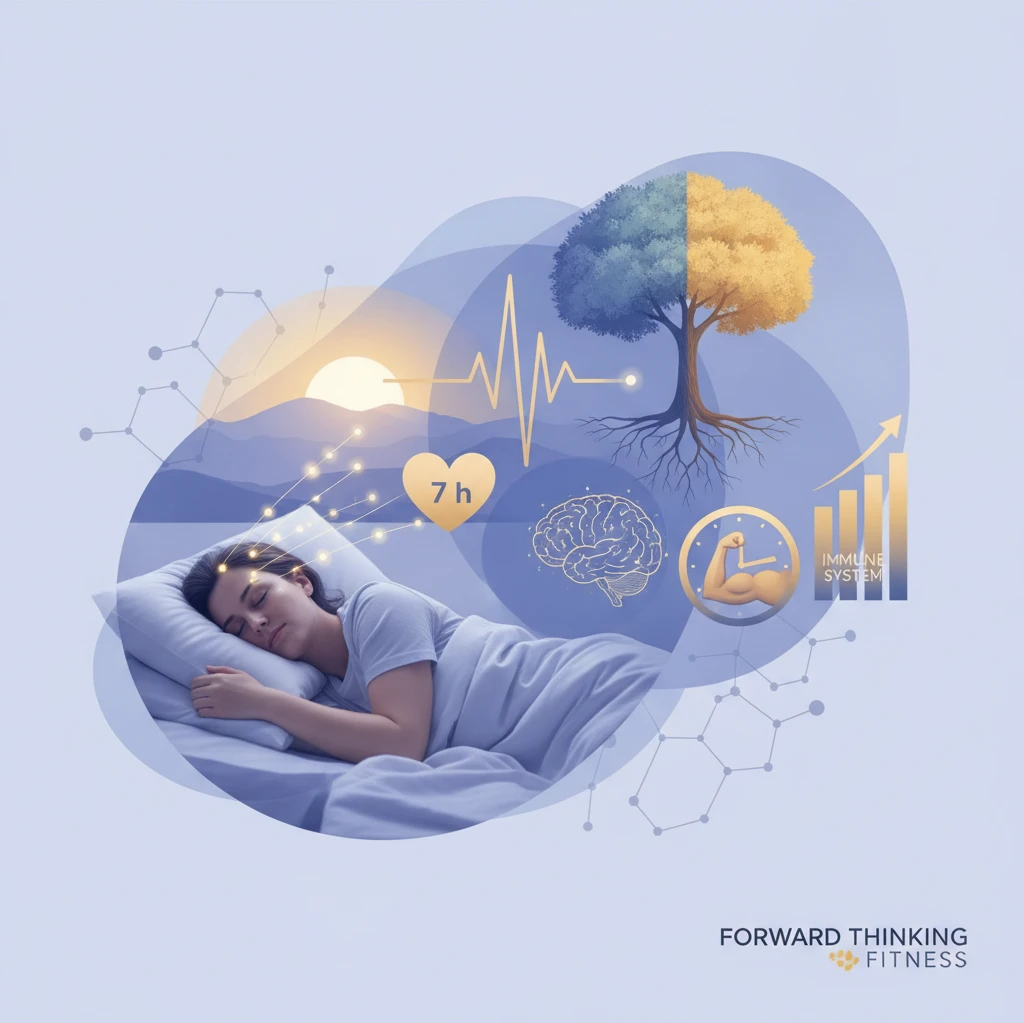
Fortifying Your Defenses: How Sleep Strengthens Immunity
Boosting your body’s ability to fight off illness and infection
Sleep plays a profound and often underappreciated role in the strength of your immune system. During sleep, your body actively produces and releases cytokines, which are proteins that help fight infection and inflammation. Key immune cells, such as T-cells, become more efficient at targeting infected cells when you are well-rested. Chronic sleep deprivation, even for just a few nights, significantly impairs the production of these protective cytokines and can reduce the effectiveness of essential immune responses, including the body’s ability to form antibodies after vaccination. For instance, studies have shown that individuals consistently sleeping less than 7 hours are three times more likely to catch a cold than those getting 8 hours or more. Prioritizing consistent sleep, especially during flu season or before travel, serves as an actionable step to fortify your natural defenses against illness and infection. To learn more about broader healthy aging strategies, consider visiting what healthy aging really means for adults.
The critical link between chronic sleep loss and systemic inflammation
Beyond direct immunity, inadequate sleep has a strong link to systemic inflammation, a low-grade, chronic inflammatory state that contributes to numerous chronic diseases, including heart disease, diabetes, and certain cancers. When you consistently get insufficient sleep, your body releases higher levels of inflammatory markers like C-reactive protein (CRP) and interleukins. This isn’t just about feeling tired; it’s about your body being in a constant state of low-level stress, which can gradually damage tissues and organs over time. A common pitfall is dismissing persistent fatigue and aches as normal signs of aging or a busy lifestyle, without recognizing them as potential indicators of sleep-related inflammation. Recognizing these early signs and assessing your sleep patterns is a crucial decision criterion. Prioritizing sleep is a tangible step towards reducing chronic inflammation and promoting long-term health, a principle also emphasized in comprehensive medical fitness programs.
Sharpening Your Mind & Mood: Sleep’s Impact on Brain Health
Enhancing focus, memory, and decision-making for daily life
Your brain doesn’t simply “turn off” when you sleep; it enters an active state of repair and organization. During deep sleep, the brain’s glymphatic system essentially “washes away” metabolic waste products, including amyloid-beta proteins linked to neurodegenerative diseases. Throughout the night, different sleep stages consolidate memories from the day, turning short-term experiences into long-term knowledge. Without sufficient sleep, this critical process is hindered, leading to noticeable impairments in focus, concentration, and recall. Decision-making also suffers, as the brain’s ability to process information and weigh options is compromised. For professionals in Allentown or Bethlehem, optimizing sleep can directly translate to enhanced productivity and reduced errors. An actionable step is to create a consistent pre-sleep routine, allowing your brain the necessary downtime to prepare for its restorative work. This consistency acts as a powerful enhancer for cognitive functions vital to daily life and problem-solving.
Regulating emotions and reducing stress, anxiety, and the risk of depression
Sleep is a powerful regulator of emotional health. The amygdala, the brain’s emotional center, becomes hyperactive with insufficient sleep, leading to heightened emotional reactivity, irritability, and difficulty managing stress. Simultaneously, the prefrontal cortex, responsible for rational thought and emotional control, becomes less connected to the amygdala, making it harder to regulate responses. This imbalance significantly increases susceptibility to anxiety, mood swings, and can exacerbate symptoms of depression. A common pitfall is relying on external stimulants or sedatives to manage these emotional challenges without addressing the underlying sleep deficit. Recognizing chronic irritability or increased stress as a prompt to evaluate your sleep quality is a vital decision criterion. Prioritizing consistent, restorative sleep is an actionable step toward achieving better emotional balance and resilience, significantly reducing your risk of mood disorders. Understanding the impact of sleep on mental well-being is closely related to why stress management is key for adult health and fitness, as the two are intrinsically linked.

Fueling Your Metabolism: Sleep’s Role in Weight & Hormone Balance
Understanding leptin, ghrelin, and their influence on hunger and cravings
The intricate dance of hunger and satiety hormones is profoundly influenced by your sleep patterns. Leptin, often called the “satiety hormone,” tells your brain when you’ve had enough to eat, signaling fullness. Ghrelin, the “hunger hormone,” stimulates appetite. When you’re sleep-deprived, this delicate balance is disrupted: ghrelin levels tend to rise, making you feel hungrier, while leptin levels fall, reducing your feeling of fullness. This hormonal imbalance can lead to increased cravings, particularly for high-carbohydrate, high-sugar foods, as your body seeks quick energy to compensate for fatigue. Example: studies show individuals sleeping less than 6 hours per night consume, on average, several hundred more calories the following day. Recognizing these patterns of increased hunger or specific cravings as a sign of inadequate sleep is a critical decision criterion. Prioritizing 7-9 hours of consistent sleep is an actionable step to naturally regulate your appetite and support overall metabolic health, making healthy eating choices much easier.
How consistent sleep improves insulin sensitivity and blood sugar management
Beyond hunger hormones, consistent sleep is a crucial factor in maintaining optimal insulin sensitivity and managing blood sugar levels. Even a single night of poor sleep can impair your body’s ability to use insulin effectively, leading to higher blood glucose levels. Chronic sleep deprivation contributes to insulin resistance, a condition where your cells become less responsive to insulin, forcing your pancreas to produce more. Over time, this can lead to prediabetes and significantly increase the risk of developing type 2 diabetes. The pitfall here is often focusing solely on diet and exercise for blood sugar control, while overlooking the foundational role of sleep. As an actionable step, establishing a regular sleep schedule can dramatically improve your body’s glucose metabolism. Monitoring your energy levels and sugar cravings can serve as decision criteria for assessing how well your sleep is supporting your metabolic health. For those managing or preventing metabolic conditions, incorporating consistent sleep is as vital as dietary changes and can be a powerful complement to strategies like medical weight loss support.
Repairing & Rebuilding: Sleep for Peak Physical Performance
Optimizing muscle repair, growth, and recovery after exercise
For adults committed to strength training or regular physical activity, sleep isn’t merely rest; it’s a vital phase for muscle repair and growth. During deep sleep stages, your body orchestrates the release of human growth hormone (HGH), a crucial anabolic hormone responsible for tissue regeneration, cellular repair, and muscle protein synthesis. Without sufficient, quality sleep, this hormonal release is significantly diminished, directly impeding your body’s ability to rebuild muscle fibers broken down during exercise. Furthermore, sleep helps reduce systemic inflammation, which is a natural response to physical exertion but can hinder recovery if prolonged. Prioritizing 7-9 hours of consistent sleep is as important as your post-workout protein shake in ensuring optimal physiological restoration. A common pitfall is viewing sleep as a luxury rather than a fundamental component of any serious fitness regimen, leading to slower progress and increased fatigue.
Reducing injury risk and improving endurance and strength output
Beyond muscle repair, consistent sleep plays a critical role in reducing injury risk and enhancing overall athletic performance. Sleep deprivation impairs cognitive functions such as reaction time, decision-making, and motor control, making you more susceptible to accidents and injuries during workouts or daily activities. Imagine performing complex lifts or engaging in dynamic movements with compromised coordination; the risk is clear. From an endurance perspective, adequate sleep ensures the replenishment of glycogen stores, which are your muscles’ primary fuel source during prolonged activity. When glycogen is depleted, fatigue sets in faster, severely impacting stamina. Studies have also consistently shown that insufficient sleep can reduce maximal strength output and power, making it harder to achieve personal bests or maintain intensity. To gain insights on protecting your body, consider learning more about
The Anti-Aging Secret: How Quality Sleep Extends Your Healthy Years
Promoting cellular repair and fighting oxidative stress
Quality sleep is undeniably one of your body’s most powerful anti-aging tools, operating at a fundamental cellular level. During sleep, your body is hard at work performing extensive cellular repair and detoxification processes. This includes repairing DNA damage accumulated throughout the day and clearing metabolic byproducts, often referred to as “cellular waste.” Moreover, sleep is crucial for combating oxidative stress, a process linked to accelerated aging and various chronic diseases. Antioxidants produced during sleep help neutralize free radicals, molecules that damage cells and contribute to aging. Chronic sleep deprivation, conversely, can lead to increased oxidative stress and inflammation, essentially accelerating the biological clock. Understanding the profound impact of rest on longevity is key for adults aiming for
Are You Getting Enough? Recognizing the Signs of Sleep Deprivation
Common symptoms experienced by busy adults in the Lehigh Valley
Many busy adults across the Lehigh Valley, from Allentown to Bethlehem, often normalize the signs of sleep deprivation, mistaking chronic fatigue for the inevitable demands of modern life. However, recognizing these symptoms is the first step toward better health. Common indicators include persistent daytime fatigue, even after what feels like adequate rest, difficulty concentrating, and impaired memory. You might also notice increased irritability, mood swings, or a general feeling of being overwhelmed. Physically, sleep deprivation can manifest as increased appetite or cravings for unhealthy foods due to hormonal imbalances (ghrelin and leptin), frequent illnesses due to a weakened immune system, or even unexplained weight gain. These aren’t just minor inconveniences; they are clear signals from your body that it’s not getting the rest it critically needs to function optimally and manage daily stressors effectively.
When to consider professional guidance for persistent sleep issues
While occasional poor sleep is common, persistent sleep issues warrant professional attention. If you’ve been experiencing significant symptoms of sleep deprivation—such as excessive daytime sleepiness, loud snoring, gasping for breath during sleep, or difficulty falling or staying asleep—for more than a few weeks, it’s wise to consult your primary care physician. They can help identify potential underlying causes, which might range from lifestyle factors to medical conditions like sleep apnea, restless legs syndrome, or chronic insomnia. A professional evaluation can involve a sleep study or referrals to a sleep specialist. Ignoring these signs can lead to worsening health outcomes and further impair your quality of life. Understanding
Establishing a consistent sleep schedule and wind-down routine
One of the most impactful strategies for improving sleep quality is establishing a consistent sleep schedule. This means going to bed and waking up at roughly the same time every day, even on weekends. This consistency helps regulate your body’s natural circadian rhythm, making it easier to fall asleep and wake up feeling refreshed. Equally important is developing a relaxing wind-down routine in the 30-60 minutes before bedtime. This routine should signal to your body and mind that the day is ending. Examples include reading a book, taking a warm bath, gentle stretching, or practicing mindfulness. Avoid stimulating activities like screen time (phones, tablets, TVs) and intense discussions or work tasks during this period, as these can elevate alertness and make falling asleep difficult. A well-executed routine is a cornerstone of effective sleep hygiene.
Nutrition and exercise considerations for improving sleep quality
What you eat and how you move your body throughout the day significantly impact your sleep. Regarding nutrition, focus on a balanced diet rich in whole foods. Avoid heavy, fatty, or spicy meals close to bedtime, as these can cause indigestion and discomfort. Similarly, limit caffeine intake, especially in the afternoon and evening, as its stimulating effects can linger for hours. Alcohol, while it might initially make you feel sleepy, disrupts sleep architecture later in the night, leading to fragmented rest. Regular physical activity, such as that achieved through how a dietitian optimizes nutrition for active adults can be incredibly beneficial.
Building Your Bedtime Blueprint: Practical Strategies for Better Sleep
Crafting an effective “bedtime blueprint” involves integrating several practical strategies into your daily life. A crucial element is optimizing your sleep environment. Your bedroom should be a sanctuary for rest: keep it dark, quiet, and cool (ideally between 60-67°F or 15-19°C). Block out light with blackout curtains, minimize noise with earplugs or a white noise machine, and ensure your mattress and pillows provide adequate comfort and support. Removing electronic devices from the bedroom can also significantly reduce sleep disruptions.
Beyond the physical environment, managing daily stress and anxiety is paramount. Chronic stress can wreak havoc on sleep patterns, making it difficult to fall asleep or stay asleep. Incorporate stress-reducing activities into your day, such as meditation, yoga, spending time in nature, or engaging in hobbies you enjoy. If stress feels overwhelming, techniques for handling difficult emotions and finding constructive ways to cope can be explored with a professional. Establishing mental boundaries between work and personal life is also beneficial, preventing work-related worries from creeping into your evening routine.
Beyond the Bedroom: How Sleep Fits into Your Overall Health Journey
The synergy between quality sleep, fitness, nutrition, and stress management
Understanding that sleep is not an isolated function, but a central pillar of overall wellness, is crucial for adults seeking lasting health improvements. Quality sleep profoundly influences your capacity for physical fitness, impacting everything from muscle repair and growth to energy levels for demanding workouts. Without adequate rest, hormones like cortisol can remain elevated, hindering recovery and potentially leading to increased fat storage, even when diet and exercise are optimized. A common pitfall is to push harder in the gym while neglecting sleep, only to find progress stalled or injuries more frequent.
Furthermore, sleep directly regulates metabolic hormones. Sleep deprivation can disrupt ghrelin and leptin, the hormones controlling hunger and satiety, often leading to increased cravings for unhealthy, high-calorie foods and impaired insulin sensitivity. This creates a challenging environment for anyone trying to manage their weight or improve metabolic health. Equally critical, consistent sleep acts as a powerful buffer against stress. When you’re well-rested, your body is better equipped to handle daily stressors, improving emotional regulation and cognitive function. Conversely, chronic sleep loss can heighten anxiety and make stress management feel insurmountable, trapping individuals in a counterproductive cycle. Recognizing these interconnected relationships is the first step toward a truly holistic approach to health.
Integrating sleep into a holistic wellness plan for sustainable results
Integrating sleep into a comprehensive wellness plan moves beyond simply aiming for “eight hours” to focusing on consistency and quality. A critical actionable step is establishing a consistent sleep schedule, even on weekends, to regulate your circadian rhythm. This means setting a specific bedtime and wake-up time that you adhere to rigorously. Optimizing your sleep environment is another non-negotiable step: ensuring your bedroom is dark, cool, and quiet, free from digital distractions. Many adults underestimate the impact of light exposure from screens before bed, which can significantly disrupt melatonin production.
A common pitfall is the belief that sleep can be “caught up on” during the weekend, which often does more harm than good to your internal clock. Instead, consider incorporating a pre-sleep wind-down routine, such as reading, gentle stretching, or mindfulness exercises, to signal to your body that it’s time to rest. For instance, a client we worked with in Allentown, a busy professional, discovered that simply dimming lights and avoiding email for an hour before bed dramatically improved her sleep latency and depth. These small, consistent changes, when integrated into a broader plan encompassing personalized fitness and balanced nutrition, lay the groundwork for truly sustainable health outcomes, impacting your energy, mood, and long-term vitality.
Your Partner in Health: Achieving Sustainable Wellness in Allentown & Beyond
Personalized coaching for improved sleep, vitality, and healthy aging
At Forward Thinking Fitness, we understand that achieving optimal health and longevity requires a multifaceted approach, and personalized coaching plays a pivotal role in integrating critical components like sleep. Our expert coaches work closely with individuals to identify specific root causes of sleep disturbances, which might range from poor evening habits to unmanaged stress or imbalanced nutrition. We don’t offer generic advice; instead, we help you develop tailored strategies for sleep optimization that fit your unique lifestyle, whether you’re a busy professional in the Lehigh Valley or an adult prioritizing accountability and expert guidance to navigate these challenges, ensuring sustainable progress. For example, we helped a client struggling with persistent fatigue and low motivation discover how adjusting her meal timing and incorporating specific evening relaxation techniques dramatically improved her sleep quality, subsequently boosting her daily energy and workout performance.
Connect with Forward Thinking Fitness for a holistic health assessment and plan
Ready to unlock your full potential and achieve sustainable wellness? A holistic health assessment with Forward Thinking Fitness is the definitive first step. Our comprehensive evaluation goes beyond superficial metrics, delving into your current sleep patterns, nutritional habits, fitness levels, stress management techniques, and overall lifestyle. We take the time to understand your unique challenges and aspirations, whether you’re aiming for significant weight loss, improved mobility, or simply a greater sense of well-being and energy. This allows us to craft a truly personalized plan that addresses every pillar of your health, not just isolated symptoms.
Working with our team means gaining access to expert guidance across personal training, nutrition coaching, and wellness strategies. We believe in empowering you with the knowledge and tools to make informed decisions for your long-term health, ensuring that improvements in one area, like sleep, reinforce progress in others, such as physical World Health Organization for additional insights into global health recommendations.
By prioritizing consistent, quality sleep and integrating it thoughtfully into your fitness, nutrition, and stress management efforts, you lay a robust foundation for long-term health and vitality. This integrated approach is key to achieving sustainable wellness and thriving in all aspects of your life.