
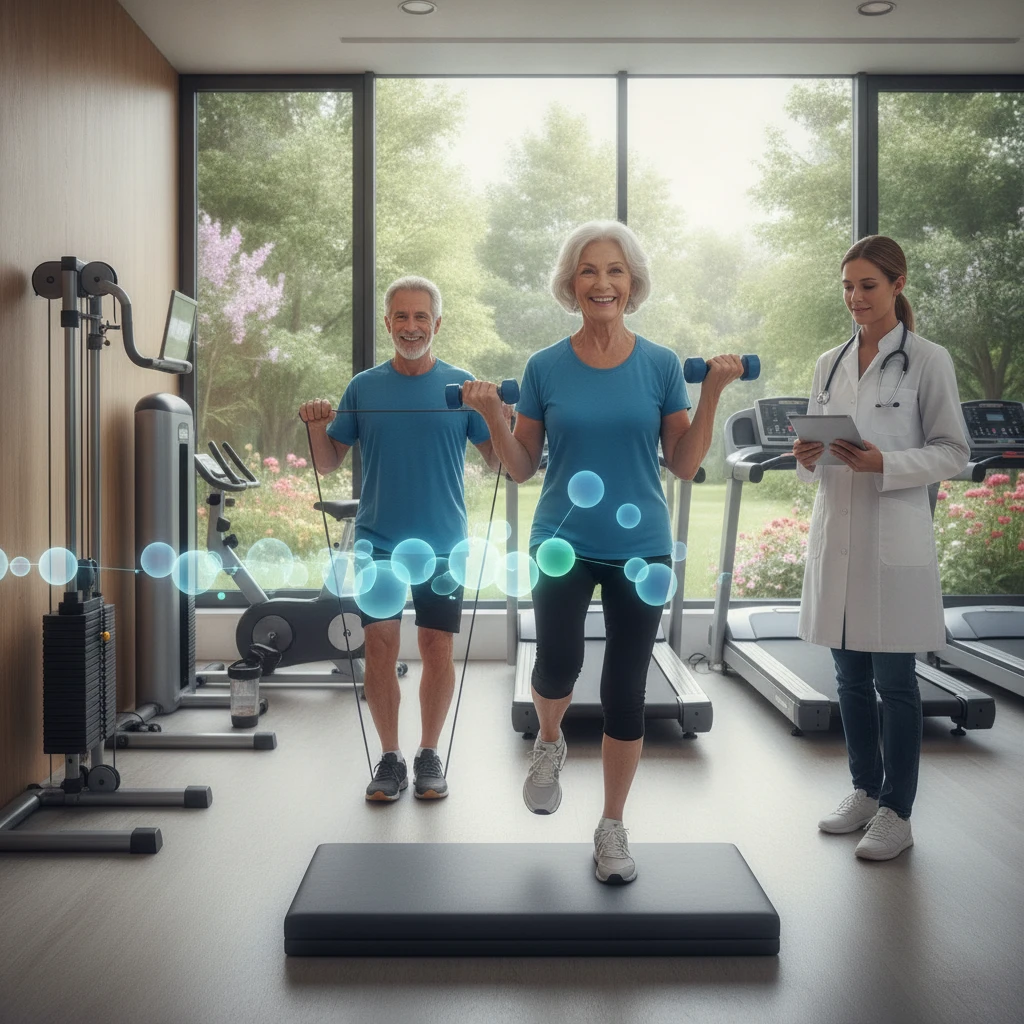
As we navigate the complexities of modern life, the concept of simply “living longer” has evolved. Today, the focus has increasingly shifted towards extending our healthy lifespan – the period during which we remain free from debilitating chronic diseases and can actively engage with life on our own terms. This shift acknowledges that merely accumulating years isn’t enough; the quality of those years truly defines our well-being.
Medical fitness represents a powerful, evidence-based approach to achieve this goal. By integrating scientific principles, personalized strategies, and collaboration with healthcare professionals, it offers a distinct pathway to not just add years to your life, but to add life to your years. Understanding its unique benefits can empower you to make informed decisions about your long-term health and vitality.
Redefining “Healthy Lifespan”: It’s More Than Just Years
Beyond Chronological Age: Measuring True Vitality
Our traditional understanding of age often fixates on chronological years, but a more comprehensive view emphasizes biological and functional age. True vitality is measured not just by the number of candles on your birthday cake, but by your body’s physiological capabilities and resilience. Key indicators include aerobic capacity (often measured by VO2 max), muscular strength, balance, cognitive function, and even the health of your cellular processes. A robust medical fitness program begins with a thorough assessment of these functional markers, providing a baseline to track your progress.
Decision Criteria: When evaluating your vitality, consider your ability to perform daily activities without fatigue or pain, your energy levels, and your resilience to stress. These metrics often reveal a younger “true age” for individuals who prioritize consistent physical activity and healthy lifestyle choices. For instance, someone chronologically 60 might have the cardiovascular fitness of a 45-year-old through dedicated training.
The Desire for Quality, Not Just Quantity of Life
While longevity is often desired, the overarching goal for most adults is to maintain a high quality of life well into their later years. This means preserving independence, avoiding chronic conditions like type 2 diabetes or heart disease, and retaining the ability to pursue hobbies, travel, and connect with loved ones. The pitfall of focusing solely on lifespan without quality is spending extended periods in a state of poor health, diminished function, or reliance on others.
Actionable Steps: To prioritize quality, engage in activities that challenge your body and mind, foster social connections, and adopt nutrition habits that support sustained energy and cellular health. For example, rather than just “exercising,” consider how specific movements enhance your ability to play with grandchildren, garden, or walk a 5K. Medical fitness programs are designed with these specific, life-enhancing functional goals in mind, aiming to support what healthy aging really means for adults.

What Sets Medical Fitness Apart from Regular Exercise?
Evidence-Based and Health-Integrated Approach
Medical fitness distinguishes itself through an explicitly evidence-based and health-integrated approach. Unlike generic exercise routines, medical fitness programs are designed considering current scientific research, clinical guidelines, and an individual’s specific health profile. This means programming isn’t just about general fitness but is meticulously tailored to manage or prevent chronic conditions such as cardiovascular disease, metabolic syndrome, or orthopedic issues. Every intervention, from resistance training protocols to cardio prescriptions, is rooted in physiological principles proven to yield therapeutic benefits. The emphasis is on safe, effective, and progressive interventions that complement medical treatment rather than existing in isolation.
Personalized for Your Unique Medical Profile and Goals
Perhaps the most significant differentiator of medical fitness is its profound level of personalization. A comprehensive intake process involves a thorough review of your medical history, current medications, previous injuries, and specific health concerns, often in consultation with your physician. This allows for the creation of a fitness plan that directly addresses your unique physiology, risk factors, and long-term health goals. For example, an individual with osteoporosis will follow a strength training regimen focused on bone-loading exercises, while someone recovering from cardiac surgery will have a carefully graduated cardiovascular program. This tailored approach minimizes risks and maximizes efficacy, ensuring that every exercise contributes meaningfully to your health objectives, reflecting the benefits of working with a personal trainer in the Lehigh Valley.
Collaboration with Healthcare Professionals
A cornerstone of medical fitness is its inherent collaboration with healthcare professionals. Medical fitness specialists often work in conjunction with doctors, physical therapists, registered dietitians, and other allied health providers. This interdisciplinary approach ensures that your fitness plan aligns seamlessly with your overall medical care, preventing contraindications and optimizing outcomes. Such partnerships facilitate a holistic view of your health, allowing for adjustments to your program based on medical advice or changes in your condition. For instance, a medical fitness coach might consult with a client’s physician regarding blood pressure management or coordinate with a dietitian to optimize nutrition for metabolic health, ensuring a cohesive and integrated health strategy.
The Scientific Link: How Movement Slows Biological Aging
Impact on Cellular Health and Genetic Expression
Regular physical activity exerts a profound influence on cellular health and genetic expression, directly impacting the rate of biological aging. Exercise has been shown to protect telomeres, the caps at the end of chromosomes, from shortening – a key indicator of cellular aging. Furthermore, it stimulates mitochondrial biogenesis, leading to more efficient energy production within cells and reducing oxidative stress. Studies also indicate that movement can positively influence epigenetic modifications, turning “on” genes associated with health and longevity while potentially suppressing those linked to disease. This direct cellular communication means that consistent, targeted movement is a powerful anti-aging intervention at the most fundamental level.
Reducing Chronic Inflammation and Disease Risk
Chronic low-grade inflammation is a significant driver of aging and nearly all age-related diseases, from atherosclerosis to neurodegenerative disorders. Exercise acts as a potent anti-inflammatory agent, helping to modulate immune responses and reduce systemic inflammatory markers. By regularly engaging in physical activity, you can significantly lower your risk for developing conditions like type 2 diabetes, certain cancers, and cardiovascular diseases. This reduction in chronic inflammation not only extends lifespan but dramatically improves the quality of those years by mitigating pain, improving organ function, and enhancing overall vitality. A medically guided fitness approach ensures that exercises are chosen to optimize these anti-inflammatory benefits.
Boosting Metabolic and Cardiovascular Resilience
Movement is fundamental to developing robust metabolic and cardiovascular resilience. Regular exercise enhances insulin sensitivity, allowing your body to process glucose more effectively and reducing the risk of insulin resistance and type 2 diabetes. It also improves lipid profiles by increasing beneficial HDL cholesterol and decreasing harmful LDL and triglycerides. For cardiovascular health, exercise strengthens the heart muscle, improves blood vessel elasticity, lowers resting heart rate and blood pressure, and enhances overall circulatory efficiency. This comprehensive metabolic and cardiovascular conditioning protects against major age-related diseases, allowing your body’s systems to function optimally for longer. Understanding these benefits can help you identify early signs of metabolic health issues and proactively address them.
Building Blocks for Longevity: Strength, Mobility, and Balance
Combating Sarcopenia and Maintaining Bone Density
As we age, a significant challenge is sarcopenia, the progressive loss of muscle mass, strength, and function, alongside declining bone mineral density. Strength training is the most effective intervention to combat both. By placing stress on muscles, it stimulates growth and preserves muscle tissue, which is crucial for metabolism, physical performance, and injury prevention. Similarly, weight-bearing and resistance exercises stimulate osteoblasts, the cells responsible for bone formation, thus maintaining or even increasing bone density. Prioritizing consistent strength training, guided by medical fitness principles, is non-negotiable for preserving your physical capacity and skeletal integrity, building your adult strength efficiently.
Enhancing Functional Independence and Preventing Falls
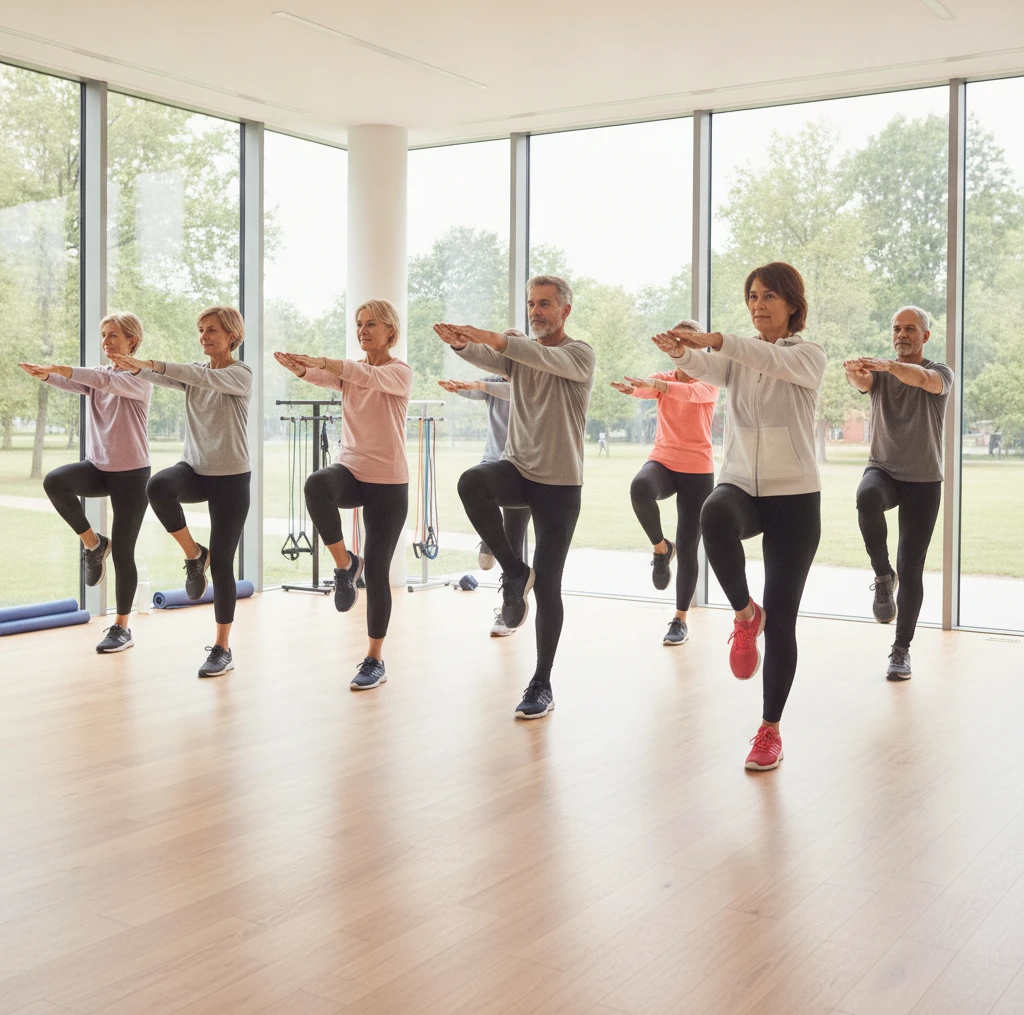
Functional independence – the ability to perform daily tasks without assistance – is a cornerstone of a healthy lifespan. This hinges significantly on maintaining excellent balance and coordination. Medical fitness programs specifically incorporate exercises that challenge stability, strengthen core muscles, and improve proprioception, dramatically reducing the risk of falls. Falls are a leading cause of injury and disability in older adults, often leading to a cascade of health issues. By proactively enhancing balance and agility, individuals can confidently navigate their environment, participate in activities they enjoy, and maintain their autonomy for many more years. Example: An individual who practices single-leg stands and dynamic stepping exercises can significantly improve their reaction time to a stumble, preventing a fall. This proactive approach is key for how to prevent common fitness injuries as an adult.
Improving Joint Health and Range of Motion
Maintaining healthy joints and a full range of motion is vital for comfort, flexibility, and the ability to move freely without pain. Medical fitness emphasizes exercises that lubricate joints, strengthen supporting musculature, and improve the elasticity of connective tissues. This includes dynamic warm-ups, specific mobility drills, and targeted stretching. By improving joint kinematics and reducing stiffness, you can mitigate the progression of conditions like osteoarthritis and maintain the flexibility needed for everyday activities, from bending to tie your shoes to reaching for items on a high shelf. A comprehensive approach ensures that all major joints are supported, allowing for comfortable and efficient movement throughout your life.
Optimizing Your Body’s Systems: Beyond Just Muscles
While building strength and improving physical endurance are vital components of any fitness regimen, true healthy longevity extends far beyond muscular development. A comprehensive medical fitness approach considers the intricate network of systems within your body, aiming for their optimal function. This holistic perspective recognizes that systemic health – encompassing everything from your hormonal balance to cognitive function – is paramount for a vibrant, extended lifespan. Focusing solely on aesthetics or single-joint movements often overlooks the profound impact of integrated exercise and lifestyle on these deeper physiological processes.
Supporting Hormonal Balance and Immune Function
Hormonal balance and a robust immune system are fundamental pillars of healthy aging. Medical fitness programs are meticulously designed to positively influence key hormones like insulin, cortisol, and even sex hormones, which play critical roles in metabolism, stress response, and overall vitality. For instance, regular, appropriately-dosed exercise can significantly improve insulin sensitivity, reducing the risk of metabolic conditions. Concurrently, moderate physical activity strengthens the immune system by enhancing circulation of immune cells and reducing chronic inflammation, a known driver of age-related diseases. Over-training, however, can paradoxically suppress immunity and disrupt hormonal equilibrium, underscoring the need for a balanced approach tailored to individual capacity.
Nurturing Brain Health and Cognitive Vitality
Maintaining cognitive function is a top priority for many as they age. Emerging research consistently highlights the powerful connection between physical activity and brain health. Exercise promotes better blood flow to the brain, stimulating the growth of new neural connections and enhancing neuroplasticity – the brain’s ability to reorganize itself. Engaging in varied exercises, especially those requiring coordination and strategy, can improve memory, attention span, and overall cognitive processing speed. Furthermore, consistent physical activity helps mitigate risk factors for cognitive decline, such as hypertension and diabetes. Prioritizing exercises that challenge both the body and mind can lead to remarkable improvements in cognitive vitality.
Improving Sleep Quality and Stress Management
Sleep and stress are often overlooked yet critical components of healthy aging. Poor sleep quality and chronic stress can wreak havoc on hormonal balance, immune function, and cognitive abilities, effectively undermining all other health efforts. Medical fitness programs integrate strategies not just for physical training but also for enhancing sleep architecture and effective stress management. Regular physical activity, particularly when timed correctly, can deepen sleep and regulate circadian rhythms. Additionally, exercise serves as a potent stress reliever, reducing levels of cortisol and promoting the release of endorphins. Learning to manage stress through movement and mindfulness is a key to extending your healthy years, helping you build resilience against daily pressures. To learn more about this vital connection, consider exploring why stress management is key for adult health and fitness.
The Power of Personalized Programming for Lasting Health
In the quest for extended healthy lifespans, the concept of personalized programming emerges as a cornerstone of success. Unlike generic gym routines or one-size-fits-all workout plans, medical fitness tailors every aspect of your journey to your unique physiology, health status, and long-term aspirations. This bespoke approach ensures that your efforts are not only effective but also safe and sustainable, directly addressing your specific needs rather than applying broad generalizations. It’s about optimizing your body’s potential for longevity, not just short-term gains, fostering a path towards truly lasting health.
Tailoring to Your Individual Health History and Aspirations
Effective medical fitness begins with a thorough understanding of your individual health profile. This includes a detailed review of your medical history, any existing conditions, current medications, previous injuries, and, crucially, your specific health and longevity goals. A personalized program considers these factors to design exercises that are appropriate, progressive, and therapeutic. For example, an individual recovering from cardiac rehabilitation will require a vastly different approach than someone managing early-stage osteoporosis or an adult aiming to prevent sarcopenia. This careful customization ensures that every movement serves a purpose, contributing directly to your unique health aspirations without exacerbating existing issues.
Adapting Your Plan as Your Body and Goals Evolve
Your body is not static, nor are your health goals. A truly effective medical fitness program is dynamic, designed to evolve alongside you. Regular assessments are crucial for tracking progress, identifying new strengths or limitations, and making necessary adjustments to your exercise and nutrition protocols. As you build strength, improve mobility, or achieve specific milestones, your program should adapt to introduce new challenges and maintain momentum. For instance, a program might start with foundational stability exercises and gradually progress to more complex functional movements as your body becomes more capable. This ongoing adaptation is key to preventing plateaus, avoiding injuries, and ensuring your path to healthy aging remains both engaging and effective. This flexibility is vital for taking the right steps with a personal trainer to meet your evolving needs.
Why One-Size-Fits-All Approaches Fall Short for Healthy Aging
Generic fitness plans, often found online or in large group settings, rarely account for the complexities of adult physiology and the nuances of healthy aging. For adults, these “one-size-fits-all” methods can lead to suboptimal results, increased risk of injury, or even demotivation due to a lack of progress. Age-related changes, such as decreased bone density, muscle loss (sarcopenia), and slower recovery times, necessitate specific considerations that a standardized program cannot provide. Without professional guidance, individuals might perform exercises incorrectly, target inappropriate muscle groups, or overexert themselves, undermining their longevity efforts. The nuanced demands of aging require a highly individualized strategy to truly optimize health outcomes and prevent common fitness pitfalls.
Integrating Nutrition and Lifestyle for Comprehensive Wellness
Achieving a truly extended healthy lifespan demands more than just physical exercise; it requires a holistic integration of nutrition and lifestyle factors. Medical fitness recognizes that diet, sleep, stress management, and even social connections are inextricably linked to physical performance and overall well-being. By addressing these interconnected elements, we create a synergistic effect that amplifies the benefits of exercise, leading to profound and sustainable improvements in health. This comprehensive approach ensures that every aspect of your life supports your goal of maximizing long-term vitality.
The Role of Dietitian Support for Metabolic Health
Nutrition is a critical determinant of metabolic health, which directly impacts longevity. A registered dietitian offers invaluable, personalized guidance far beyond generic meal plans. They analyze your current dietary habits, health conditions, and specific metabolic needs to create a strategic eating plan that supports your fitness goals, manages chronic conditions, and promotes cellular health. This might involve optimizing macronutrient ratios for stable blood sugar, reducing inflammatory foods, or enhancing gut microbiome diversity. The right nutritional strategy can significantly improve energy levels, accelerate recovery, and reduce the risk of age-related metabolic diseases. Understanding how a dietitian can help boost metabolic health is a crucial step towards comprehensive wellness, aligning with broader health recommendations from organizations like the World Health Organization.
Strategic Wellness Coaching for Sustainable Habits
Beyond exercise and diet, sustainable health hinges on consistent lifestyle habits. Wellness coaching fills a vital gap by providing support for areas such as sleep hygiene, stress reduction techniques, time management, and accountability. A dedicated coach helps you identify barriers to healthy living, develop practical strategies to overcome them, and build sustainable routines that integrate seamlessly into your daily life. This isn’t about quick fixes, but about fostering long-term behavioral change. For busy professionals in the Lehigh Valley, strategic wellness coaching offers the tools and encouragement needed to prioritize self-care and maintain momentum toward lasting healthy habits amidst demanding schedules.
Understanding Your Body Composition for Targeted Improvements
Solely relying on a scale can be misleading when assessing health and progress. Understanding your body composition – the ratio of lean muscle mass to body fat – provides a far more accurate picture of your metabolic health and risk factors for chronic disease. Advanced analyses, such as DEXA scans, offer precise data on muscle distribution and fat percentage, allowing for highly targeted improvements. For instance, increasing lean muscle mass is crucial for maintaining strength, boosting metabolism, and improving insulin sensitivity as you age, even if your total body weight remains constant. This detailed insight enables us to craft exercise and nutrition plans that truly optimize your internal health markers and physical resilience, leading to more effective strategies for understanding body fat analysis.
Navigating Your Path to Extended Health in the Lehigh Valley
For adults in the Lehigh Valley committed to extending their healthy lifespan, choosing the right medical fitness partner is a pivotal decision. The local landscape offers various options, but discerning a provider who truly aligns with the principles of comprehensive, personalized care is essential. Your journey towards longevity deserves expert guidance that considers every facet of your well-being, from physical training to nutritional support and lifestyle coaching. This proactive approach ensures you’re building a foundation for a future filled with vitality and independence, right here in our community.
What to Look For in a Medical Fitness Provider Near Allentown, PA
When seeking a medical fitness provider in the Allentown, PA area, prioritize facilities that offer an integrated approach. Look for programs that combine personalized exercise prescriptions with dietitian support, wellness coaching, and advanced body composition analysis. A reputable provider will conduct a thorough initial assessment, taking into account your complete medical history, existing conditions, and specific longevity goals. Seek out an environment that emphasizes a supportive, educational, and professional atmosphere, focused on long-term health outcomes rather than just short-term weight loss. Facilities that boast affiliations with local healthcare providers or offer medically-supervised programs often indicate a higher standard of care, reflecting a commitment to your overall health journey.
The Importance of Certified and Experienced Coaches
The expertise of your coaching team is non-negotiable in medical fitness. Ensure that trainers and coaches hold recognized certifications from authoritative bodies such as the American College of Sports Medicine (ACSM) or the National Strength and Conditioning Association (NSCA). Beyond certifications, inquire about their specific experience working with adult populations, particularly those with unique health considerations like metabolic syndrome, joint issues, or post-rehabilitation needs. Experienced coaches understand how to modify exercises for safety and effectiveness, ensuring proper form and progressive overload. Their ongoing education in exercise science, nutrition, and behavioral change is critical for delivering evidence-based guidance that truly supports your healthy aging objectives.
A Holistic Approach to Longevity in Bethlehem and Beyond
Achieving true longevity isn’t about isolated interventions; it’s about fostering a holistic ecosystem of health. For residents of Bethlehem and the wider Lehigh Valley, this means finding a partner who champions a comprehensive strategy encompassing physical activity, balanced nutrition, adequate recovery, effective stress management, and mental well-being. A holistic medical fitness program recognizes that these components are interdependent, each contributing to a stronger, more resilient you. This integrated care model helps prevent chronic diseases, enhances functional independence, and significantly improves your quality of life for decades to come. By embracing this proactive and all-encompassing approach, you invest in a future of sustained health and an enhanced capacity to enjoy all that the Lehigh Valley has to offer.
Your Future Self: The Tangible Benefits of a Medical Fitness Journey
Experiencing Increased Energy and Everyday Vitality
Embarking on a medical fitness journey can profoundly transform your daily energy levels, moving beyond simple fatigue reduction to fostering sustained vitality. By systematically improving your cardiovascular health, enhancing mitochondrial function within cells, and optimizing sleep patterns, medical fitness programs address the root causes of low energy. The outcome is not just feeling less tired, but experiencing a heightened capacity for physical and mental engagement throughout your day. Consistent, tailored exercise, supervised by professionals, ensures that your body adapts efficiently, leading to a noticeable boost in overall zest for life. A common pitfall is overtraining or inconsistent effort, which can negate these benefits; therefore, a structured approach is crucial for sustainable results. For instance, consider a hypothetical client, Sarah (age 58), who, after six months of a medically supervised program, reported being able to play with her grandchildren for hours without feeling depleted, a stark contrast to her previous struggles with afternoon slumps.
Maintaining Independence and Enjoying Hobbies Longer
One of the most profound benefits of a medical fitness regimen is its direct impact on maintaining independence and preserving the ability to enjoy life’s pleasures well into later years. These programs focus heavily on developing functional strength, improving balance, and enhancing overall mobility, which are critical for daily activities. By proactively addressing age-related declines such as sarcopenia (muscle loss) and bone density reduction, medical fitness helps prevent falls and reduces the risk of injury. When choosing a program, look for those emphasizing functional movements that mimic real-life activities, like lifting, bending, and reaching. Incorporating regular strength training and balance exercises can significantly extend your capacity for active pursuits. For many, this means continuing beloved hobbies such as gardening, hiking the scenic trails around Emmaus, or traveling extensively without physical limitations, truly defining what healthy aging means. Investing in your physical capabilities today allows you to reap long-term rewards in personal freedom and quality of life.
Reduced Risk of Chronic Conditions and Improved Quality of Life
Medical fitness plays a pivotal role in not only reducing the risk of developing chronic conditions but also in effectively managing existing ones, thereby significantly improving overall quality of life. Tailored exercise and nutrition plans directly impact conditions like Type 2 diabetes, heart disease, and hypertension by improving metabolic health, reducing systemic inflammation, and promoting healthy body composition. Programs with a strong medical oversight component are crucial as they consider individual health profiles, ensuring safety and efficacy. A common pitfall is ignoring medical advice or attempting generic fitness routines that may not be appropriate for specific health challenges. Choosing a program that integrates both fitness and nutrition for boosting metabolic health can be a game-changer. For example, John (age 62) significantly lowered his A1C levels and reversed his pre-diabetes diagnosis through a supervised medical fitness program, which included consistent activity and dietary adjustments, drastically enhancing his long-term health outlook. Learn more about preventing chronic diseases through lifestyle changes on the World Health Organization website.
Taking the First Step Towards a Healthier, Longer Life
Consulting with Medical Fitness Professionals
Embarking on a journey toward a healthier, longer life begins with seeking expert guidance from medical fitness professionals. These specialists possess the unique blend of fitness expertise and understanding of various medical conditions, allowing them to design programs that are both effective and safe for your specific needs. When selecting a professional, prioritize those with relevant certifications and a proven track record in working with adults facing health challenges. An initial comprehensive assessment, often requiring medical clearance from your physician, is paramount. This ensures that your fitness plan aligns perfectly with your health status and goals, mitigating risks and maximizing benefits. A significant pitfall is self-diagnosing or relying on generic advice from unqualified sources, which can lead to injury or ineffective progress. Instead, consider working with dedicated experts in Allentown or the wider Lehigh Valley area who specialize in personalized adult fitness plans, underscoring why a personal trainer is key for Lehigh Valley adults seeking robust, health-informed support.
Setting Realistic, Sustainable Goals for Your Wellness Journey
The foundation of any successful wellness journey lies in setting goals that are not only achievable but also sustainable over the long term. Avoid the trap of pursuing quick fixes or overly ambitious targets that often lead to burnout and discouragement. Instead, adopt the SMART goal framework: ensuring your goals are Specific, Measurable, Achievable, Relevant, and Time-bound. For example, rather than aiming to “lose a lot of weight,” a more effective goal might be “to walk 30 minutes, five days a week, and incorporate two strength training sessions for the next three months.” Start small, celebrate every milestone, and be prepared to adapt your goals as your body changes and your capabilities grow. Unrealistic expectations are a primary pitfall that derails many wellness efforts. True progress stems from consistent, incremental improvements. Emphasizing this steady approach is why sustainable weight loss is best viewed as a lifestyle transformation, not merely a temporary diet.
Empowering Yourself Through Education and Support
Empowerment in your medical fitness journey comes from a combination of continuous education and a robust support system. Understanding the ‘why’ behind specific exercises, nutritional recommendations, and lifestyle adjustments is crucial for long-term adherence and success. Actively ask questions of your medical fitness team, read reputable health resources, and engage with educational content that clarifies complex concepts. Beyond knowledge, building a strong support network—whether through a coach, family, or a community of like-minded individuals—provides accountability and motivation. Programs offering educational workshops or group support sessions can significantly enhance this aspect. A key decision criterion for your journey should be whether the program fosters both your physical and intellectual engagement. This holistic approach ensures you are not just following instructions, but genuinely understanding and internalizing the practices that will contribute to a healthier, longer life. For comprehensive health information, you may consult resources such as the National Institutes of Health (NIH).
Taking proactive steps in medical fitness can profoundly shape your longevity and quality of life. By focusing on professional guidance, setting realistic goals, and empowering yourself through knowledge, you build a resilient foundation for a vibrant future, ensuring your healthy years extend far into the future.
For adults in the Lehigh Valley seeking expert guidance on medical fitness, personalized training, and comprehensive wellness support, Forward Thinking Fitness offers tailored programs designed to help you achieve your health and longevity goals. Visit ftfstrong.com to learn more about how we can support your journey.